
Stats
- Episodes featuring their films
- 2
- Movies in this archive
- 2
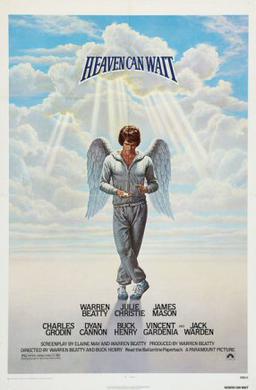
Rewatchables episodes featuring Warren Beatty’s films

Mentioned in discussions
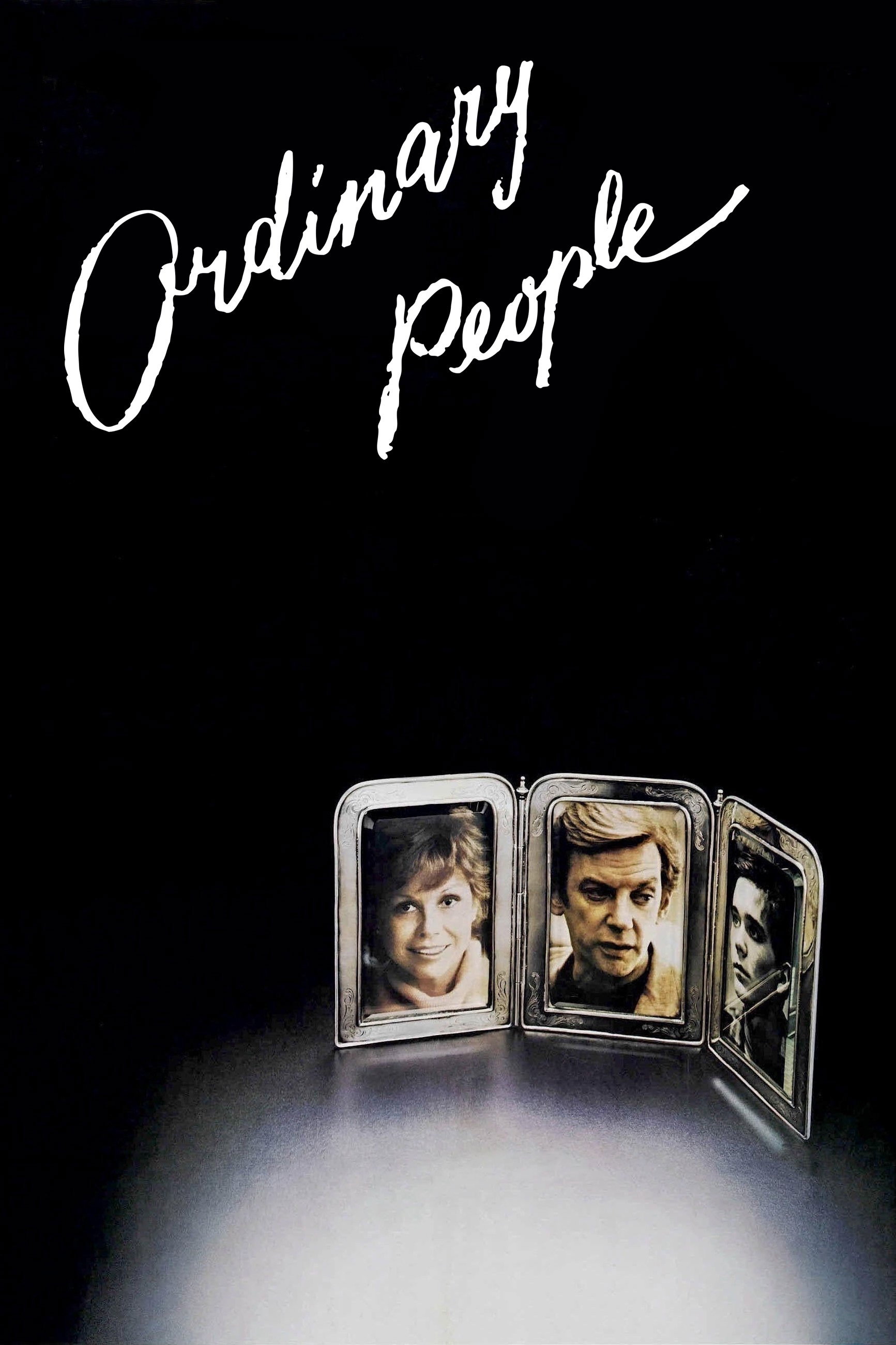

What’s Aged the Worst?
Canon in D as a wedding song; Sutherland's Best Actor snub; Mary Tyler Moore shock value; Good Will Hunting borrowing; odd dialogue; unwrapped candy apples
In the discussion (9)
- The Canon, the theme of one of the most dysfunctional family movies, is now the standard wedding song. — Bill Simmons
- Sutherland's Best Actor snub has aged the worst. — Bill Simmons
- The shock of Mary Tyler Moore as the evil mom has faded; there is no current equivalent, perhaps Aniston in the mid-2000s. — Bill Simmons
- Good Will Hunting borrowing from this film bugs one host a tiny bit, prompting a joke to get Matt and Ben back on the show. — Bill Simmons
- A spouse noticed odd lines that could fuel a sketch, like Sutherland's remark about the leaves at the end; the counterpoint is that he is incoherent because Beth left. — Bill Simmons
- In a 2013 Esquire profile Redford claimed Kael turned on him after he refused her offer of tips; one host distrusts Redford, citing how Redford treated William Goldman, a friend of the host's, over All the President's Men. — Bill Simmons
- In reply, Kael was tempted by figures like Warren Beatty to develop movies, so an exchange with Redford is believable, though no one can be trusted on what happened. — Sean Fennessey
- Kael also feuded with Clint Eastwood, and in the last Dirty Harry movie a critic resembling her is murdered. — Bill Simmons
- Handing out unwrapped candy apples for Halloween could not happen now. — Bill Simmons
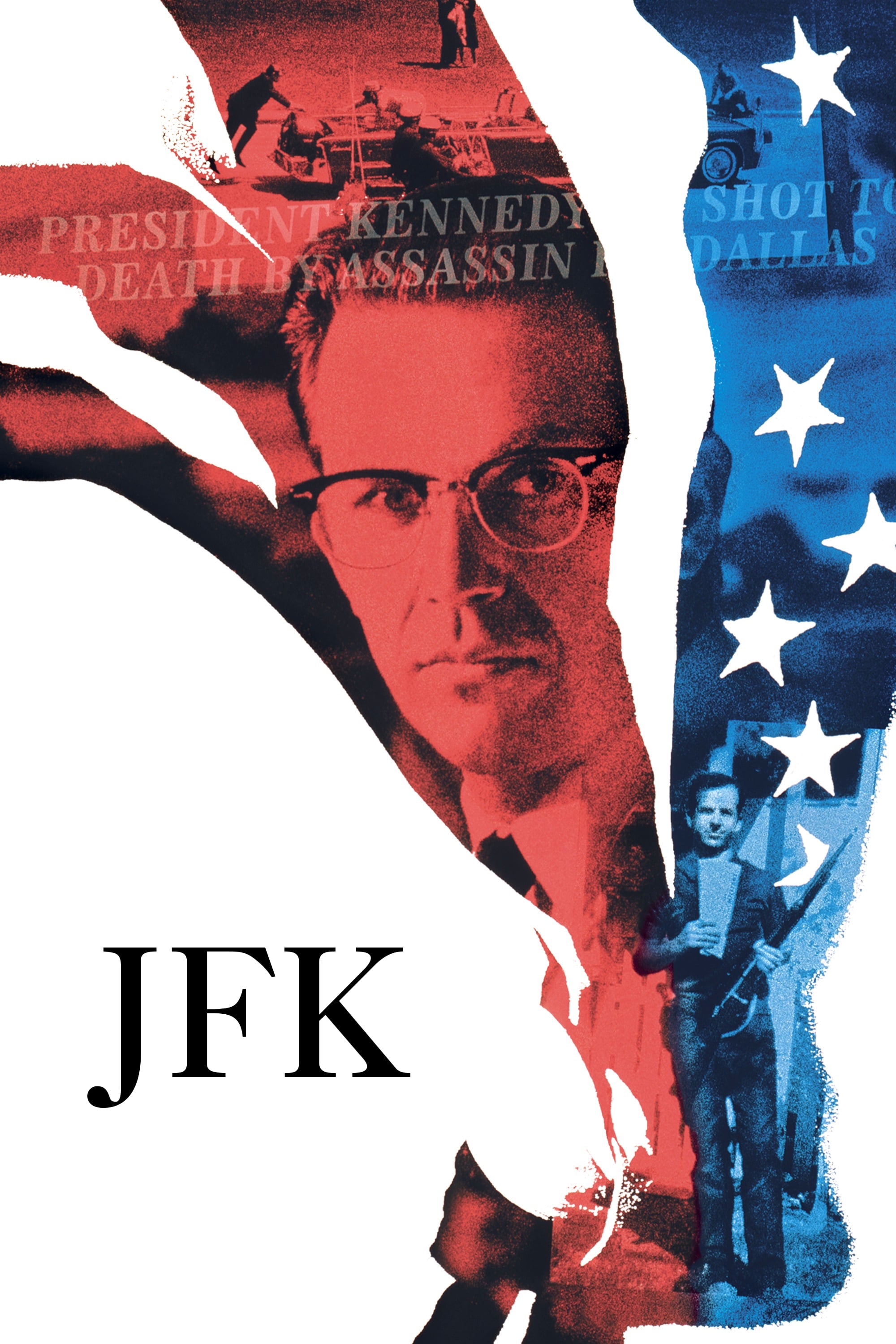

Apex Mountain
Robert Richardson; Oliver Stone; JFK assassination conspiracies; Michael Rooker; Wayne Knight; Zapruder film
In the discussion (11)
- Costner: no; his peak is still Dances With Wolves, which won all the Oscars and made him the new Warren Beatty, with no argument. — Bill Simmons
- Oliver Stone: it might be this, since he got a studio to fund an assassination movie with his made-up theory and made The Doors and JFK in the same year; called a really good case. — Bill Simmons
- JFK assassination conspiracies peaked in the early 90s: agreed. — Bill Simmons
- Michael Rooker: Henry: Portrait of a Serial Killer is his high point, with Henry and JFK in about a two-year span when it was all happening for him. — Bill Simmons
- Henry is recommended as a realistic, disturbing film; one participant recalls seeing it before a game at a theater near BU with seven other men; tangent: Henry and One False Move as a never-sleep-again home double feature.
- Rooker being the most normal-seeming character shows how crazy the movie is; his LBJ argument scene is called absurd and possibly cut down.
- Rooker is praised in Cliffhanger and now in the MCU; one participant has met with him.
- Wayne Knight, no question: Newman at the same time and Jurassic around then.
- The Zepruder (as transcribed) film as Apex Mountain: yes, with a reference to the Time-Life building.
- Also joked about: the Cowboys doing well in '91, and a Zupruder (as transcribed) NFT pushed by Gary Vee. — Brian Koppelman
- Richardson: a filmography spanning Stone's films from Salvador through Nixon, John Sales (as transcribed), Scorsese and Tarantino; at the top of his game here; a jab that he's no Gordon Willis, but flexible with a distinctive blown-out overhead light.
In the discussion (10)
- Stone is said to have sent the script to Costner, Mel Gibson and Harrison Ford. — Bill Simmons
- Gibson is argued as a great, wild-eyed Garrison who would better represent Stone's mind, and who later made Conspiracy Theory; another questions casting an Australian. — Sean Fennessey
- Harrison Ford doesn't make sense but is a big what-if, with a wish he had more movies like this.
- Don Johnson tried hard for Garrison and has post-Miami Vice appeal, but doesn't read smart enough to be the district attorney. — Brian Koppelman
- Jeff Bridges would have been amazing; 'Hank' (as transcribed) might work but may be two years too young and too aw-shucks. — Brian Koppelman
- Will Patton is suggested as David Ferry; Stone wanted James Woods, but Woods wanted to play Garrison. — Bill Simmons
- Frank Whaley was going to be Oswald, and after the part went to Oldman he was made the imposter.
- Willem DeFoe (as transcribed) and John Malkovich turned down the Ferry role; Malkovich in the red wig would have been mind-boggling.
- Stone considered Marlon Brando for Mr. X, joked to need SNL monologue-style cue cards.
- Origin: Stone met Warner Brothers about a Howard Hughes film, but Warren Beatty had the rights, so JFK was the backup pitch; jokes follow about carrying three pitches and a Doug Collins 1972 Olympics pitch.
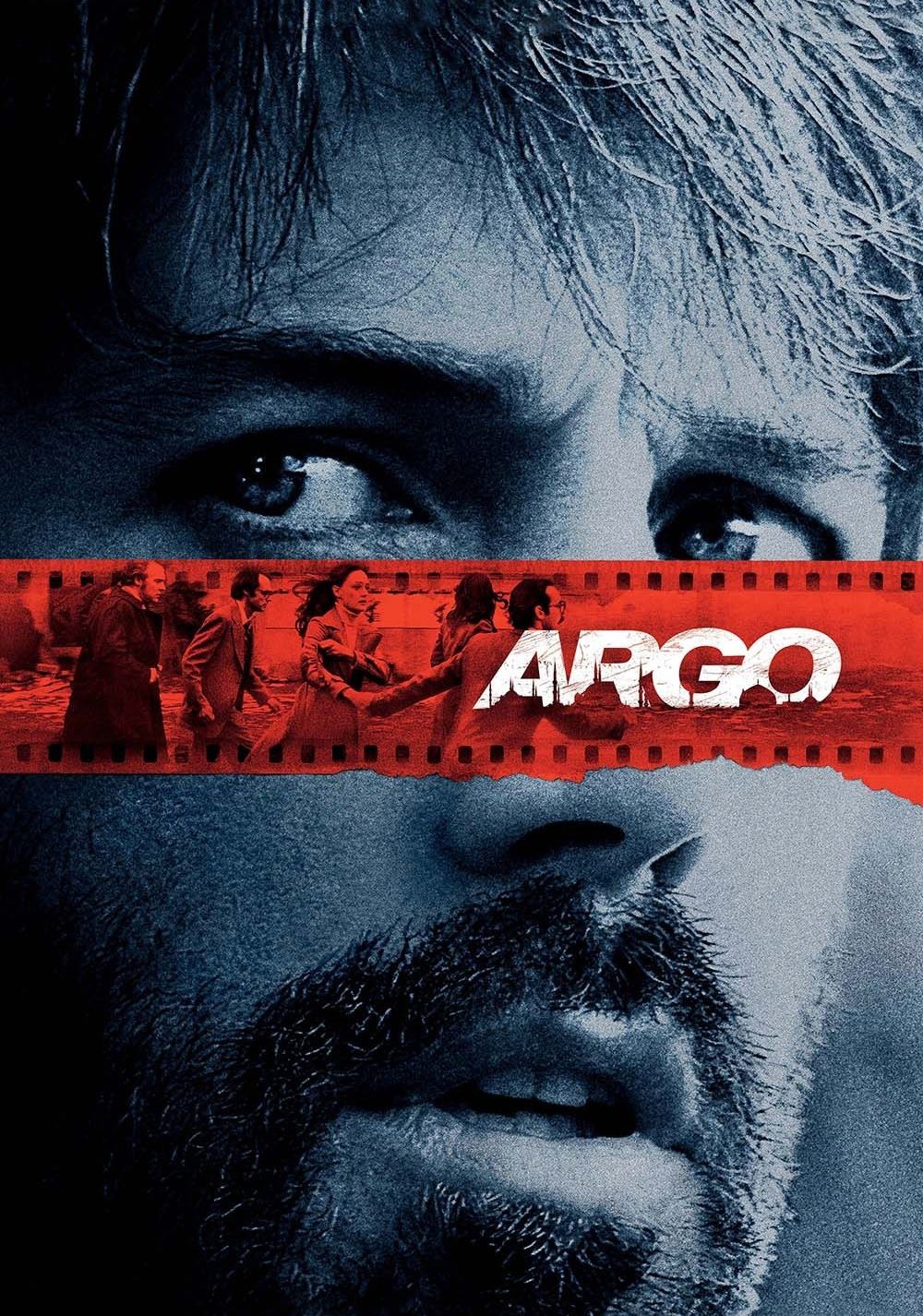

Most Rewatchable Scene
Rescue-plan presentation; airport through the celebration montage
In the discussion (16)
- The storming of the U.S. embassy is the first nominee, an electric eight-minute scene: the dartboard with the Ayatollah picture, the Marine commander going out to reason and being grabbed, and the order not to shoot anyone or start World War III while they burn the classified material. — Bill Simmons
- The opening establishes each of the six, with Tate Donovan leading but an airhead and Scoot as the locker-room guy questioning the coach; small details include a captor taking a woman's glasses. — Chris Ryan
- The frantic destruction of equipment recalls a Grantland one-hour evacuation plan near the end of the ESPN era that was never executed. — Bill Simmons
- Mendez shooting down every rescue plan, such as bicycles 300 miles to the Turkish border with a tire pump, is the next nominee; it is compared to Chuck Kosterman calmly rejecting pitches at Grantland, and the scene is full of that-guy actors like Titus Welliver. — Bill Simmons
- Goodman listening to the plan and the "associate producer at best" exchange lead into meeting Arkin, who is basically playing Alan Arkin with lines like the one about counting the wrinkles on his dog's balls. — Bill Simmons
- Arkin was nominated essentially for playing himself; once Goodman and Arkin arrive, the film gains levity, comedy and sunlit Hollywood scenes. — Bill Simmons
- Arkin buys the script from Richard Kind for $10,000 after the Warren Beatty and unionizing Zulu extras story.
- Mendez meeting the Canadian six ("I get people out"), Scoot's "bad cards" speech and the intense bazaar scouting trip are singled out. — Bill Simmons
- Affleck drilling everyone on their cover stories before the airport is praised as hard, tough-love coaching. — Bill Simmons
- The hosts relate that Led Zeppelin allowed When the Levee Breaks but required the needle to sit near the end of the album side, matching the song's real position, so the shot was redone. — Bill Simmons
- The song is called perfect for the night before the escape while things fall apart back home. — Bill Simmons
- The last-minute ticket scramble with Cranston and the airport checks start the last 20 minutes, called the best part of the film, up to the announcement that alcohol can be served after clearing Iranian airspace. — Bill Simmons
- Scoot explaining the movie premise to the angry guard, the call to Arkin and Goodman and the takeoff are listed. — Bill Simmons
- The celebration montage is a favorite and covers the whole spectrum of celebrations, from Cranston's dry crying and Scoot's handshake to Messina's premature celebration and Arkin and Goodman dancing.
- Asked for a final pick, one participant chooses the presentation of all the different escape plans. — Chris Ryan
- The other pick is the stretch from the airport to the celebration montage, the part that led to watching the film over and over. — Bill Simmons

Casting What-Ifs
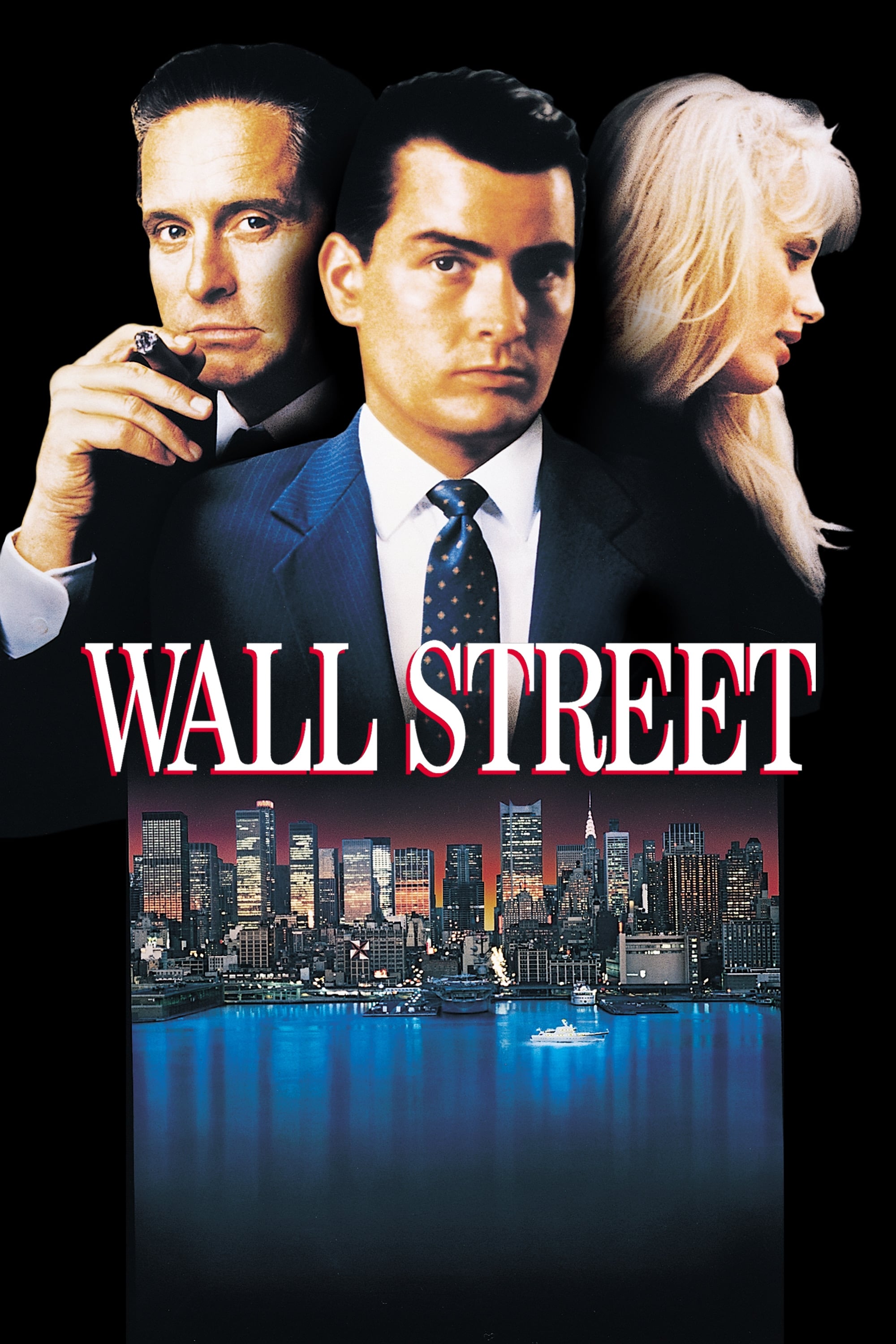
Warren Beatty or Richard Gere as Gecko; Tom Cruise as Bud Fox; Jack Lemmon as Bud's father
In the discussion (9)
- Fox wanted Warren Beatty for Gecko, who wasn't interested; Stone wanted Richard Gear, who passed during a stretch of bad movies. — Brian Koppelman
- Gear would have been good and looked great, as in Internal Affairs, but he does slow burn rather than the verbal pyrotechnics Douglas studies. — Brian Koppelman
- Beatty holds months of conversations and then says no, as he did to Goldman on Misery. — Brian Koppelman
- Gere's "I got nowhere else to go!" is praised, from a movie producer Craig has definitely never seen. — Brian Koppelman
- An internet claim that Pacino turned down Gecko in a 1992 Barbara Walters interview is called bullshit; the guess is that his agent passed on a script Pacino never really wanted. — Brian Koppelman
- Tom Cruise wanted Bud Fox and lobbied Stone, who was committed to Charlie; they later made Born on the Fourth of July. — Brian Koppelman
- Stone gets chippy on the commentary about Bright Lights, Big City shooting at the same time; Michael J. Fox was a miscast there and Downey Jr. would have been a home run. — Brian Koppelman
- Stone offered Charlie the choice of Jack Lemon or Martin Sheen as his father, and he picked his real father. — Brian Koppelman
- Per Stone, Hannah was not happy in the role and he should have let her go; Sean Young almost got fired and a Bud affair storyline was cut. — Brian Koppelman
What’s Aged the Worst?
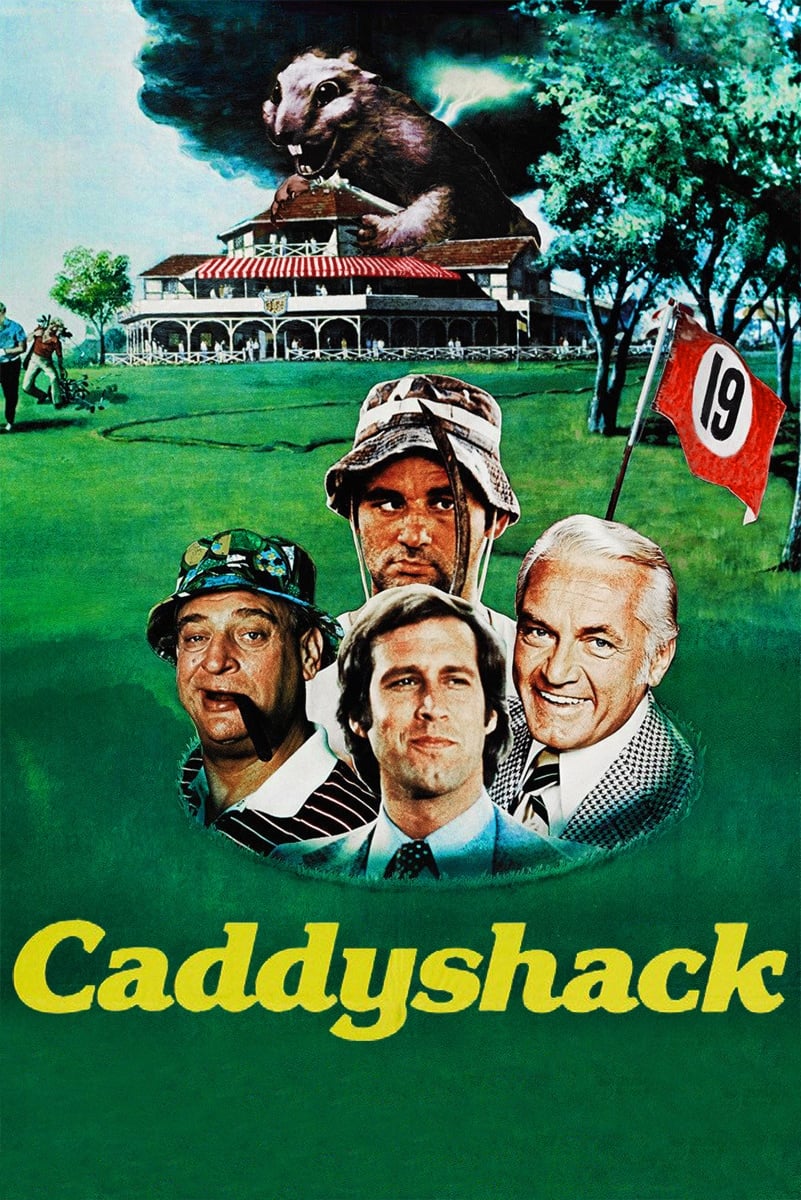
Judge Smales's rough week; bare heads on the course; Caddyshack lines at golf tournaments; Denunzio's swing and outfit; the gopher; Maggie; the Baby Ruth Jaws parody; Lou unfazed by explosions; the John Peters story
In the discussion (10)
- Judge Smales's week is listed (transcribed as "what stage is the worst"): his course blew up, his boat sank, he nearly killed an old lady, learned about his niece and that Ty's dad never liked him, lost an illegal $80,000 match and was chased by Moose and Rocco. — Bill Simmons
- Nobody wears hats; deerstalker-style hats outnumber baseball caps. — Sean Fennessey
- Golf broadcasters forcing Caddyshack lines into tournaments has aged terribly. — Bill Simmons
- Denunzio's corkscrew golf swing (a Rob Deere comparison, and a Chris Ryan joke) and blouse-like outfit are worse; only Danny swings well, and the outfit looks headed to a Chippendales shift. — Bill Simmons
- The gopher is not funny: liking it was once a disqualifier, it was an attempted fifth comedy style like the Muppets or Gremlins, and the sequel doubled down; the reply jokes that Caddyshack 2 never happened. — Sean Fennessey
- Maggie is one of the worst sports-movie characters, with an unexplained Irish accent though actress Sarah Holcomb was American; she is from Animal House and reportedly left acting with mental health problems; the quickly resolved pregnancy subplot was unneeded. — Bill Simmons
- The Baby Ruth bar as a Jaws parody was a great idea in 1980 but is less effective 40 years later. — Bill Simmons
- Lou the Caddymaster stares at Danny's last putt while bombs go off; suggested explanations are Vietnam service or how badly he wanted Smales crushed. — Bill Simmons
- As told on the show, producer John Peters, a former hairdresser said to have inspired Warren Beatty's Shampoo and married Barbara Streisian (as transcribed), arranged a Playboy shoot of Cindy Morgan, threatened her career when she declined, and Ramis cancelled the shoot. — Bill Simmons
- It is said she did not work after that, then noted that she starred in Tron and worked in TV through the 80s and 90s but could have had a much bigger career; it is framed as an early version of a Me Too era story. — Bill Simmons

Casting What-Ifs
Val Kilmer; Al Pacino as Ramsey; Brad Pitt as Hunter; Warren Beatty; Tommy Lee Jones as Ramsey; Tom Cruise as Hunter
In the discussion (7)
- The hosts say Simpson and Bruckheimer offered Val Kilmer a headlining role, which he declined and later regretted; the role was never specified. — Bill Simmons
- Guesses for the Kilmer role are Viggo's part or Hunter, possibly turned down for not being big enough; he could have played every part except Hackman's. — Bill Simmons
- Al Pacino was originally offered Captain Ramsey and would have dialed it up to 90 in his Vincent Hanna zone. — Bill Simmons
- Brad Pitt wanted to play Hunter when Pacino might be Ramsey, then passed when Pacino dropped out. — Bill Simmons
- Warren Beatty was courted, another case of Beatty flirting with a part for a year before declining, as with the Burt Reynolds part in Boogie Nights, which is called the bigger miss; he would not have fit this movie. — Bill Simmons
- Tommy Lee Jones passed on the Hackman part; he would have worked, having done something similar in Under Siege. — Bill Simmons
- Per a Don Simpson interview at Santa Anita, Pitt and Tom Cruise were considered for Denzel's part; Cruise was the first call for such parts for a decade, but it worked out perfectly. — Bill Simmons
Casting What-Ifs
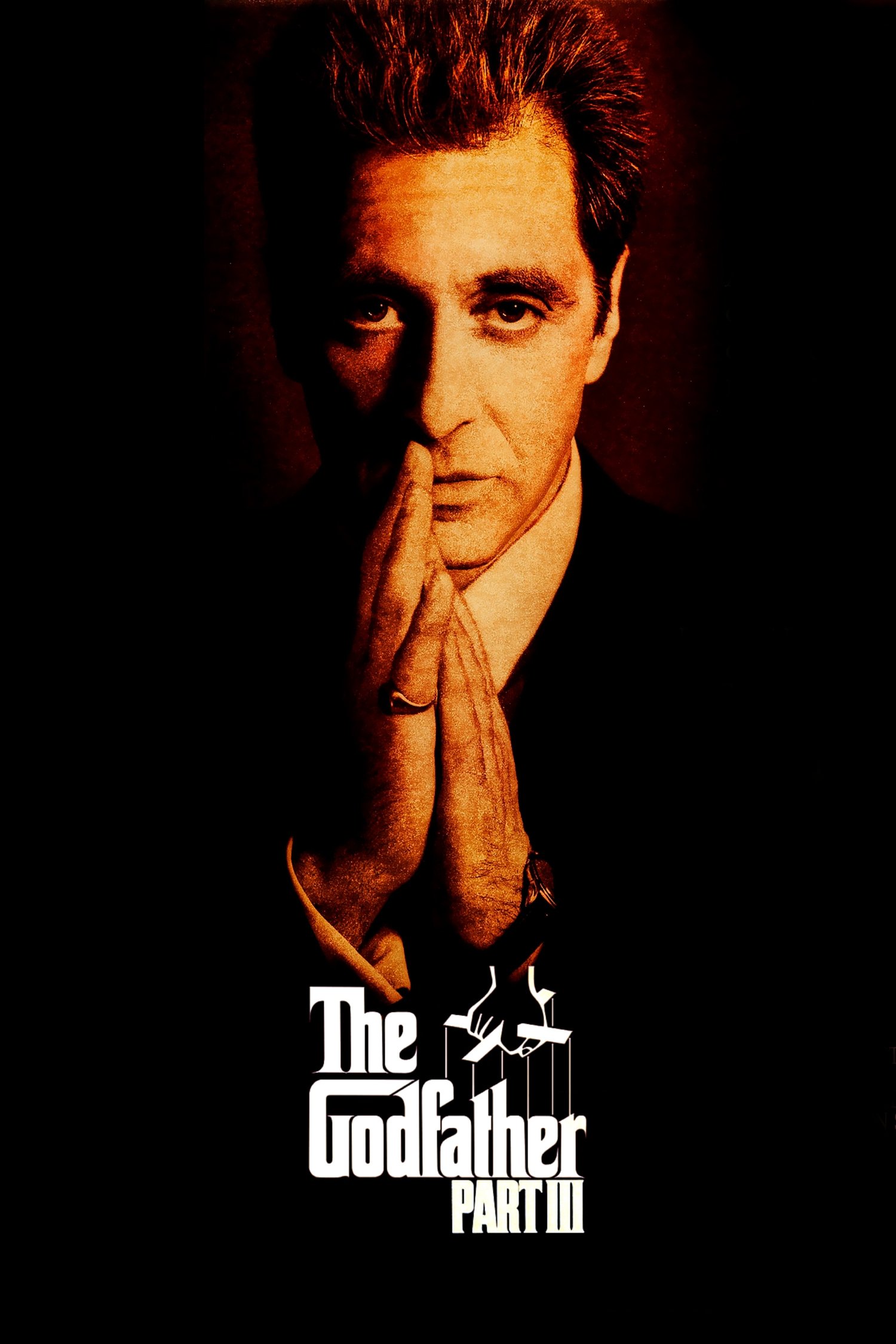
Alec Baldwin as Vincent; Robert De Niro as Vincent; Frank Sinatra as Don Altobello; Joe Spinell as Willie Cicci
In the discussion (7)
- Alec Baldwin as Vincent seems true and may have been his before he dropped out, part of a strange late-80s run of decisions. — Bill Simmons
- Nicolas Cage, a family member, could have been good.
- From internet lists, Tom Cruise, Matt Dillon and Val Kilmer are not believed; Charlie Sheen maybe; Vincent Spano makes sense; Billy Zane is listed; a Luke Perry audition is doubted; where they landed was right. — Bill Simmons
- De Niro wanting to play Vincent, with Pacino aged up, seems true; Coppola did think about it. — Bill Simmons
- Sinatra for Altobello is carried into the what-ifs alongside the names mentioned for Vincent. — Bill Simmons
- The actor who played Willie Cicci (transcribed "Joe Spinelli") was supposed to work for Zasa but died before the movie, so the character was written out. — Bill Simmons
- Paramount approached Sly Stallone, Scorsese, Cimino and Warren Beatty over the years; in the early 80s Stallone was to write and direct with John Travolta, and there is an internet rumor that Eisner took a run at the script.
Casting What-Ifs
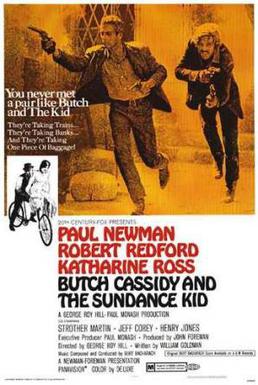
Steve McQueen as Sundance, out over billing; Jack Lemmon and Warren Beatty turned Sundance down; Zanuck's split-prints billing idea; Redford a near-unknown; Natalie Wood considered for Etta
In the discussion (8)
- Redford was not the original Sundance: Jack Lemmon was offered the part, at Goldman's suggestion, and turned it down feeling he had played too many aspects of the character; Warren Beatty turned it down as too similar to Bonnie and Clyde; Steve McQueen was in, and the title was to become The Sundance Kid and Butch Cassidy because McQueen considered himself the bigger star than Newman.
- The fight over whether McQueen or Newman would be billed first drove McQueen off the movie; asked whether this is true, one participant confirms that kind of nonsense happens all the time, over billing and over parts not taken.
- Fox president Daryl Zanuck (as transcribed) made the unusual suggestion that half the prints bill Newman first and half McQueen, McQueen refused and left, and they got Redford, a handsome theater actor nobody knew, known if at all for urbane Neil Simon comedy like Barefoot in the Park; he has maybe a hundred words in the movie, becomes a giant star in four expressions, gives a great performance, and played men of few words for the rest of his career, even as Bob Woodward.
- The long sepia close-up when Redford is first met, held while someone else talks, is one of the all-time close-ups and became a Redford signature, a good editing-room decision; Goldman wrote that Newman's people, not Newman himself, were upset by all the Redford close-ups and worried Redford would steal the movie.
- Natalie Wood was considered for Etta.
- Catherine Ross was in The Graduate, the biggest movie of the year before, then in this, the biggest movie of its year, and was in pole position as the good-looking actress of choice, but did not want that power, toned it back, did some stage work and the moment left; Anne Bancroft was only three or four years older than her in The Graduate.
- Goldman was unsure whether the real Etta was a schoolteacher or a prostitute and, from how pretty and cleanly dressed she was in photos, chose to believe schoolteacher, though the historical record is fuzzy; it would have been unusual for a woman of about 24 to be unmarried.
- Ally McGraw (as transcribed) of Love Story was the market correction, though Ross, the better actress, could have corrected her back and instead gave up, with Mia Farrow and Ellen Burstyn the other big actresses; research suggests Ross was difficult and disliked making movies; she met Sam Elliott, a card player with a very small role here, did not date him, and married him fifteen years later.
Casting What-Ifs
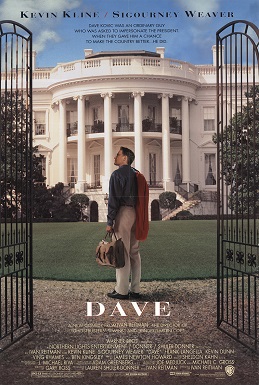
Arnold Schwarzenegger batted around when Warner Brothers wanted a box-office star; Warren Beatty and Kevin Costner considered, with Beatty bringing Dave to Ivan Reitman; Robin Williams considered; Kevin Kline almost turned it down as too close to his A Fish Called Wanda character
In the discussion (3)
- Warner Brothers wanted a box office star and Arnold Schwarzenegger was batted around at one point, which is weird for a variety of reasons, though a host jokes he could have pulled off the Laura Linney cheating scenes; both Warren Beatty and Kevin Costner were considered, and Beatty took it seriously enough that after deciding not to do it he brought Dave to Ivan Reitman, which is how Reitman got the movie.
- Costner is interesting but one voice doesn't think it works; he had the most power of his career right around then and basically plays Bob Alexander in 13 Days (as transcribed), so he has some interest in the executive branch; Kevin Kline almost turned it down because he thought the character was too close to his Fish Called Wanda character, which none of the hosts can see.
- Casting what-ifs are blown early: this was almost a Robin Williams movie, which is 90% likely a disaster and 10% likely a reined-in Dead Poets Society performance; Kevin Kline being such a good and subtle actor keeps the ridiculous premise from becoming a circus show of clown ideas, whereas Williams's big expressive face riding that pig would make you ask what ridiculous movie this is, and how could two people look like Robin Williams.

In the discussion (14)
- Burt Lancaster and Laurence Olivier were considered for Vito Corleone. — Bill Simmons
- Marlon Brando’s contested casting and screen test are recounted. — Sean Fennessey
- George C. Scott is discussed as a possible Vito. — Sean Fennessey
- Mia Farrow auditioned for Kay. — Bill Simmons
- Warren Beatty was considered for Michael and around directing. — Bill Simmons
- Jack Nicholson was considered for Michael. — Bill Simmons
- Ryan O’Neal was Robert Evans’s preferred Michael. — Bill Simmons
- Robert Redford was considered for Michael. — Bill Simmons
- Dustin Hoffman auditioned. — Bill Simmons
- Martin Sheen auditioned. — Bill Simmons
- James Caan tested for Michael and Tom before moving to Sonny. — Bill Simmons
- Carmine Caridi was originally slated for Sonny. — Bill Simmons
- Robert De Niro left the Paulie role for The Gang That Couldn’t Shoot Straight. — Bill Simmons
- Sylvester Stallone unsuccessfully auditioned for Paulie and Carlo. — Bill Simmons

What’s Aged the Best?
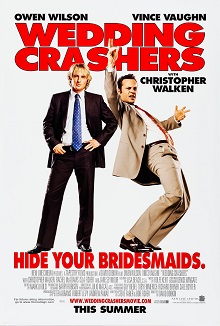
The painting; Coldplay's Sparks; Isla Fisher; Bradley Cooper as Sack Lodge; the Wilson and Vaughn banter; the soundtrack; the wealthy DC-area setting; Bradley Cooper shooting Vince Vaughn with birdshot months before Dick Cheney's hunting accident
In the discussion (9)
- The painting still really makes one host laugh, and Coldplay's Sparks might be the band's best song 15 years later and a perfect part of the movie; a host recalls hearing it in college and expecting a different kind of band, with Sparks here and Don't Panic in Garden State becoming part of those movies.
- Isla Fisher has probably never been better; she did a karaoke version of this role in Tag this year, people thought she would be a huge movie star before she married Sasha Baron Cohen (as transcribed) and got sidetracked, and worst case she should have had a seven-year sitcom; the pronunciation of her first name is corrected.
- Bradley Cooper as a preppy dick plays well against his later backstory: after Alias he worried about being typecast as a nice guy, and Sack Lodge is a Hall of Fame dick with no redeeming quality, talking about other women and sharing the private eye conversation with Trapster; if made in 2018 he would have a line about golfing with Don Jr.
- It is hard to believe nobody knew Cooper would be a star; one host watched Alias religiously and found his best-friend role bland and one-note; he was only 30 here and graduated from Georgetown in 97, and unlike Vaughn and Wilson he took control of his career, from All About Steve, Valentine's Day and the A Team through Limitless, Place Beyond the Pines and Silver Linings, aiming to be Warren Beatty, Redford or Eastwood.
- Limitless is when one host believed in Cooper, since a premise that stupid only works if you like the lead; he has withstood Aloha, Burnt, Joy and the barely released Serena, and a Burnt digression follows: one host's wife loves kitchen movies like Under the Tuscan Sun, Unfaithful and No Reservations, Cooper is good in Burnt even though the movie does not work, and Daniel Brühl is the maitre d'.
- Cooper saved his career with voice acting: Rocket Raccoon in Guardians of the Galaxy without the green screen work Chris Pratt does, and the boyfriend's voice in 10 Cloverfield Lane; the Hangover sequels were his torn ACL, with Hangover 3 excruciating.
- While researching A Star Is Born, a host read that Cooper talked to Clint Eastwood about directing while making Sniper and was told Clint did Play Misty for Me at 41; the hosts love the heat check of entering the Clint conversation, are all in on the directing career and the coming promo tour in a denim jacket, and note Clint is making The Mule.
- Also aged well: the Wilson and Vaughn repartee; a pretty good soundtrack for a broad Hollywood comedy, with In the Summertime on the bicycles, Rod Stewart's Stay With Me and the Coldplay song as big set pieces; and the wealthy DC area in summertime, which was supposed to be Boston and Cape Cod around the Kennedy compound, though you cannot tell it was 130 degrees when they filmed.
- A late addition: Bradley Cooper shooting Vince Vaughn in the backside with birdshot approximately eight months before Dick Cheney shot somebody in the face in a similar environment.

