Soundtrack and Aykroyd are considered; Belushi is chosen for irreplaceable acting, while Aykroyd’s inspiration or story receives a separate preference rather than screenplay. — Bill Simmons
Belushi’s actual awards competition is considered formidable, with replacing Jack Lemmon’s Tribute nomination a possibility but beating De Niro unlikely.
The original-screenplay nominees were this film, The China Syndrome, Manhattan, All That Jazz and winner Breaking Away; the winner is respected but a retrospective result is uncertain. — Bill Simmons
The film reportedly cost $4 million and earned $33 million. — Wesley Morris
The production is reported to have filmed entirely in Baltimore; the claim of 26 performances of the final speech is corrected to 26 rehearsals.
Jewison’s commentary reportedly attributes the gun-firing judge to a real Texas judge. — Bill Simmons
The coffee-cake scene reportedly required 26 takes and made Warden vomit from overeating. — Bill Simmons
Levinson’s courtroom research emphasized misleading first impressions and the distinction between truth and justice; the theme is connected to Homicide: Life on the Street. — Bill Simmons
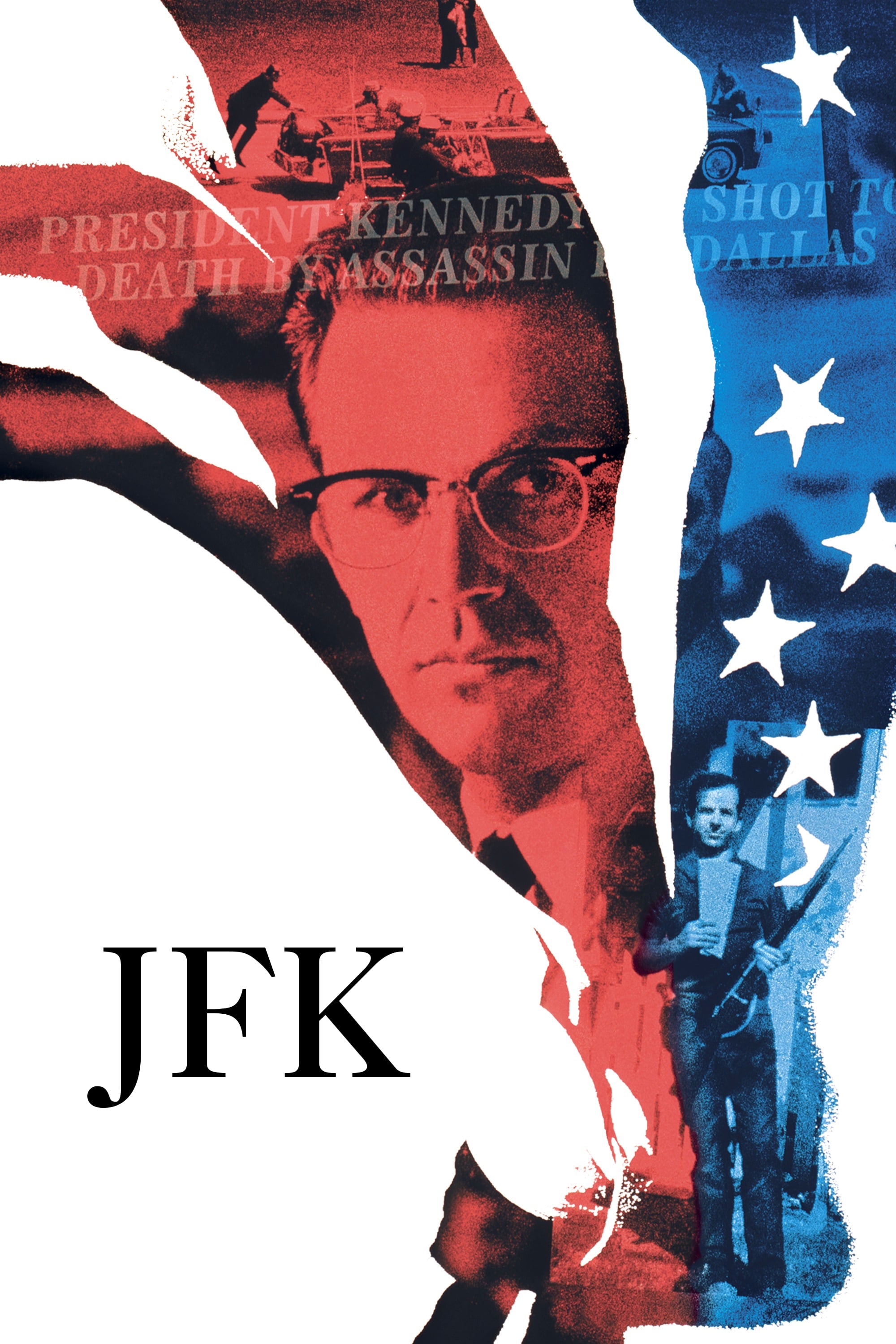
Costner's 'ashamed to be an American' moment and his New Orleans walk with his investigators, pointing out the FBI, CIA, Secret Service and O&I buildings, are nominated; the editing is praised. — Bill Simmons
The New Orleans scenes make participants want to drink and smoke; New Orleans is called the only place one participant still smokes.
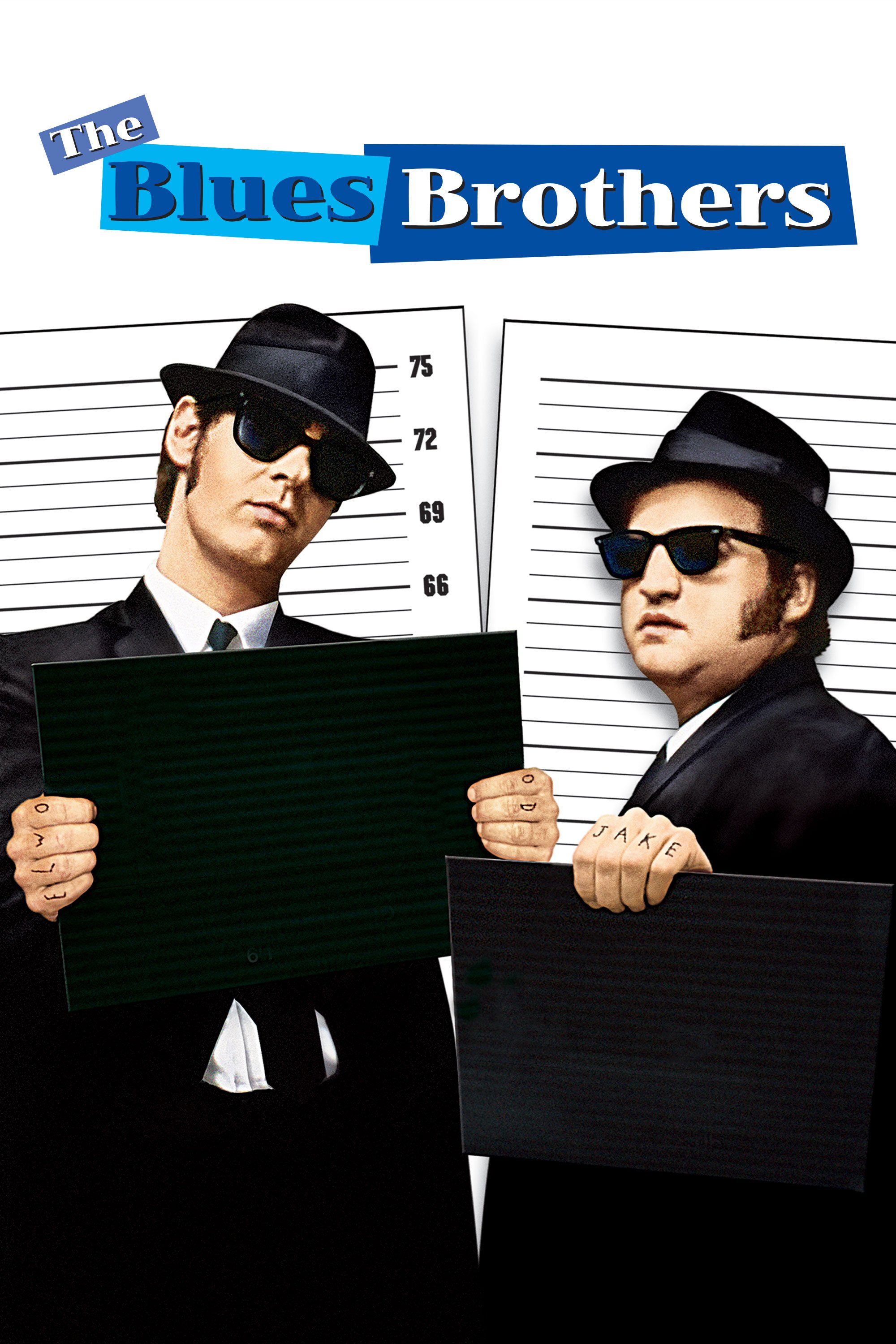
John Candy's big scene is quoted at length: the big enchilada, a mouse fighting a gorilla, Kennedy as dead as that crab meat, and 'Daddy-o'; his moving sunglasses are praised.
Asked when Candy died, the joking reply is that 'they killed him'. — Bill Simmons
The hosts want to work Candy's 'any idea what you're getting into, Daddy-o' line into NBA conversations, such as Lakers defense and Frank Vogel.
Kevin Bacon's prison scene is quoted; he 'hits a four-three from 30 feet', culminating in a crude line one participant can't believe was in the script, likened to Ashley Schaeffer from Eastbound & Down. — Chris Ryan
Pesci's last big scene ('a mystery wrapped in a riddle inside an enigma', 'the shooters don't even know') is called great, though Pesci is said to dial it up too much. — Chris Ryan
Pesci's wig is called out of control, and he never inhales while smoking, compared to Tom Cruise smoking.
The first Pesci interrogation and the way Costner comports himself in the Sunday detention scene are singled out as a movie-star sequence noticed in the theater. — Brian Koppelman
Setting the film in New Orleans lets the actors play Foghorn Leghorn, and Richardson's frames are packed with layers, such as the flambe in the restaurant scene. — Brian Koppelman
For the Mr. X scene, Dale Die (as transcribed) wearing aviator sunglasses indoors is praised, and Garrison appearing as Earl Warren is a moment one participant rewinds to watch.
Anecdote: after moving to Los Angeles to work for Grantland, one participant repeatedly made his wife and a friend's wife watch the Mr. X scene on Friday nights to show how the two friends talk; they never enjoyed it. — Sean Fennessey
The Mr. X scene is compared to the 35-minute Boogie Nights sequence at Jack Horner's house as a mega-sequence. — Bill Simmons
Two more nominations: Jim explaining the magic bullet theory, iconic once Seinfeld grabbed it, and 'back and to the left' leading to the big monologue. — Bill Simmons
'X is the answer' is stated over the John Candy scene, while another participant votes for the John Candy scene but says they understand.
Also praised: the Clay Shaw interrogation, Jack Lemmon at the horse track, and Ed Asner beating up Lemmon's character at the opening. — Brian Koppelman
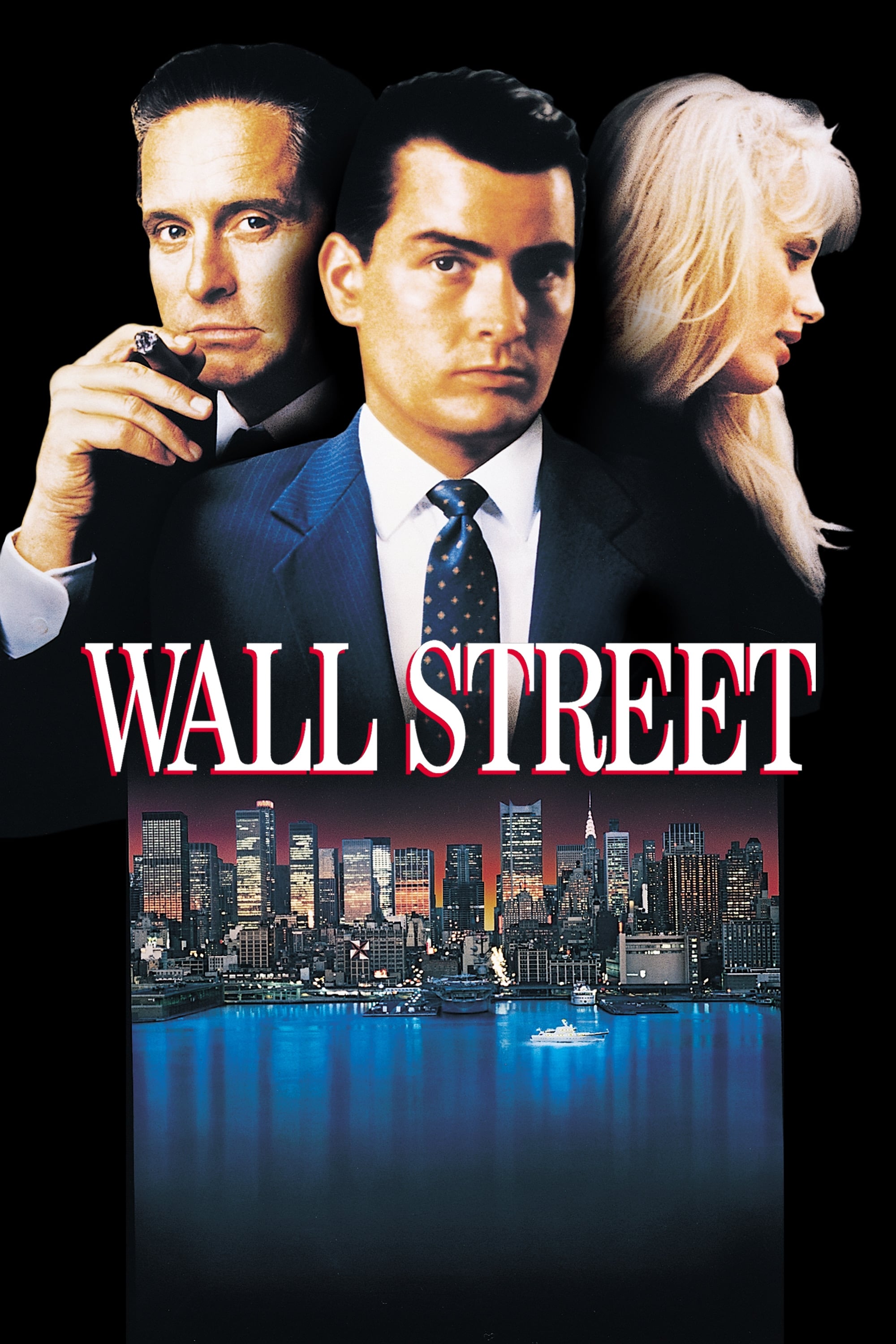
Fox wanted Warren Beatty for Gecko, who wasn't interested; Stone wanted Richard Gear, who passed during a stretch of bad movies. — Brian Koppelman
Gear would have been good and looked great, as in Internal Affairs, but he does slow burn rather than the verbal pyrotechnics Douglas studies. — Brian Koppelman
Beatty holds months of conversations and then says no, as he did to Goldman on Misery. — Brian Koppelman
Gere's "I got nowhere else to go!" is praised, from a movie producer Craig has definitely never seen. — Brian Koppelman
An internet claim that Pacino turned down Gecko in a 1992 Barbara Walters interview is called bullshit; the guess is that his agent passed on a script Pacino never really wanted. — Brian Koppelman
Tom Cruise wanted Bud Fox and lobbied Stone, who was committed to Charlie; they later made Born on the Fourth of July. — Brian Koppelman
Stone gets chippy on the commentary about Bright Lights, Big City shooting at the same time; Michael J. Fox was a miscast there and Downey Jr. would have been a home run. — Brian Koppelman
Per Stone, Hannah was not happy in the role and he should have let her go; Sean Young almost got fired and a Bud affair storyline was cut. — Brian Koppelman
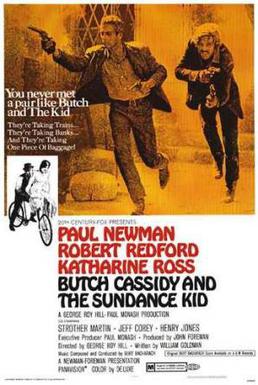
Redford was not the original Sundance: Jack Lemmon was offered the part, at Goldman's suggestion, and turned it down feeling he had played too many aspects of the character; Warren Beatty turned it down as too similar to Bonnie and Clyde; Steve McQueen was in, and the title was to become The Sundance Kid and Butch Cassidy because McQueen considered himself the bigger star than Newman.
The fight over whether McQueen or Newman would be billed first drove McQueen off the movie; asked whether this is true, one participant confirms that kind of nonsense happens all the time, over billing and over parts not taken.
Fox president Daryl Zanuck (as transcribed) made the unusual suggestion that half the prints bill Newman first and half McQueen, McQueen refused and left, and they got Redford, a handsome theater actor nobody knew, known if at all for urbane Neil Simon comedy like Barefoot in the Park; he has maybe a hundred words in the movie, becomes a giant star in four expressions, gives a great performance, and played men of few words for the rest of his career, even as Bob Woodward.
The long sepia close-up when Redford is first met, held while someone else talks, is one of the all-time close-ups and became a Redford signature, a good editing-room decision; Goldman wrote that Newman's people, not Newman himself, were upset by all the Redford close-ups and worried Redford would steal the movie.
Catherine Ross was in The Graduate, the biggest movie of the year before, then in this, the biggest movie of its year, and was in pole position as the good-looking actress of choice, but did not want that power, toned it back, did some stage work and the moment left; Anne Bancroft was only three or four years older than her in The Graduate.
Goldman was unsure whether the real Etta was a schoolteacher or a prostitute and, from how pretty and cleanly dressed she was in photos, chose to believe schoolteacher, though the historical record is fuzzy; it would have been unusual for a woman of about 24 to be unmarried.
Ally McGraw (as transcribed) of Love Story was the market correction, though Ross, the better actress, could have corrected her back and instead gave up, with Mia Farrow and Ellen Burstyn the other big actresses; research suggests Ross was difficult and disliked making movies; she met Sam Elliott, a card player with a very small role here, did not date him, and married him fifteen years later.