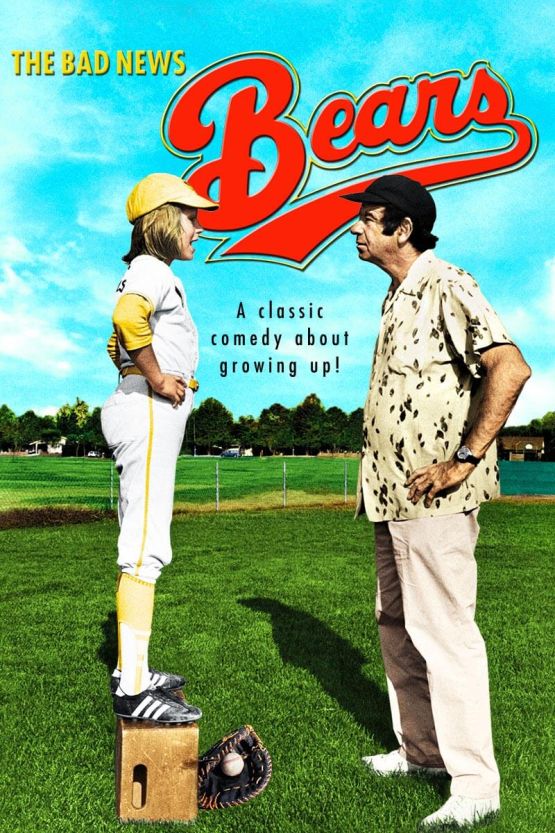
The film is described as the first sports comedy centered on children and an early critique of overbearing youth-sports parents. — Bill Simmons
Matthau’s Tony, supporting Oscar, two lead nominations and ten Lemmon collaborations are recalled. — Bill Simmons
O’Neal reportedly recalled Tarantino’s first fan letter and an uncomfortable later request to wear her childhood Bears uniform. — Bill Simmons
A 9 million budget,43 million gross and tenth-place 1976 ranking are reported, alongside Rocky’s success as a sports-film turning point. — Bill Simmons
The child actors’ ages are listed: Lupus six, Miguel eight, Tanner ten, Ahmad, Amanda and Engelberg twelve, Ogilvie thirteen, and Toby, Kelly and Rudy fourteen. — Bill Simmons
The Aguilar actors reportedly did not speak Spanish and were taught their lines, despite playing boys who could not speak English. — Bill Simmons
Reported compensation was $750,000 plus ten percent of theatrical box office for Matthau and $350,000 plus a profit percentage for O’Neal. — Bill Simmons
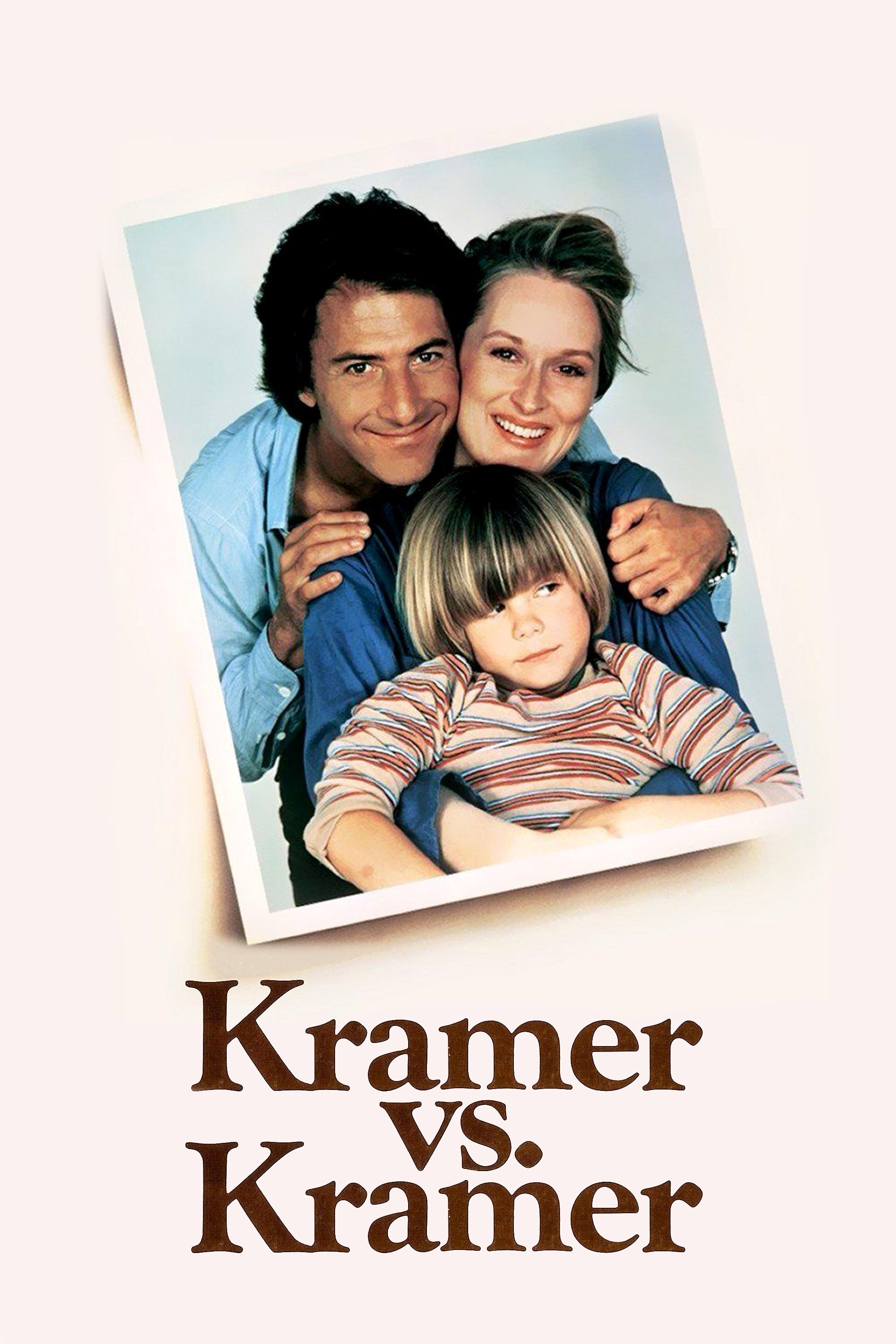
The lawyers are the one place the film could have cast bigger; James Mason as in The Verdict is floated as possible double duty for Joanna's side. — Bill Simmons
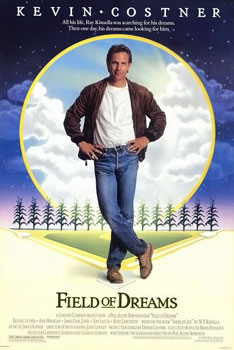
The internet claims Tom Hanks was offered Ray Kinsella and turned it down, though nobody knows if it happened and a host will ask him if he's ever on a podcast; Costner wasn't considered because they thought he wouldn't follow Bull Durham, then got interested thinking it would be this generation's It's a Wonderful Life, which it probably is.
There are strands of Jimmy Stewart, especially Harvey; late-80s Hollywood, often Castle Rock, made throwbacks to Capra like City Slickers and Big, and Robin Williams tried to make that movie four times, What Dreams May Come being the worst version of this one.
Jimmy Stewart was ironically the original choice for Moonlight Graham and turned it down; Burt Lancaster turned it down too, then a baseball-fan friend told him he had to do it.
Earlier, during the scene nominees: Lancaster's last movie, and the part was supposed to be or offered to Jimmy Stewart. — Chris Ryan
First nominee: Ray meets Shoeless Joe, is this heaven, no it's Iowa; a quick Liotta imitation; this was a year before Goodfellas, when he was a critic's darling after Something Wild; he still has never seen the movie and thought the script was dumb.
Liotta plays Joe Jackson like a sensitive, dew-eyed guy from 1989 rather than a period Black Sox type, which is perfect because he seems like a ghost who doesn't know he is one; a Chantix commercial with him in the cornfield and a second-half-of-Goodfellas Henry Hill emerging from the corn are joked about.
Second nominee: Ray goes to Cambridge in his Volkswagen van and meets Terrence Mann; the finger-or-gun exchange is played, the door slamming is really funny, and Mann flips fast once Ray brings up John Kinsella (transcribed 'John Consala'); great suspenders and belt.
The two hosts who have spent time in Boston are asked whether there really are that many Jewish people there, since the street looks like half of Brooklyn with Hebrew letters on windows; the Boston exteriors were apparently filmed in Dubuque with after-the-fact wide shots, though they obviously shot at Fenway.
Third nominee: after Fenway, Mann pretends he didn't see the scoreboard, drops Ray off, then is standing in the street; the Moonlight Graham, you saw it exchange is recited, New York Giants 1922, one game, never batted, Chisholm, Minnesota; that part is amazing.
Fourth nominee: the nighttime scrimmage with Archie, the first time Frank Whaley walks out, ghosts playing at 9:30 with Amy Madigan turning the lights on, the most baseball in the movie, a four-minute sequence.
A host doubts they could hit fly balls to a ghost who showed up in the backyard; the counter is that Ray had been prepping, taking BP every day; the one caveat is that Costner wears Timberlands the entire movie rather than Chucks or running shoes.
The James Earl Jones speech and the actual ending round out six nominees; the Beulah and Annie scene is rejected as padding rewatchable stats; Moonlight's sacrifice, Karen falling and being saved, is counted as its own scene separate from the catch with dad.
The opening catch-up montage is really good where it goes wrong in so many movies, and a secretly great choice is that the voice comes in the first scene with no thirty-minute build-up of farm life; Amy Madigan is quirky enough to buy it, unlike one host's wife, and she asks whether it's acid.
Ray meeting Moonlight for the first time and walking back to his office is poetry, resonant though removed from the climax; the rack focus to The Godfather on the marquee; the magic realism works seamlessly and the story is about life rather than baseball or fantasy.
Burt Lancaster's last movie, and the part was supposed to be, or at least offered to, Jimmy Stewart, blurted early and rebuked for stepping on half-assed internet research. — Chris Ryan
Ray simply accepting that it's 1972 is not ridiculous at all, which is why it is more a fantasy movie than a baseball movie.
One pick is when Ray goes to Boston: great chemistry, the reclusive countercultural icon surrounded by tapes and books who wants to be left alone, the locks on his doors; the last thirty minutes can only be watched once a decade, like dialing it up on YouTube to cry it out.
Seeing Terrence Mann for the first time has become a favorite, a well-written, well-acted five minutes, with a wish for four hours of deleted van small talk; the 1989-era library research for the old interview mentioning Ebbets Field is loved, as is Mann's heartbreak at not remembering and the you're from the 60s line.
Another pick is Moonlight crossing the line to save Karen and Ray's oh my God, you can't go back, the first thing that comes to mind about the movie, more than the catch; it is the emotional gut punch where every theme and tension, hope, purpose, sacrifice, is realized in one second.
A sneaky good scene is picking up Frank Whaley hitchhiking, the I need good karma line and his day-job baseball towns, looking like he's in Stand By Me; a host promises to ruin that scene later.
A further pick is when he sees Terrence Mann for the first time, and then really the pick is the James Earl Jones speech, with all the ghosts stopping to watch; baseball's a part of us, Ray.