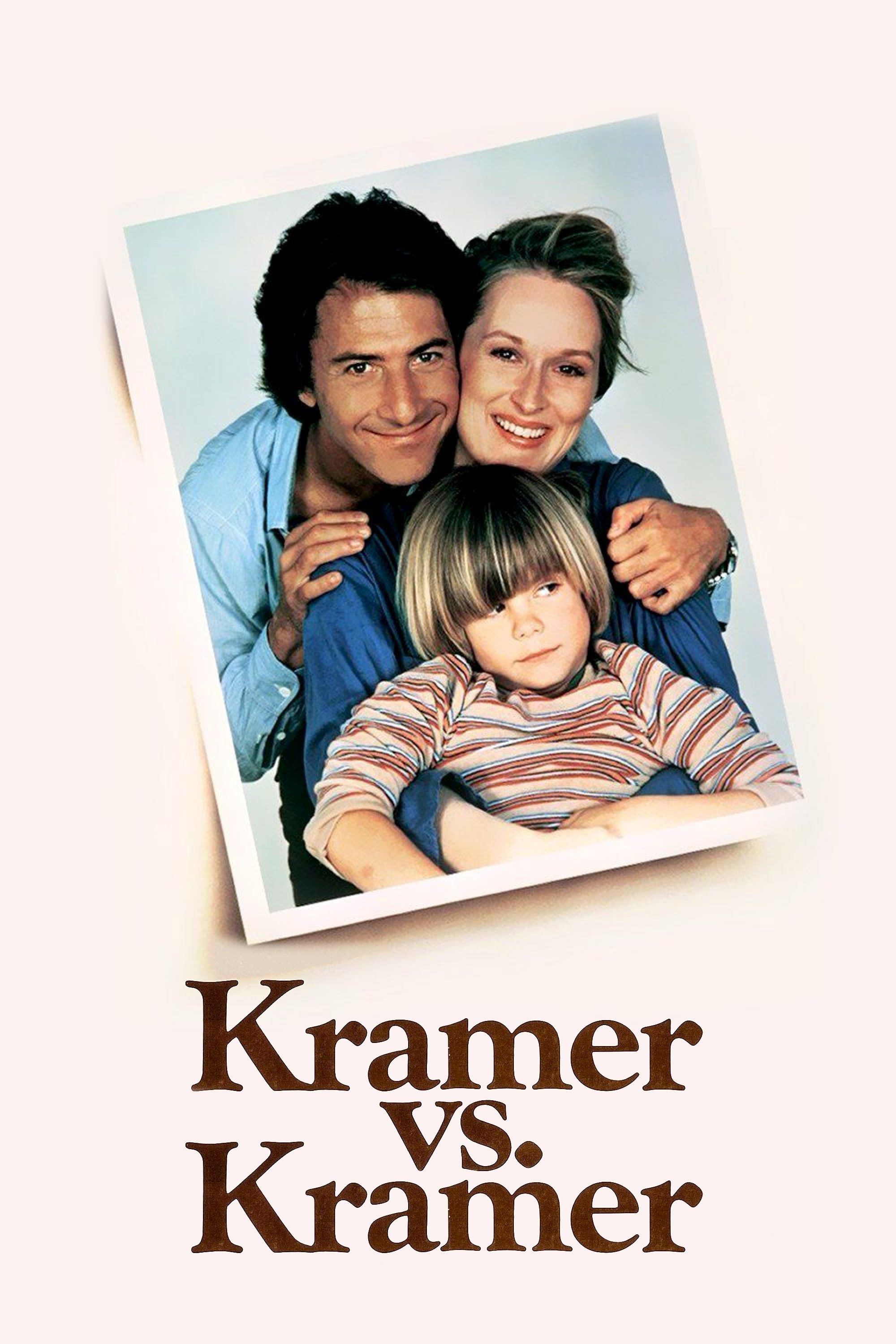
The supposedly elite assassins run awkwardly and look insufficiently formidable. — Bill Simmons
The limousine sex scene has corny music and unclear positioning. — Bill Simmons
The long-term embedded Russian-spy model feels dated relative to modern technological espionage, although Russian spying itself remains active. — Bill Simmons
Howard Duff is underused in a role lasting roughly a scene and a half.
Young’s reported account of Donaldson requiring her to expose herself at an audition is condemned. — Bill Simmons
The extended overseas rescue and Manila detour seems excessive for its narrative purpose, despite a defense of establishing Tom’s hero status. — Bill Simmons
The phantom-submarine subplot receives too little explanation for its importance. — Chris Ryan
Costner listing Russian authors is proposed as a weakness, with an immediate objection.
Scott participates in an outdated stereotype of the hysterical queer villain, even though the performance remains entertaining. — Bill Simmons
The supposedly sexy film has awkward haircuts for Susan, Tom, Scott and party guests.
The lawyers are the one place the film could have cast bigger; James Mason as in The Verdict is floated as possible double duty for Joanna's side. — Bill Simmons
The film is called impeccably acted, so the award is initially declined. — Bill Simmons
Howard Duff is reluctantly nominated, since his courtroom character deliberately works the room with staged drama, and the award is given to him. — Mallory Rubin
The answer has to be George Coe, who plays Ted's boss and appeared in first-season SNL sketches when older actors were needed; he is also remembered as the judge in The Mighty Ducks. — Bill Simmons
Craig is cited as always saying the category gets really tough when they go this late for a movie. — Bill Simmons
Howard Duff is floated as an alternative and praised for one of the great voices; a possible Dallas run is raised but not confirmed.