Cannon is initially selected as eligible, with Grodin another possible choice. — Bill Simmons
Warden or Mason are proposed, but Warden is in too much; Mason is kept while Cannon’s Oscar nomination and disputed billing complicate the conversation. — Bill Simmons
Deacon Jones is then offered for a few lines, receiving assent; no clear unanimous winner resolves all prior choices. — Bill Simmons
A hot take calls Foley slightly overrated because the showy yelling role is easier than Gere, Winger and Keith's internal emotional parts, while stressing admiration for Gossett's talent. — Sean Fennessey
Diggstown is named as a favorite Gossett performance. — Sean Fennessey
Gossett's Oscar competitors are considered, with particular admiration for James Mason in The Verdict and doubt about choosing against him. — Bill Simmons
A defense argues Foley could have become cartoonish but Gossett's intensity and glimpses of heart prevent that, including his reaction to Mayo helping Seeger. — Bill Simmons
A hot take defends Lynette as a straight shooter whose motives are understandable despite her conduct.
Gere is called the worst movie kisser for swallowing faces and gripping jaws; a dissent sees unusually convincing desire instead.
The lawyers are the one place the film could have cast bigger; James Mason as in The Verdict is floated as possible double duty for Joanna's side. — Bill Simmons
Carl’s street robbery for passwords and conspicuous office fraud are mocked; drug use is an inference explicitly never shown. The mob lawyer’s openness and Sam’s obliviousness compound the implausibility.
Willie returning to Molly’s apartment after she saw the killing seems reckless; $80,000 is considered a poor share for the crimes. — Bill Simmons
Molly should ask many questions about death, exclusivity and moving on; her lack of curiosity is challenged and partly defended as shock. — Bill Simmons
Sam can shove Willie and move objects but cannot touch Molly; an anger-based training explanation is accepted. — Bill Simmons
Carl’s hell sentence is questioned because he ordered a robbery rather than a killing; an objection points to greed rather than any benevolent motive. The debate asks about the risk of hell for Sam if he pushes Willie to his death, versus possible immunity while in purgatory, without resolving the rules. — Bill Simmons
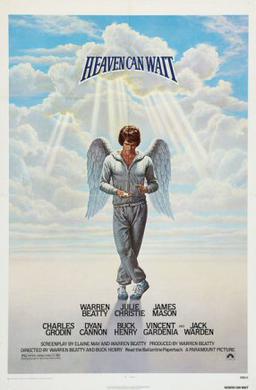
Heaven Can Wait is praised, with James Mason and Buck Henry recalled as authority figures; Defending Your Life supplies a legal-system comparison. Demotion is questioned, and purgatory in New York is contrasted with fewer opportunities for wrongdoing in the woods. The medium’s message that others are waiting is taken to mean his time is limited and a higher authority decides.