
Film credit
Charles Grodin
Also referred to as Grodin, Charles Roden, Groden, Charles Gordon, Gerdin, Chuck Grodin, Charles Groban, Charles Groen, Crodin
Stats
- Episodes featuring their films
- 4
- Movies in this archive
- 5
Rewatchables episodes featuring Charles Grodin’s films
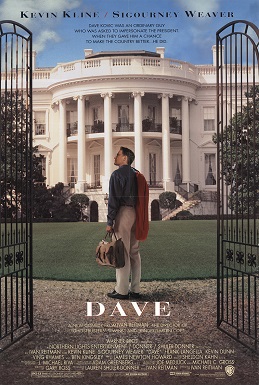
So I Married an Axe Murderer
1993 film
Bill Simmons · Chris Ryan · Sean Fennessey
Aired October 17, 2023

Mentioned in discussions

Sequel, Prequel, Limited Series, or All-Black Remake
Prestige television
In the discussion (1)
- Eight episodes could expand Farnsworth, the refinery town and especially a one- or two-episode Grodin/Cannon attempted-murder subplot. — Bill Simmons

Apex Mountain
First iteration of the Los Angeles Rams
In the discussion (5)
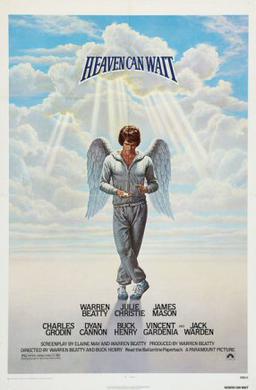
- Heaven Can Wait is rejected for Beatty, with Shampoo favored for enabling total control of the next project and Reds proposed for the Oscar. The long interval to Ishtar qualifies what he did with the latter success.
- Speculation that Beatty used cocaine is immediately qualified as unknown; Christie’s1965 peak is restated. — Van Lathan
- Heaven/metaphysical body-swap movies prompt Chances Are love, indifference to Freaky Friday and exclusion of Dave as mere resemblance. This film is initially favored, but Big becomes the tentative alternative despite not involving heaven. — Bill Simmons
- Grodin’s peak is Midnight Run; Warden is probably not here. The first LA Rams era gets a possible yes. Cannon’s Showtime-Lakers public identity is an alternate to the film. Overtime Super Bowls get a no with Falcons joke.
- Rich-person mansions prompt Filoli, Citizen Kane’s Xanadu and the Batman TV mansion as candidates without a final resolved ranking. — Van Lathan

In the discussion (3)
- Cannon is initially selected as eligible, with Grodin another possible choice. — Bill Simmons
- Warden or Mason are proposed, but Warden is in too much; Mason is kept while Cannon’s Oscar nomination and disputed billing complicate the conversation. — Bill Simmons
- Deacon Jones is then offered for a few lines, receiving assent; no clear unanimous winner resolves all prior choices. — Bill Simmons

Mallory Rubin Award: Did This Movie Need a Better Sex Scene?
Grodin and Cannon sex scene
Flex pick · Chris Ryan
In the discussion (2)
- An explicit CR flex invitation introduces the need for a Grodin/Cannon scene, contrasting her appeal with his full-pajama never-nude presentation. — Chris Ryan
- The film’s PG restraint and chaste central kiss are noted; a PG13 assumption is corrected as anachronistic. The film is said to cry out for a sex scene, with jokes about Beatty’s restraint. — Chris Ryan

What’s Aged the Best?
Dyan Cannon; Grodin–Cannon comedy; Vincent Gardenia; Dave Grusin’s score; overtime Super Bowl; Rams–Steelers matchup; backup-quarterback popularity; California wellness; environmental concerns; Farnsworth’s rich-man pretense
In the discussion (7)
- Joe’s prescribed death is given as10:17am March20,2016; speakers momentarily confuse whether he would still be alive, then joke about an elderly football survivor.
- A six-pack of Cannon includes wanting a drink, outfits, eye acting, screaming, reported partners and Lakers attendance. Her indifference during the shooting and the Grodin affair/pajamas/curtain comedy are added; Who’s Harry Crumb is called great as a comparison.
- Gardenia’s police sergeant and the Grusin score are praised. A Gardenia month is an unrealized alternative, and Shawshank is a comparison for pleasurable musical company.
- An overtime Super Bowl and a Rams/Steelers matchup are said to anticipate later real events. Filming is reported as September1,1977 at a Chargers/Rams preseason game; actual Rams/Steelers later played at the Rose Bowl, not the Coliseum.
- Backup-quarterback popularity and constant switching are discussed alongside the era’s violence and interceptions. — Bill Simmons
- California wellness and the liver/whey drink are an early cultural memory for one speaker; another places the disgusting drink in aged worst, and others say raw-organ diets persist now. These are cultural opinions, not health advice.
- Environmental displacement concerns feel early and durable. Farnsworth’s rich impostor behavior, sailor/polo outfits and hollow status are praised as newly relevant.
In the discussion (1)
- Grodin could qualify, but Cannon is the chosen performer whose career did not seem to grow enough; another speaker previews a Cannon discussion for aged best. — Bill Simmons

Most Rewatchable Scene
Last ten minutes; convincing Max; training montage and football practice
In the discussion (13)
- The first fifteen minutes are loved, narrowed to Max’s birthday visit that quickly establishes their friendship; another speaker favors the first eight minutes through the bike ride. The initially silent title sequence is praised for treating the player seriously.
- Beatty’s throwing mechanics, touch passes, cadence and football terminology are praised. A prompted Craig reply prefers his physicality to Reynolds, with Mayfield comparison; other voices distinguish running versus system-quarterback styles. Mark Harmon is floated hypothetically, with uncertain chronology.
- The Super Bowl was reportedly shot within fourteen halftime minutes at a Rams/Chargers preseason game; play calling looks authentic. F1 and Days of Thunder are comparisons for filming around live sport, followed by an uncertain Reacher sighting anecdote.
- The tunnel accident works; dark events such as attempted murder and pollution are handled lightly, with a repeated plate gag allowing the audience to move on.
- The body-candidate montage is liked, with wishes for several more alternatives. A Hollywood waiter and porn performer are joking imagined additions; the artificial rules are enjoyed.
- Farnsworth’s return and the mouse panic, then Joe and Betty’s limo attraction and lingering looks, are candidates. — Bill Simmons
- Joe telling Max the secret is called the movie’s single best part; private details and the neck adjustment finally persuade him. The reunion is appreciated. The actor-history comment at the start of351 instead continues the preceding Beatty/Christie romantic scene.
- The servant football montage could run eight more minutes; Grodin crashing into a bush, attempted catches and Warden tossing the ball are enjoyed, with Warden’s football experience guessed. — Van Lathan
- The montage’s spacious backyard and Farnsworth’s first Rams practice are praised; the supposed LA house being in Northern California is a small disappointment. Grodin’s instruction to ignore offensive remarks is admired as comedy. — Bill Simmons
- Joe’s goodbye to Betty, shooting and Super Bowl are candidates. The ending hurts because Max regains then permanently loses his friend; a speaker does not cry here despite crying at films generally. A biography analogy to Beatty moving on from friendships remains a report.
- One final scene choice is the last ten minutes, especially Christie’s bittersweet meeting and the reassuring darkness moment. — Van Lathan
- Another final choice is convincing Max, with honorable praise for the boardroom’s compassion and the penny-to-save-a-thinking-fish idea. Beatty’s comic timing and the May/Henry writing support are praised. — Bill Simmons
- The remaining final choice is training montage and football practice, especially Grodin watching him get sacked. — Van Lathan
In the discussion (2)
- The impatient butcher-shop customer saying he is next is nominated. — Bill Simmons
- Hartman is the clear choice despite strong competition from Richards, Grodin, Mazar and Wright.
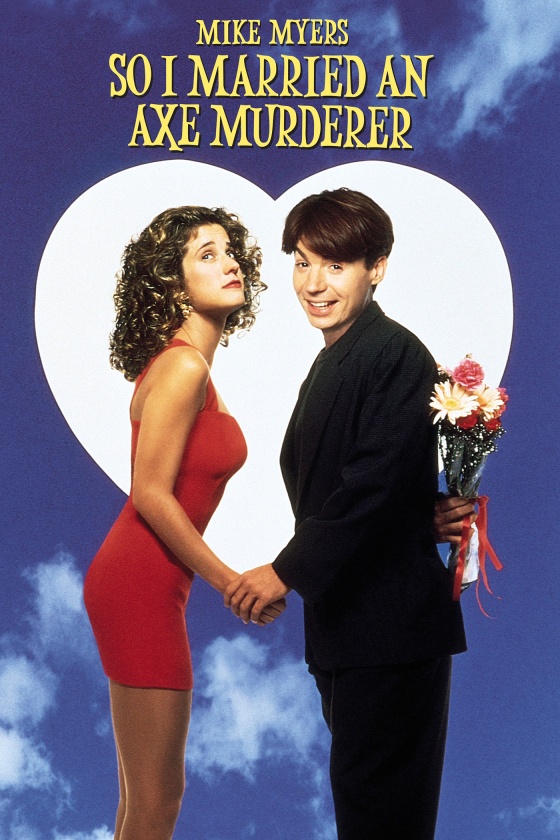
Most Rewatchable Scene
First MacKenzie-family scene
In the discussion (15)
- The opening follows a coffee mug through the coffeehouse and captures a 1990s setting. — Bill Simmons
- The large-cappuccino joke, soup-smelling girlfriend and opening Woman poem are enthusiastically praised. — Bill Simmons
- The first visit to the parents includes the Scottish wall, Bay City Rollers and William’s head jokes, with LaPaglia visibly struggling not to laugh. — Bill Simmons
- The Pentaverate conspiracy and Colonel Sanders attack are praised; the later Netflix adaptation is considered unnecessary.
- The scene keeps adding jokes, including Tony kissing the mother and William crying on his huge pillow. — Bill Simmons
- The planetoid and weather-system head jokes are praised even as written dialogue. — Bill Simmons
- The butcher-shop flirting montage is nominated. — Bill Simmons
- Hartman’s Alcatraz guide Vicky, his disturbing prison story and his glare at Charlie are praised as exceptionally funny. — Bill Simmons
- Michael Richards’s smoking, explosive cameo is nominated. — Bill Simmons
- Arkin’s supportive captain learning to act like a tough television boss is praised, especially the later confession scene.
- The reconciliation poem and discovery of the supposed murderer are liked, though the first hour supplies the best scenes. — Bill Simmons
- The first Stuart/MacKenzie-family scene receives agreement from all three; its greater length breaks the comparison with Hartman’s scene.
- Grodin objecting to dashboard drumming receives a special mention. — Sean Fennessey
- Wright’s premature-birth dream line is recalled. — Sean Fennessey
- The late first-time viewer chooses beat poetry as a personal favorite. — Craig Horlbeck
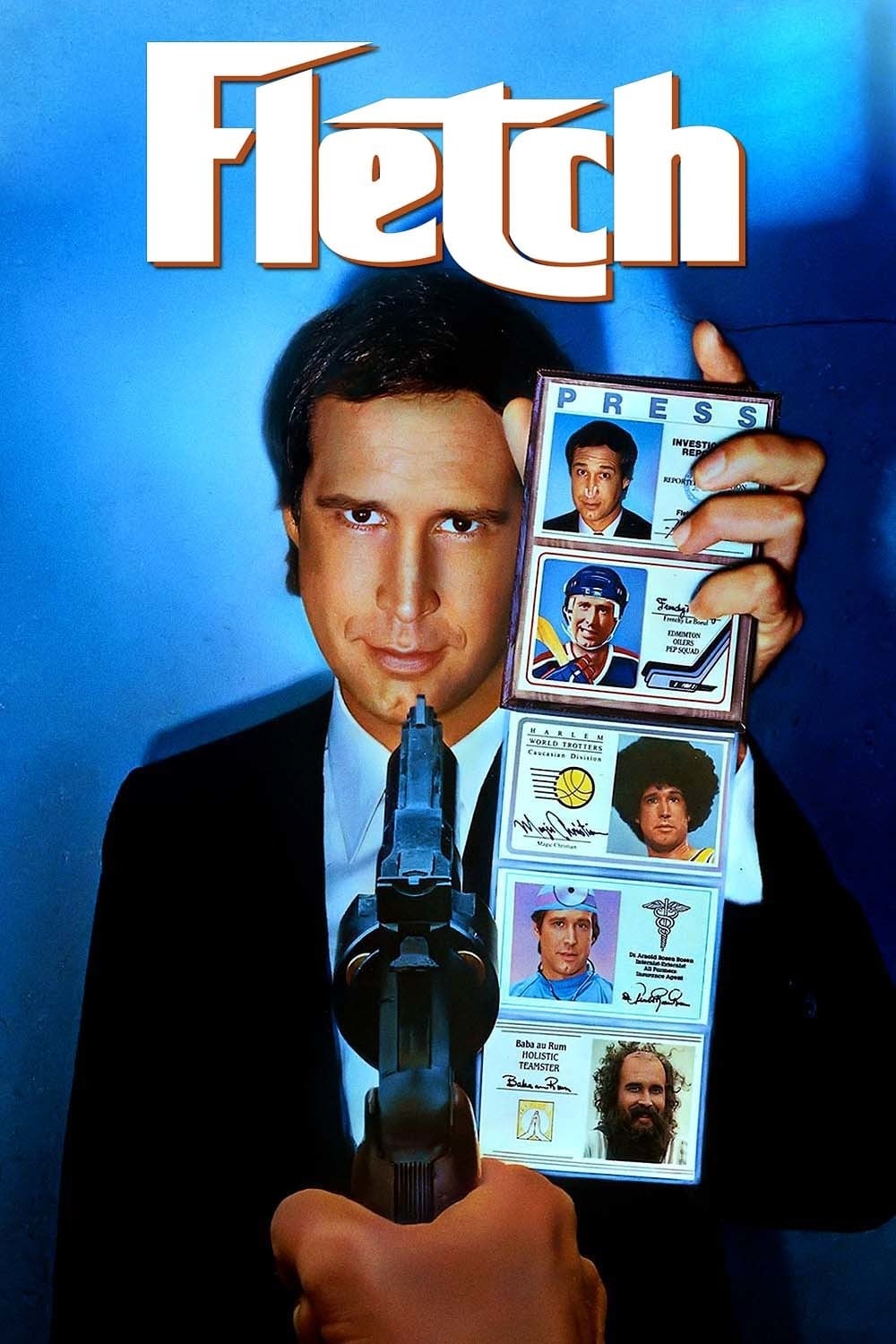

Casting What-Ifs
Burt Reynolds, Jeff Bridges, Charles Grodin, Mick Jagger, Barry Bostwick, Richard Dreyfuss and George Segal were considered
In the discussion (4)
- The hosts read that Bert Reynolds, Jeff Bridges, Charles Grotto, Mick Jagger and Barry Bostwick were considered; the author had rejection rights and turned down Reynolds and Jagger. — Bill Simmons
- The hosts read that original producer Jonathan Burroughs wanted Richard Dreyfus after Chase's managers rejected the part; Dreyfus would not have worked. — Bill Simmons
- Bostwick had one of the worst possible career outcomes, 'market corrected' over and over again by other white guys. — Bill Simmons
- George Siegel is said to have been considered and to have turned it down; he might have been good in the late 70s. — Bill Simmons
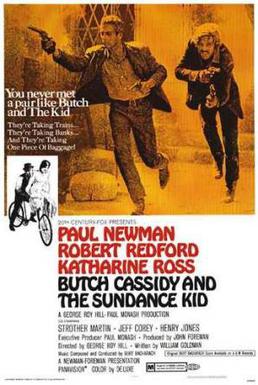

The Joey Pants “That Guy” Award
George Firth (as transcribed), who plays Woodcock
In the discussion (2)
- The award is named after Joey Pants; Strother Martin is proposed first, a known name in the 60s who now reads as a that guy, then George Firth (as transcribed), who plays Woodcock, is offered instead and judged even better.
- George Firth is actually a writer who is nonetheless seen acting a lot, with a great that-guy name and face; the joke is that he gets the roles Charles Grodin passes on.

In the discussion (2)
- It comes down to Grodin or Langella: Langella really dials it up a couple of times, while nobody knows what Grodin is going for and it is called one of his worst performances despite a host loving Charles Grodin; he is really stressed out and meant to be the audience stand-in and the skepticism in the movie, and his 'get out of here as fast as you can' after the budget scene is one host's single favorite line reading, since that is how most people would react.
- The bratwurst-with-mustard food order before balancing the budget is enjoyed, and Frank Langella (transcribed as 'Franklin Jell') is picked for 'he's not a president, he's an ordinary person, I can kill an ordinary person'; he's going for it with a great rhythm, bringing his own spin as a theater actor.