Redford is a yes: one of the most bankable actors, at his handsome peak, and a Best Director winner who took down Scorsese; the Sundance Institute was formed in 1981. — Bill Simmons
Timothy Hutton is a probable yes, with Taps also considered, but the Oscar closes the deal.
Mary Tyler Moore is a no, followed by a tangent on attractive stars of earlier decades and her Laura Petrie on The Dick Van Dyke Show. — Bill Simmons
The 1981 Oscars are considered, but one host names 1994 as the Apex telecast and 1975's hosts are read; no Apex call is made for 1981.
Sutherland could be talked into Apex, but his peak is also placed at the 24-era moment when viewers learned he is Kiefer's father, and at JFK.
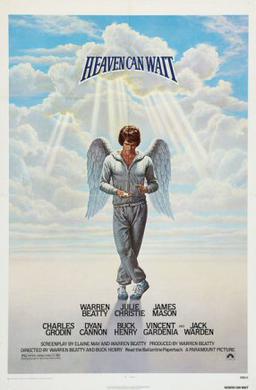
The name Buck is declared Apex Mountain by one voice, supported with Buck Henry, Buck Showalter, Magic Johnson's nickname Young Buck, Craig's suggestion of Uncle Buck and Bucky Barnes, while Yankee fans' Bucky Dent is waved off. — Bill Simmons
The name Ward belongs to Ward Cleaver, but Buck and Ward in the same movie is declared Apex Mountain. — Bill Simmons
Intense Chicago movies are becoming Apex but are not there yet, and fucked up family movies are a no. — Bill Simmons
Carl’s street robbery for passwords and conspicuous office fraud are mocked; drug use is an inference explicitly never shown. The mob lawyer’s openness and Sam’s obliviousness compound the implausibility.
Willie returning to Molly’s apartment after she saw the killing seems reckless; $80,000 is considered a poor share for the crimes. — Bill Simmons
Molly should ask many questions about death, exclusivity and moving on; her lack of curiosity is challenged and partly defended as shock. — Bill Simmons
Sam can shove Willie and move objects but cannot touch Molly; an anger-based training explanation is accepted. — Bill Simmons
Carl’s hell sentence is questioned because he ordered a robbery rather than a killing; an objection points to greed rather than any benevolent motive. The debate asks about the risk of hell for Sam if he pushes Willie to his death, versus possible immunity while in purgatory, without resolving the rules. — Bill Simmons
Heaven Can Wait is praised, with James Mason and Buck Henry recalled as authority figures; Defending Your Life supplies a legal-system comparison. Demotion is questioned, and purgatory in New York is contrasted with fewer opportunities for wrongdoing in the woods. The medium’s message that others are waiting is taken to mean his time is limited and a higher authority decides.