The big party where the Six Chicks show up is a first pick; school cliques like an "A squad" at Bronx High School of Science and college "BPs" are recalled. — Bill Simmons
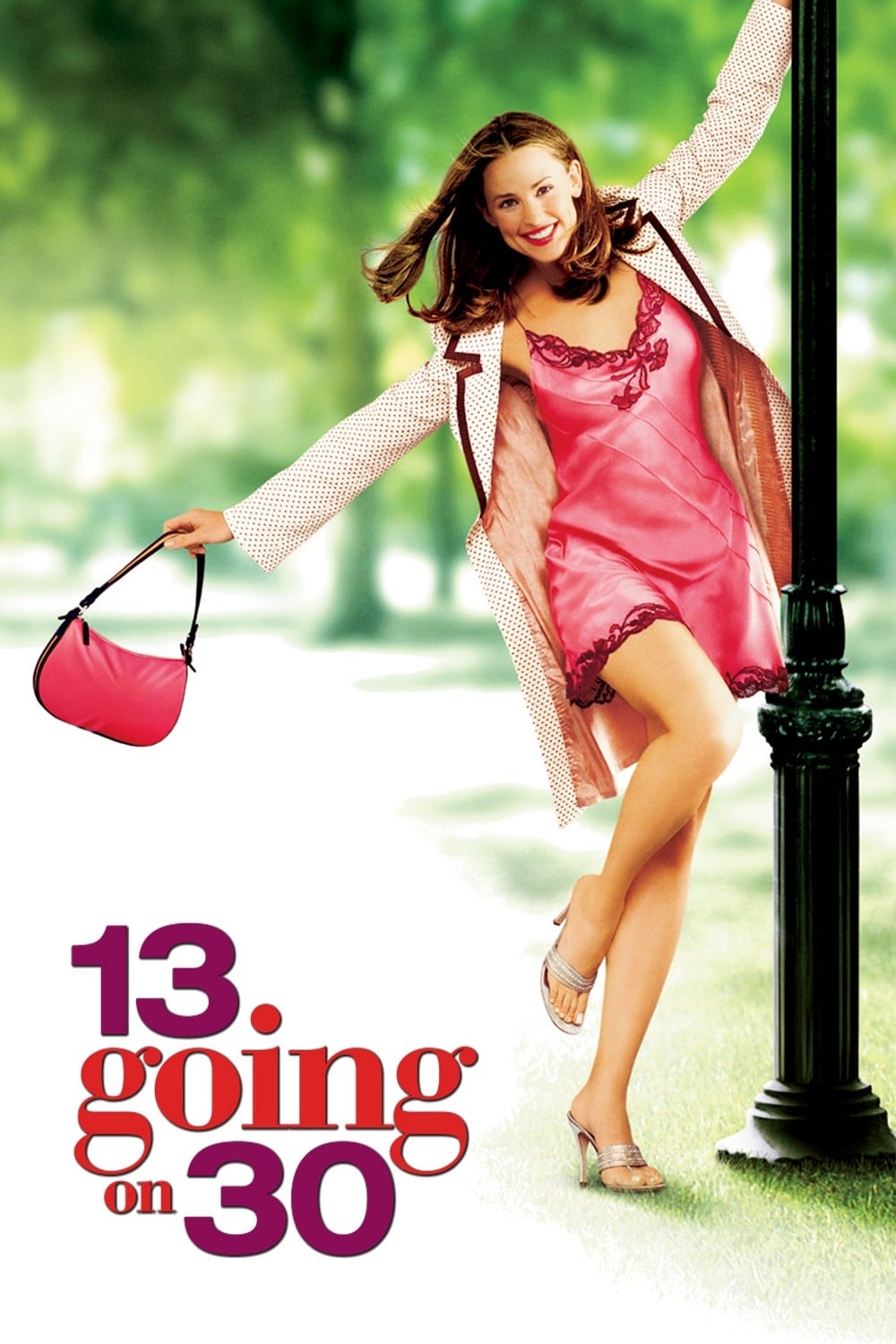
Jenna being mean to Beaver hurts, and seven minutes in heaven is joked to be banned in 50 states in 2026. — Juliet Litman
Tom Tom becoming Judy Greer is called one of the best teen-to-adult castings; Greer reportedly disagrees, and young Jenna reads as Hilary Swank to one participant, which is disputed. — Bill Simmons
Jenna waking up at 30 (cell phone, checking her body, the hockey player, "I'm Jenna Rink, big-time magazine editor") is great, a mission statement for Garner recalling Hanks in Big. — Bill Simmons
Visiting Matt requires suspension of disbelief since he doesn't react as if she were on drugs. — Bill Simmons
The dress-up montage uses Whitney Houston; Lips Like Sugar by Echo and the Bunnymen was reportedly planned but could not be licensed. — Bill Simmons
Jenna saving the party with Thriller is an iconic rom-com scene; the green modified Versace dress became a yearly Halloween costume, though her dancing starts stiff and Ruffalo drags his foot while the Gollum actor bangs it out. — Bill Simmons
Asked by name whether Michael Jackson's baggage complicates the scene now, the reply is no; the surprise is that everyone at a 2004 party knew the whole dance. — Juliet Litman
Wesley Morris wrote that watching the cast dance like ghouls made him cringe: "the amateurness isn't cute, it's scary." — Bill Simmons
It recalls bar mitzvahs and the Cha-Cha Slide; Arlene the secretary joining is a favorite moment. — Bill Simmons
The Liz Phair montage with Razzles and the Brooklyn Bridge, and Love Is a Battlefield with the nice Six Chicks, are included; one more scene of Jenna advising the 13-year-olds is wanted. — Bill Simmons
Jenna's class-of-2004 pitch is rewatchable as probably the worst publishing idea of all time, while Lucy's heroin-chic idea sounds pretty good. — Bill Simmons
Jenna and Lucy having it out, with Judy Greer lights out, is the last pick; the wedding scene is excluded and Vienna is saved for later. — Bill Simmons
The other pick is the first scene waking up in the apartment: the umbrella gag, the physical comedy, and the slip with the jacket as the defining look. — Bill Simmons
Both agree the first 25 minutes, from the closet until she gets to work, are excellent. — Bill Simmons
Ebert was not impressed: two stars, saying Jennifer Garner is a charmer but the victim of a charmless treatment. — Juliet Litman
Ebert could not buy the magazine office, professionals not noticing a 13-year-old mind, Jenna's spectacularly bad redesign being accepted, and emotional and sexual puzzles; he said it should have been a musical. His points are called decent. — Bill Simmons
He liked Garner, which is credited for getting two stars out of him. — Bill Simmons
Wesley Morris, then at the Boston Globe, called it a contagious but dopey first star vehicle for TV's Jennifer Garner, tailor-made for women who lust for dream houses, dream jobs and dream hubbies; a host guesses that if asked now he would call it one of his favorites of the last 25 years. — Bill Simmons
Dopey can still be fun; Ebert's logic points are correct but part of the genre, and the office looks like the Working Girl set. — Bill Simmons
Nitpicks: why would so many lawyers reject a strong discrimination case, and how did investigators discover Andy’s specific theater visits?
Nitpicks: Andy and Miguel lack individual relationship detail; the film seeks tolerance rather than their self-defined humanity. Wesley compares the mechanism with Green Book while distinguishing Philadelphia’s contemporary purpose. The uniformly supportive family lacks tension. — Wesley Morris
Nitpick: Andy’s secretary reacts too casually to locating a crucial document. — Chris Ryan
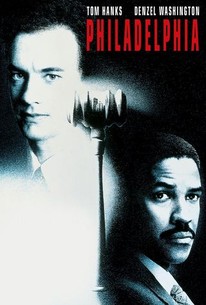
Most Rewatchable Scene: the opening Philadelphia montage and Springsteen song, with documentary-like camera interaction. Chris calls it a possible opening-credits Apex; Bill ranks the song among Springsteen’s best, and Wesley compares the montage to local Action News.
The opening direct-to-camera Hanks–Washington confrontation is recalled as a scene nominee. — Wesley Morris
Apex: Denzel rejected; Hanks’s adjacent early 1990s plateau is discussed with Forrest Gump preferred. Demme is affirmed after comparison with Silence of the Lambs; Banderas’s earlier Spanish/art-house career is preferred.
Apex affirms direct-to-camera dialogue, Springsteen’s use in film and evil Robards. Gay 1990s films and Philadelphia films are rejected; cartoon homophobia faces a Talented Mr. Ripley alternative, and the fictional Stallion Showcase prompts a joke rather than a clear award.
Aged worst: three Joe homophobia scenes may be too many; the bar scene is the suggested cut. The pharmacy confrontation is defended as containing lived truth despite the screenplay’s contrivance. — Wesley Morris
Aged worst: cutting Andy–Miguel scenes leaves their relationship thin. The missing-file sabotage and partners’ firing decision are underexplained, weakening the courtroom mechanics even if the broader argument works. — Chris Ryan
Anna Deavere Smith’s paralegal testimony raises racial workplace discomfort but shuts the issue down too quickly; Wesley imagines the fuller response a contemporary playwright could give her. — Wesley Morris
Joe’s questions about witnesses’ sexuality are considered provocative and potentially dated. Wesley sees the legal tactic as more daring than the film’s sparse account of Andy’s private life, which mostly gives Miguel caregiving and a past sexual encounter; AIDS discrimination and homophobia become intertwined trial subjects.
Weak link: Joe’s aggressive sexuality questions may go too far. His courtroom-world retort prompts a debate over his most characteristic line, with Training Day’s Kong and Malcolm X’s Plymouth Rock alternatives. — Bill Simmons
Chris chooses Andy’s promotion scene for Demme’s unsettling head-on framing and authentic wood-paneled club culture, compared with Trading Places’ banquet sequence. — Chris Ryan
Aged best: Hanks and Banderas’s authentic relationship scenes despite the thin Miguel role; Hanks’s Oscar speech inspiring In & Out. — Bill Simmons
Aged best: the awkward aftermath of the opera scene as Joe leaves rather than a sentimental fade. Wesley questions how much Andy’s solitude is actually shown, again connecting the perspective to Joe.
Joe’s hesitation on the stairs after leaving Andy is praised as an actorly moment; possible concern for his vulnerability is offered, while Wesley explicitly denies suggesting a sexual return. — Wesley Morris
Aged best: the family, the reuse of Demme actors such as Charles Napier, Philadelphia’s wealthy-club culture, period fear of lesions, and Andy briefly glimpsing his possible future in a dying patient. — Bill Simmons
Andy’s theater mustache and stubbled baseball-cap appearance prompt appreciation of Hanks’s looks and a teasing callback to Wesley’s earlier celebrity attractiveness opinion. — Wesley Morris
Aged best: jury deliberations reverse expectations about the apparent conservative juror, and the verdict reactions work. Robards’s villain and Joanne Woodward’s mother are praised. — Bill Simmons
Aged best: Springsteen’s award sweep is compared with Carly Simon’s Working Girl song; Robert Ridgely’s presence inevitably recalls his Boogie Nights character. — Bill Simmons
The Maria Callas opera scene is nominated and initially awarded Great Shot Gordo for the overhead camera and red lighting. Wesley objects to red’s association with hell for a gay character; Bill reads passion for life instead.
Most Rewatchable Scene: the opening Philadelphia montage and Springsteen song, with documentary-like camera interaction. Chris calls it a possible opening-credits Apex; Bill ranks the song among Springsteen’s best, and Wesley compares the montage to local Action News.
The opening direct-to-camera Hanks–Washington confrontation is recalled as a scene nominee. — Wesley Morris
Andy’s brief call to his mother is praised for efficiently revealing illness, severity, openness and her suppressed grief. — Chris Ryan
The senior-associate promotion scene contrasts the old-boys celebration with scrutiny of Andy’s forehead lesion. — Bill Simmons
Andy asking Joe to represent him is praised for Joe’s fearful reaction and attention to touched objects, the firing flashback, and Andy’s devastated stillness after rejection. One host calls it his favorite. — Bill Simmons
The library discrimination scene, with Tracey Walter’s librarian and Joe joining Andy’s legal research, is nominated. — Bill Simmons
Dr.J’s cameo and the partners’ subsequent villainous strategy conversation are nominated; Robards’s full commitment is admired despite caricature.
Opening arguments and the courtroom material are praised, especially Steenburgen’s repeated fact formulation and Denzel’s speech. — Bill Simmons
The Maria Callas opera scene is nominated and initially awarded Great Shot Gordo for the overhead camera and red lighting. Wesley objects to red’s association with hell for a gay character; Bill reads passion for life instead.
Andy’s testimony about excellent lawyering and justice, the flashback to office jokes, and the attack on his sexual history build to the lesion reveal. — Bill Simmons
The lesion scene is considered manipulative but effective: Wesley weighs its audience and warning function, while Chris sees a strong courtroom tactic. Wheeler’s testimony is another nominee. — Wesley Morris
The hospital farewell, the oxygen-mask gesture, individual family goodbyes and Neil Young ending are praised as exceptionally sad final minutes. — Bill Simmons
Wesley chooses Joe’s private conversation with his wife about gay acquaintances. His confident tirade, apron, bottle and food feel lived-in, and learning his attractive aunt is lesbian punctures his certainty.
Chris chooses Andy’s promotion scene for Demme’s unsettling head-on framing and authentic wood-paneled club culture, compared with Trading Places’ banquet sequence. — Chris Ryan
Bill chooses Dr.J’s cameo, with Andy asking Joe to take the case as runner-up. — Bill Simmons
Tim McGraw's underwritten husband; dismissal of Chiles's pop crossover; no social media for Kelly's drunk bar performance; Bo's disheveled oversized clothes; dry-bar barrel-curl hair and 2010 styling; the reviews
The movie is dismissive of the Leighton Meester character going outside country music to find success, which is dead wrong about how the last ten years worked. — Bill Simmons
Tim McGraw is given little to work with: an unlikable character with confusing motivation, 100% responsible for his wife's death. — Amanda Dobbins
The character needed more on stage as a former star, or a recast; there is little chemistry and it is hard to believe they were married. — Amanda Dobbins
Dissent: one host bought the marriage and says they watch the whole movie with rose-colored lenses. — Amanda Dobbins
He flirts with Meester and visits her hotel room, though he is not cheating on Kelly, who sleeps with others including her tour manager. — Liz Kelly
Alternative fixes: make him cartoonishly evil like the Shawshank warden, or a former country star who lost his voice and sings with her near the end; the Star Is Born formula works. — Bill Simmons
No social media for Kelly's drunk bar performance, though there were cell phones in 2010. — Bill Simmons
A proposal to make Kelly 25% drunker and meaner is contested since she already hits Tim McGraw; others agree the movie keeps the safety rails on, e.g. her tour-manager hookup stays clothed. — Bill Simmons
The speaker's wife's note: Bo's disheveled oversized clothes.
Contender: the dry-bar hair of side part, straightened bangs and big barrel curls, which the speaker wore to every dance for the next six years. — Liz Kelly
The hair is of the dry-bar moment and also a country-music aesthetic of tall blonde women such as Carrie Underwood and Faith Hill. — Amanda Dobbins
Gwyneth goes from straight hair to full barrel curls within two minutes, a two-hour process; tiny bandage dresses, peplum and heavy under-eye liner are circa 2010. — Amanda Dobbins
The reviews: a Guardian quote mocks Paltrow singing her own material in a self-indulgent movie, and a New York Times quote finds her seriously miscast as an unreformed alcoholic with a thin, serviceable voice. — Bill Simmons
A Hollywood Reporter quote: cliches plucked from country lyrics fuel an unconvincing show-business story that is hard to synopsize. — Bill Simmons
A Boston Globe quote: the film ends nine times, and Festi mistook her protagonist for Lindsay Lohan or Courtney Love; its writer, Wesley Morris, has since warmed to the movie. — Bill Simmons
A dog would improve lonely Ennis’s life and provide companionship beyond the distant relationship. — Wesley Morris
A bloodhound or border collie is considered; an initially proposed Ennis award is recognized as the existing Cliff Booth category and extended in name.