Frank should expect a journalist to check his biography; the George O'Leary résumé scandal is compared.
The quiz show should pause taping to let a child use the bathroom; Los Angeles rain is again questioned. — Chris Ryan
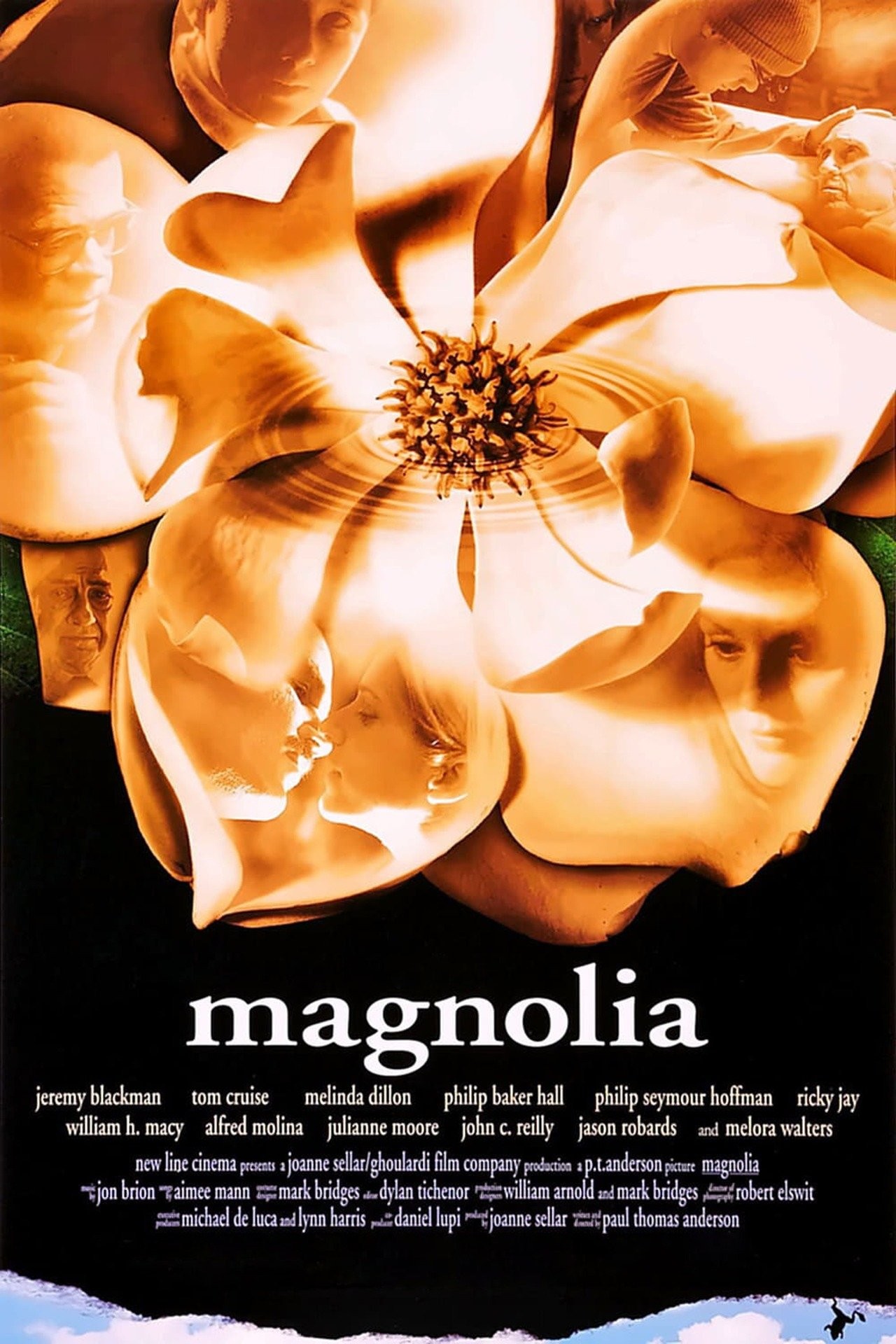
Donnie’s unremarkable teeth seem insufficient to drive his entire story.
Donnie’s Samuel Johnson comparison is said to ironically describe exploitation that actually happened to Johnson. — Sean Fennessey
Robards and Moore as a couple are disputed, with the trophy-wife arrangement defended; Robards’s personal history lends weight to his regret. — Sean Fennessey
Linda’s car changes from rain-covered to dry after she passes out. — Sean Fennessey
Most Rewatchable Scene: the opening Philadelphia montage and Springsteen song, with documentary-like camera interaction. Chris calls it a possible opening-credits Apex; Bill ranks the song among Springsteen’s best, and Wesley compares the montage to local Action News.
The opening direct-to-camera Hanks–Washington confrontation is recalled as a scene nominee. — Wesley Morris
Apex: Denzel rejected; Hanks’s adjacent early 1990s plateau is discussed with Forrest Gump preferred. Demme is affirmed after comparison with Silence of the Lambs; Banderas’s earlier Spanish/art-house career is preferred.
Apex affirms direct-to-camera dialogue, Springsteen’s use in film and evil Robards. Gay 1990s films and Philadelphia films are rejected; cartoon homophobia faces a Talented Mr. Ripley alternative, and the fictional Stallion Showcase prompts a joke rather than a clear award.
Chris chooses Andy’s promotion scene for Demme’s unsettling head-on framing and authentic wood-paneled club culture, compared with Trading Places’ banquet sequence. — Chris Ryan
Aged best: Hanks and Banderas’s authentic relationship scenes despite the thin Miguel role; Hanks’s Oscar speech inspiring In & Out. — Bill Simmons
Aged best: the awkward aftermath of the opera scene as Joe leaves rather than a sentimental fade. Wesley questions how much Andy’s solitude is actually shown, again connecting the perspective to Joe.
Joe’s hesitation on the stairs after leaving Andy is praised as an actorly moment; possible concern for his vulnerability is offered, while Wesley explicitly denies suggesting a sexual return. — Wesley Morris
Aged best: the family, the reuse of Demme actors such as Charles Napier, Philadelphia’s wealthy-club culture, period fear of lesions, and Andy briefly glimpsing his possible future in a dying patient. — Bill Simmons
Andy’s theater mustache and stubbled baseball-cap appearance prompt appreciation of Hanks’s looks and a teasing callback to Wesley’s earlier celebrity attractiveness opinion. — Wesley Morris
Aged best: jury deliberations reverse expectations about the apparent conservative juror, and the verdict reactions work. Robards’s villain and Joanne Woodward’s mother are praised. — Bill Simmons
Aged best: Springsteen’s award sweep is compared with Carly Simon’s Working Girl song; Robert Ridgely’s presence inevitably recalls his Boogie Nights character. — Bill Simmons
Most Rewatchable Scene: the opening Philadelphia montage and Springsteen song, with documentary-like camera interaction. Chris calls it a possible opening-credits Apex; Bill ranks the song among Springsteen’s best, and Wesley compares the montage to local Action News.
The opening direct-to-camera Hanks–Washington confrontation is recalled as a scene nominee. — Wesley Morris
Andy’s brief call to his mother is praised for efficiently revealing illness, severity, openness and her suppressed grief. — Chris Ryan
The senior-associate promotion scene contrasts the old-boys celebration with scrutiny of Andy’s forehead lesion. — Bill Simmons
Andy asking Joe to represent him is praised for Joe’s fearful reaction and attention to touched objects, the firing flashback, and Andy’s devastated stillness after rejection. One host calls it his favorite. — Bill Simmons
The library discrimination scene, with Tracey Walter’s librarian and Joe joining Andy’s legal research, is nominated. — Bill Simmons
Dr.J’s cameo and the partners’ subsequent villainous strategy conversation are nominated; Robards’s full commitment is admired despite caricature.
Opening arguments and the courtroom material are praised, especially Steenburgen’s repeated fact formulation and Denzel’s speech. — Bill Simmons
The Maria Callas opera scene is nominated and initially awarded Great Shot Gordo for the overhead camera and red lighting. Wesley objects to red’s association with hell for a gay character; Bill reads passion for life instead.
Andy’s testimony about excellent lawyering and justice, the flashback to office jokes, and the attack on his sexual history build to the lesion reveal. — Bill Simmons
The lesion scene is considered manipulative but effective: Wesley weighs its audience and warning function, while Chris sees a strong courtroom tactic. Wheeler’s testimony is another nominee. — Wesley Morris
The hospital farewell, the oxygen-mask gesture, individual family goodbyes and Neil Young ending are praised as exceptionally sad final minutes. — Bill Simmons
Wesley chooses Joe’s private conversation with his wife about gay acquaintances. His confident tirade, apron, bottle and food feel lived-in, and learning his attractive aunt is lesbian punctures his certainty.
Chris chooses Andy’s promotion scene for Demme’s unsettling head-on framing and authentic wood-paneled club culture, compared with Trading Places’ banquet sequence. — Chris Ryan
Bill chooses Dr.J’s cameo, with Andy asking Joe to take the case as runner-up. — Bill Simmons
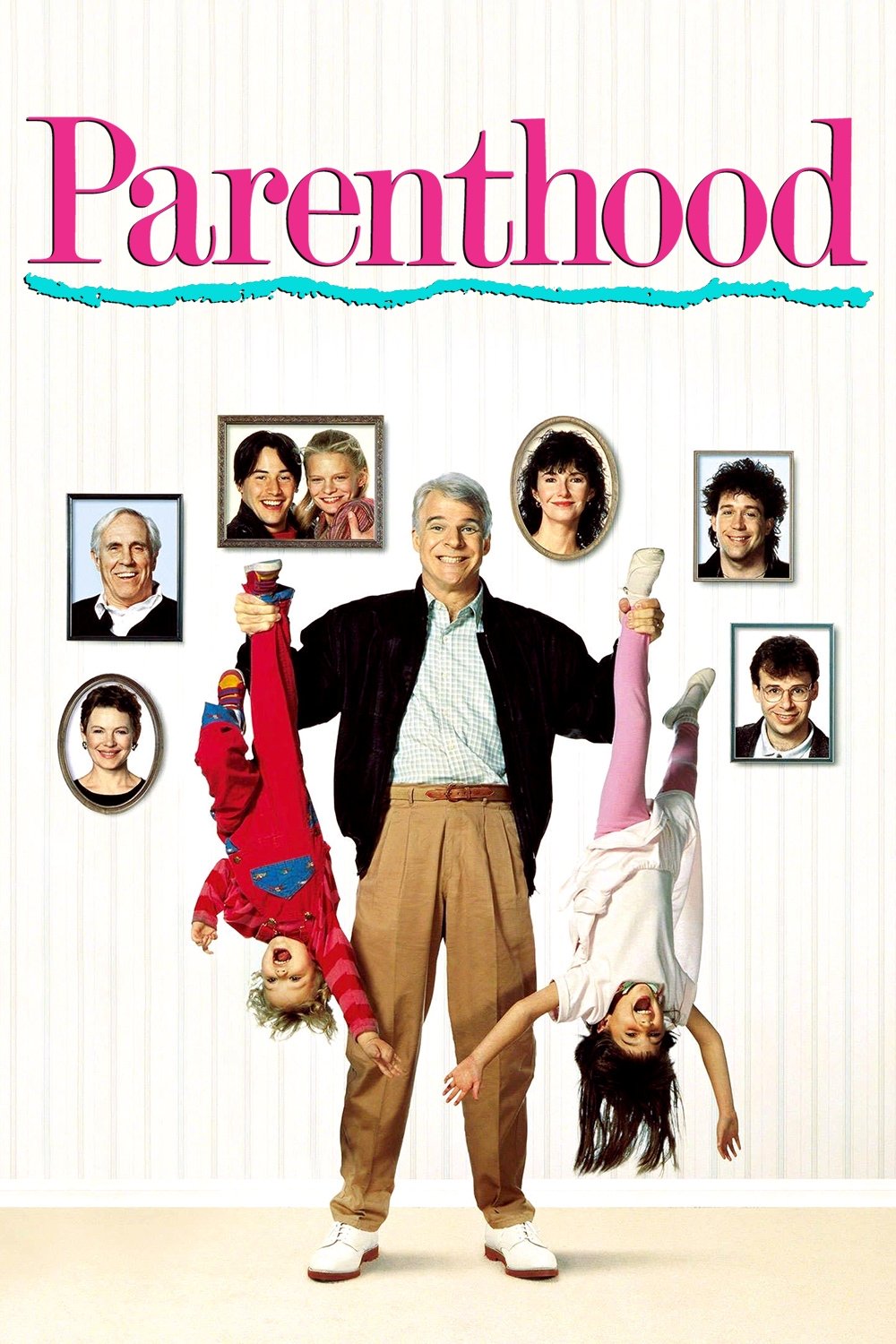
Dianne Wiest is proposed over the obvious choices of the director or the lead star because she is funny and heartbreaking in every scene despite less screen time, and she was Oscar-nominated for the role. — Chris Ryan
Mary Steenburgen is praised as grounded and for breaking out of a thankless wife role, without being named as a pick. — Bill Simmons
Ron Howard gets a vote because the film followed the Willow flop and three comedies and proved he was a real director, opening thirty years of work. — Bill Simmons
Steve Martin gets a vote while conceding Wiest is best in the film, because the role shows his full range from Cowboy Gil to scenes with Robards; another participant agrees he shows all five tools. — Van Lathan
Casting what-ifs is announced, then paused so one more thing about what aged worst can be said. — Bill Simmons
Casting information was hard to find and many actors were rumored for Gil; Robin Williams is the interesting alternative who could have handled the Little League scene, though Robards as his father might have felt odd.
The opening minivan chaos, with children piling out, a small naked boy wearing a holster and a daughter throwing up, is nominated as capturing life with young kids. — Bill Simmons
Larry’s dinner pitch for hydroponics is nominated as the kind of sales pitch one host loves in movies. — Bill Simmons
The principal telling Gil and his wife that Kevin needs a special school is praised as well written, though not the most rewatchable. — Bill Simmons
The birthday party sequence is favored for Cowboy Gil, the boy banging his pail-covered head into the wall, the grandmother on helium, and the stripper mix-up at the lodge.
Helen discovering Garry’s tape, Keanu Reeves’s character explaining Garry’s masturbation, and the grandmother asking what channel it is are nominated. — Bill Simmons
Gil and his wife searching the garbage for a retainer, with Gil reflecting that children are perfect until they grow up to be like him, is a smaller nomination. — Bill Simmons
Robards’s father character seeking Gil’s advice with the no-end-zone speech leads into the Little League game; that stretch is declared a winner and favorite part of the movie.
The Little League dance is called perhaps the best moment of Steve Martin’s career for his physical comedy; he first taunts Clint Howard’s character, and his wife’s perspective contrasts his intensity.
The grandmother’s roller-coaster speech works because it is corny and the characters are dismissive before its meaning lands. — Bill Simmons
The closing hospital montage is called heartwarming despite a risk of corniness. — Bill Simmons
The first choice is Dianne Wiest reviewing the photographs Julie and her boyfriend took, balancing concern, fury and admiration, with favorite lines about the vibrator and Garry. — Van Lathan
Two more choices follow: Larry’s confrontation with his father, where their father favors Larry because Larry absorbed his philosophy while Gil rejected it, and the vibrator scene. — Van Lathan
Given the choice between the photographs and the Little League game, the second baseball game is chosen because of Robards and Martin. — Chris Ryan
Another participant says the second baseball game is also their choice. — Bill Simmons
A counterargument says this is the Apex because The Fan, his next film, only got greenlit because he was Tony Scott. — Bill Simmons
With Frasier's Jack Russell also around in 1995, the preference is this Jack Russell, in a more consequential situation. — Chris Ryan
It could be the Apex for mutinies on subs.
For best submarine movie it is this or Hunt for Red October; Das Boot, older submarine films and K-19 come up, with K-19 called bad. — Sean Fennessey
This one performed better and feels more modern, but Hunt for Red October's outside plot and its Ramius versus Jack Ryan material are richer; it is called neck and neck. — Chris Ryan
Jason Robards cameos come up, with Enemy of the State mentioned and a preference voiced for this one. — Chris Ryan
The movie is really nobody's Apex: good people passing through, not peaking. — Bill Simmons
It was an awesome big-screen movie that is not the same on any TV; a planned anniversary theater re-release was lost when the pandemic hit, and Jurassic Park is similar. — Bill Simmons
A Tarantino-hosted Tony Scott marathon at the New Beverly is proposed for when theaters reopen. — Bill Simmons
The man fixing the radio to save the world is the Bronx Tale actor Lillo Brancato, whose real life did not work out as well. — Bill Simmons
Hackman pulling a gun on Viggo, then switching targets once he remembers only Viggo knows the code, never sat right and should have come up in the report with Robards; the others seem fine with it. — Bill Simmons
Hackman going overtly racist at the tail end is questioned as a choice, especially with Black sailors aboard. — Bill Simmons