
Film credit
Mary Steenburgen
Also referred to as Mary Steenberg, Steenburgen
Stats
- Episodes featuring their films
- 3
- Movies in this archive
- 4
Rewatchables episodes featuring Mary Steenburgen’s films
Mentioned in discussions


Casting What-Ifs
An abandoned 1988 version would have cast Michael Kleeseck as Henry, Jesse Bradford as Mark, Mary Steenburgen as Susan, and Michael Lehmann as director.
In the discussion (2)
- The earlier casting and director package is reported. — Bill Simmons
- A Lehmann version is expected to lean further into black comedy. — Chris Ryan

Casting What-Ifs
Mary Steenburgen reportedly considered for Liz; the panel discounts the significance.
In the discussion (2)
- The director reportedly resisted casting the older Redford, but his involvement then attracted the ensemble. — Bill Simmons
- Mary Steenburgen is reported as considered for Liz, though the panel questions how meaningful that consideration was. — Bill Simmons
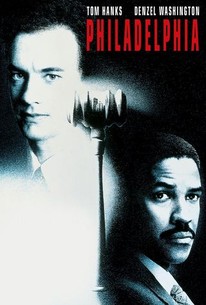
Half-Assed Internet Research
Real cases; weight loss; role discomfort; Vawter; military ban; Demme’s friend
In the discussion (2)
- The film’s 26 million budget, 206.7 million gross and ninth-place 1993 ranking contradict Kramer’s prediction of commercial failure. — Bill Simmons
- Research: the story draws on two attorneys’ discrimination cases; Hanks lost 30 pounds; Steenburgen’s personal dislike of the role became a line; Ron Vawter’s HIV status caused insurance difficulty; the party’s military costume references the service ban; a friend’s AIDS diagnosis motivated Demme. — Bill Simmons

Most Rewatchable Scene
Joe’s family conversation; Andy’s promotion; Dr. J cameo
In the discussion (15)
- Most Rewatchable Scene: the opening Philadelphia montage and Springsteen song, with documentary-like camera interaction. Chris calls it a possible opening-credits Apex; Bill ranks the song among Springsteen’s best, and Wesley compares the montage to local Action News.
- The opening direct-to-camera Hanks–Washington confrontation is recalled as a scene nominee. — Wesley Morris
- Andy’s brief call to his mother is praised for efficiently revealing illness, severity, openness and her suppressed grief. — Chris Ryan
- The senior-associate promotion scene contrasts the old-boys celebration with scrutiny of Andy’s forehead lesion. — Bill Simmons
- Andy asking Joe to represent him is praised for Joe’s fearful reaction and attention to touched objects, the firing flashback, and Andy’s devastated stillness after rejection. One host calls it his favorite. — Bill Simmons
- The library discrimination scene, with Tracey Walter’s librarian and Joe joining Andy’s legal research, is nominated. — Bill Simmons
- Dr.J’s cameo and the partners’ subsequent villainous strategy conversation are nominated; Robards’s full commitment is admired despite caricature.
- Opening arguments and the courtroom material are praised, especially Steenburgen’s repeated fact formulation and Denzel’s speech. — Bill Simmons
- The Maria Callas opera scene is nominated and initially awarded Great Shot Gordo for the overhead camera and red lighting. Wesley objects to red’s association with hell for a gay character; Bill reads passion for life instead.
- Andy’s testimony about excellent lawyering and justice, the flashback to office jokes, and the attack on his sexual history build to the lesion reveal. — Bill Simmons
- The lesion scene is considered manipulative but effective: Wesley weighs its audience and warning function, while Chris sees a strong courtroom tactic. Wheeler’s testimony is another nominee. — Wesley Morris
- The hospital farewell, the oxygen-mask gesture, individual family goodbyes and Neil Young ending are praised as exceptionally sad final minutes. — Bill Simmons
- Wesley chooses Joe’s private conversation with his wife about gay acquaintances. His confident tirade, apron, bottle and food feel lived-in, and learning his attractive aunt is lesbian punctures his certainty.
- Chris chooses Andy’s promotion scene for Demme’s unsettling head-on framing and authentic wood-paneled club culture, compared with Trading Places’ banquet sequence. — Chris Ryan
- Bill chooses Dr.J’s cameo, with Andy asking Joe to take the case as runner-up. — Bill Simmons

In the discussion (4)
- Dianne Wiest is proposed over the obvious choices of the director or the lead star because she is funny and heartbreaking in every scene despite less screen time, and she was Oscar-nominated for the role. — Chris Ryan
- Mary Steenburgen is praised as grounded and for breaking out of a thankless wife role, without being named as a pick. — Bill Simmons
- Ron Howard gets a vote because the film followed the Willow flop and three comedies and proved he was a real director, opening thirty years of work. — Bill Simmons
- Steve Martin gets a vote while conceding Wiest is best in the film, because the role shows his full range from Cowboy Gil to scenes with Robards; another participant agrees he shows all five tools. — Van Lathan
Podcast choices
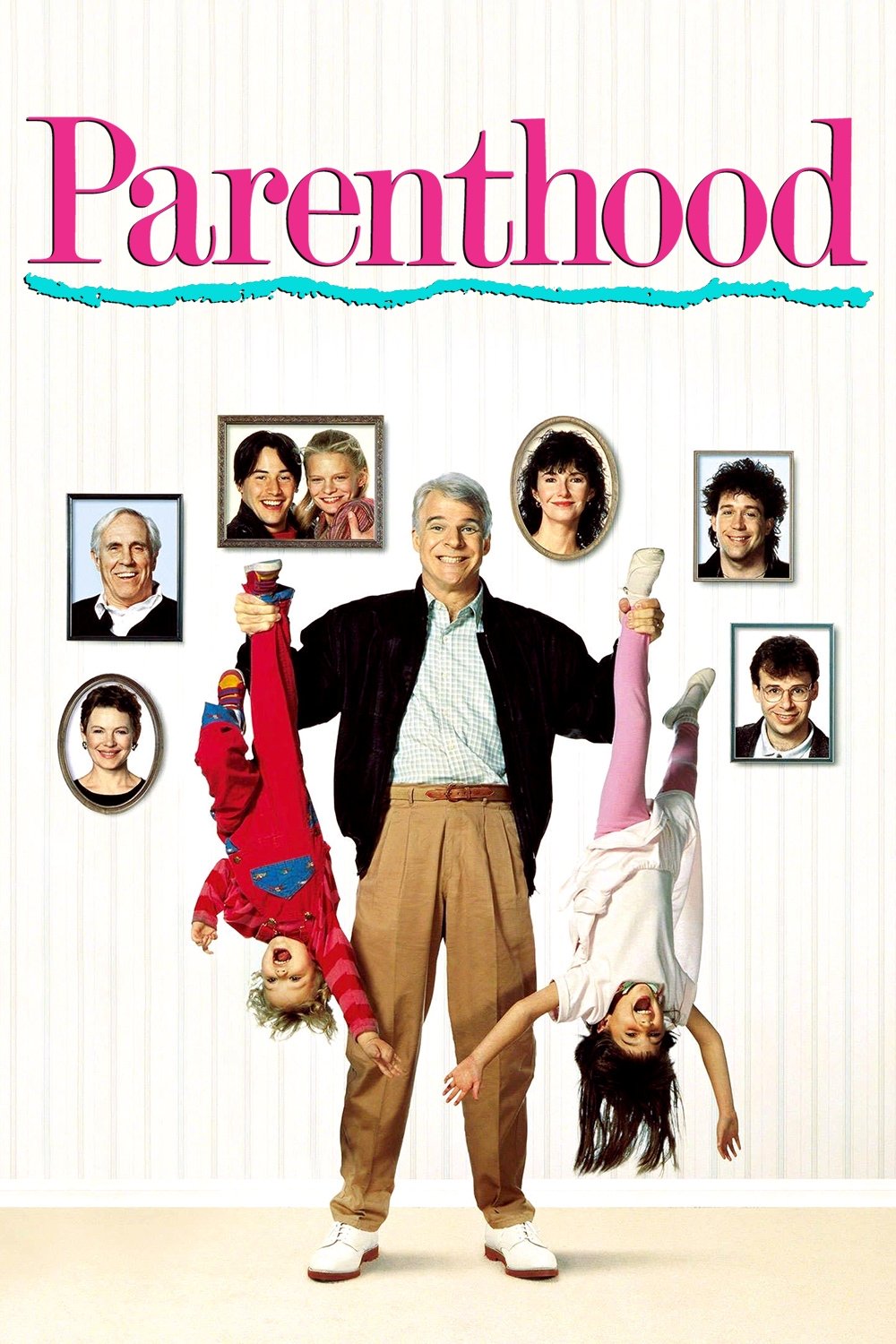

Apex Mountain
Steve Martin in 1979; Parenthood for Mary Steenburgen, tentative; A Beautiful Mind or Apollo 13 for Ron Howard as director; Happy Days free-throw scene for Ron Howard as actor; Harley Jane Kozak; the Ford convertible; Randy Newman; Amadeus for Tom Hulce; City Slickers for the screenwriters; The Bad News Bears films for Little League scenes; The World According to Garp; the Pam and Tommy Lee tape
In the discussion (15)
- Steve Martin’s Apex was previously assigned through Father of the Bride; the real peak is 1979 with Saturday Night Live guest-hosting, The Jerk, comedy albums and arena stand-up, prompting mock objections for Shopgirl and HouseSitter. — Bill Simmons
- Mary Steenburgen’s Apex might be this film rather than the Howard Hughes movie, and her character is linked to Randy Newman’s song.
- Ron Howard’s directing Apex is argued as A Beautiful Mind because it won him the Oscar; Apollo 13 is offered as the alternative.
- Apollo 13 is favored for Ron Howard’s directing Apex, described as a mainstream rather than unusual view. — Chris Ryan
- Ron Howard’s acting Apex is the Happy Days scene where Richie misses a game-winning free throw and his father offers a candy bar. — Bill Simmons
- Harley Jane Kozak is definitely at Apex here, as is the Ford deluxe convertible. — Bill Simmons
- Randy Newman is a yes for the Oscar-nominated song and the era when I Love L.A. became a Lakers staple; a fan argues he had several peaks, Toy Story is attributed to Craig, and The Natural score is noted, while another host resents him for the Lakers and Dodgers. — Bill Simmons
- Parent comedy movies are considered, with Folks! and National Lampoon films raised. — Van Lathan
- Tom Hulce’s Apex is Amadeus, which predates this film. — Bill Simmons
- City Slickers is the Apex for the film’s two screenwriters.
- For feel-good Little League scenes the answer is not Parenthood but The Bad News Bears and Breaking Training, with Hardball and Rookie of the Year also raised.
- A fan theory imagines the Hardball coach as Keanu’s Parenthood character after moving to Chicago and picking up gambling from Larry.
- Parenthood is called up there for funny great-grandmother characters, which are hard to pull off. — Bill Simmons
- For car accidents caused by oral sex, The World According to Garp is declared the winner, recalling its driveway scene to horrified reactions. — Bill Simmons
- This film is not the road-head peak; the answer is the Pam and Tommy Lee tape, with a story about ordering it by phone before the internet. — Van Lathan
Half-Assed Internet Research
Failed 1990 NBC series; Blonde Goddess tape; Wiest and Steenburgen friendship; Florida location; Plimpton wig and mohawk; Helen Shaw’s final film; cast murder game; Martin’s late fatherhood
In the discussion (11)
- Brought forward from internet research: NBC ordered a Parenthood series from a rough cut, per Bill Carter in The New York Times, and the 1990 show was canceled after twelve episodes. — Bill Simmons
- The 1990 series cast David Arquette and a young DiCaprio in the Garry role, part of a late-1980s wave of failed movie-based shows such as Ferris Bueller, Working Girl, Uncle Buck and Dirty Dancing. — Bill Simmons
- The later Parenthood series is considered good by those who watched early seasons; Friday Night Lights is an outlier because it reworked the premise. — Bill Simmons
- The Ferris Bueller TV show’s joke about a poster of Matthew Broderick playing him is recalled as hacky. — Van Lathan
- The adult tape Helen finds was reportedly Blonde Goddess, a 1982 film whose opening parodied Indiana Jones. — Bill Simmons
- Dianne Wiest and Mary Steenburgen were reportedly best friends who worked as waitresses together at the Magic Pan before being cast as sisters-in-law; both won Oscars. — Bill Simmons
- The film is set in St. Louis but was shot in Florida, with palm trees and a Publix visible. — Chris Ryan
- Martha Plimpton dated River Phoenix for nearly five years and began the shoot bald from a prior role, wearing a wig until Ron Howard had her shave her head into a mohawk. — Bill Simmons
- Helen Shaw, who played the grandmother, made her final film here and died in 1997 at age 100. — Bill Simmons
- During filming the cast became obsessed with a Mafia-like murder game played through eye contact, including during the dinner scene. — Bill Simmons
- Steve Martin did not become a parent until age 67 in 2012 despite starring in two iconic parent movies of his generation. — Bill Simmons

Apex Mountain
Catherine Han (as transcribed); Adam Scott (1 yes, 1 for Eastbound and Down); Adam McKay (one yes, proposer shifted to The Big Short)
In the discussion (6)
- Catherine Han is a yes, a hundred percent: this put her on the map in the greatest way possible in a movie people rewatch all the time.
- Will Ferrell is a no: after a clarification that Apex Mountain means the greatest moment of a career rather than just comedic performances, a host still thinks Anchorman is it, he was in the middle of a great run, and he was still at the tail end of SNL, having played Bush for a couple of years.
- Adam McKay gets a yes at first, the peak of his powers, making an iconic comedy out of nothing, with no plot, that let him do whatever he wants; then The Big Short, $140 million and a Best Director nomination, is raised and the same host changes his mind and goes Big Short, while another thinks McKay has not hit his apex yet and it is in front of him, citing the jittery Big Short camera work in Succession even though the show is mostly creator Jesse Armstrong's handiwork.
- Adam Scott gets a hundred percent from one host; another would instead name Eastbound and Down, where his agent Pat Anderson is mind-blowing in two and a half scenes, with the black-credit-card exchange with John Hawkes recited up to its crude punchline; Will Ferrell's Ashley Schaefer BMW plums speech from the same show gets a shout-out, and without Step Brothers Scott would not have been unleashed as a comedy dick in that role.
- Mary Steenburgen is a no, though she gives good stuff and is beautiful at around sixty; Richard Jenkins is a no; John C. Reilly is a no.
- For Reilly, Boogie Nights and Magnolia are offered, with Days of Thunder and Talladega Nights in the conversation; one host calls him his least favorite part of Magnolia and would cut the whole character, Walk Hard is mentioned, and Boogie Nights is given as the answer for his exercise dance behind the glass during the Mark Wahlberg song before Feel the Heat.
Most Rewatchable Scene
The drum-set scene through the backyard fight; the treehouse scene with Derek; the grounding scene on the couch
In the discussion (7)
- Four nominees are thrown out first: the first dinner scene with the whole family together, start to finish great, where John C. Reilly makes Will Ferrell cry and which ends with Ferrell going to shake Richard Jenkins's hand (as transcribed, 'Richard Jacobs') and slowly pulling it away; the drum scene, a masterpiece that keeps going until the fight in the yard and Mary Steenberg's (as transcribed) profane line; the bunk beds breaking, still funny the hundredth time; and the boat video.
- Also floated: the Catalina mixer song and that whole moment; the grounding after the drum set, where the couch exchange between Jenkins and Steenburgen and Reilly and Ferrell is mind-blowing because the two are visibly throwing lines out; Adam Scott's Derek popping his head up into the treehouse, with 'I haven't had a carb since 2004' called one of the best lines in the movie and an obvious body double for the abs; and the porno-magazine time-machine bit leading up to it.
- The film is thought of as micro moments rather than scenes, a movie of lines and dialogue; the job interview is added, and a 2 Chainz song called Trap Back stops in the middle to play the audio of the pan scene for a minute and a half, ending on 'get out of my office', taken as proof that movie dialogue can be dropped into a song and loved.
- Will Ferrell is called weirdly influential on that period of rap, basically inventing Watch the Throne; Kanye loves him and famously quoted 'don't lose your dinosaur' in an interview with Zach Barron (as transcribed).
- One pick is the drum scene, played as a clip from the accusation about the touched drum set through the threat to put his testicles on it, and taken as the winner all the way through the fight.
- The fake testicles got significant space in Alan Siegel's oral history: they cost a few thousand dollars by one account and twenty thousand by the half-assed internet research, the designer warned McKay a really nice set would be expensive and McKay told him to do what he needed, and Ferrell asked to keep them and brings them out for dinner parties.
- A second pick is the treehouse, with Derek's 'I don't have a problem, Dale. Actually, I have the opposite of a problem. I made over 550K last year' read out as proof that Adam Scott is an amazing dickhead; a third pick is the scene when they get grounded.



