‹ All people

Referenced person

Randy Newman

Stats

Episodes featuring their films
0
Movies in this archive
0

Rewatchables episodes featuring Randy Newman’s films

No episode credits in the archive yet.

No episodes found

Mentioned in discussions

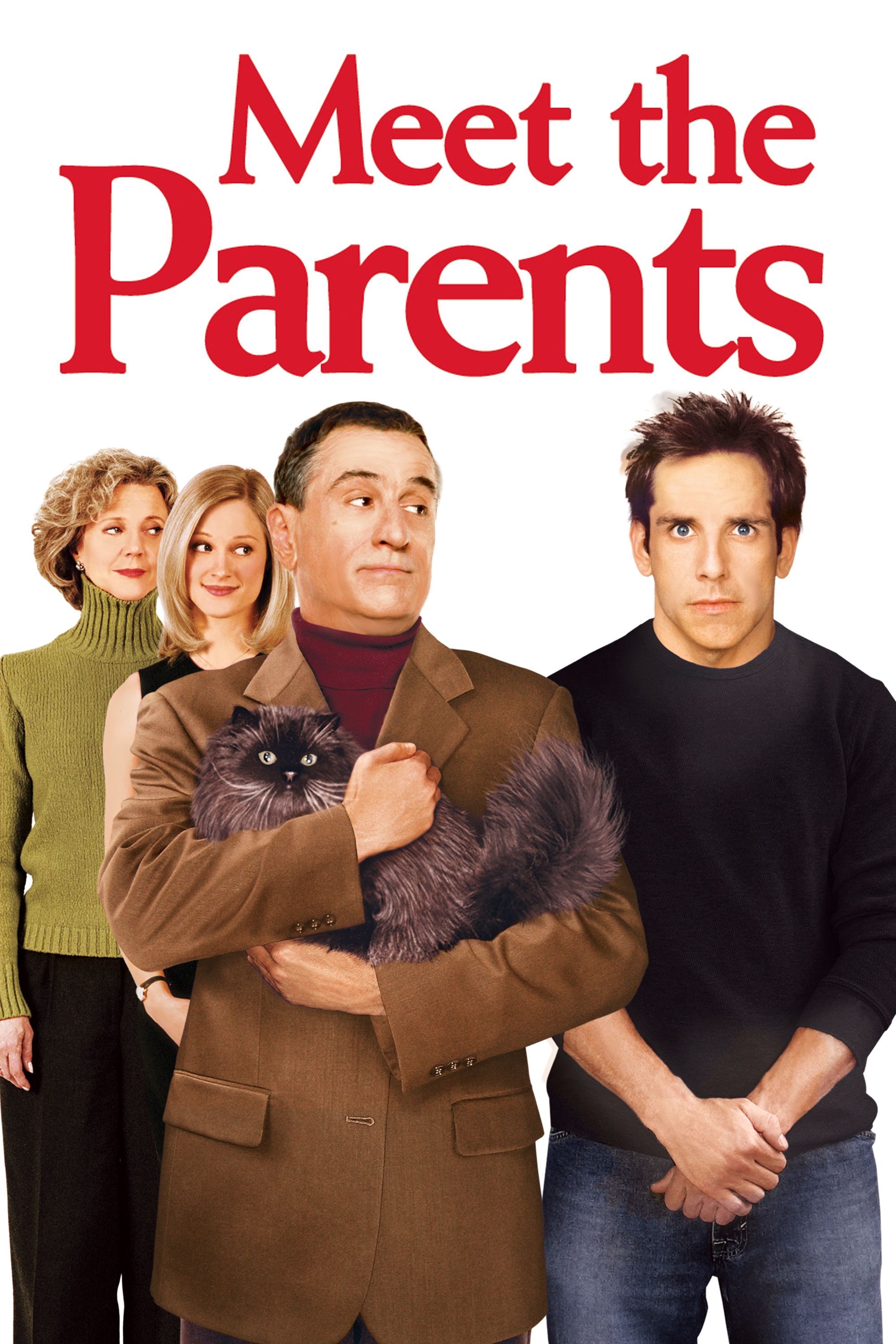
Meet the Parents

Half-Assed Internet Research

Original indie film; box office and video; Oscar song; home movies; smoking; De Niro role choice; polygraph; DeHuff; cats; Focker name; set behavior; ratings rule; Litter Kwitter; Polo bankruptcy

In the discussion (18)
Approx. transcript time · 00:24:56Read transcript
  • The film originated with a low-budget 1992 version by Greg Glienna; Universal’s rights purchase reportedly allowed it to suppress that earlier film, which intermittently reappears online. — Bill Simmons
  • Randy Newman’s A Fool in Love received an Original Song Oscar nomination. — Bill Simmons
  • A $55 million budget and roughly $330 million gross are reported; it beat Remember the Titans on opening weekend. — Bill Simmons
  • The film is reported as the seventh-biggest release of 2000; the sequels earned $522.7 million and $310.7 million respectively. — Bill Simmons
  • Video sales reportedly added $200 million in 2001, illustrating the lucrative home-video era. — Bill Simmons
  • Polo’s husband’s home movies were reportedly inserted after test audiences disliked Pam, making her more appealing as a romantic partner. — Bill Simmons
  • Stiller reportedly was not a smoker and felt uncomfortable smoking beside De Niro, whose screen technique he admired. — Bill Simmons
  • Claims that the bomb dialogue was removed from airplane screenings conflict with a recent personal flight viewing that retained it. — Bill Simmons
  • De Niro reportedly turned down Any Given Sunday to make this film. — Bill Simmons
  • De Niro reportedly suggested the polygraph scene. — Bill Simmons
  • Nicole DeHuff, who played Pam’s sister, died at 30 after pneumonia; the diagnosis and sequel timing are discussed with uncertainty. — Bill Simmons
  • Two Himalayan cats, Bailey and Misha, played Jinx, with Misha doing most scenes. — Bill Simmons
  • Jim Carrey reportedly devised the Focker surname. — Bill Simmons
  • De Niro reportedly enjoyed the cat between takes and encouraged more scenes with it. — Bill Simmons
  • De Niro reportedly kept his distance from Stiller to sustain their characters’ unease; Stiller later acknowledged he was not especially nice. — Kyle Brandt
  • The ratings body reportedly required proof of a real Focker surname before permitting it. — Bill Simmons
  • The movie reportedly inspired the successful Litter Kwitter cat toilet-training product. — Bill Simmons
  • Polo’s 2014 bankruptcy filing is mentioned without an explanation. — Bill Simmons
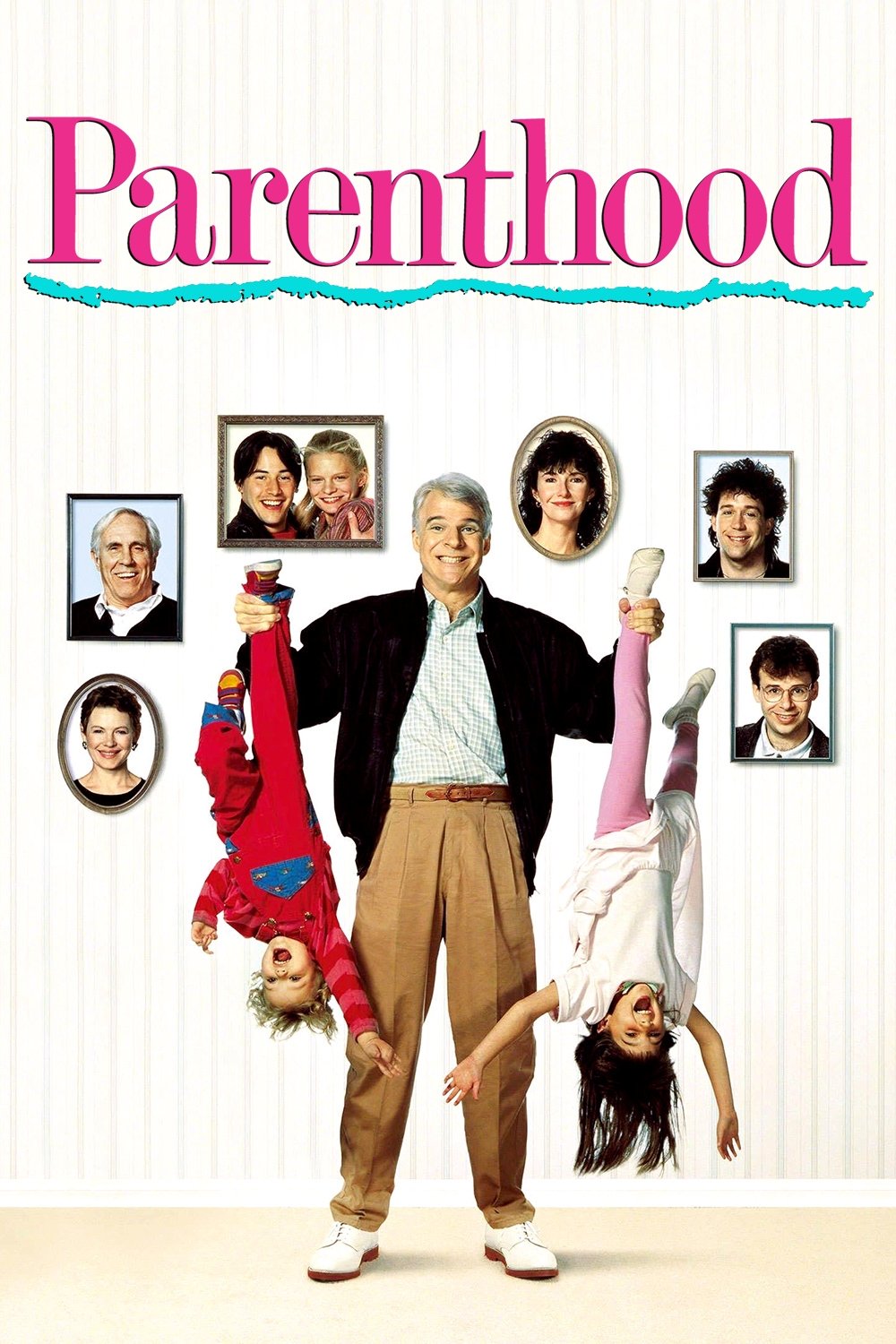
Parenthood The Rewatchables
Parenthood

Apex Mountain

Steve Martin in 1979; Parenthood for Mary Steenburgen, tentative; A Beautiful Mind or Apollo 13 for Ron Howard as director; Happy Days free-throw scene for Ron Howard as actor; Harley Jane Kozak; the Ford convertible; Randy Newman; Amadeus for Tom Hulce; City Slickers for the screenwriters; The Bad News Bears films for Little League scenes; The World According to Garp; the Pam and Tommy Lee tape

In the discussion (15)
Approx. transcript time · 01:20:19Read transcript
  • Steve Martin’s Apex was previously assigned through Father of the Bride; the real peak is 1979 with Saturday Night Live guest-hosting, The Jerk, comedy albums and arena stand-up, prompting mock objections for Shopgirl and HouseSitter. — Bill Simmons
  • Mary Steenburgen’s Apex might be this film rather than the Howard Hughes movie, and her character is linked to Randy Newman’s song.
  • Ron Howard’s directing Apex is argued as A Beautiful Mind because it won him the Oscar; Apollo 13 is offered as the alternative.
  • Apollo 13 is favored for Ron Howard’s directing Apex, described as a mainstream rather than unusual view. — Chris Ryan
  • Ron Howard’s acting Apex is the Happy Days scene where Richie misses a game-winning free throw and his father offers a candy bar. — Bill Simmons
  • Harley Jane Kozak is definitely at Apex here, as is the Ford deluxe convertible. — Bill Simmons
  • Randy Newman is a yes for the Oscar-nominated song and the era when I Love L.A. became a Lakers staple; a fan argues he had several peaks, Toy Story is attributed to Craig, and The Natural score is noted, while another host resents him for the Lakers and Dodgers. — Bill Simmons
  • Parent comedy movies are considered, with Folks! and National Lampoon films raised. — Van Lathan
  • Tom Hulce’s Apex is Amadeus, which predates this film. — Bill Simmons
  • City Slickers is the Apex for the film’s two screenwriters.
  • For feel-good Little League scenes the answer is not Parenthood but The Bad News Bears and Breaking Training, with Hardball and Rookie of the Year also raised.
  • A fan theory imagines the Hardball coach as Keanu’s Parenthood character after moving to Chicago and picking up gambling from Larry.
  • Parenthood is called up there for funny great-grandmother characters, which are hard to pull off. — Bill Simmons
  • For car accidents caused by oral sex, The World According to Garp is declared the winner, recalling its driveway scene to horrified reactions. — Bill Simmons
  • This film is not the road-head peak; the answer is the Pam and Tommy Lee tape, with a story about ordering it by phone before the internet. — Van Lathan
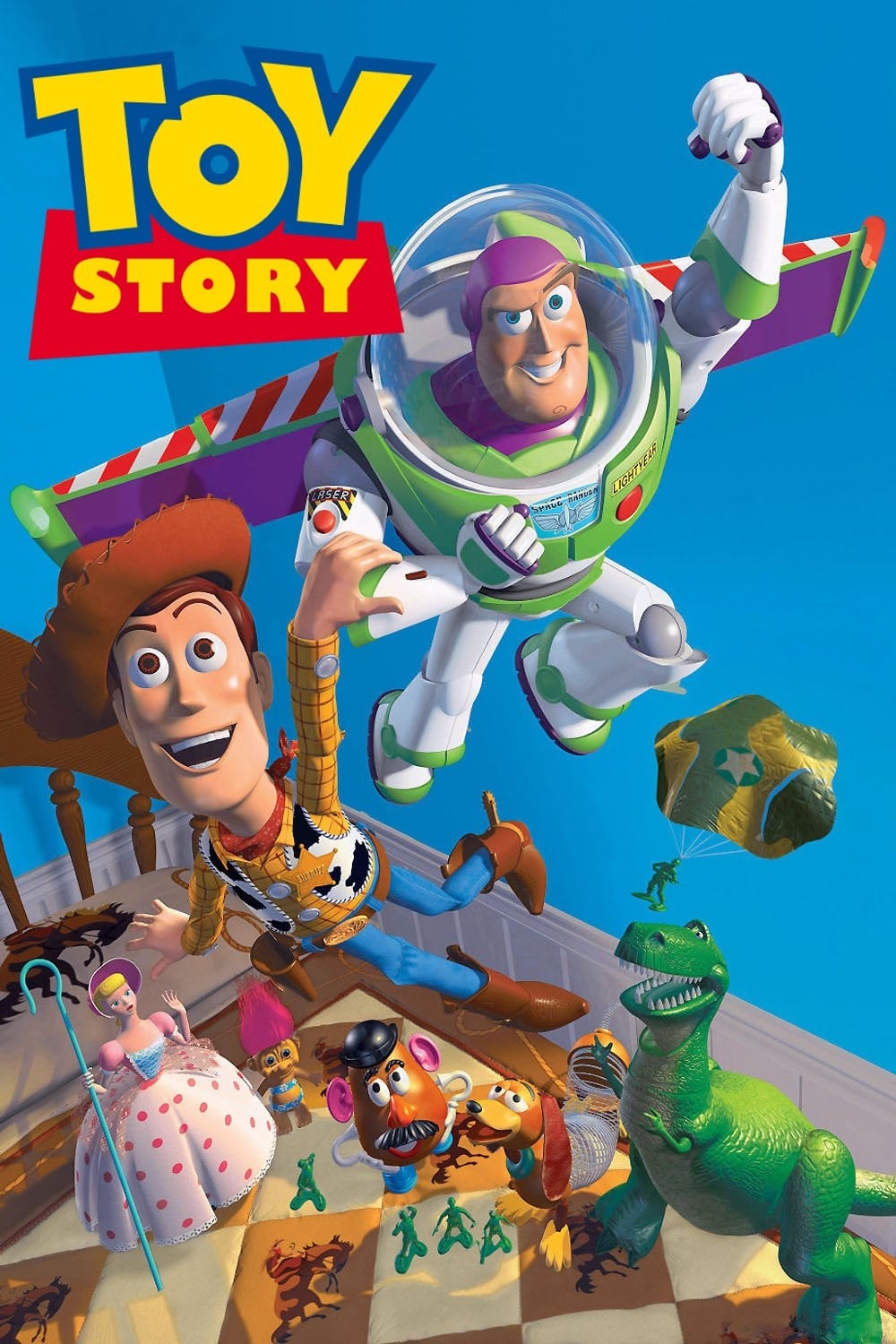
Toy Story The Rewatchables
Toy Story

What’s Aged the Best?

The animation; Disney betting on Pixar; kids' attachment to toys; Randy Newman; the themes; Sid's Converse

In the discussion (14)
Approx. transcript time · 00:45:52Read transcript
  • The animation still looks incredible; a child watching it never complained about the graphics. — Sean Fennessey
  • Disney betting on Pixar aged well: Pixar bridged the end of Disney's early-90s run and was bought by Disney in 2006. — Sean Fennessey
  • Children's attachment to their toys holds up; the speaker was an action-figure kid and still collects. — Sean Fennessey
  • A young child drew a face on a plate, named it Steve and carried it for weeks, like Forky; kids still get attached to objects. — Shea Serrano
  • Twins who went as Buzz and Woody at four recreated the same costumes at 13 for $100. — Shea Serrano
  • A nephew became a full Toy Story convert via Disney Plus, showing how the movie and its toys keep making kids happy. — Sean Fennessey
  • Randy Newman is praised as a great living songwriter; his acidic, cynical sensibility made him a savvy, unlikely choice for a sweet movie. — Sean Fennessey
  • Newman eventually won an Oscar, with the speaker unsure of the film and suggesting Toy Story 4. — Sean Fennessey
  • "You've Got a Friend in Me" is proposed as in the running for best original song in movie history, and paired with Shallow as a top two. — Sean Fennessey
  • The songs are described as sledgehammers and kites, sad yet uplifting. — Mallory Rubin
  • The 81-minute runtime and pacing glide; it hits everything quickly, like The Lion King. — Shea Serrano
  • One participant instead lists the runtime under what has aged the worst. — Mallory Rubin
  • The themes of coming of age, choice, identity and purpose hold up. — Mallory Rubin
  • Sid's Converse sneakers are named as a final aged-best item. — Sean Fennessey
Toy Story The Rewatchables
Toy Story

Most Rewatchable Scene

Opening Randy Newman montage; Buzz learning he's a toy; Woody and Buzz's gas-station showdown

In the discussion (18)
Approx. transcript time · 00:29:27Read transcript
  • The movie is short and plays more like three big acts, so it is hard to chop into scenes; the toys coming to life after Andy leaves is the first nomination. — Sean Fennessey
  • The toys' first meeting during Andy's birthday party is called a masterclass: they function as a family, spy on the gift giving, and live with joy alongside the dread of being replaced, like a fable. — Mallory Rubin
  • Asked for additions, the reply is that she hit it all. — Shea Serrano
  • Woody and Buzz's showdown at the gas station is nominated for the "You are a toy" exchange, a funny scene that also raises questions of identity. — Sean Fennessey
  • A favorite beat is Buzz's space speech under the car answered by Woody's "What?", read as a riff on the Death Star's fatal flaw.
  • "You're a sad, strange little man, and you have my pity" is called the best line in the movie, with a great Tim Allen line reading.
  • Woody accidentally hitting Buzz's button mid-fight was the funniest thing in the world when first seen in a theater. — Shea Serrano
  • The claw at Pizza Planet and the Little Green Men are cited as iconic. — Sean Fennessey
  • Sid's house and its misfit toys are a major homage to Browning's 1932 film Freaks; Pixar is described as creative and consistent yet deeply indebted to older movies, including Spielberg and Lucas. — Sean Fennessey
  • The Mrs. Nesbitt bit is a favorite.
  • The race to catch the moving truck is nominated; the filmmakers reportedly said it was inspired by The Wrong Trousers. — Sean Fennessey
  • Buzz's arrival, with Woody knocked off his perch and the laser-beam introduction, crystallizes how the toys' ecosystem works. — Mallory Rubin
  • The Sid sequences are the least favorite to revisit, though Sid's introduction ("You mean that happy child?") is funny and shows that Buzz is not the villain. — Mallory Rubin
  • Buzz learning he is a toy, from his commercial to the failed flight set to "I Will Go Sailing No More", is called crushing and compared to Luke at the binary sunset. — Mallory Rubin
  • The opening montage with Randy Newman singing is the most enjoyable part on a rewatch, compared to Anton Ego tasting the food in Ratatouille. — Shea Serrano
  • A son's favorite scene was the toys scaring Sid, who deserved it; Mr. Potato Head is noted as horny and jealous of Woody and Bo Peep. — Shea Serrano
  • Buzz realizing he's a toy is picked over the opening because of its themes of growth, choice, identity, purpose and friendship.
  • The pick is Woody and Buzz's showdown stuck at the gas station because it gets the most laughs. — Sean Fennessey
The Natural

Half-Assed Internet Research

Darren McGavin went uncredited over billing; Randy Newman's theme; the clock homer was inspired by Bama Roel of the Braves; a six-minute-longer director's cut; the 'little boy in you' quote was Ray Campanella's; filmed at Buffalo's War Memorial Stadium; the Parkside Candy Store is real; 3,000 extras at $3.35 an hour plus cardboard cutouts; no one has hit the cover off a ball; the Savoy Special bat is at Cooperstown; Hobbs modeled on Ted Williams; the 1939 Pirates went 68-85; Bret Hart's catchphrase; the halo shot was real; Bobby the Batboy was found at a produce stand; Levinson voiced the radio announcer; the $20,000 bribe is $366,000 today

In the discussion (10)
Approx. transcript time · 01:05:10Read transcript
  • Darren McGavin was cast late and would have received lesser billing than the other stars, so he chose to go uncredited; the hosts call it idiotic pride over practicality, since his IMDB is Love Boat, Fantasy Island and Rockford Files.
  • Randy Newman wrote the theme, the I Love L.A. guy whose song lives on at Laker games; Hobbs breaking the scoreboard clock was inspired by Bama Roel (as transcribed) of the Boston Braves showering Dixie Walker with glass at Ebbets Field on May 30, 1946, and the Wrigley clock was not introduced until 1941.
  • A director's cut six minutes longer trims the Redford and Close opening and adds Bump Bailey and Gus scenes; one host would not have minded more Bump given his sudden death and the Memo factor; a tangent on Bump as a nickname lands on calling Jason Gallagher Bump.
  • Roy's line that a big leaguer needs a lot of little boy in him was a Ray Campanella (as transcribed) quote; the film was shot in Buffalo at War Memorial Stadium, built in 1937 and demolished in 1988, whose short right field limited wide shots, and TriStar spent $500,000 aging it; the hosts protest the demolition and note Buffalo was good enough for the film but not Antonio Brown.
  • The lemonade shop where Glenn Close takes Roy is the real Parkside Candy Store at 3208 Main Street in Buffalo, serving ice cream, homemade candy and sandwiches; this leads to a wife who judges places by their signs and an old-school milkshake spot near Pasadena.
  • About 3,000 extras were recruited at the $3.35 minimum wage and cardboard people in straw boater hats filled the rest of the stands; the Hall of Fame has no record of anyone hitting the cover off a ball; the Savoy Special was a 1930s beer brand, and the bat and the bloody uniform are at Cooperstown.
  • Whether Roy would really bleed through a 20-pound fire-retardant uniform is parked for a later category; Hobbs was loosely modeled on Ted Williams, lefty number nine, who wanted to be the greatest hitter who ever lived.
  • The real 1939 Pirates finished 68-85 and the Reds won the pennant at 97-57; Brett the Hitman Heart (as transcribed) took 'the best there is, the best there was, the best there ever will be' from this movie; the Glenn Close halo shot was timed to the setting sun, not CGI.
  • Bobby the Batboy was played by George Wilcoz (as transcribed), discovered at his parents' produce stand in Buffalo for his only movie, and he lingers two seconds too long after handing Roy the bat; Ruth Ann Steinhagen inspired Harriet; Barry Levinson did uncredited voice work as the Knights' radio play-by-play man.
  • The $20,000 bribe is about $366,000 in today's money; the hosts wonder what a stake in a 1939 team was worth to justify bribing everybody in sight, guessing the gambling money was worth nearly as much since there was no TV money.
In the discussion (10)
Approx. transcript time · 00:45:11Read transcript
  • The incredible cast: three Oscar winners in Redford, Duvall and Basinger, nominees Glenn Close, Barbara Hershey and Richard Farnsworth, plus Robert Prosky, Michael Madsen and Joe Don Baker; Madsen was never one host's thing, though a college friend stuck by him through his problems and still mourns Bump.
  • Basinger is in the final eight of a most-beautiful-woman-in-a-movie bracket, and her constant lip licking raises whether it is deliberate or just her essence; Diane Lane in Unfaithful is a similar case.
  • Brimley and Farnsworth as Pop and Red are perfect and some of the best stuff in the movie; it is sobering that Brimley was the same age as one host is now yet seems 78, and only about two years older than Redford in real life.
  • Hobbs played semi-pro ball for the Hebrew Oilers, prompting a hunt for t-shirts on Cafe Press or Redbubble; the Randy Newman score was Oscar-nominated, is instantly associated with the film, and gets yanked for NBA and World Series montages.
  • Basinger is named again, with a nod to Alec Baldwin and their handsome couple; Max Mercy, who never played sports but makes it more fun to watch, is a model for sports media, and the hosts imagine him resisting digital media at the New York Daily News, still drawing cartoons, before being wooed by Sirius for Mad Dog Radio or a podcast.
  • John Rhodes, the Pittsburgh lefty who is a Roy Hobbs spitting image with a good throwing motion, is great casting, and the slow-motion shot of the guys flying out of the dugout after the homer is an all-time favorite.
  • Roy Hobbs is a three-true-outcomes player for the modern era, homering, striking out or walking, like 2003 Bonds or a nine-WAR player with a 184 wRC+, though his defensive value would be poor since he is slow and unwieldy and his side hurts every time he reaches for a ball.
  • The old-school baseball fashion and aesthetics, especially the Cubs uniforms, have aged wonderfully, even though the heavy fire-retardant uniforms look as warm as wildling furs.
  • Iris as an independent spirit and trailblazing feminist: Roy gets her pregnant in the barn, proposes romantic bullshit and never returns, and she raises the boy alone in Chicago with a nice apartment, a job and a drugstore where they know her name, can get an usher to deliver a note, and still gets the guy at the end.
  • The final pick is Red and Pop, with a wish for 30 minutes of deleted dugout ad-libs or a mic'd-up game, or else the iconic score.
Displaying all 6 discussions