The ranking covers only comedies, excluding horror and science-fiction versions such as Face/Off, Freaky (called actually really liked), Nine Lives with Kevin Spacey trapped in a cat, and The Cobbler with Adam Sandler. — Bill Simmons
Asked for thoughts, the reply places it in the latter days of Meg Ryan's arc, a film that felt like a favor but was enjoyable; it made the playoffs but is not a round-two movie. — Juliet Litman
Streep is rejected here; her mid-eighties work and Devil Wears Prada through Iron Lady represent possible peaks, with no real career fallow period.
Baldwin possibly qualifies alongside 30 Rock and SNL. — Bill Simmons
Steve Martin’s late-seventies success is preferred; his-and-her sinks receive a positive discussion without a firm peak judgment.
Meyers’s peak shifts from The Holiday to Something’s Gotta Give based on film quality, nominations and box-office discussion.
Divorced-couple romances have earlier screwball peaks, including His Girl Friday and The Philadelphia Story.
Krasinski’s A Quiet Place and marriage to Emily Blunt displace this performance as his peak. — Bill Simmons
The Holiday’s British cottage is preferred for Meyers houses; this kitchen receives a best-kitchen vote but Something’s Gotta Give is defended for space, storage and island layout. — Amanda Dobbins
The children’s talented performers have little to do. — Mina Kimes
Steve Martin’s Adam is underwritten and cannot compete with Baldwin’s charisma. — Mina Kimes
The adult children appear unrealistically undamaged and too invested in their divorced parents reuniting; a contrary reading that they oppose reunion is argued down.
The children’s group-bed scene, excessive graduation celebration, local residence and expensive bungalow are implausible; their oddness is also defended as funny and peripheral to the adult story.
The opening anniversary party efficiently introduces the cast and Jane’s reaction to Agnes. — Bill Simmons
The first friends’ dinner is admired for convivial chemistry; Wilson and Greer prompt a discussion of great rom-com friends.
The hotel bar through “Home sweet home” showcases chemistry and comic deliveries. — Bill Simmons
The graduation dinner and confession to friends are highlighted, including the Agnes Adler line and reaction shots.
Other candidates include the stalked dinner date, bathtub, heart attack, getting stoned, croissants, laptop nudity and final separation. — Bill Simmons
One preference changes from croissants to the hotel bar and finally the second hotel encounter with the heart attack; it remains a qualified choice. — Amanda Dobbins
Another choice favors the first hotel bar and bedroom because the performers’ chemistry surpasses the Steve Martin pairing. — Mina Kimes
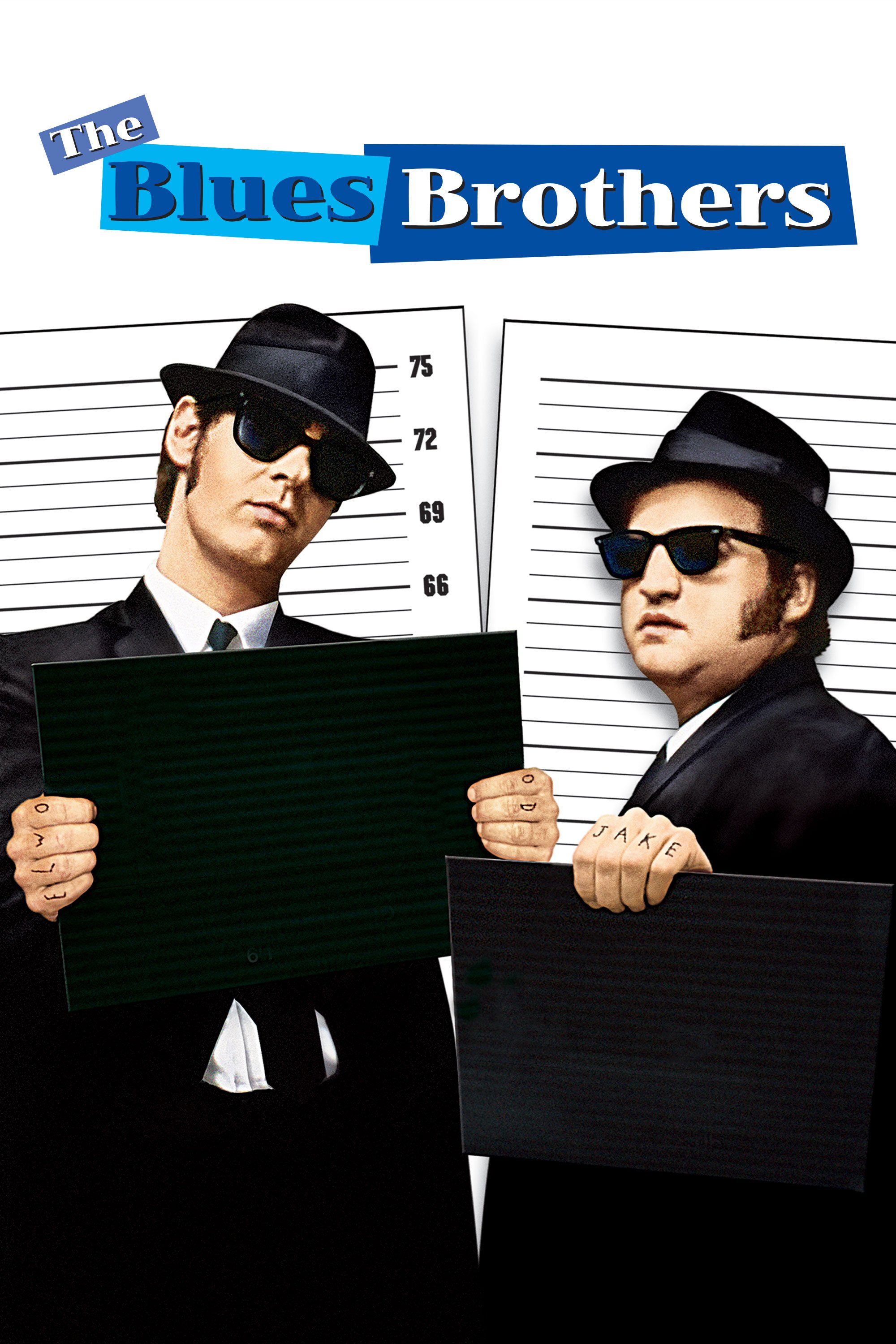
The film is placed near the start of a Chicago filmmaking revival and praised as a major city love letter preceding Ferris Bueller. The discussion’s mayor identification is not independently verified. — Bill Simmons
Aykroyd reportedly delivered an unwieldy 324-page first script filled with digressions despite never having written or read a screenplay.
The troubled production reportedly included a $3.5 million downtown scene, budgeted cocaine, an on-set private bar and an eventual $27.5 million budget that angered executives. — Bill Simmons
The film is reported to have grossed $115.2 million, ranked tenth for 1980 and sixth among musicals, and launched alongside a concert tour; the claimed same-day Empire release is retained only as a podcast claim. — Bill Simmons
Mixed contemporary reviews and criticism of excess are contrasted with enthusiasm from Siskel and Ebert. — Bill Simmons
The original script reportedly contained separate recruitment plots for eight band members, compressed because they would not make a workable movie.
Aretha reportedly struggled with lip syncing; Hooker is said to be the only singer recorded live. — Bill Simmons
The Colleen Camp poster in Elwood’s apartment prompts a reported Apocalypse Now history: Lynda Carter’s original casting, storm interruption, Wonder Woman conflict and replacement poster recreating her original pose. — Sean Fennessey
Thirteen Bluesmobiles were reportedly bought at auction, plus sixty police cars at $400 each. — Bill Simmons
Forty stunt drivers and more than five hundred extras reportedly worked on the climax; a Pinto was dropped from a helicopter at 1,200 feet with special FAA permission. — Bill Simmons
A Vanity Fair account describes a daily chain of executive anger over spending, eventually reaching Aykroyd as the person responsible for getting Belushi to work. — Chris Ryan
Woodward’s Wired is described as controversial and drug-focused, supplying much production history later reused; Belushi disappearing into nearby homes makes the making-of seem filmworthy. — Bill Simmons
The film reportedly destroyed 103 cars, a record later surpassed by The Matrix Reloaded’s 300. — Bill Simmons
Belushi’s skateboarding injury reportedly required an urgently summoned orthopedic surgeon to keep his knee usable for filming. — Bill Simmons
The Hollywood Palladium reportedly doubled for Chicago; enthusiastic concert crowds are praised, although their initial indifference to the first song is questioned. — Bill Simmons
Aykroyd is quoted as blaming racist Southern theater refusals for suppressing box-office potential. — Bill Simmons
Elwood’s freeze-framed record lists 116 parking and 56 moving violations with orders to arrest him and impound the vehicle. — Bill Simmons
Drunken fighting writers are considered, then Hemingway is favored over the Dickey era. — Ryen Russillo
The four actors are rejected; canoeing, banjos, disturbing assault, exposed femurs and sleeveless scuba vests are considered, with River Wild, Steve Martin and O Brother alternatives.
Blondie receives an early affirmative Apex suggestion in the discussion of the hit song. — Sean Fennessey
Gere is initially rejected here in favor of An Officer and a Gentleman. — Sean Fennessey
Gere is rejected here in favor of An Officer and a Gentleman, with 1990’s Pretty Woman and Internal Affairs another possible peak. — Bill Simmons
Hutton is rejected here in favor of her 1970s modeling peak; Once Bitten is jokingly dismissed. — Bill Simmons
Gigolos receive an affirmative choice, with Todd Parker’s uncertain status and the Showtime reality series raised as alternatives. — Bill Simmons
Schrader is a probable affirmative choice because this is his biggest hit despite other more celebrated work. — Sean Fennessey
Blondie’s general period receives agreement after comparing Heart of Glass, Call Me, The Tide Is High and Rapture; a more specific preference chooses the preceding October’s Saturday Night Live appearance with Steve Martin. — Sean Fennessey
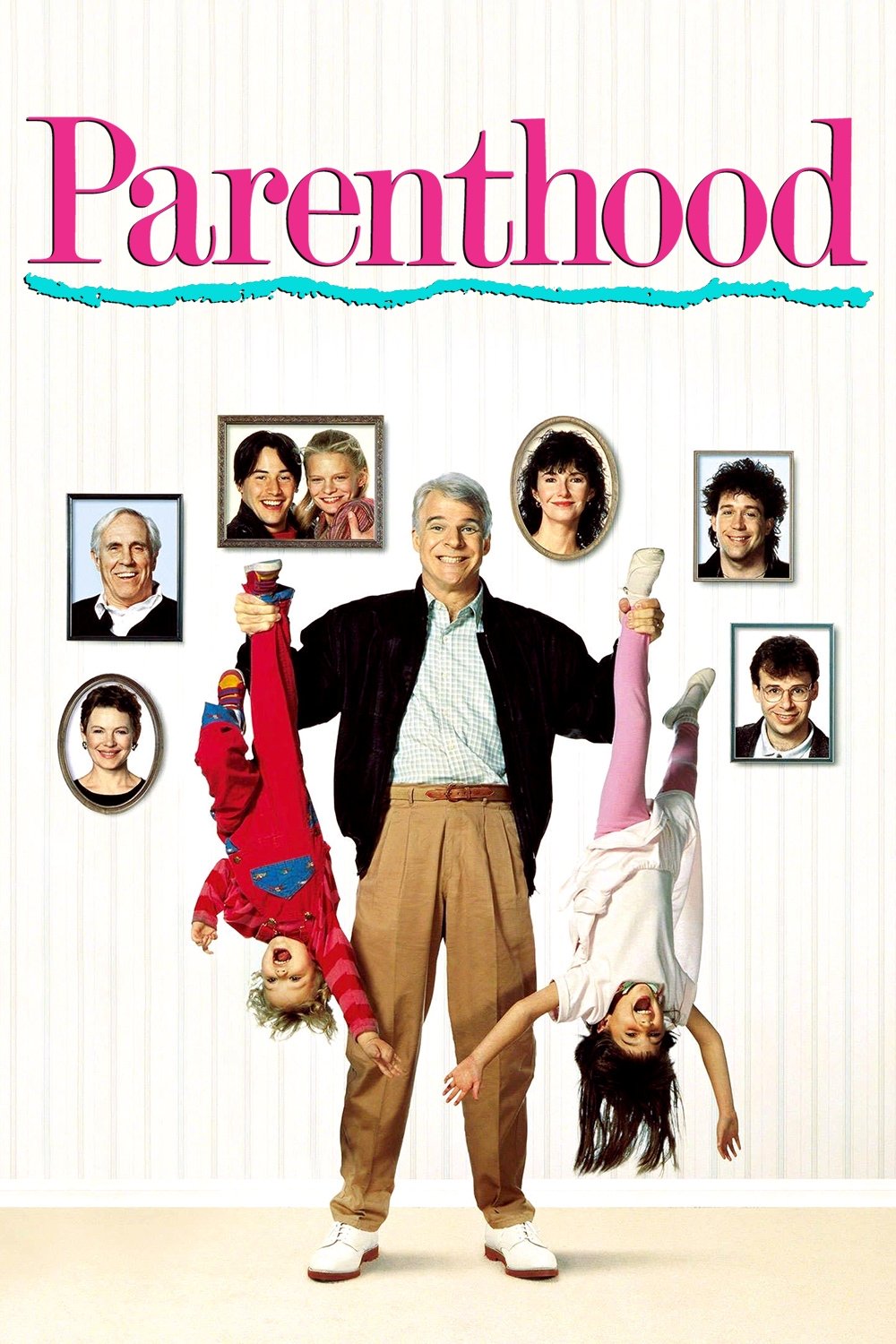
Dianne Wiest is proposed over the obvious choices of the director or the lead star because she is funny and heartbreaking in every scene despite less screen time, and she was Oscar-nominated for the role. — Chris Ryan
Mary Steenburgen is praised as grounded and for breaking out of a thankless wife role, without being named as a pick. — Bill Simmons
Ron Howard gets a vote because the film followed the Willow flop and three comedies and proved he was a real director, opening thirty years of work. — Bill Simmons
Steve Martin gets a vote while conceding Wiest is best in the film, because the role shows his full range from Cowboy Gil to scenes with Robards; another participant agrees he shows all five tools. — Van Lathan