
Half-Assed Internet Research
SNL origins; sprawling script; troubled production; stunts and release
In the discussion (18)
Approx. transcript time · 00:15:47Read transcript
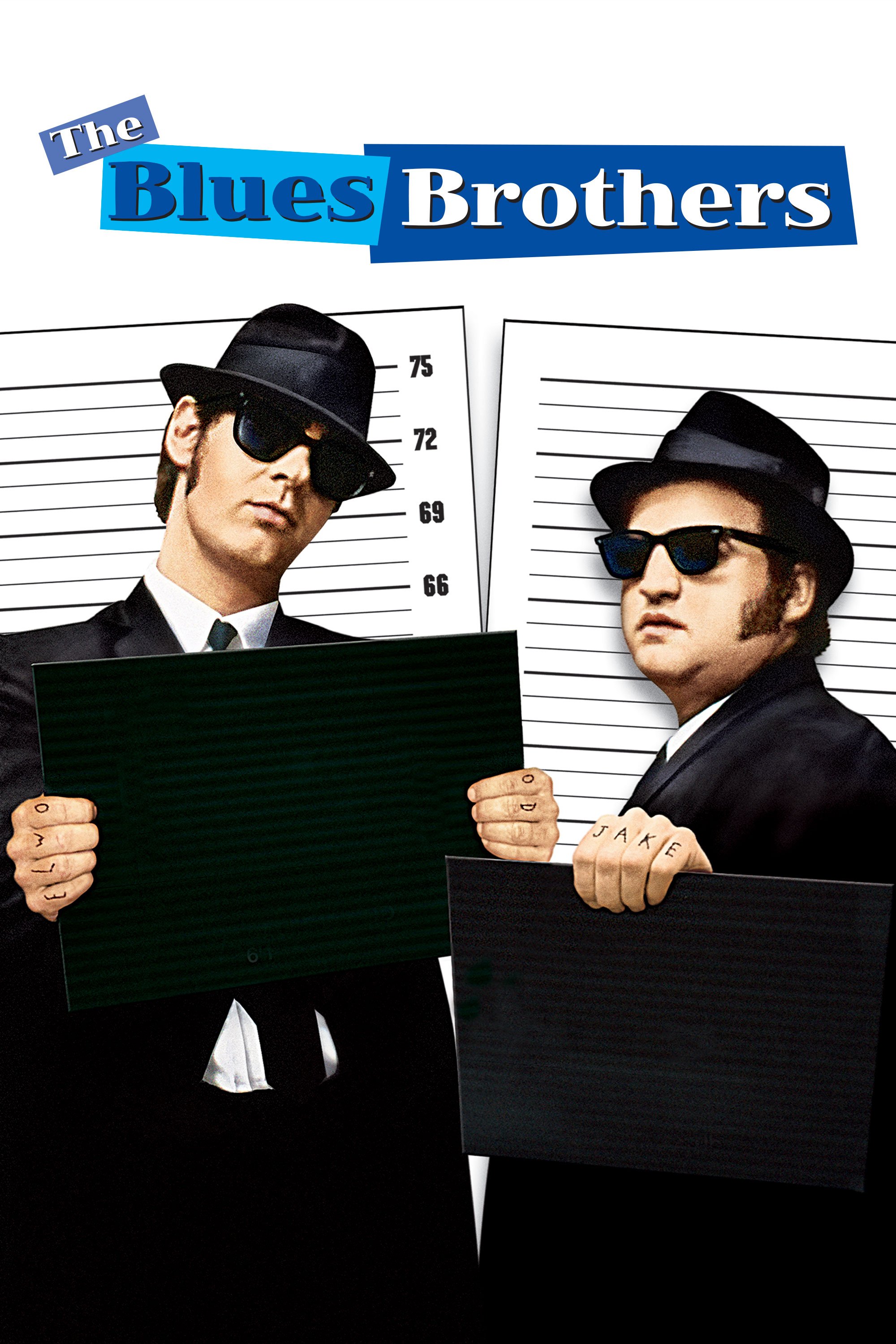
- The Blues Brothers began as a warm-up act, appeared as musical guests with Steve Martin and Carrie Fisher in 1978, then toured and released the hit album amid Belushi’s rapid rise.
- The film is placed near the start of a Chicago filmmaking revival and praised as a major city love letter preceding Ferris Bueller. The discussion’s mayor identification is not independently verified.
- Aykroyd reportedly delivered an unwieldy 324-page first script filled with digressions despite never having written or read a screenplay.
- The troubled production reportedly included a $3.5 million downtown scene, budgeted cocaine, an on-set private bar and an eventual $27.5 million budget that angered executives.
- The film is reported to have grossed $115.2 million, ranked tenth for 1980 and sixth among musicals, and launched alongside a concert tour; the claimed same-day Empire release is retained only as a podcast claim.
- Mixed contemporary reviews and criticism of excess are contrasted with enthusiasm from Siskel and Ebert.
- The original script reportedly contained separate recruitment plots for eight band members, compressed because they would not make a workable movie.
- Aretha reportedly struggled with lip syncing; Hooker is said to be the only singer recorded live.
- The Colleen Camp poster in Elwood’s apartment prompts a reported Apocalypse Now history: Lynda Carter’s original casting, storm interruption, Wonder Woman conflict and replacement poster recreating her original pose.
- Thirteen Bluesmobiles were reportedly bought at auction, plus sixty police cars at $400 each.
- Forty stunt drivers and more than five hundred extras reportedly worked on the climax; a Pinto was dropped from a helicopter at 1,200 feet with special FAA permission.
- A Vanity Fair account describes a daily chain of executive anger over spending, eventually reaching Aykroyd as the person responsible for getting Belushi to work.
- Woodward’s Wired is described as controversial and drug-focused, supplying much production history later reused; Belushi disappearing into nearby homes makes the making-of seem filmworthy.
- The film reportedly destroyed 103 cars, a record later surpassed by The Matrix Reloaded’s 300.
- Belushi’s skateboarding injury reportedly required an urgently summoned orthopedic surgeon to keep his knee usable for filming.
- The Hollywood Palladium reportedly doubled for Chicago; enthusiastic concert crowds are praised, although their initial indifference to the first song is questioned.
- Aykroyd is quoted as blaming racist Southern theater refusals for suppressing box-office potential.
- Elwood’s freeze-framed record lists 116 parking and 56 moving violations with orders to arrest him and impound the vehicle.