Bruce Willis; Colleen Camp; Sam Phillips; summer action setting; Wall Street school system; gold reserves; Bonwit Teller; Die Hard sequels; McClane’s sidekicks
Willis receives support for this comeback period: Pulp Fiction and this hit lead into a run of major films and first-call status. — Bill Simmons
Willis and Demi Moore’s combined stardom adds to the case; Moore’s reported Striptease salary is corrected from twenty to twelve million.
Jackson’s peak is unresolved among the Pulp Fiction era, Jackie Brown, later-1990s permanence and Star Wars. — Bill Simmons
Irons’s Oscar win or Margin Call are alternatives; Harlem is rejected as only a brief setting here, with Harlem Knights, The Cotton Club and Hoodlum discussed. — Van Lathan
Summer as an integral action-movie setting receives qualified support, as do the Wall Street school system, gold reserves and Bonwit Teller.
Gibson and Glover could fit the material, though the Willis–Jackson pairing is preferred.
Annabella Sciorra could replace Colleen Camp as a colleague and post-divorce lover who dumped McClane for drinking, adding workplace tension and personal stakes. — Bill Simmons
Joe Pantoliano could fit as Walter Cobb or elsewhere among the police without weakening the film.
San Francisco is an alternative city; Los Angeles traffic would make the timed missions impossible.
If Spielberg followed 1941 with this runaway production, would he still direct Raiders? A Poltergeist follow-up is explicitly framed as a joke at Hooper’s expense. — Bill Simmons
Why Bob abandons his business to pursue the brothers over $200 is questioned; humiliation is offered as motivation. — Bill Simmons
The country bar seems far removed culturally from Chicago, though nearby Indiana could explain it. — Chris Ryan
The scarcity of explicit cocaine use in apparently drug-fueled period movies is questioned, with Cruising a disputed example involving uncertain substances.
How badly the brothers smell is questioned given unwashed clothes, sewer travel and restaurant patrons objecting even amid smoking. — Chris Ryan
The Colleen Camp poster raises a playful shared-universe question with Apocalypse Now and an imagined veteran attending the band.
Belushi’s potential future is debated between more blockbuster comedies and serious acting; an imagined America’s Guest script illustrates spontaneous early-1980s filmmaking. — Bill Simmons
Whether this production encouraged Lorne Michaels to gain more control of SNL adaptations is asked; later contractual participation and power are discussed with explicit uncertainty. — Bill Simmons
The rare original Lynda Carter centerfold is an attractive memorabilia choice; a discovered sale listing gives no available price. — Sean Fennessey
Jake and Elwood’s hats and Ray-Bans are desirable, recalling souvenir gear at the sequel premiere; a reported five hundred lost glasses makes an original pair hard to identify. — Sean Fennessey
Elwood’s briefcase and the collapsed car are alternatives, but the Colleen Camp poster is the preferred object because of its film history. — Bill Simmons
The harmonica from the major performance is another choice. — Bill Simmons
The film is placed near the start of a Chicago filmmaking revival and praised as a major city love letter preceding Ferris Bueller. The discussion’s mayor identification is not independently verified. — Bill Simmons
Aykroyd reportedly delivered an unwieldy 324-page first script filled with digressions despite never having written or read a screenplay.
The troubled production reportedly included a $3.5 million downtown scene, budgeted cocaine, an on-set private bar and an eventual $27.5 million budget that angered executives. — Bill Simmons
The film is reported to have grossed $115.2 million, ranked tenth for 1980 and sixth among musicals, and launched alongside a concert tour; the claimed same-day Empire release is retained only as a podcast claim. — Bill Simmons
Mixed contemporary reviews and criticism of excess are contrasted with enthusiasm from Siskel and Ebert. — Bill Simmons
The original script reportedly contained separate recruitment plots for eight band members, compressed because they would not make a workable movie.
Aretha reportedly struggled with lip syncing; Hooker is said to be the only singer recorded live. — Bill Simmons
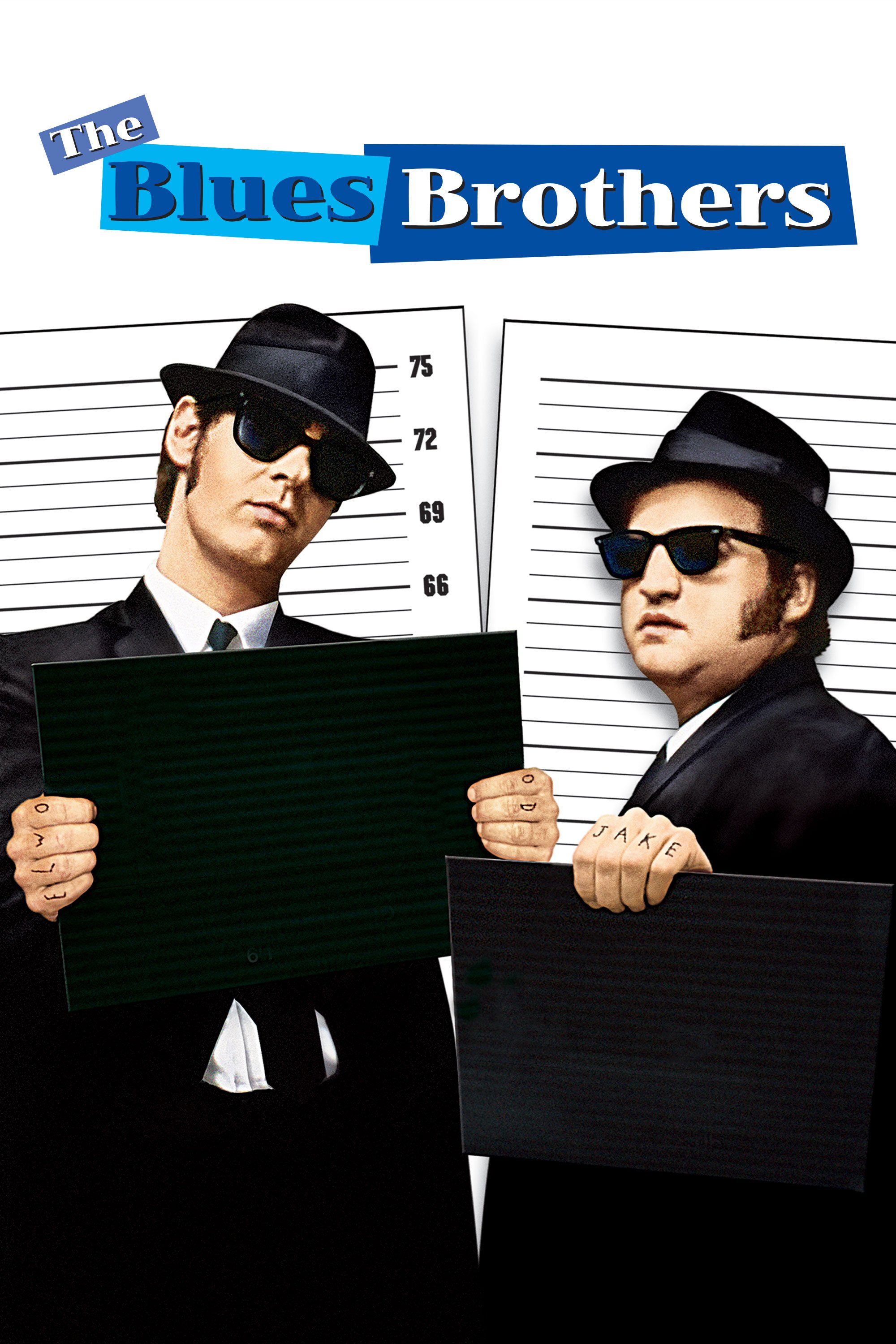
The Colleen Camp poster in Elwood’s apartment prompts a reported Apocalypse Now history: Lynda Carter’s original casting, storm interruption, Wonder Woman conflict and replacement poster recreating her original pose. — Sean Fennessey
Thirteen Bluesmobiles were reportedly bought at auction, plus sixty police cars at $400 each. — Bill Simmons
Forty stunt drivers and more than five hundred extras reportedly worked on the climax; a Pinto was dropped from a helicopter at 1,200 feet with special FAA permission. — Bill Simmons
A Vanity Fair account describes a daily chain of executive anger over spending, eventually reaching Aykroyd as the person responsible for getting Belushi to work. — Chris Ryan
Woodward’s Wired is described as controversial and drug-focused, supplying much production history later reused; Belushi disappearing into nearby homes makes the making-of seem filmworthy. — Bill Simmons
The film reportedly destroyed 103 cars, a record later surpassed by The Matrix Reloaded’s 300. — Bill Simmons
Belushi’s skateboarding injury reportedly required an urgently summoned orthopedic surgeon to keep his knee usable for filming. — Bill Simmons
The Hollywood Palladium reportedly doubled for Chicago; enthusiastic concert crowds are praised, although their initial indifference to the first song is questioned. — Bill Simmons
Aykroyd is quoted as blaming racist Southern theater refusals for suppressing box-office potential. — Bill Simmons
Elwood’s freeze-framed record lists 116 parking and 56 moving violations with orders to arrest him and impound the vehicle. — Bill Simmons