Film credit
Barbara Hershey
Stats
- Episodes featuring their films
- 3
- Movies in this archive
- 3
Episodes featuring Barbara Hershey’s films
The Rewatchables
Mentioned in discussions

Producer review
Loved it
In the discussion (2)
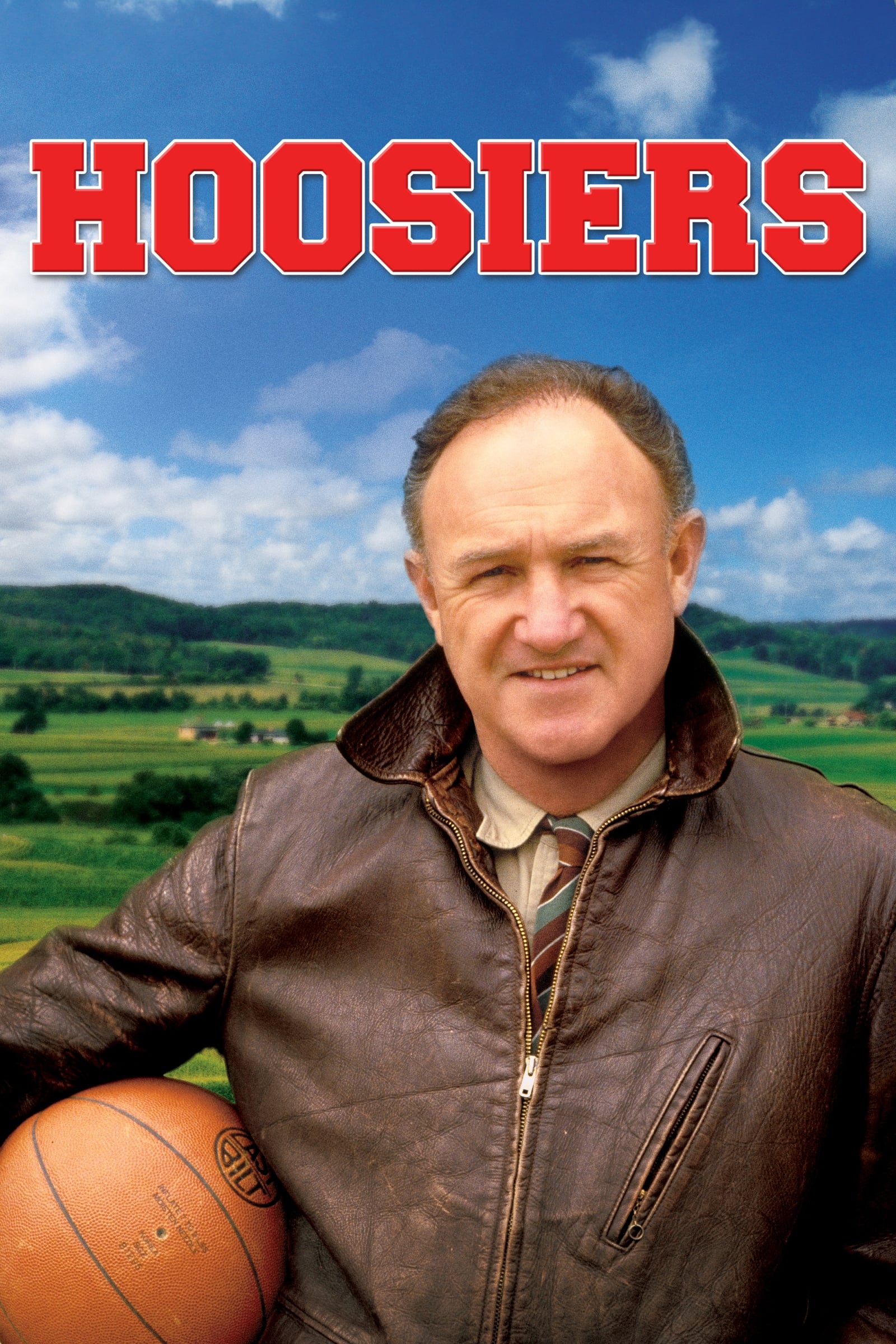
- Loved the movie, but did not understand why Barbara Hershey's character, who hates basketball, goes to any of the games. — Craig Horlbeck
- Suggested explanations: she loves Jimmy and is looking out for him, or she likes the attention of being the curmudgeon. — Bill Simmons
Recasting Couch
No recast; Meryl Streep as the head coach in a women's basketball remake
In the discussion (2)
- The movie would not be touched; Barbara Hershey alternatives are possible, but her villainy is good. — Bill Simmons
- Meryl Streep as the head coach if they remake it as a women's basketball movie. — Bill Simmons

What’s Aged the Worst?
Myra Fleener's mean-spirited character; Hackman and Hershey kissing; the racial pattern criticized in Best Seat in the House; Coach Dale's coaching
In the discussion (12)
- Barbara Hershey's Myra Fleener is the token wet-blanket female character (the 'Adrian Balboa Hall of Fame'), the most mean-spirited version, who jumps on the bandwagon once the team wins. — Bill Simmons
- Deleted scenes released on DVD around 2003-2004 include Myra thanking Coach Dale, saying she is moving to Chicago and that Chicago isn't that far away. — Bill Simmons
- The studio wanted it under two hours (the final film is an hour 57), so scenes were cut, including Buddy asking back on the team; 19 minutes of scenes are missing. — Bill Simmons
- A column asking how Buddy just showed back up was reportedly read in Bristol by John Walsh. — Bill Simmons
- Hackman's aroused look after the feed-truck and dinner exchange prompts jokes about his lack of sex scenes, and The Firm as horny Gene Hackman. — Bill Simmons
- Any scene with Hackman and Hershey kissing is rough, like watching grandparents kiss. — Bill Simmons
- The actor who played Flatch was seemingly spotted as a cop in a late-night erotic thriller that is not on his IMDb. — Bill Simmons
- A basketball book written with Ralph Wiley, Best Seat in the House, called Hoosiers racist for white players toppling South Bend's black players, a pattern traced to Rocky; this tainted the movie about 10%. — Bill Simmons
- The film is based on the 1954 Milan team, whose opponent had black players, though Milan was a strong team; the white-hero pattern recurred in that era. — Bill Simmons
- Watching with that lens, the South Bend white backcourt, not the black players, costs the game. — Ryen Russillo
- Coach Dale's coaching is questioned: the pass-four-times rule, hiring the town drunk, playing four players, ejections, not running the final play for Jimmy, and not playing Strap enough. — Bill Simmons
- His greatest gift was getting everybody rowing in the same direction, like Joe Tori, but the resume is not one of the all-time greats. — Ryen Russillo

Casting What-Ifs
Deborah Winger, Amy Irving, Barbara Hershey, Sean Young, Jeff Bridges, Tom Selleck, Danny DeVito, Klaus Kinski, and Jonathan Pryce
In the discussion (6)
- Philip Kaufman was initially to direct, while Deborah Winger declined Marion, Amy Irving was unavailable, Barbara Hershey was considered, and Sean Young screen-tested opposite Indy candidates. — Bill Simmons
- Jeff Bridges was liked and auditioned but apparently was not formally offered Indy; the hosts think he would be good but less physically hard-nosed than Ford.
- Tom Selleck was fitted and nearly cast until CBS retained him for Magnum P.I.; a strike later would have freed him, but Ford had already been chosen.
- Lucas resisted overusing Ford, Spielberg pushed for him, and Ford accepted salary, gross participation, and dialogue-rewrite rights while actively questioning production choices.
- Danny DeVito could not play Sallah because of Taxi, Klaus Kinski rejected Toht for better pay on Venom, and Jonathan Pryce was considered for Belloq.
- The Selleck/Ford choice is ranked among the most consequential movie sliding doors because it affects both Indiana Jones and Ford’s later career. — Bill Simmons
Picking Nits
Unnoticed figures in photos and drawings; Barbara Hershey's character withholding the family history; the mother's protection standards; kids going into attics; Josh staying late to grade papers
In the discussion (8)
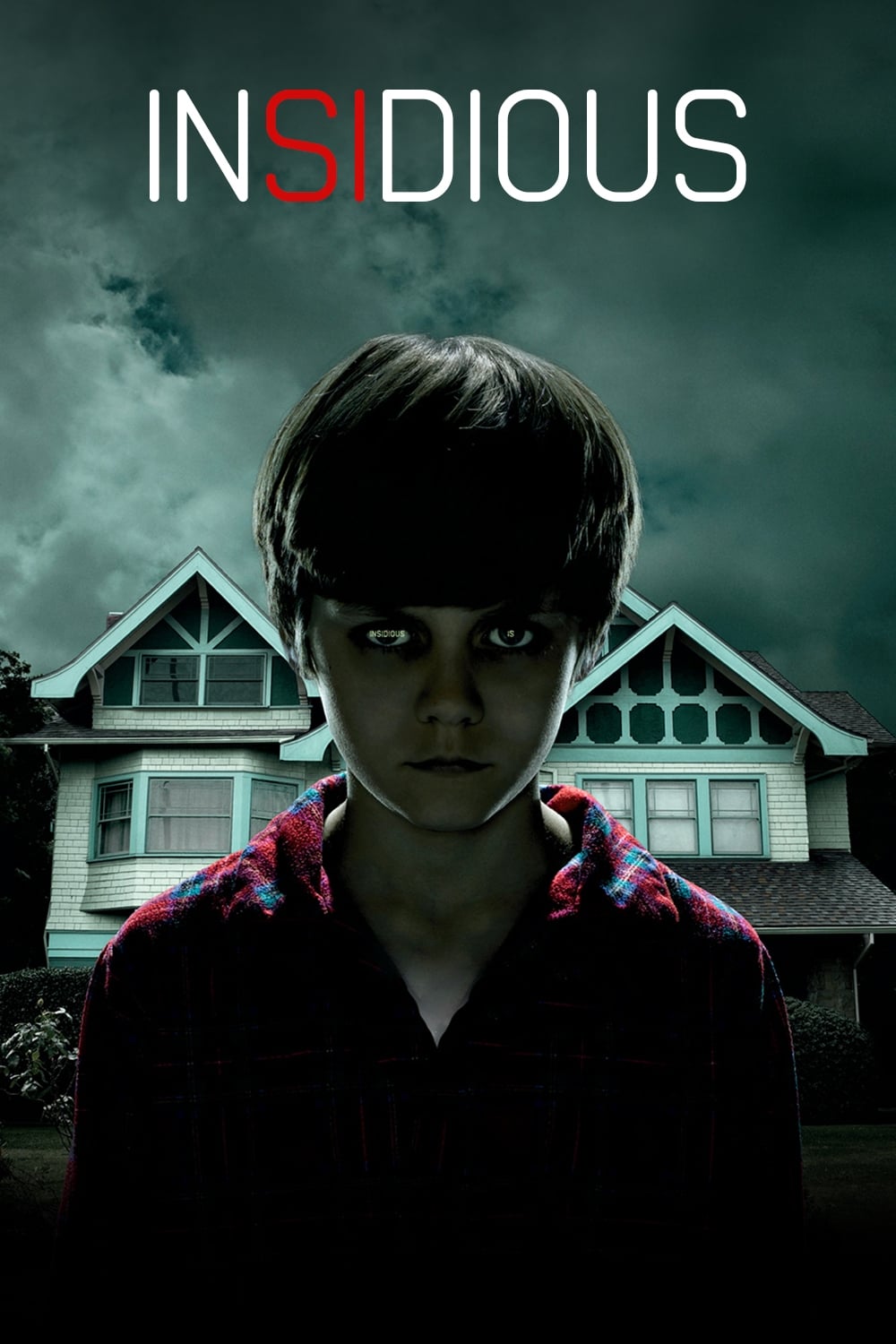
- Barbara Hershey's character sitting on the family history instead of telling her son is raised early as a nit; a parent would mention a ghost in every photo before their kids had kids.
- How nobody notices the weird figure in the pictures, or the figure in the kid's drawings, is a red flag. — Bill Simmons
- Rose Byrne's character is called a terrible mother whose protection standards were too low: she should refuse the new house and have everyone sleep in one room. — Bill Simmons
- The son has brought home zero demon drawings despite watching hundreds of horror movies, and the mothering in this movie was pretty bad. — Bill Simmons
- How Elise knows Dalton can astral travel is raised as a nit but disputed: a reply says she knew the father and went through it before, and mediums get a lot of leeway, like the Poltergeist medium.
- Whether 600 dollars per exorcism can pay the bills is questioned; a Patreon pod is the joke answer. — Chris Ryan
- Little kids do not go into creepy attics; a follow-up asks whether Dalton goes up because he is already called there, and heredity versus the fall is left a chicken-or-egg question. — Bill Simmons
- Patrick Wilson's character staying to grade papers while his family is terrorized would mean the divorce papers are signed; he is a high school teacher, not working the Mueller Report. — Bill Simmons

The Dion Waiters Award for Best Heat Check Performance
No affirmative selection
In the discussion (3)
- The face licker could also get it, and Joseph Bashar has a bid as the red-faced demon. — Bill Simmons
- Barbara Hershey left it on the table. — Bill Simmons
- Specs and Tucker, the thread through all four Insidious films, could be up for it together; Lee Wannell plays one of them and also made The Invisible Man and Upgrade. — Bill Simmons

What’s Aged the Best?
The score; the creepy house; Patrick Wilson's horror résumé; Barbara Hershey's creepiness; Rose Byrne's performance; what they did with the budget; the word Insidious
In the discussion (7)
- The music is one answer: they crushed the score. — Sean Fennessey
- The house is rated an eight and a half as a creepy house against a 10 for the Amityville Horror house, whose lit attic windows look like eyes. — Sean Fennessey
- Patrick Wilson's horror IMDb (three Insidious films, two Conjurings, Annabelle Comes Home, The Nun, Lakeview Terrace, Young Adult) makes him an underappreciated Scream King or "horror daddy" to Jamie Lee Curtis's Scream Queen. — Bill Simmons
- Barbara Hershey has something inherently creepy and grave about her, as in The Natural as the lady in black and even in Beaches.
- Rose Byrne is utterly believable from the start, working on her songs, which makes you care about her.
- What they squeezed out of such a small budget is both an aged-best and aged-worst point. — Bill Simmons
- Insidious is a great word, added as a forgotten aged-best point. — Chris Ryan

Most Rewatchable Scene
Gas mask séance scene
In the discussion (12)
- The first listed scene is the kid falling off the ladder in the attic, which sets everything up; the attic works because of its high ceiling, trickling light and a ladder to another level, and the furnace is in the attic too.
- A childhood attic is likened to the Raiders of the Lost Ark warehouse, and a family once heard running noises in their attic that the kids hoped was a ghost; an exterminator found rats that came up the ivy. — Bill Simmons
- The Conjuring is a basement, East Coast movie while this is an attic, West Coast movie; creaky craftsman houses, also used well in Mike Flanagan's second Ouija movie, are underused in haunted house films. — Bill Simmons
- The first evil baby monitor scene is next; a baby monitor that is always on and suddenly carries a strange voice works every time. — Bill Simmons
- After the move, figures seen in and dancing through the new house in broad daylight, with the Tiny Tim needle drop, make the family realize the thing followed them; daylight can be scarier than 3 a.m.
- The idea that the people, not the house, are haunted answers the usual question of why a family does not just move. — Bill Simmons
- The revelation "it's not the house that's haunted, it's your son" is an always-great swerve. — Bill Simmons
- The gas mask scene follows, then the face licker showing up when all hell breaks loose; her old-school analog ghost-detecting equipment, shared with Specs and Tucker, is loved. — Bill Simmons
- The ghost figures noticed in the photographs is another listed scene, and Patrick Wilson saving his son is the last.
- Favorite scene is the séance with the gas mask, with a shout-out to Rose Byrne uncovering the handprint on the sheets, which starts as worry that he is bleeding. — Chris Ryan
- Two Barbara Hershey scenes matter; the kitchen-table scene brings the first demon reveal crouched behind Patrick Wilson, remembered as one of the scariest scenes seen in a theater, with a spilled Coke. — Bill Simmons
- The whole gas mask scene with the face licker and the translating of what the spirits say is named as a favorite: "I'm going with that." — Sean Fennessey

What’s Aged the Best?
Red and Pop (Farnsworth and Brimley), or the Randy Newman score
In the discussion (10)
- The incredible cast: three Oscar winners in Redford, Duvall and Basinger, nominees Glenn Close, Barbara Hershey and Richard Farnsworth, plus Robert Prosky, Michael Madsen and Joe Don Baker; Madsen was never one host's thing, though a college friend stuck by him through his problems and still mourns Bump.
- Basinger is in the final eight of a most-beautiful-woman-in-a-movie bracket, and her constant lip licking raises whether it is deliberate or just her essence; Diane Lane in Unfaithful is a similar case.
- Brimley and Farnsworth as Pop and Red are perfect and some of the best stuff in the movie; it is sobering that Brimley was the same age as one host is now yet seems 78, and only about two years older than Redford in real life.
- Hobbs played semi-pro ball for the Hebrew Oilers, prompting a hunt for t-shirts on Cafe Press or Redbubble; the Randy Newman score was Oscar-nominated, is instantly associated with the film, and gets yanked for NBA and World Series montages.
- Basinger is named again, with a nod to Alec Baldwin and their handsome couple; Max Mercy, who never played sports but makes it more fun to watch, is a model for sports media, and the hosts imagine him resisting digital media at the New York Daily News, still drawing cartoons, before being wooed by Sirius for Mad Dog Radio or a podcast.
- John Rhodes, the Pittsburgh lefty who is a Roy Hobbs spitting image with a good throwing motion, is great casting, and the slow-motion shot of the guys flying out of the dugout after the homer is an all-time favorite.
- Roy Hobbs is a three-true-outcomes player for the modern era, homering, striking out or walking, like 2003 Bonds or a nine-WAR player with a 184 wRC+, though his defensive value would be poor since he is slow and unwieldy and his side hurts every time he reaches for a ball.
- The old-school baseball fashion and aesthetics, especially the Cubs uniforms, have aged wonderfully, even though the heavy fire-retardant uniforms look as warm as wildling furs.
- Iris as an independent spirit and trailblazing feminist: Roy gets her pregnant in the barn, proposes romantic bullshit and never returns, and she raises the boy alone in Chicago with a nice apartment, a job and a drugstore where they know her name, can get an usher to deliver a note, and still gets the guy at the end.
- The final pick is Red and Pop, with a wish for 30 minutes of deleted dugout ad-libs or a mic'd-up game, or else the iconic score.