‹ All people

Film credit

John C. Reilly

Also referred to as Reilly, Riley, John C. Riley

Stats

Episodes featuring their films
8
Movies in this archive
9

Rewatchables episodes featuring John C. Reilly’s films

Days of Thunder

1990 film

Bill Simmons · Chris Ryan · Kyle Brandt

Aired March 18, 2025

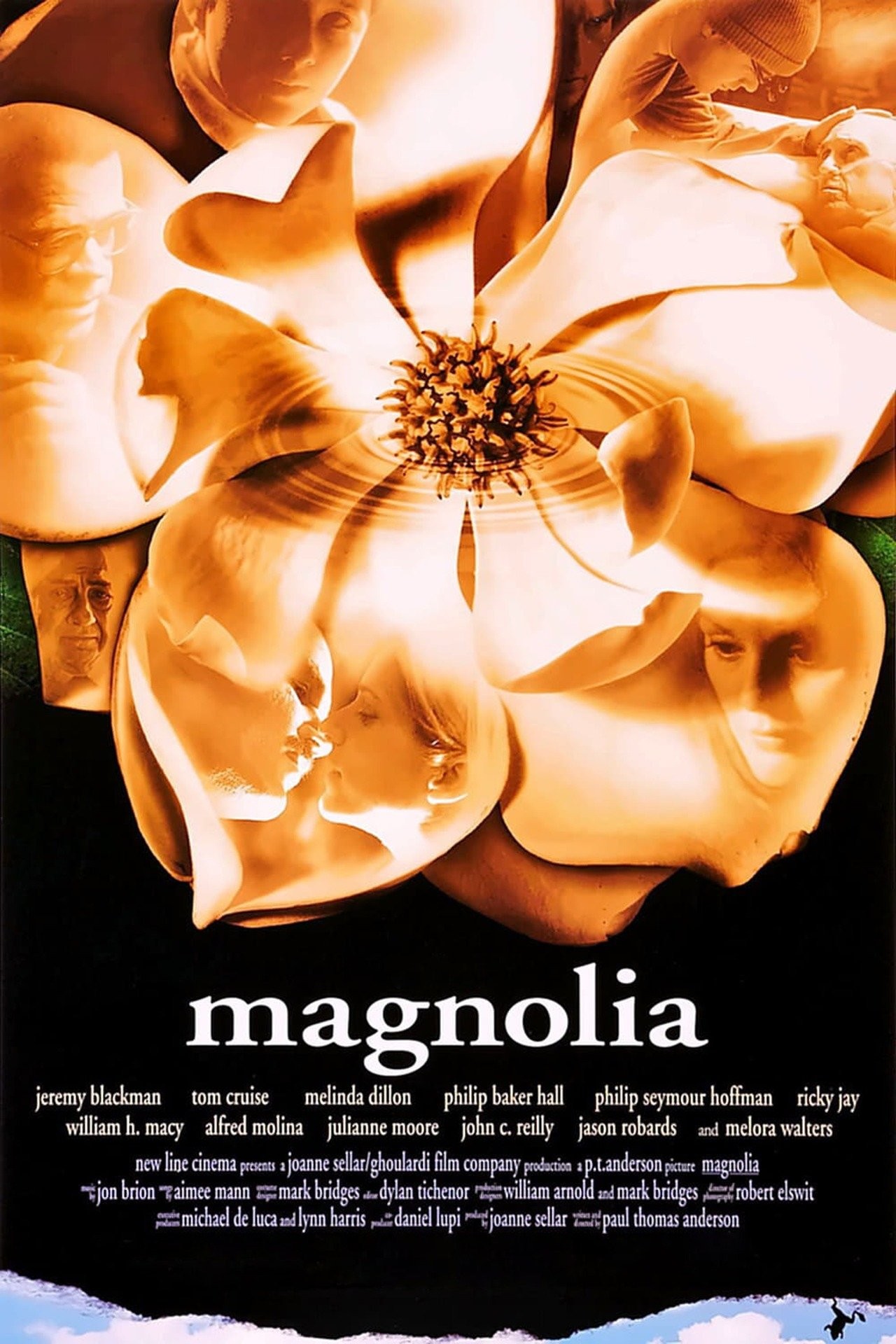
Magnolia

1999 film

Bill Simmons · Chris Ryan · Sean Fennessey

Aired April 16, 2024

Boogie Nights

1997 film

Bill Simmons · Chris Ryan · Sean Fennessey

Aired September 27, 2022

Boogie Nights

1997 film

Bill Simmons · Chris Ryan · Sean Fennessey

Aired September 27, 2022

Step Brothers

2008 film

Bill Simmons · Chris Ryan · Sean Fennessey

Aired July 13, 2018

Displaying all 8 episodes

Mentioned in discussions

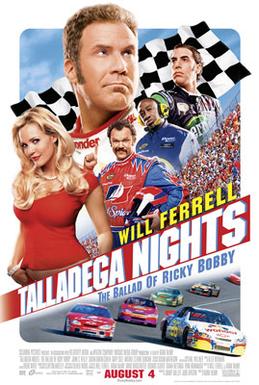
Talladega Nights: The Ballad of Ricky Bobby

Apex Mountain

Will Ferrell, John C. Reilly, NASCAR, Sacha Baron Cohen, and several cultural details receive Apex Mountain discussion.

In the discussion (5)
Approx. transcript time · 01:41:09Read transcript
  • Will Ferrell’s peak is placed in the Elf–Anchorman–Talladega Nights–Step Brothers window, with Talladega Nights supported by its blank-check premise and box office.
  • John C. Reilly’s apex is tied to this movie leading into Walk Hard. — Craig Horlbeck
  • The panel says 2006 may be NASCAR’s audience and movie apex while acknowledging limited expertise.
  • Sacha Baron Cohen’s Talladega Nights and Borat releases in the same four-month span make 2006 his choice.
  • Shake and Bake, sideburns, and Jack McBrayer are also tested as cultural or career peaks.
Talladega Nights: The Ballad of Ricky Bobby

Half-Assed Internet Research

The production’s NASCAR access, unpaid brand placement, the stars’ first race-car experience, cast ages, and improvisational filming

In the discussion (6)
Approx. transcript time · 01:34:41Read transcript
  • The movie used real NASCAR locations, drivers, commentators, and details. — Craig Horlbeck
  • Sony reportedly did not charge Wonder Bread, Old Spice, Perrier, or other brands for product placement; the brands promoted the movie. — Craig Horlbeck
  • Will Ferrell’s father Roy Lee Ferrell played with the Righteous Brothers and has a song in the film.
  • Ferrell and John C. Reilly were frightened by their first short track runs but returned rather than leave early.
  • Gary Cole and Jane Lynch were only eleven and seven years older than Will Ferrell.
  • The dinner scene took a day and produced ruined takes because the camera operator laughed.
Talladega Nights: The Ballad of Ricky Bobby

Casting What-Ifs

John C. Reilly’s Cal role and Sacha Baron Cohen’s Jean Girard role had several reported alternatives.

In the discussion (3)
Approx. transcript time · 01:24:05Read transcript
Days of Thunder

What’s Aged the Best?

Robert Duvall, craft, cast, and racing lessons

In the discussion (8)
Approx. transcript time · 01:03:42Read transcript
For Love of the Game

Picking Nits

Statistics; trade veto; manager; uniforms; baserunning; ending; daughter; scar; Gus; crowd; food; romance; father

In the discussion (15)
Approx. transcript time · 01:09:11Read transcript
  • Chapel's season line—30 starts,211 innings,8–11 record,3.55 ERA,98 walks and 111 strikeouts—is challenged for incompatible-seeming workload and run-prevention implications. — Bill Simmons
  • The manager’s urgency despite a 64–97 record is a nitpick. — Bill Simmons
  • Unusually high Yankees uniform numbers are a nitpick. — Bill Simmons
  • Reilly's awkward baserunning is criticized, with a wide shot using a double proposed. — Bill Simmons
  • Chapel's service is corrected to eighteen completed years entering his nineteenth season; ten-and-five trade-veto rights undermine the threatened Giants trade plot. — Mallory Rubin
  • The preferred alternative ending leaves Chapel crying alone in his hotel, possibly without the perfect game; Jane finding someone else abroad is proposed jokingly. — Mallory Rubin
  • Jane joking about Heather's name during an urgent runaway call is considered inconsistent with her fear; calling an estranged partner rather than a contact in Boston, where the father lives, is also challenged. — Mallory Rubin
  • The tiny hand scar is considered incompatible with the severe saw injury and emergency transfer; a more visibly damaged hand is proposed, with doubt about whether he could then pitch again. — Mallory Rubin
  • Gus wearing the Tigers cap in a New York hotel and his exaggerated drunken portrayal are criticized. — Mallory Rubin
  • Leaving a glass of water in Gus’s hand rather than a bottle nearby is questioned, as is his greater drunkenness than Chapel. — Mallory Rubin
  • The aerial view's empty seats are challenged for a potential pennant-clinching game, whose stakes also receive too little broadcast emphasis. — Mallory Rubin
  • Chapel eating bread and milk in a glass is questioned as an unfamiliar habit. — Mallory Rubin
  • Jane foregoing goodbye sex is questioned; the claim that she is presented as nonsexual is countered with their first-night encounter and other sexual references. — Mallory Rubin
  • Chapel describing his supposedly important father merely as very tall is criticized as weak dialogue. — Mallory Rubin
  • The saw accident prompts a joking distraction theory and a serious objection that a professional pitcher should avoid risking his hands. — Bill Simmons
For Love of the Game

What’s Aged the Best?

Clear the mechanism; Costner as a baseball player

In the discussion (17)
Approx. transcript time · 00:42:19Read transcript
  • Clear the mechanism is praised as an enduring phrase. — Mallory Rubin
  • Sam Tuttle is praised as an ideal Yankees villain, especially his attempt to bunt against the perfect game. — Bill Simmons
  • Brian Cox, John C. Reilly and J.K. Simmons are aged-best candidates; Simmons's genial manager is contrasted with his then-familiar violent racist character on Oz. — Bill Simmons
  • Against the Wind is an aged-best choice. — Bill Simmons
  • The old Yankee Stadium is an aged-best choice. — Bill Simmons
  • Vin Scully is credited with elevating the baseball from ordinary to exceptional; a reported interview suggests freedom to alter dialogue, and his real perfect-game experience adds authority. — Mallory Rubin
  • Costner as a baseball player and in various states of undress are praised, particularly the locker-room changing and sensual handling of his glove. — Mallory Rubin
  • Jane's restrained sexual presentation is criticized in contrast to Costner's, while a defense argues it differentiates her from his usual partners; her museum appearance is praised. — Mallory Rubin
  • The relationship with Birch, nicknamed Scarecrow, is praised for handling friendship and a player's move for family and money without excessive emphasis. — Bill Simmons
  • Signing autographs during the couple's argument is praised as realistic for 1999, but also considered dated because phone cameras would now expose the conversation. — Bill Simmons
  • Gus’s reassurance speech is an aged-best candidate. — Bill Simmons
  • Obnoxious Yankees fans are an aged-best candidate; the caricatured hecklers remain amusing. — Mallory Rubin
  • Gus's .184 batting average inspires a joking theory that the Tigers valued pitch framing before its wider recognition. — Mallory Rubin
  • The catching footage is thought to rely on a double for Reilly, which is considered understandable given the fastballs. — Mallory Rubin
  • The initial sexual arrangement is praised for honesty about Chapel’s behavior. — Mallory Rubin
  • The flashback structure is preferred to conventional narration despite the weak romance. — Mallory Rubin
  • Final aged-best choices split between Clear the mechanism and Costner as a baseball player, with Scully acknowledged as a tempting alternative. — Bill Simmons
For Love of the Game

Most Rewatchable Scene

Mickey Hart’s catch; ninth inning

In the discussion (25)
Approx. transcript time · 00:21:00Read transcript
  • The first-inning sequence is nominated, from insisting on Gus as catcher through the confrontation with Sam Tuttle; the manager exchange and J.K. Simmons are praised.
  • Access to Chapel's thought process makes the pitching duel compelling, contrasting the hostile Tuttle at-bat with his affection for Birch and comparing the mental approach to Bull Durham. — Mallory Rubin
  • Talking aloud on the mound and the dialogue itself are considered devices that should fail but work because they feel convincing. — Bill Simmons
  • The apparent full crowd and grandeur of the old Yankee Stadium are praised, with preference expressed over its replacement. — Mallory Rubin
  • The mound dialogue supplies welcome baseball history missing from the romance flashbacks, but the brief moving-out scene leaves the bond with Birch underexplored. — Mallory Rubin
  • The masseuse sequence is nominated by both speakers: the suggestive massage, Jane's surprise arrival, his greeting and the masseuse appearing upstairs make the comic situation work. — Mallory Rubin
  • The established relationship with the masseuse and immediate response to Jane declining the invitation are considered believable behavior for a professional athlete; the massage timing inspires a happy-beginning joke. — Mallory Rubin
  • Chapel discovering the perfect game and Gus's reassurance are nominated; the speech is praised as Reilly's standout scene despite reservations about the rest of his performance. — Bill Simmons
  • A veteran pitcher failing to recognize a perfect game is challenged, especially given teammates avoiding him; the distraction is nevertheless accepted as useful for the scene. — Mallory Rubin
  • The manager warming relievers and insisting he needs the game is considered less believable given the team's losing record and the perfect game in progress. — Bill Simmons
  • The attempt to replace Gus before what might be Chapel's final Tigers start is criticized as an implausible prioritization of the backup catcher's at-bats. — Mallory Rubin
  • Mickey Hart saving the perfect game is nominated and praised for its payoff, cap acknowledgment and the manager's reaction; the actual catch is criticized as insufficiently athletic. — Bill Simmons
  • Mickey's earlier ball-off-the-head error recalls Jose Canseco, but the depicted Fenway wall is challenged as nonexistent. — Mallory Rubin
  • Chapel discouraging Mickey from becoming a media joke is praised as valuable evidence of his generosity as a teammate and as material that should have formed more of the movie. — Mallory Rubin
  • Mickey's failed-prospect setup leaves open the possibility that the catch could turn his career around. — Mallory Rubin
  • Signing the retirement message on the baseball before the ninth is nominated; the delayed reveal, owner's reaction, manager's exclamation and Scully transition are praised. — Bill Simmons
  • The ninth inning is nominated, but the increasingly spectacular defensive outs culminate in an implausible diving shortstop play against an apparently quick runner. — Mallory Rubin
  • A strikeout is proposed as the more fitting final out for the story's individual achievement theme. — Mallory Rubin
  • An alternative ending in which the runner is safe and Chapel loses the perfect game is welcomed as interesting, while the filmed achievement remains emotionally effective. — Mallory Rubin
  • Scully's climactic commentary is praised, with relief that Steve Lyons recedes from the broadcast late in the game. — Mallory Rubin
  • The first dinner is nominated for engrossing badness: the notebook and lip-gloss exchange, awkward kissing question and later yes note create unintentional comedy, while Costner's appeal partly sells the moment. — Mallory Rubin
  • The hand-saw accident and hospital sequence are nominated for their excessive drama, especially Jane's outburst, not joining the helicopter and visibly aggrieved reaction. — Mallory Rubin
  • The makeup-smashing argument is nominated for unintentional comedy, particularly Chapel's solemn promise to hire a driver. — Mallory Rubin
  • Mickey Hart's catch is the final scene choice, with the first inning also strongly praised. — Bill Simmons
  • The ninth inning sealing the perfect game is the other final choice, chiefly for Scully's commentary on baseball history. — Mallory Rubin
Magnolia The Rewatchables
Magnolia

The Neil McCauley “A Book about Metals” Award for Best Line from the Movie

“Respect the cock”; “I’m not going to cry for you”; “I’m quietly judging you”

In the discussion (5)
Approx. transcript time · 01:01:57Read transcript
  • The past never being finished with us and Frank’s refusal to cry are nominated; Respect the cock is considered especially memorable.
  • Earl’s regret over losing his love is played as an intense contender. — Sean Fennessey
  • Reilly’s monologues are challenged as too simple; Frank quietly judging the interviewer is another choice. — Sean Fennessey
  • Sharing everything to survive the lies that destroy others is quoted.
  • The line about people needing help, forgiveness or jail is a final nominee. — Sean Fennessey
Magnolia The Rewatchables
Magnolia

What’s Aged the Worst?

Length; disputed subplots and performances; weather; singalong familiarity; threatening interview

In the discussion (9)
Approx. transcript time · 00:34:25Read transcript
  • Anderson’s 1999 prediction that Magnolia would be his best film is rejected; its personal ambition and flaws make it tempting to mentally repair.
  • Reilly’s subplot, Moore’s excessive intensity and overall length are criticized; removing Stanley and Donnie is proposed. — Chris Ryan
  • Unlike For Love of the Game’s obvious proposed cuts, this film invites disagreement over which stories are expendable; the quiz material is compelling but its necessity uncertain. — Chris Ryan
  • Walters is criticized as inadequate for a complicated role and its final scene, but defended as deliberately portraying an unpleasant, introverted cocaine addict rejecting kindness; later Adams or Stone is imagined as an alternative caliber.
  • Reilly’s simplicity is compared unfavorably with Forrest Gump and considered too prolonged, though defended as purposeful incompetence. — Chris Ryan
  • Moore’s subplot is proposed for removal; the pharmacy behavior seems implausibly intrusive and her lawyer-office confession excessively unhinged.
  • Rain and 99 percent humidity seem unlike Los Angeles, with the frog storm acknowledging the film’s unreality. — Sean Fennessey
  • The Wise Up singalong loses novelty after years of musical television episodes.
  • Frank’s threatening intrusion into the interviewer’s space feels uncomfortable.
Boogie Nights The Rewatchables
Boogie Nights

Apex Mountain

Cinema doughnut shops; Ridgely; Hartley’s mainstream acting; Hoffman’s background acting; “The Touch” in movies; movies about porn; movie parties (possible); “Sister Christian” in movies; Hall

In the discussion (10)
Approx. transcript time · 02:11:33Read transcript
  • Wahlberg no; PTA personal favorite versus career power There Will Be Blood, not equated. Two second-place preferences and another first-place preference are retained; Master prior near-top relative placement uncertain.
  • Italian leather alternatives Montalban commercial and Sopranos jacket; cinema donut shops yes; Ridgely yes; Hartley mainstream acting yes with broader-career ignorance. — Bill Simmons
  • Hoffman background acting here over Magnolia; Reynolds no. Thomas Jane alternatives Hung qualified/disliked and 61 preferred. — Bill Simmons
  • Graham Austin Powers 2 era; West Covina yes with Crazy Ex Girlfriend alternative. Moore uncertain Hours/Still Alice corrected Oscar/Far From Heaven or this film for new access.
  • The Touch here over Transformers; prosthetic movie genitalia Bruno alternative; Ricky Jay maybe House of Games; movies about porn yes. — Bill Simmons
  • Guzman How to Make It in America hypothetical Jacoby choice, Out of Sight preferred; movie parties possibly best, Project X comparator. — Chris Ryan
  • Reilly no: Step Brothers or Chicago, Jerry Bus current work admired. Macy/Cheadle no. — Sean Fennessey
  • Side-character name Floyd: Gondoli preferred by one, True Romance Floyd another; Penn brothers question and Sean eventual the film transcribed as liquor appearance.
  • Ridgely emphatic yes; Sister Christian yes here, Jessies Girl original number-one release preferred; Your Love Outfield misidentification corrected; Hall yes. — Bill Simmons
  • Reseda location here versus Karate Kid (preferred by one), Tom Petty lyric third alternative. — Bill Simmons
Boogie Nights The Rewatchables
Boogie Nights

The Joey Pants “That Guy” Award

No sole winner; several ensemble members qualified at the time

This discussion recalls a choice from an earlier episode.

In the discussion (3)
Approx. transcript time · 00:28:50Read transcript
  • Reilly, Guzman, Hall and Molina exemplify familiar faces before broad name recognition; Cheadle is recalled from a goat movie and Devil in a Blue Dress. — Bill Simmons
  • Ridgely was recognized as the Colonel; Macy’s Fargo had made him especially notable after Reynolds. Jane and Hoffman are discussed as actors emerging into familiar names; Downey Sr., Walters and the stage actress playing Dirk’s mother round out the casting discussion. — Bill Simmons
  • An eye for memorable performers makes even small parts stick, including Cheryl Ann and Johnny Doe.
Displaying discussions 1 - 12 of 23 in total

Films in the archive