Against the Wind is an aged-best choice. — Bill Simmons
The old Yankee Stadium is an aged-best choice. — Bill Simmons
Vin Scully is credited with elevating the baseball from ordinary to exceptional; a reported interview suggests freedom to alter dialogue, and his real perfect-game experience adds authority. — Mallory Rubin
Costner as a baseball player and in various states of undress are praised, particularly the locker-room changing and sensual handling of his glove. — Mallory Rubin
Jane's restrained sexual presentation is criticized in contrast to Costner's, while a defense argues it differentiates her from his usual partners; her museum appearance is praised. — Mallory Rubin
The relationship with Birch, nicknamed Scarecrow, is praised for handling friendship and a player's move for family and money without excessive emphasis. — Bill Simmons
Signing autographs during the couple's argument is praised as realistic for 1999, but also considered dated because phone cameras would now expose the conversation. — Bill Simmons
Gus’s reassurance speech is an aged-best candidate. — Bill Simmons
Obnoxious Yankees fans are an aged-best candidate; the caricatured hecklers remain amusing. — Mallory Rubin
Gus's .184 batting average inspires a joking theory that the Tigers valued pitch framing before its wider recognition. — Mallory Rubin
The catching footage is thought to rely on a double for Reilly, which is considered understandable given the fastballs. — Mallory Rubin
The initial sexual arrangement is praised for honesty about Chapel’s behavior. — Mallory Rubin
The flashback structure is preferred to conventional narration despite the weak romance. — Mallory Rubin
Final aged-best choices split between Clear the mechanism and Costner as a baseball player, with Scully acknowledged as a tempting alternative. — Bill Simmons
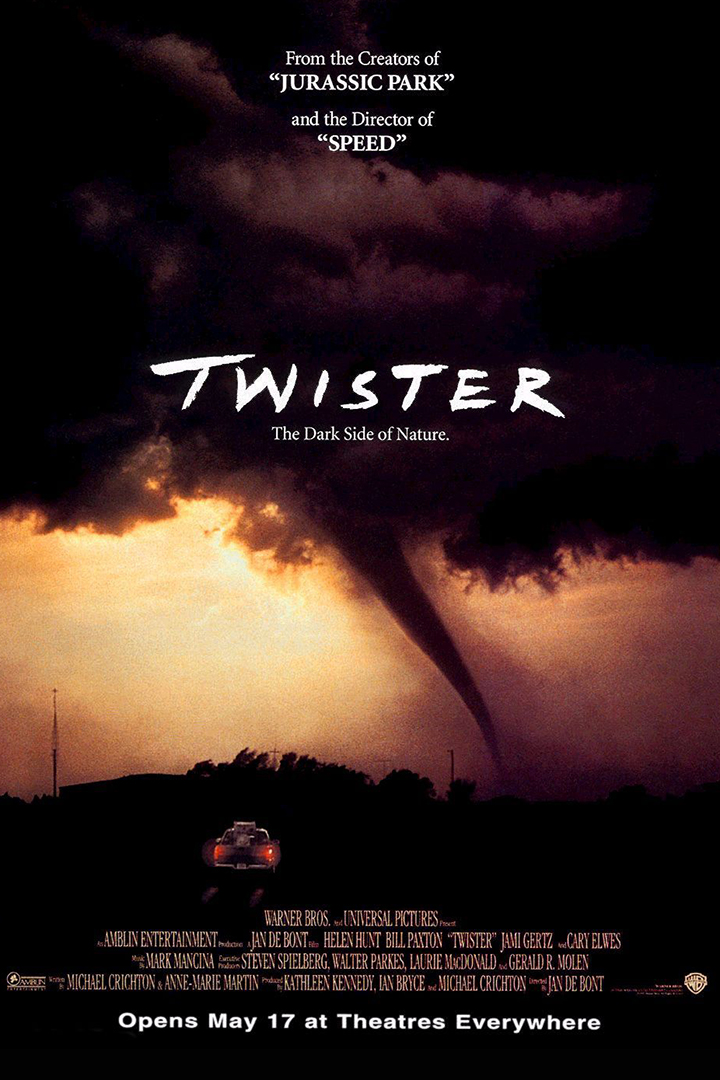
The opening childhood-trauma scene is nominated, especially the father holding the shelter door. — Bill Simmons
Bill seeking divorce signatures and meeting the crew efficiently establishes Dorothy and distinct personalities; Dusty’s immediate familiarity with Melissa defines his energy.
The first chase culminates in sheltering under a bridge and the truck’s sudden fall. — Bill Simmons
The second tornado’s flying cows impress despite trailer exposure; Melissa watches Bill embrace his ex-wife. — Bill Simmons
Aunt Meg’s kitchen-table meal is a favorite: food, Jonas mockery, Bill’s past and affection for Meg advance several threads together. — Bill Simmons
The meal’s F5 explanation ends with the preacher’s finger-of-God line; an overqualified Brian Cox cameo is imagined.
The hailstorm argument turns into Bill’s declaration of lingering love, overheard by Melissa through the walkie-talkie.
The drive-in storm is strongly favored for the lightning reveal behind The Shining screen, sustained destruction and quiet pre-storm atmosphere.
Melissa’s calm breakup is praised as clean, well acted and sensible once she recognizes Bill’s storm obsession.
Dorothy’s launch includes Jonas’s death, driving through a house and fleeing into the cornfield. — Bill Simmons
The final tornado’s interior view and house-driving spectacle are admired despite disbelief that the leads survive.
The drive-in receives the final choice; the Me Jo love confession is a close second. — Van Lathan
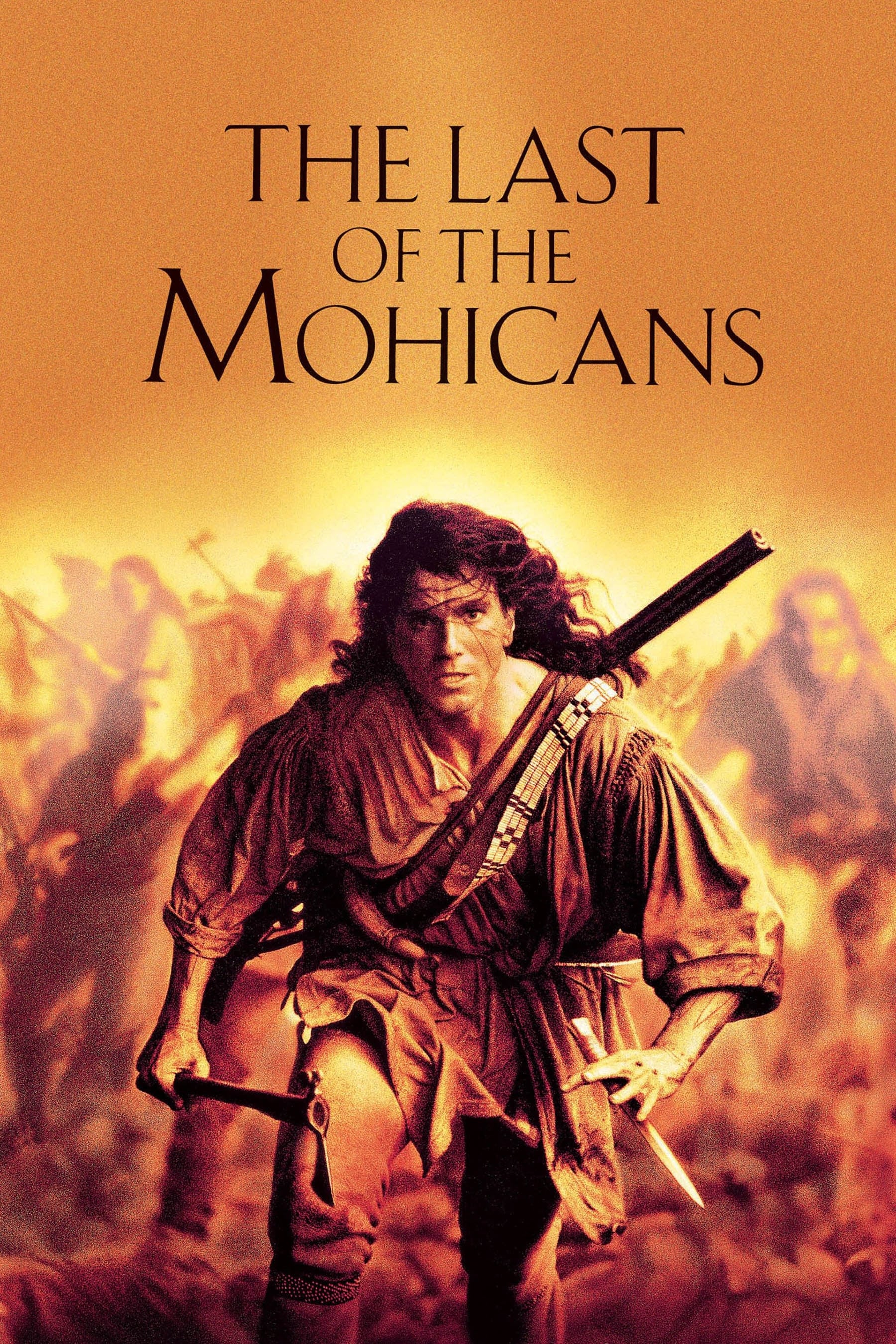
The hosts say Brian Cox was offered Colonel Monroe and turned it down. — Bill Simmons
The hosts say Andie MacDowell (transcribed 'Andy McDowell') was in the mix for Cora; she and Madeleine Stowe could have swapped almost every role, and the speaker says Stowe wins their all-time battle. — Bill Simmons
Counterpoint on whether Stowe could have led Four Weddings and a Funeral, and whether Andy McDowell (as transcribed) could have led Bad Girls. — Bill Simmons
The hosts say Jean Reno was offered General Montcalm (transcribed 'Montcom'), which would have been weird. — Bill Simmons
Clay Davis is ruled out because Isaiah Whitlock Jr. has transcended the role; Brian Cox is ruled out after Succession; Patrice O'Neill does not count either. — Bill Simmons
The pick is Saragusa, because younger viewers barely remember him as a football player; his accent is questioned but he is called good.
A host recounts that early in his time at ESPN his book agent proposed that he ghostwrite Tony Seraguse's biography for $40,000 "or whatever it was"; he declined and quickly got another agent. — Bill Simmons
He is praised for aging into his post-sports body and pulling off the accent. — Bill Simmons
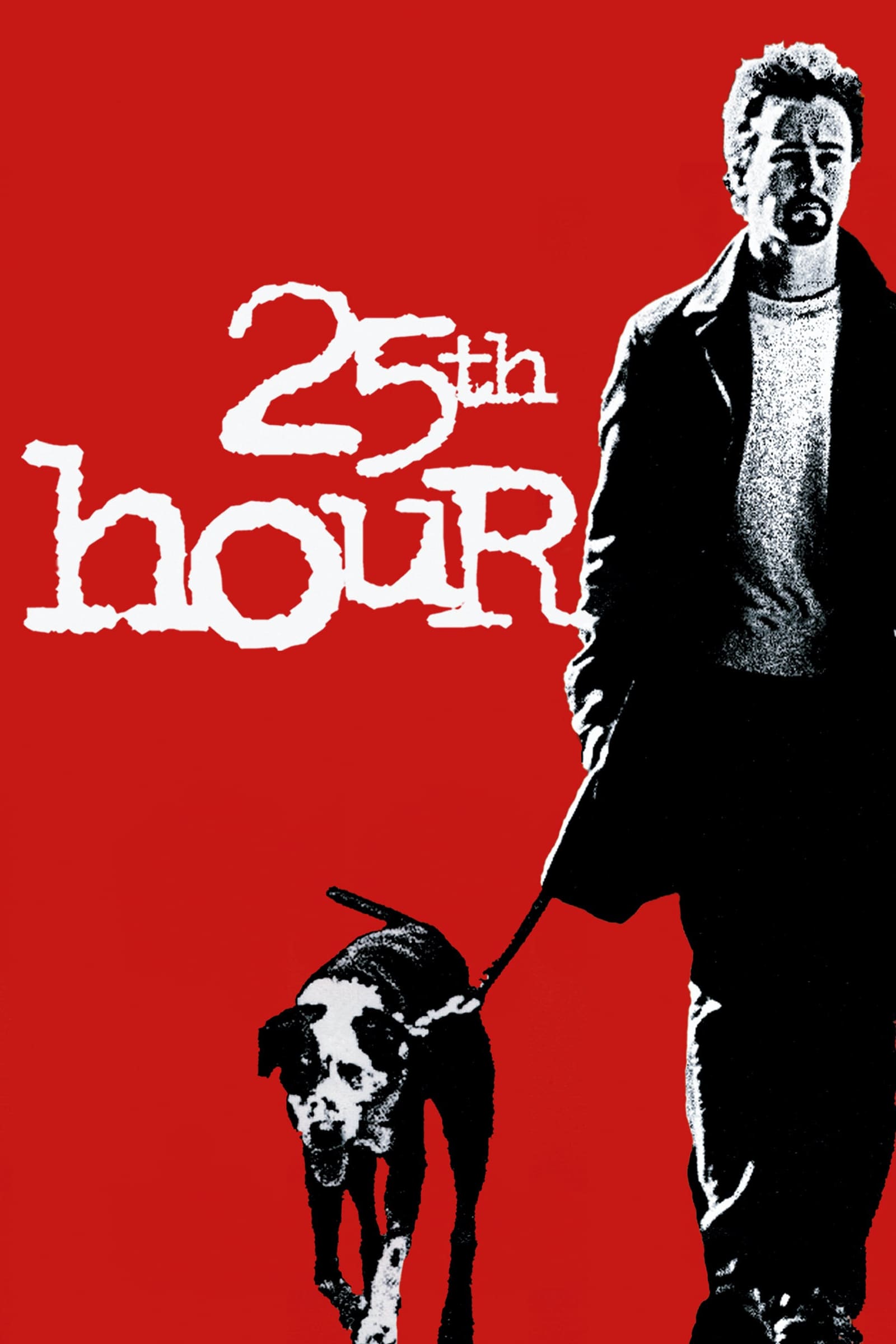
The opening credits are great and a little emotional, and the opening scene of deciding whether to save the wounded dog sets up the question of whether somebody can be saved. — Bill Simmons
An internet theory that the wounded dog resembles America after 9/11 is mentioned but called a little too English-literature to fully buy. — Bill Simmons
The Feds busting Monty for the drugs in his couch is highly rewatchable because Isaiah Whitlock, Jr. is essentially Clay Davis from The Wire as a drug agent. — Bill Simmons
The big bathroom speech insults every part of New York before turning on Monty himself.
The hosts report that Disney wanted to cut the bathroom scene and that Spike and Benioff refused, with Spike calling it one of the reasons he wanted to make the movie. — Bill Simmons
Pepper and Hoffman looking over Ground Zero and arguing about Monty is a great scene with two great actors; the Ground Zero imagery is described as jarring and alarming, with touches like "fuck the Times, I read the Post." — Bill Simmons
Other favorites: the bar scene with Rosario Dawson, Pepper and Hoffman where the bartender invites them to her birthday party; Pepper trying to figure out whether Dawson flipped; Monty deciding not to kill his associate and handing him to the Russians. — Bill Simmons
Frank beating up Monty is called some of the best directing of Spike Lee's career: wide shots, silence except park sounds, and alternating slow motion and live action; it is intense rather than fun. — Bill Simmons
The dream sequence narrated by Brian Cox of the life Monty could have had is praised; a counterview would ask to cut that fantasy montage and end on Monty's face in the car, keeping that last shot. — Bill Simmons
Producer Craig's favorite scene in the movie is said to be the montage; the old-age makeup on Rosario Dawson and Edward Norton is praised, and the imagined kids resemble her more than him. — Wesley Morris
Asked for a most rewatchable scene, the answer is the nightclub sequence, counted at 24 minutes from entering the club to leaving, with the sound design best heard on good headphones. — Wesley Morris
The reply agrees: the sound was incredible on better speakers, and from the Patrice O'Neill bouncer moment through leaving the bar is the best part of the movie. — Bill Simmons
Comparisons are drawn to busy Michael Man scenes in Collateral and Miami Vice, and Spike is called a good chaos director, as in Inside Man, though not when chaos is the point, as in Old Boy. — Bill Simmons
The club is read as a purgatory with three levels (heaven, hell, purgatory); the film withholds the pleasure a morally unrestrained, maybe pre-9/11 movie would indulge, including the Hoffman-Pacquin encounter and the women dancing. — Wesley Morris
While the women dance above, Norton and Pepper discuss whether his girlfriend ratted him out, with his associate pushing that suspicion; the trust-your-partner plot is always welcome. — Wesley Morris
More favorites: Philip Baker Hall as Sherwood, the handwriting specialist who starts drinking a little; Clea Duvall, with a great heat-check scene; John Goetz (as transcribed), from Blood Simple, as the Chronicle editor; and Anthony Edwards, fantastic and unexpected.
One pick gives the award specifically to Cox, with the Melvin Belli phone-call clip played, 'Is there something I can call you that's a little less ominous?', for making the most of his few moments, the television interview, the sincere attempt to offer the caller a lifeline, and the way he physically takes the incredible screaming sound.
Jimmy Simpson (as transcribed), who plays the shooting victim at the start and returns at the end, prompts a detail: the character is Mike Mageau, and when the name is reported over the Vallejo PD wire it is said aloud in the newsroom as 'Mayhew', so the film intentionally misleads in a way that was probably true to how it was said, an obsessive Fincherism; James LeGroix (as transcribed) is good and weird, and Zach Granier (as transcribed), the boss in Fight Club, runs the Vallejo police department.
A second pick is Elias Codius (as transcribed) as Detective Mullinax (as transcribed), a great real name: a that-guy who can shoot when given the ball, known to the hosts' generation as Casey from Teenage Mutant Ninja Turtles, a guy who looks like a cop and rarely gets a stage this large, and a great serial killer in Fallen with Denzel Washington, directed by Gregory Hoblitz (as transcribed).
Asked directly for a winner, a third pick is John Carroll Lynch as Arthur Lee Allen, with the 'Nobody calls me Arthur' clip: the role basically made the second half of his career, he directed the last film starring Harry Dean Stan (as transcribed) this year, and he is a well-known theater actor remembered as Norm in bed with Francis McNormand (as transcribed) at the end of Fargo.
Asked whether the film still works with a huge star like Anthony Hopkins as Arthur, the answer is not as well: it has to be a face whose physical presence unsettles because you feel you could have seen him without knowing why, since viewers bring previous films into the room and would read a famous actor as an important part; the misdirect succeeds because the only place to remember Lynch is Fargo, where Norm is a completely different, friendly disposition.
Later, the Ioni Sky (as transcribed) roadside scene is called another Dion Waiters performance and the hardest scene for one host to watch.