One host says no, Air Force One is a really good title; alternatives floated are Flight Risk, already a Mark Wahlberg movie, Fight or Flight, and Get off my plane, which would give the game away.
Wahlberg's eight years of bad movies come up, including Flight Risk, directed by Mel Gibson, with Michelle Doherty (as transcribed) pretending to fly a plane in the Alaskan outback; both hosts saw it in theaters.
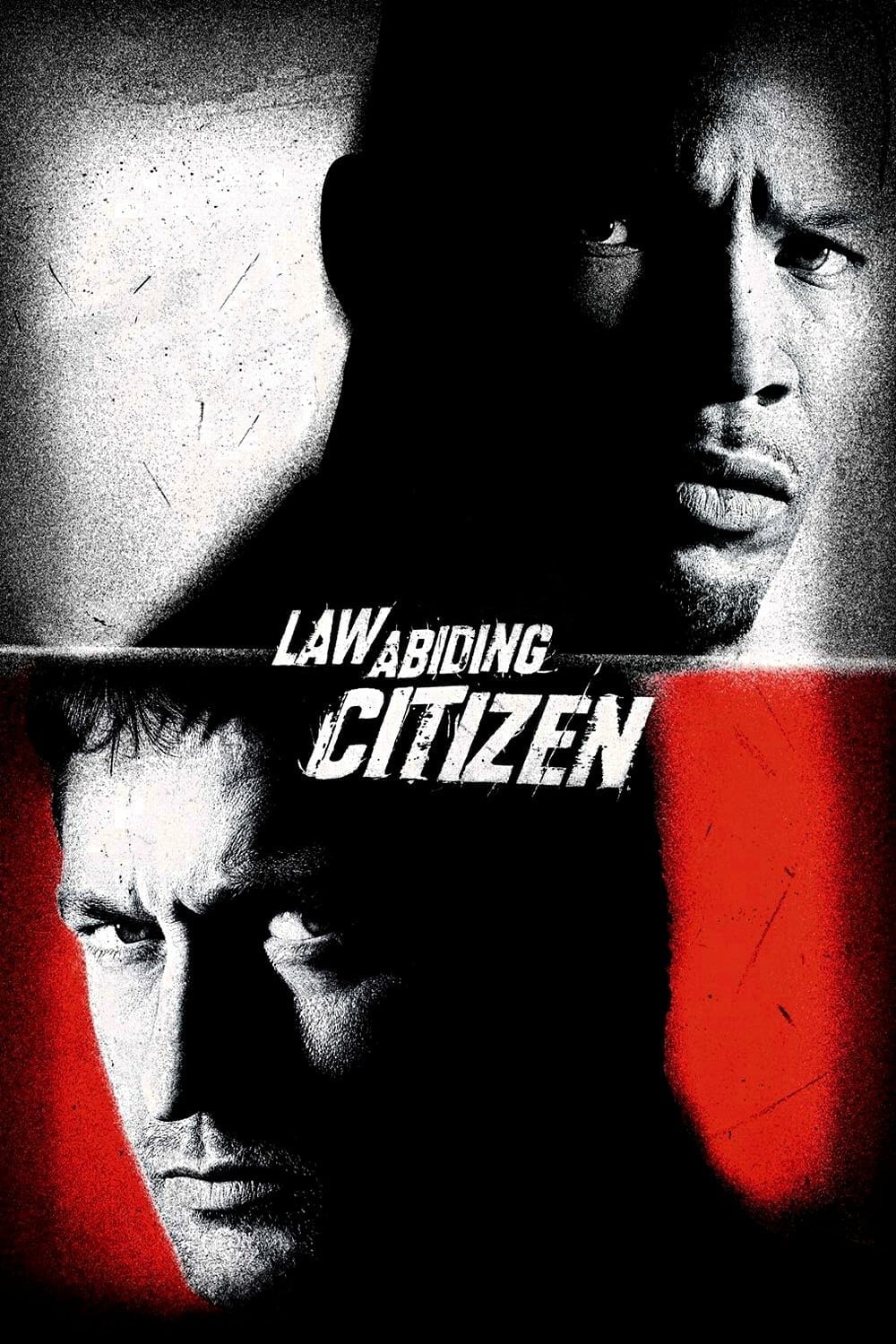
The hosts say Foxx was first set to play Clyde and Butler the lawyer until Butler pushed to flip; they quote Butler saying he was seduced by the other role and asked if Jamie would take the lawyer.
The flip is judged right: Butler as the lawyer would be a worse movie, while it is a better role for Foxx.
Butler's naked arrest adds him to the white leading men who show their butts on camera (Kevin Costner in Robin Hood, Mel Gibson, Tom Cruise); the hosts joke that hairy actors' butts are always waxed. — Bill Simmons
Philadelphia is an underrated, confined movie location; the Rocky statue or the Liberty Bell should have been threatened.
Regina Hall brings gravitas to a role of a few scenes, which is three scenes too short.
Another character explaining the hero's special set of skills is a favorite device; here it comes from 'the House of Cards guy' in a tunnel. — Bill Simmons
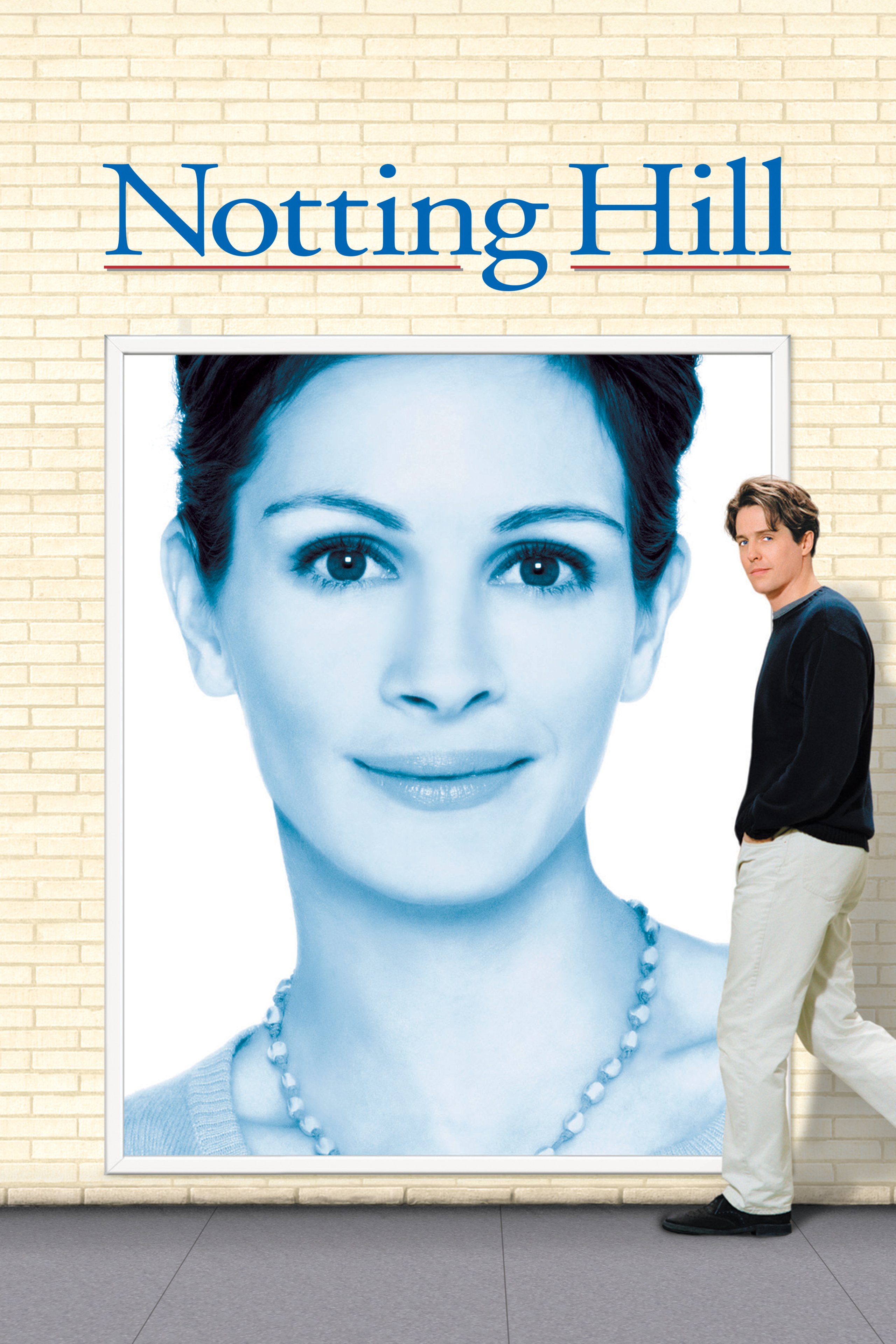
The first bookstore encounter combines flirtation with the shoplifter, Rufus autograph and Anna’s abrasive comic manner. — Amanda Dobbins
The Horse and Hound press junket is nominated. — Amanda Dobbins
Honey’s birthday dinner and the contest over who most deserves the brownie are nominated. — Amanda Dobbins
Dinner-party matchmaking without Anna, including Emily Mortimer, culminates in a touching, supportive conversation among friends. — Amanda Dobbins
The couple’s day running lines and eating ice cream includes the Mel Gibson body-double joke; its isolation also foreshadows the press intrusion.
The famous Just a Girl speech is acknowledged, although the earlier bookstore encounter is preferred. — Juliet Litman
The final press conference is nominated alongside the dinner party and earlier junket. — Juliet Litman
The junket’s pace, restraint and shifts between public and private Anna reveal the character; its media mechanics feel accurate and Mischa Barton appears. — Juliet Litman
One initial choice is the junket, but the final exchange agrees on the first bookstore encounter for its tone, coarseness and one-liners. — Amanda Dobbins
Nick Nolte reportedly declined Dennis Peck for Another 48 Hrs.; Gere is considered essential despite a long and questionable list of other purported candidates.
The claim that Johnny Depp declined Will Scarlet is explicitly doubted, though he is imagined as a better choice. — Bill Simmons
John Cleese was reportedly proposed as King Richard before Costner pushed for Connery, whose fee was described as reduced to a charitable donation. — Bill Simmons
The same romantic gestures could now feel frightening or intrusive: drunken possessiveness, a boombox outside a window and appearing at someone’s workplace are criticized.
Post-club newsstand visits and the fear surrounding casual sex feel historically remote. — Bill Simmons
Video dating looks obsolete but can also be read as a precursor to Tinder rather than wholly dated. — Bill Simmons
Answering machines, broken machines and overheard live messages are dated plot mechanisms, with Swingers invoked as a later example.
Luis’s elaborate romance deception is condemned as predatory and bizarre, especially pretending to leave for Spain while remaining nearby. — Chris Ryan
The Bobby Van reference now requires explanation as a Make Me Laugh host. — Bill Simmons
Nirvana’s absence is regretted; Crowe wanted Imodium, but the band publicly rejected appearing in a Seattle love story or rock movie. — Bill Simmons
Linda’s ideal combining Holden Caulfield and Mel Gibson now carries baggage because of Gibson’s later conduct. — Van Lathan
The fax machine is dated, prompting an uncertain discussion of when faxing faded from ordinary use. — Van Lathan
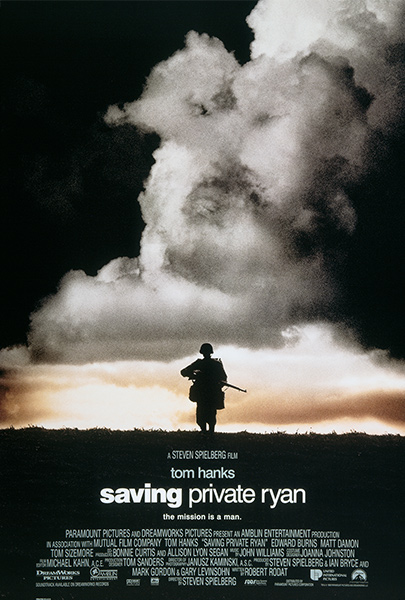
Harrison Ford and Mel Gibson are recalled as rumored alternatives for Miller; Gibson’s Australian identity makes him harder to picture.
Ford is considered plausible and naturally suited to Miller’s guarded command style, but likely to give a grouchier performance. — Sean Fennessey
Ford is doubted as an equivalent for Hanks in the teacher speech because Hanks supplies unusual empathy and handles extended speeches naturally. — Bill Simmons
Michael Bay is said to have declined an approach to direct; Pearl Harbor is used to imagine the likely result. — Bill Simmons
Ford and Gibson are repeated as Miller alternatives; another proposed actor’s name is unclear in the transcript and the claim is explicitly doubted. — Bill Simmons
Norton is said to have declined Private Ryan because of American History X. — Bill Simmons
Garth Brooks is said to have briefly been considered for the sniper. — Bill Simmons
Thornton is discussed as a possible Horvath who did not want to film the water scenes; the claim is treated as plausible rather than established.
Madsen is said to have been offered Horvath and recommended Sizemore, but the account is explicitly doubted. — Bill Simmons
Schweiger is said to have declined the prisoner role to avoid typecasting; his inability to seem goofy is discussed.
Damon Wayans, met by chance, reportedly denied the research claim that he and Bruce Willis feuded on The Last Boy Scout, illustrating the unreliability of casting research. — Bill Simmons
Nicholson was reportedly the studio’s top Joker choice since 1980, and Willem Dafoe reportedly stated in 2009 he had been in talks. — Bill Simmons
Robin Williams was reportedly offered the Joker to pressure Nicholson, released once Nicholson agreed, and then refused Warner roles such as the Riddler without an apology; the apology detail is doubted. — Bill Simmons
Dead Poets Society was 1989’s third-biggest film; swapping Nicholson and Williams would make both films worse, and “he stole my balloons” is called a favorite line.
Nicholson’s reported conditions included top billing, a share of earnings including merchandise, capped work hours, and no work on Lakers home playoff games; his fee dropped from $11 million to $6 million, but he may have made $90 million. — Bill Simmons
Martin Landau reportedly turned down Carl Grissom for Crimes and Misdemeanors, and Jack Palance in that role is imagined as bad.
Sean Young was cast as Vicki Vale and replaced after a horse-riding injury; the Knox actor later claimed she sabotaged a read-through, which is doubted. Her Catwoman costume audition for Batman Returns is recalled.
The Knox actor also claimed Keaton blocked Peters’ choice of Michelle Pfeiffer because they had dated, which is doubted since she is in the sequel. — Bill Simmons
Adam West was publicly disappointed not to be asked to reprise Batman. — Bill Simmons
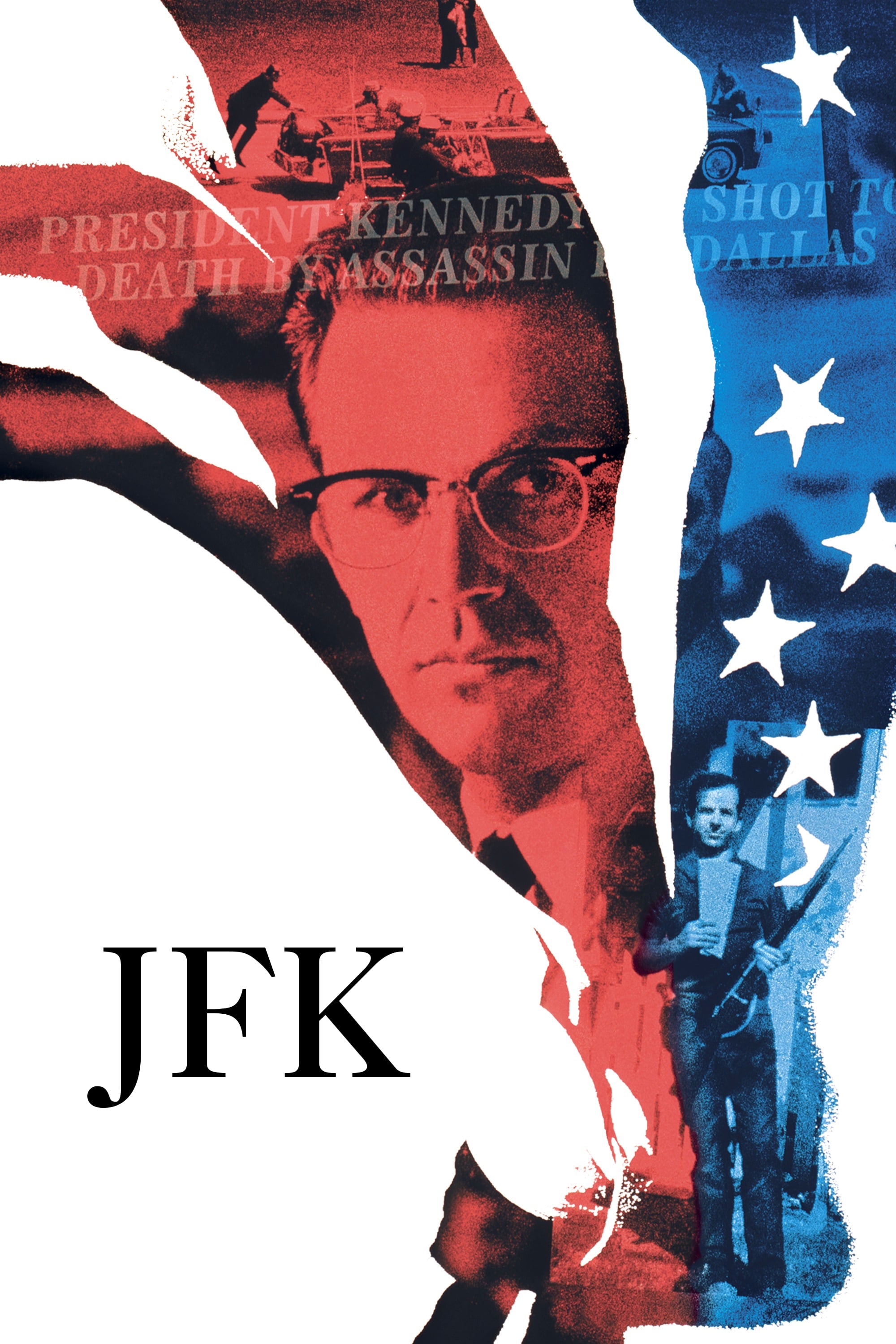
Gibson is argued as a great, wild-eyed Garrison who would better represent Stone's mind, and who later made Conspiracy Theory; another questions casting an Australian. — Sean Fennessey
Harrison Ford doesn't make sense but is a big what-if, with a wish he had more movies like this.
Don Johnson tried hard for Garrison and has post-Miami Vice appeal, but doesn't read smart enough to be the district attorney. — Brian Koppelman
Jeff Bridges would have been amazing; 'Hank' (as transcribed) might work but may be two years too young and too aw-shucks. — Brian Koppelman
Frank Whaley was going to be Oswald, and after the part went to Oldman he was made the imposter.
Willem DeFoe (as transcribed) and John Malkovich turned down the Ferry role; Malkovich in the red wig would have been mind-boggling.
Stone considered Marlon Brando for Mr. X, joked to need SNL monologue-style cue cards.
Origin: Stone met Warner Brothers about a Howard Hughes film, but Warren Beatty had the rights, so JFK was the backup pitch; jokes follow about carrying three pitches and a Doug Collins 1972 Olympics pitch.