Takes argue this is Macaulay Culkin’s greatest performance, both child stars should already have had supporting Oscars, and Susan should save her own son; another take says Henry could have become an NHL pest.
Joking and mutual mockery in frightening situations are enjoyed and believed. — Bill Simmons
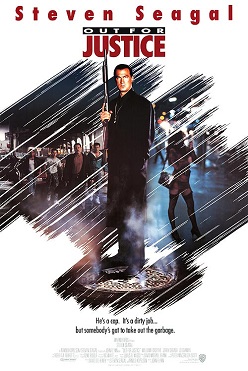
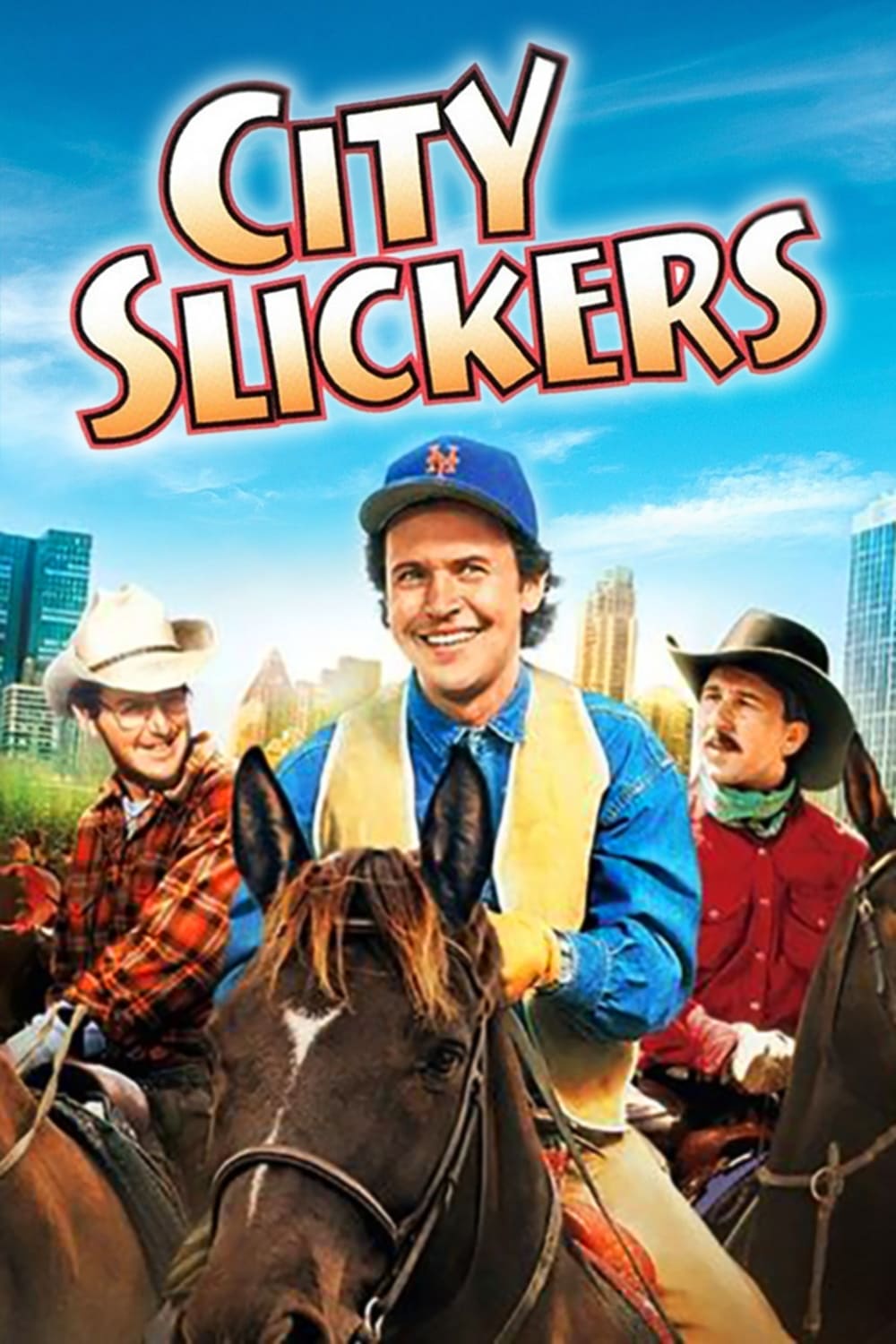
The badge demand and Jack Palance’s later City Slickers Oscar are highlights; his exaggerated performance seems far removed from Oscar prospects. — Bill Simmons
The villain’s elaborate non-killing plan, prison diversion and convoluted trap for Cash are mocked affectionately. — Bill Simmons
Fubar is speculatively said to originate with this movie and its 90s TNT exposure. — Bill Simmons
Young Terry Hatcher is praised as a breakout, with later Seinfeld and Lois & Clark visibility recalled. — Bill Simmons
Insult nicknames and repeated jokes about the men’s bodies form part of the appeal. — Bill Simmons
Owen and the prototype armored vehicle exemplify the gadget-guy and supercar era; Stripes is compared. — Bill Simmons
Kurt Russell is selected, with the missing modern Russell/Swayze type of witty, resilient action star contrasted with current actors. — Bill Simmons
Michael B. Jordan is urged toward a buddy-cop franchise; Without Remorse scenes show potential, while a vaguely recalled Jamie Fox film illustrates overly serious modern action. — Bill Simmons
The opening highway truck stop is said to borrow from an unnamed Jackie Chan movie, with windshield action, a badge demand and cocaine revealed by gunfire. — Bill Simmons
The Rambo insult breaks the actor/character boundary; a personal first encounter is compared to Vanilla Ice in Ninja Turtles 2 and Boys to Men on Fresh Prince.
Jack Palance and his fellow villains drive by; the exaggerated villainy is compared with Brad Wesley in Roadhouse. — Bill Simmons
The billion-dollar operation’s dark television-filled lair, tiny henchman crew and convenient villain drive-by make little sense. — Bill Simmons
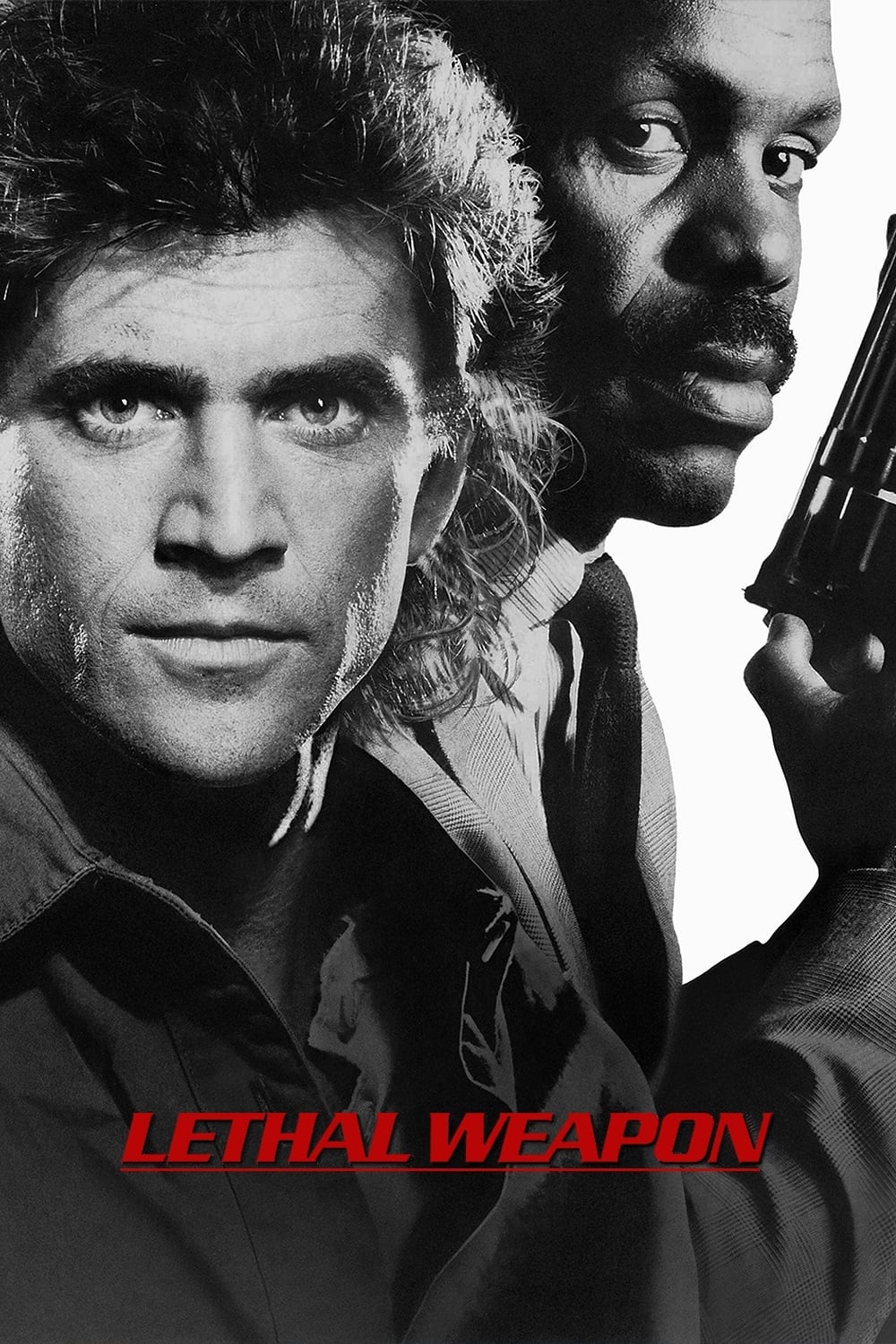
Desert scenery is compared with Another 48 Hours and Lethal Weapon. — Bill Simmons
The trial, laundry-chute trip and prison electrocution are nominated; the apparent pain and obligatory Stallone groan are enjoyed. — Bill Simmons
The prison escape includes apparent betrayal later revealed as help, a dead helper, a villain bossing guards, rain, a fan obstruction and an improbable cable jump. — Bill Simmons
Huge survivable drops and the lavish strip club with Hatcher drumming lead to Cash evading police in a wig. — Bill Simmons
The Cockney henchman is recalled from 48 Hours and its sequel; dangling him from a building and grenades echo other action films including Commando. — Bill Simmons
The simultaneous final fights are praised as a device also used in Double Impact. — Bill Simmons
The arrival at prison, with litter, fire and relentless jokes despite fear, is a favorite; another selection picks the escape. — Shea Serrano
Cash being shot, chasing the assailant and confronting him at the station is recalled as an omitted scene candidate. — Bill Simmons
Nicholson has moments and the Prince-song scene is a candidate, but Keaton’s “you want to get nuts” outburst in the Joker showdown is highlighted. — Chris Ryan
Palance’s dramatic death after being shot is the platonic ideal of overdone dying; he is called bad here, indescribable in Tango and Cash, and undeserving of his City Slickers Oscar. — Chris Ryan
Damon Wayans, met by chance, reportedly denied the research claim that he and Bruce Willis feuded on The Last Boy Scout, illustrating the unreliability of casting research. — Bill Simmons
Nicholson was reportedly the studio’s top Joker choice since 1980, and Willem Dafoe reportedly stated in 2009 he had been in talks. — Bill Simmons
Robin Williams was reportedly offered the Joker to pressure Nicholson, released once Nicholson agreed, and then refused Warner roles such as the Riddler without an apology; the apology detail is doubted. — Bill Simmons
Dead Poets Society was 1989’s third-biggest film; swapping Nicholson and Williams would make both films worse, and “he stole my balloons” is called a favorite line.
Nicholson’s reported conditions included top billing, a share of earnings including merchandise, capped work hours, and no work on Lakers home playoff games; his fee dropped from $11 million to $6 million, but he may have made $90 million. — Bill Simmons
Martin Landau reportedly turned down Carl Grissom for Crimes and Misdemeanors, and Jack Palance in that role is imagined as bad.
Sean Young was cast as Vicki Vale and replaced after a horse-riding injury; the Knox actor later claimed she sabotaged a read-through, which is doubted. Her Catwoman costume audition for Batman Returns is recalled.
The Knox actor also claimed Keaton blocked Peters’ choice of Michelle Pfeiffer because they had dated, which is doubted since she is in the sequel. — Bill Simmons
Adam West was publicly disappointed not to be asked to reprise Batman. — Bill Simmons
Cattle vacations get a yes, but another reply says it depends on whether Westworld counts as a cattle vacation, which is called a good call.
Shooting the running of the bulls in Pamplona for one scene is called a real Hollywood flex, with a joke about a missed Rossellini movie. — Bill Simmons
Busey is good, but unlike Die Hard with Rickman the film and series lack a true big bad; the South African villains in the sequel are good but no Rickman. — Chris Ryan
The character, the General, was played by Mitchell Ryan, whose credits include Halloween: The Curse of Michael Myers and TV work. — Bill Simmons
It feels like someone better, like Sam Elliott, called in sick; more was wanted from him. — Bill Simmons