Film credit
William Hurt
Also referred to as Liam Hurt, William Heard, William Hercule
Stats
- Episodes featuring their films
- 3
- Movies in this archive
- 3
Episodes featuring William Hurt’s films
The Rewatchables


Broadcast News
1987 film
Bill Simmons · Chuck Klosterman · Chris Ryan · Sean Fennessey
Aired March 12, 2019
Mentioned in discussions


Recasting Couch
William Hurt, Jon Voight, and Willem Dafoe as Cosmo; Kevin Costner as Marty.
In the discussion (6)
- William Hurt is proposed as Cosmo.
- Jon Voight is proposed, although his energy might be equally unhinged.
- William Hurt is rejected as too normal for Cosmo. — Joanna Robinson
- Willem Dafoe is proposed and warmly received. — Bill Simmons
- Kevin Costner is proposed for the lead for his humor, charm, and younger age; others still value Redford taking this role.
- The formal Recasting Couch prompt is treated as already covered. — Bill Simmons
Casting What-Ifs
Nick Nolte declined Peck; the extensive other-candidate list is treated skeptically.
In the discussion (2)
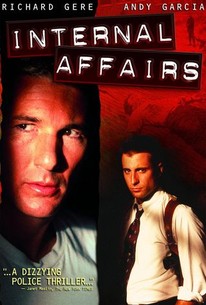
- Nick Nolte reportedly declined Dennis Peck for Another 48 Hrs.; Gere is considered essential despite a long and questionable list of other purported candidates.
- The untrusted candidate list includes Alec Baldwin, Tom Berenger, Jeff Bridges, Pierce Brosnan, Kevin Costner, Willem Dafoe, De Niro, Michael Douglas, Harrison Ford, Mel Gibson, Jeff Goldblum, Ed Harris, William Hurt, Don Johnson, Tommy Lee Jones, Michael Keaton, Nolte, Pacino, Christopher Reeve, Kurt Russell and Schwarzenegger. — Chris Ryan
In the discussion (5)
- Nick was reportedly the only role written for a particular actor, William Hurt. — Bill Simmons
- JoBeth Williams and Glenn Close both wanted Meg. — Bill Simmons
- Phoebe Cates auditioned for Chloe and met Kevin Kline, but Meg Tilly’s ethereal quality is preferred. — Bill Simmons
- Kline wanted Goldblum’s funnier role before being pushed to Harold. — Bill Simmons
- Sean Penn as Alex is treated as an unverified and age-inconsistent rumor.

Casting What-Ifs
Many actors declined Annie Wilkes and Paul Sheldon; several alternative Paul Sheldons are debated
In the discussion (7)
- Anjelica Huston and Bette Midler are identified as actors offered Annie Wilkes — Bill Simmons
- Richard Dreyfuss is proposed as a believable writer but possibly insufficiently physical — Brian Koppelman
- Robin Williams is proposed for his sympathy, physicality, and caged energy — Brian Koppelman
- Robert Duvall and Michael Douglas are proposed as strong alternatives — Bill Simmons
- Donald Sutherland is proposed as another alternative — Bill Simmons
- William Hurt, Kevin Kline, Michael Douglas, Harrison Ford, Dustin Hoffman, Robert De Niro, Al Pacino, Richard Dreyfuss, Gene Hackman, and Robert Redford are listed as having declined Paul Sheldon — Bill Simmons
- Richard Dreyfuss and Bette Midler are said to have later expressed regret — Bill Simmons

Most Rewatchable Scene
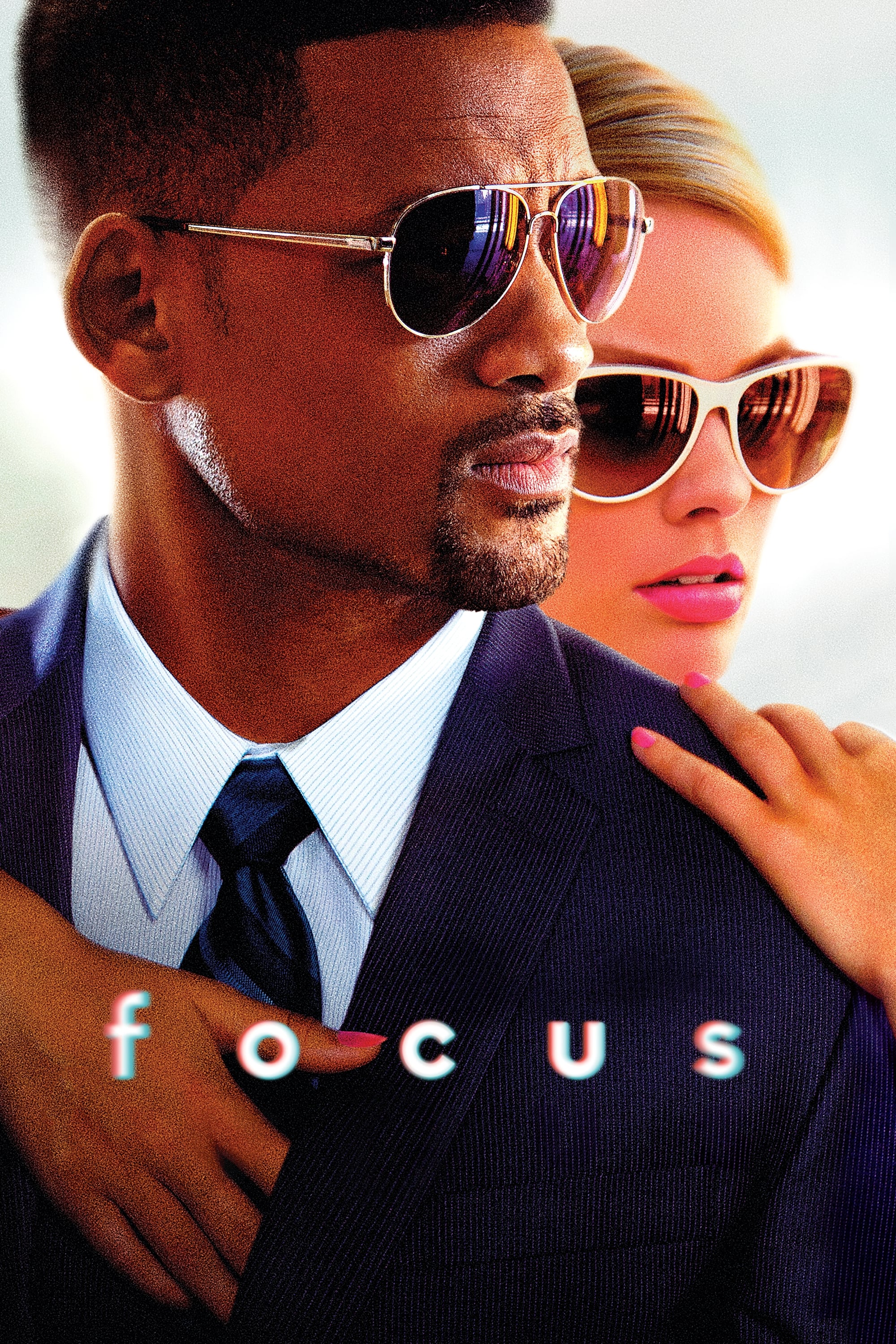
Super Bowl scene; explanation of the con
In the discussion (23)
- The segment opens by saying there is an obvious winner but the candidates will be walked through. — Bill Simmons
- The opening hotel-bar scene recalls Out of Sight; the whole movie has an Out of Sight vibe with Soderbergh color schemes and a retro jazz-ish soundtrack. — Bill Simmons
- The hotel-room shakedown where Will Smith isn't buying it is liked, quoted through the Saudi bachelor party and cancer lines.
- Her thief audition on Bourbon Street is short but good; she carries it, and the sequence won one participant over on her, with a Pretty Woman-like sense of an actress blossoming in the part. — Bill Simmons
- The pre-Super Bowl bedroom scene, where he explains the Mello nickname and his dad's hammers-and-nails advice, is the needed quiet scene showing why to care about the couple. — Bill Simmons
- The Super Bowl scene is called one of the most rewatchable scenes of the last 10 years. — Bill Simmons
- The fake teams and uniforms, resembling Seahawks or XFL gear, are indefensible because the Super Bowl rights were not obtained; the sequence runs over 10 minutes. — Bill Simmons
- On rewatch you see Smith setting up B.D. Wong's gambler Lee Wan, and Sympathy for the Devil, often misused, works well. — Bill Simmons
- First time through it looks like he will blow the money; Jess spots Farhad through binoculars and gets it; B.D. Wong is great and it is a good 10-minute scene despite fake teams. — Bill Simmons
- B.D. Wong is having the time of his life off a Law & Order set and is probably overdoing it, flagged for the later overacting award. — Wesley Morris
- For a non-gambler the scene seems to head into a dark Leaving Las Vegas turn and reveals you can bet on anything. — Wesley Morris
- As a gambling scene it works, like a home-run hat pool at a ballgame; the one flaw, saved for nitpicks, is the terrible odds of the final double-or-nothing bet. — Bill Simmons
- Bored rich men betting in a suite is realistic, the reveal of the planted fives is cool, and the clever switch is worrying about Smith instead of the actual gambling addict. — Bill Simmons
- Liyuan just loves the action and the story, so losing does not bother him; the high matters more than the stakes. — Bill Simmons
- The limo dump with the $80K payoff, held as one shot while she breaks down, is very Soderbergh; why he does it is deferred. — Wesley Morris
- In Buenos Aires three years later she flips the con on him over drinks; the music is unnecessary goosing. — Wesley Morris
- On rewatch Smith visibly seems turned on in the drinks scene, rated a seven on a scale topped by William Hurt in Body Heat, with The Big Easy also cited. — Wesley Morris
- Owens (Gerald McRaney) sniffs around the hotel room while Robbie escapes by the balcony; balcony escapes are always welcome.
- The Owens rant is called overwritten screenwriting leaning on McRaney's southern military masculinity. — Wesley Morris
- The final candidate is Nikki explaining the con to the bad guys, the shooting and the whole ending. — Bill Simmons
- The Super Bowl scene is named most rewatchable 'for me'. — Bill Simmons
- Asked 'What do you have?', the reply picks the explanation of the con: the keylogger necklace and two montages letting Robbie then Smith tell their sides. — Wesley Morris
- The ending also features Rodrigo Santoro and the beefy security guy; the guy's roughly 90-second pharmacy sequence is praised as a Soderbergh- or Michael Mann-style bit and deferred to aged-best. — Wesley Morris

In the discussion (7)
- Busey's boss McAllister seems to be in a different movie: turtlenecks, dressed differently, a bad guy who should have an accent. — Bill Simmons
- Pushback that he seems exactly like someone who might have been in the CIA is accepted as fair. — Bill Simmons
- He never seems like a leader, as in the 'roll up your sleeve' scene with Mendez where he burns Busey's arm with a candle. — Bill Simmons
- The part needed either Jack Palance in Tango & Cash-level excess or a better actor such as William Hurt or Lithgow. — Bill Simmons
- Busey is good, but unlike Die Hard with Rickman the film and series lack a true big bad; the South African villains in the sequel are good but no Rickman. — Chris Ryan
- The character, the General, was played by Mitchell Ryan, whose credits include Halloween: The Curse of Michael Myers and TV work. — Bill Simmons
- It feels like someone better, like Sam Elliott, called in sick; more was wanted from him. — Bill Simmons
Casting What-Ifs
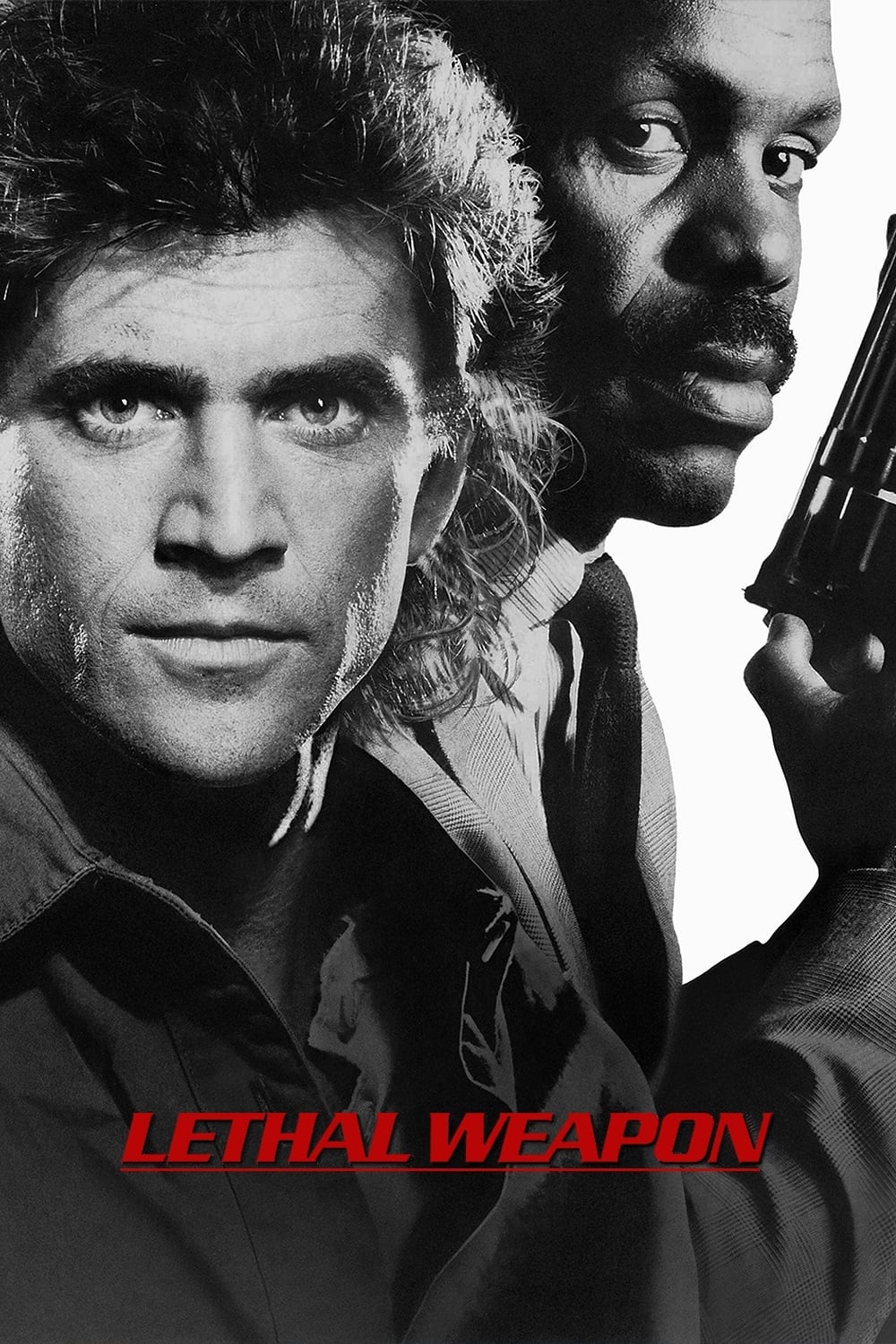
Bruce Willis and Mel Gibson swapping roles; Gibson as James Bond; Ridley Scott or Leonard Nimoy directing; Brian Dennehy as Murtaugh; Michael Biehn as Riggs; Steve Railsback or John Saxon as Joshua; William Hurt as Riggs
In the discussion (10)
- Willis could have had Lethal Weapon and Gibson Die Hard; a hot take follows that Willis in 1986 was not believable as a super soldier, while his Die Hard hero is streetwise. — Chris Ryan
- Willis looks like an everyman while Gibson looks cut from limestone; one host would have loved to see them switch, likened to a Brady-Brees swap. — Bill Simmons
- Gibson turned down The Fly and The Untouchables for this film. — Bill Simmons
- Gibson pursued Bond in The Living Daylights, but Broccoli turned him down for not being British and Timothy Dalton was cast; Dalton's Bond films are debated and called terrible. — Bill Simmons
- Brosnan was held to Remington Steele and had to wait about ten years for Bond. — Bill Simmons
- After the $250,000 script purchase, Ridley Scott was considered but had Blade Runner tensions with Warner Brothers; Leonard Nimoy was busy with Three Men and a Baby; Donner got it. — Bill Simmons
- Brian Dennehy was lined up for Murtaugh but did not want to play a cop again; F/X is praised as influential. — Bill Simmons
- Michael Bean was considered for Riggs but was filming Aliens. — Bill Simmons
- The Joshua role was offered to Steve Railsback and John Saxon; Busey, ice cold after his Buddy Holly Story nomination, auditioned and lost weight. — Bill Simmons
- Shane Black wanted William Hurt as Riggs; Hurt would play a damaged vet, not a super soldier, and a Hurt-Dennehy version would be a movie few watch. — Bill Simmons
Recasting Couch
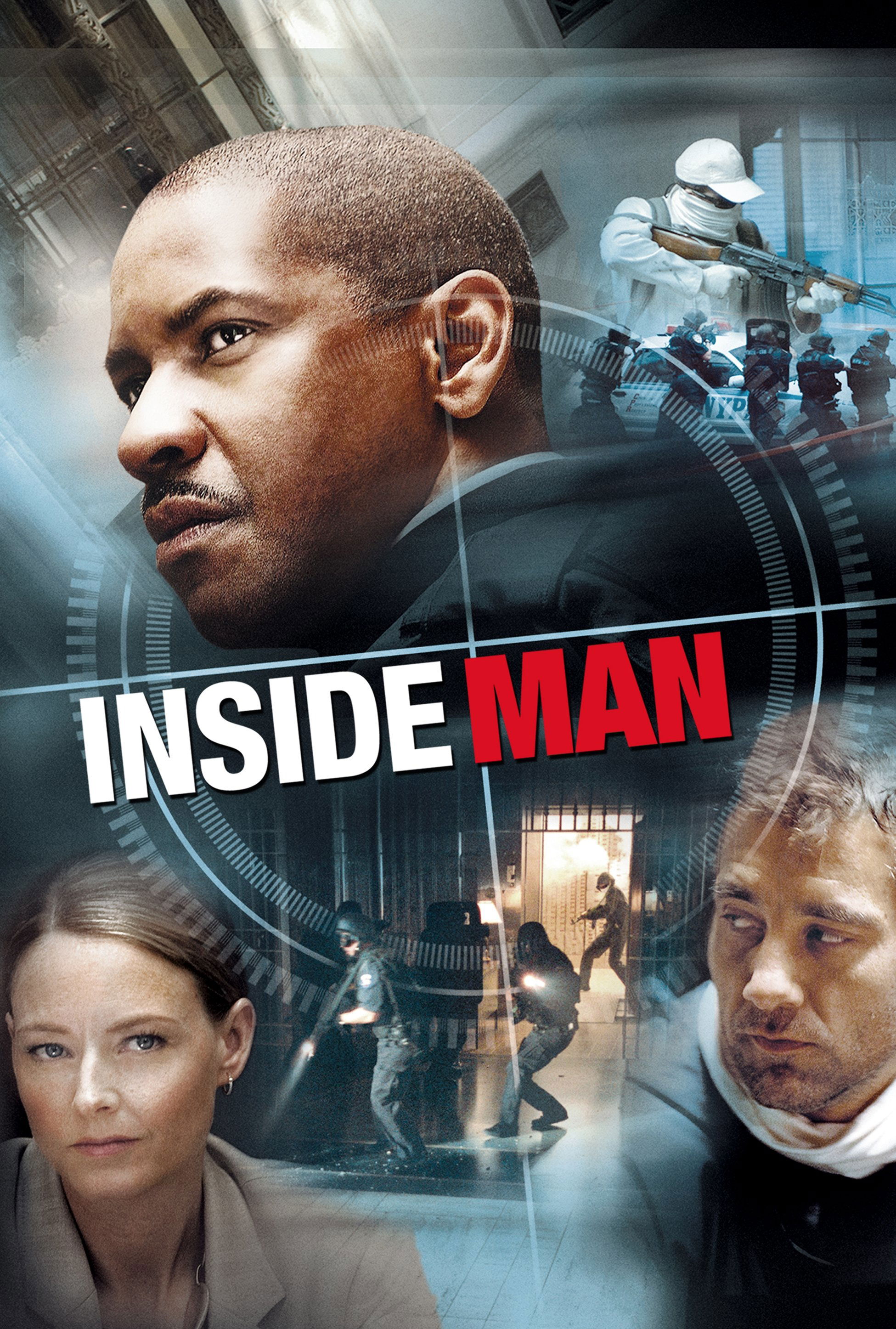
Queen Latifah in Willem Dafoe's role
In the discussion (4)
- James Ransone is floated for the Recasting Couch, imagining a young 25-year-old actor instead.
- Recasting Ransone is vetoed because he is great in it.
- Recasting Defoe instead allows role swapping; a female choice such as Queen Latifah, from The Equalizer, is proposed to run ESU.
- Tom Barringer, William Hurt, Jeremy Irons, Daniel Day Lewis and John C. Riley are also floated before settling on Queen Latifah.
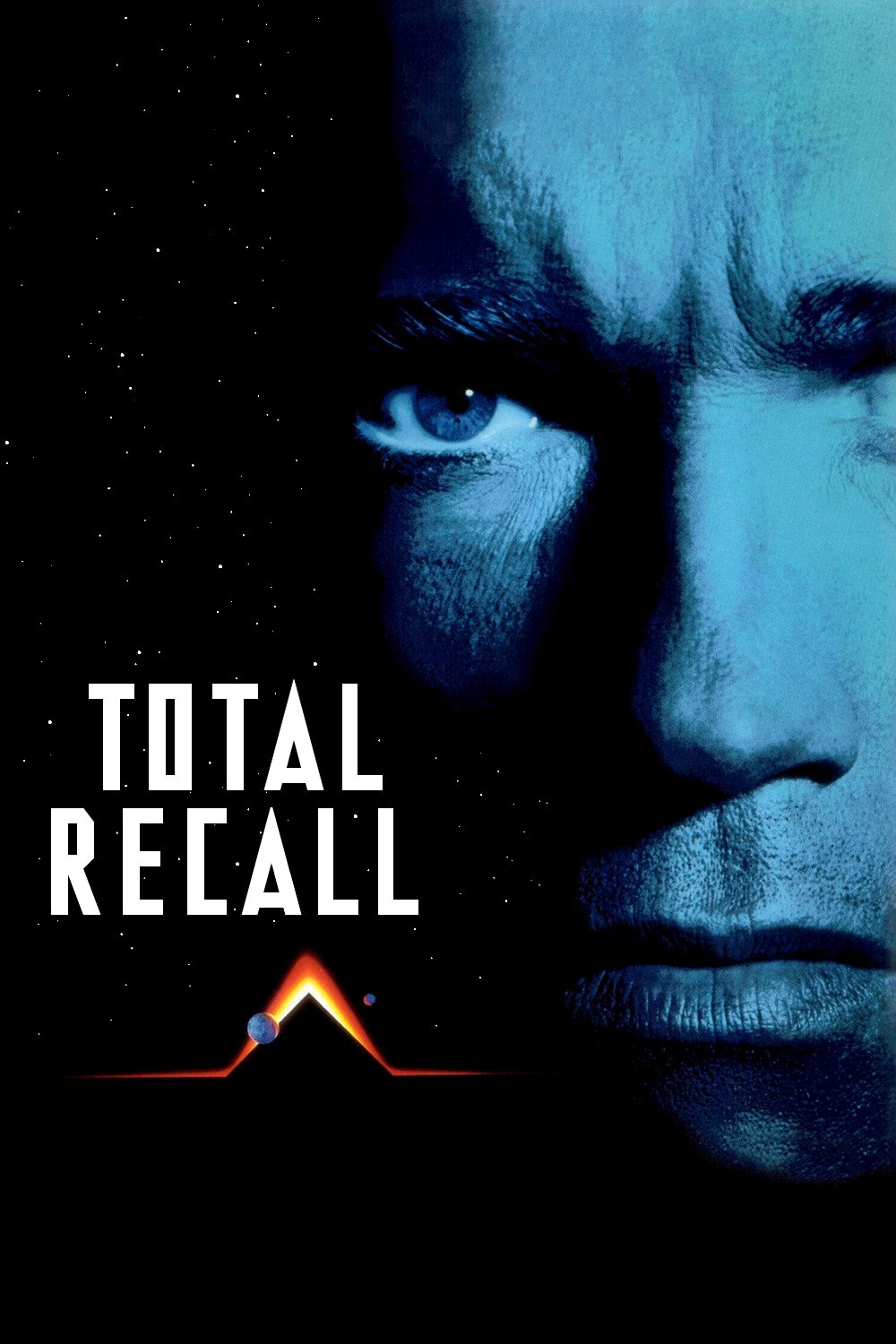
Casting What-Ifs
Richard Dreyfuss or William Hurt as Quaid; Robert Davi or Kurtwood Smith as Richter
In the discussion (4)
- In the mid-80s Dino De Laurentiis had Richard Dreyfuss attached as Doug Quaid, around the time of Stakeout; the hosts mock the idea with a Dreyfuss impression. — Bill Simmons
- David Cronenberg was given the script, wanted William Hurt and envisioned it as a Spider-Man-goes-to-Mars story, before Arnold took it. — Bill Simmons
- Robert Davi and Kurtwood Smith turned down Richter before Ironside stepped in. — Bill Simmons
- The hosts say Verhoeven cast Stone in Basic Instinct for her ability to flip from sweetheart to diabolical, and said on the commentary that this is how she is in real life. — Bill Simmons
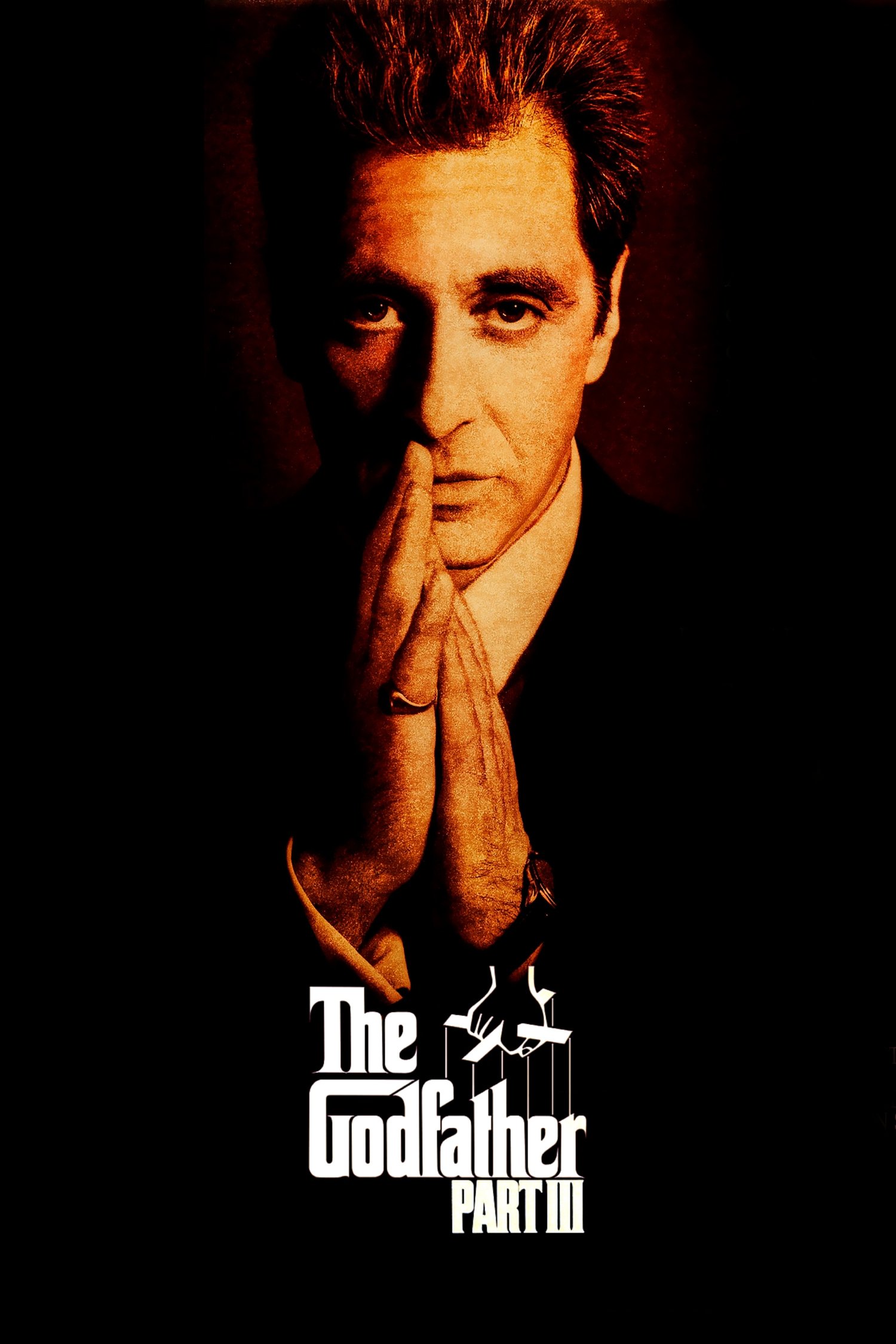
Recasting Couch
Laura San Giacomo as Mary; William Hurt in George Hamilton's role
In the discussion (10)
- A replacement for Altobello would need an Italian-American actor of the era with Sinatra-like charisma; Paul Sorvino is unavailable because of Goodfellas. — Bill Simmons
- Casting Wallach may echo the Lee Strasberg gamble, but it telegraphs the villain because he has played so many heavies.
- Dennis Farina, Mickey Rourke and John Turturro were apparently in talks for Zasa. — Chris Ryan
- David Caruso as Altobello and the Gilday actor playing every part are joked about. — Chris Ryan
- Laura San Giacomo as Mary is restated as an amazing recast. — Bill Simmons
- For George Hamilton's part the runners-up are Richard Gere, Harrison Ford and Paul Newman; Newman as Altobello is floated and welcomed as a good spitball, and Newman as Archbishop Gilday gets laughs. — Bill Simmons
- The winner for Hamilton's part is William Hurt, called a no-brainer who looks like Duvall and could be Hagen's Harvard son as the new consigliere.
- Recasting Hagen himself with Hurt is rejected as anti-recasting, and a Hagen son working for Michael is questioned given Michael's record. — Chris Ryan
- Keaton's hair is the only other recast. — Bill Simmons
- Brando as Altobello is rejected as too distracting, being much older and heavier, though The Freshman is liked.

In the discussion (4)
- Holly Hunter is named at once, in one of the toughest calls the show has had, because nobody can be substituted for her and the movie is not as good or the same without her; the same is felt about the Albert Brooks part, and he is called the biggest loser within the movie.
- William Hurt can be removed from contention because Jeff Bridges could have played the part 95 percent as well; Brooks is the biggest loser because he gets neither the woman nor the job and tells her he loves her knowing it will make no difference, unlike Ben Stiller in Reality Bites, who thinks he should get the girl, and the character seems to feel she deserves the good-looking mannequin; he could not be replaced even though many would think they could do that role.
- A case is made for Jim Brooks winning the movie, since this kind of film, a modern love triangle trying to say something, feels very 40s, a Cary Grant version or expert-level Neil Simon, and nobody had made one since the 70s, when people thought the form was gone.
- Brooks is an original voice whose influences, Preston Sturges, Sid Caesar, Neil Simon, Woody Allen, 60s sitcoms and Norman Lear, are all visible at once, and Cameron Crowe spent the next fifteen years making his version after Brooks took him under his wing and produced his films; the Brooks case is acknowledged but the vote goes to Holly Hunter, a performance and character unique to her, helped by her height, since only a five-foot-one actress like Kristen Chenoweth (as transcribed) or Linda Hunt could substitute; the closing joke is that the audience is the winner.
Podcast choices
- Speaker not identified
- Holly Hunter


Sequel, Prequel, Limited Series, or All-Black Remake
Already made as The Newsroom; Sports Night is the closest show to the film
In the discussion (4)
- Asked whether it could be a ten-episode Netflix series, the answer is that it has already been made as The Newsroom, a Sorkin show about what if the news were the most important thing in the world; it was heavy-handed, though Broadcast News is heavy-handed too, and Olivia Munn's high-strung producer was hilarious.
- The Newsroom is called one of the funniest shows of the last ten years, unintentionally, every episode funnier than the last until it got good at the end, which made it worse; Sorkin, on one host's podcast, said he had a pebble in his shoe writing it and never got an episode right, a line his own characters would say; the reason it should not be a show is that Broadcast News is three people in a room while Newsroom had ten with ABC plots, checking in on Alison Pill and Sam Watterson (as transcribed).
- Death Patel (as transcribed) and Chris Messina get laughs just by being named in a wild cast; one host would still watch it every Sunday for twenty years without claiming it taught him anything about being human, the distinction between enjoying and good; it crammed Holly Hunter's character into nine or eleven minutes of Emily Mortimer, and the mistake was making Jeff Daniels, the William Hurt figure, the star rather than the Hunter figure.
- The hosts wish more shows were that polarizing, recalling that two of them died on Vinyl Island; Sports Night is the show closest to Broadcast News, more modest with more space; Goodnight Beantown, a Boston show with Bill Bixby and the woman from The Incredible Hulk, did not work.