Film credit
Albert Brooks
Also referred to as Elbert Brooks, Errol Brooks, Elwood Brooks
Stats
- Episodes featuring their films
- 2
- Movies in this archive
- 4
Episodes featuring Albert Brooks’s films
The Rewatchables
Mentioned in discussions


In the discussion (2)
- Dawson is the clear internal choice for one Oscar. — Bill Simmons
- Sean Connery, Albert Brooks, Morgan Freeman, Denzel Washington, and Vincent Gardenia make the real supporting field too competitive. — Bill Simmons


What’s Aged the Best?
Leo’s reaction to Bob’s reported suicide, the spoken title, the Wagoneer, Julie Haggerty, Leo’s clothes, the local shirt, family conferences, the psychiatry satire, Bob’s humanity, and compact movie-star comedy
In the discussion (14)
- After hearing that his patient committed suicide, he calls it horrible and then says not to let it spoil the vacation. — Bill Simmons
- The movie’s spoken “What about Bob?” title line remains a crowd-pleasing device. — Bill Simmons
- Leo’s Wagoneer is praised as an important 1980s comedy vehicle.
- Julie Haggerty is praised as a durable comic performer from Airplane! and Lost in America through Marriage Story.
- The wife character is the family member who can tolerate and understand Leo. — Sean Fennessey
- Albert Brooks and Gary Marshall’s casino negotiation in Lost in America is recalled as a favorite scene.
- Dreyfuss’s vacation clothes are praised as perfectly chosen for the character. — Bill Simmons
- Bob’s local shirt remains memorable. — Bill Simmons
- The family conference and puppets efficiently reveal that Leo’s home life is less controlled than he believes.
- The movie satirizes a period of branded celebrity psychiatry built around slogans and gimmicks. — Van Lathan
- Bob connects with Leo’s children by listening and encouraging them, while Leo repeatedly fails to connect. — Van Lathan
- The discussion argues that the film targets Leo’s fame-hungry narcissism more specifically than all therapy. — Van Lathan
- Dreyfuss’s thighs and trimmed beard are nearly included as an Aged Best answer.
- The panel misses compact high-concept American comedies built around major movie stars. — Sean Fennessey

In the discussion (3)
- Scorsese is first floated as a heat check for an indelible five-minute scene, followed by a question about any bigger heat check. — Bill Simmons
- This is Albert Brooks's first movie; Scorsese hires a comedian for a boring part and lets him vamp, and Brooks wrote or improvised material with Scorsese and Shepherd. — Sean Fennessey
- The role is the beginning of the Brooks movie persona, like a prequel to his Broadcast News character, and he is given the award with agreement. — Sean Fennessey
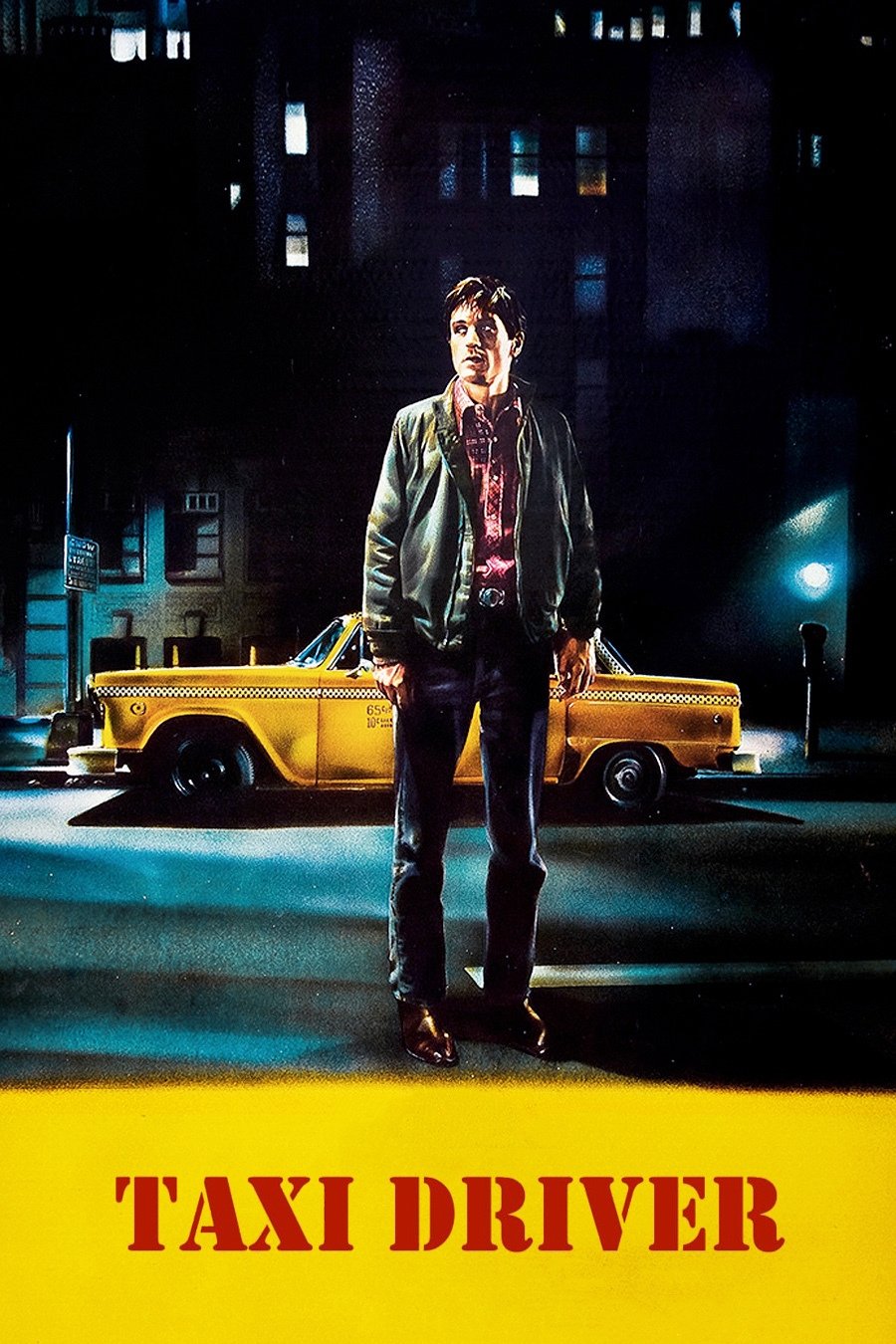

Casting What-Ifs
Harvey Keitel as the campaign worker
In the discussion (4)
- The casting items come from the internet with uncertain accuracy; Schrader reportedly wrote Travis with Jeff Bridges in mind, which seems possible. — Bill Simmons
- Scorsese reportedly talked to Dustin Hoffman, who found the movie too crazy; its truth is doubted. — Bill Simmons
- Keitel was definitely offered the campaign worker role Albert Brooks played and wanted the pimp instead; the studio had the pimp changed to a white character over riot and liability fears, and Keitel ended up in the part. — Bill Simmons
- Reports conflict on whether Melanie Griffith was first offered Iris; a Linda Blair possibility and a Tatum O'Neal / Bad News Bears swap are also mentioned with doubt. — Bill Simmons
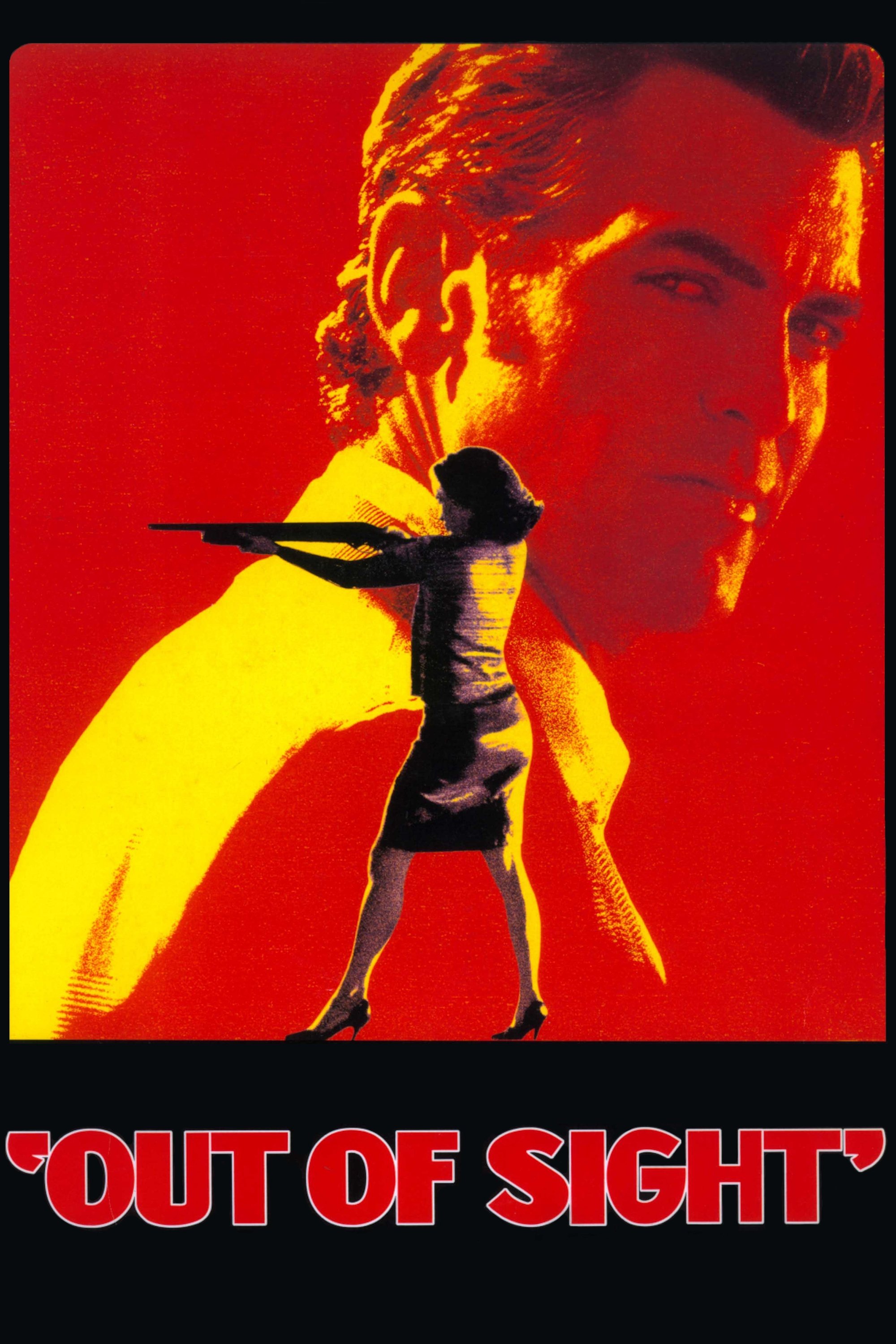
Picking Nits
Back-and-forth chronology; fantasy set in the real hotel room; the report she couldn't have written; Foley going back for the maid; Ripley bragging about diamonds
In the discussion (9)
- Never seeing the scenes of Clooney's loyal buddy calling his sister, only hearing about them secondhand, is flagged as a picking-nits item. — Bill Simmons
- The back-and-forth chronology was a little confusing on first viewing, though time stamps might have broken the flow. — Bill Simmons
- Lopez's bathtub fantasy cheats by being set in the exact hotel, in the same color scheme, where Clooney and Rames are actually staying, though she has never been there. — Bill Lawrence
- A high-angle hotel shot after the Lompoc flashback signals the return to the present; the Mad Men fever dream is cited as a delicate case. — Ryen Russillo
- One speaker is anti-dream sequence and anti-narrator unless proven to work. — Bill Simmons
- A nitpick read online: when did she write the report her boss is reading if she was unconscious after the crash? — Bill Lawrence
- Would Jack Foley really go back for the maid? He is fundamentally not a good guy, so the moment may not be earned. — Bill Simmons
- Why would Albert Brooks's titan-of-industry character tell these guys about $5 million in diamonds? — Bill Simmons
- Returning to the maid point: the movie takes pains to show Foley won't hurt anyone, knocking out the guard with a vase rather than killing him. — Bill Lawrence

Apex Mountain
Steaks in a fridge
In the discussion (7)
- George Clooney: no; Ocean's 11 was his pinnacle. — Bill Simmons
- Lopez's Apex probably came about two years later with an album and multimedia stardom. — Bill Simmons
- Soderberg: no. Ving Rames: probably Pulp Fiction. — Bill Simmons
- Elmore Leonard: Get Shorty stands out more from the decade and was more in the zeitgeist, though this is cooler. — Bill Simmons
- Steaks in a fridge: yes. — Bill Simmons
- Detroit: no; its Apex was the mid-80s with Isaiah Thomas, Axel Foley, Tommy Hearns, WrestleMania 3 at the Silver Dome and the Kronk Jim.
- Detroit's cold look is compared to The Revenant; the snowy trip to Albert Brooks's house shows stunning suburbs.

What’s Aged the Worst?
Karen Sisco spinoff; Albert Brooks's bald cap; character name Adele
In the discussion (6)
- The Karen Sisko spinoff on ABC, because of stock in Carla Gugino, who never found the right thing. — Bill Simmons
- Albert Brooks's bald cap looked wrong, like a rushed sketch-show wig from 1968 rather than 1999. — Ryen Russillo
- How fake Clooney was running a pick in the pickup game because he didn't want to stink at basketball is offered. — Ryen Russillo
- A counter-reading says he was meant to look older and tired on his second stay; the original speaker calls that a good point.
- One more wish for 75 more seconds of pickup basketball. — Bill Simmons
- A character named Adele (said to be Viola Davis's) now evokes the famous singer, who wasn't famous then. — Bill Simmons
What’s Aged the Best?
Opening bank robbery; 1990s Detroit; robbing banks without a gun; Dennis Farina and Jennifer Lopez scenes; nicknames; Catherine Keener; Ving Rhames; David Holmes score; one-last-big-score line
In the discussion (12)
- The opening bank robbery, 1990s Detroit with the Cronk Jim and Emmanuel Stewart, and the color changes have aged well. — Bill Simmons
- Clooney's strategy of robbing banks without a gun is admired. — Bill Simmons
- The Dennis Farina and Lopez scenes: as her father he adds color without cliche, is too important for the Joey Pants award, and immediately knew she was into the guy. — Bill Simmons
- Great nicknames: Dick the Ripper for Albert Brooks's character and Snoopy the boxer, who hates the name. — Bill Simmons
- Catherine Caner is great in a couple of scenes, part of a 1998-99 run of Out of Sight, Your Friends and Neighbors, 8mm and Being John Malkovich. — Bill Simmons
- Ving Rhames's 93-98 run (Dave, Pulp Fiction, ER, Kiss of Death, Mission Impossible, Rosewood, Conair, Out of Sight) is called automatic and compared to Ray Allen; his later commercial voice work now takes one speaker out of some line readings.
- Rhames can be really scary yet also Clooney's believable loyal best friend. — Bill Simmons
- A speaker's father repeated the 'get medieval' line for about a year. — Ryen Russillo
- The DJ David Holmes score is really good. — Bill Simmons
- Clooney's line asking whether anyone has done one last big score and gone on to live the good life holds up; only Fast and Furious pulled that off. — Bill Simmons
- No additional aged-best pick. — Ryen Russillo
- Agreeing on the last-score line: even on the big score the crew is dumb, one robbing steaks and White Boy Bob tripping and shooting himself; Cheddar Bob is joked to be his younger brother. — Bill Lawrence

Most Rewatchable Scene
Hotel bar scene; trunk scene
In the discussion (28)
- The trunk scene is introduced as the candidate that is going to win. — Bill Simmons
- Snoopy's prison shakedown of Albert Brooks's Ripley, ending with the goldfish killing, is praised as an amazing four-minute scene with a beginning, middle and end. — Bill Simmons
- The ending is loved for being so mean: Clooney's character gives Ripley a prison education in being a mark, and the price rises from two grand to three. — Ryen Russillo
- Killing the fish is a signpost that the character is truly bad, like Dennis Freena threatening Charles Groden in Midnight Run, and it gives the movie jeopardy. — Bill Lawrence
- The earlier kidney shank after a thrown fight felt like 'just prison'; only the goldfish made him the bad guy. — Bill Simmons
- Albert Brooks plays the shakedown like a pawn-shop haggle, and the Bauschen Lom mispronunciation is great comedy.
- Michael Keaton's one scene is a candidate that won't win; Tarantino allowed his Jackie Brown character in the movie as a crossover, and Lopez wears a Marino jersey. — Bill Simmons
- A speaker who puts actors from earlier shows on the next one recalls a Cougar Town and Community crossover with Danny Poody working as an extra. — Bill Lawrence
- Keaton reportedly took no money and liked that viewers might see the character as a real cop; Tarantino had to clear the cameo across two studios. — Bill Lawrence
- Keaton's uncomfortable laugh when Dennis Farina confronts him only lands if you have seen Jackie Brown; it may be the only movie with two Batmen. — Bill Lawrence
- Asked for a favorite crossover, the answer recalls a Facts of Life and Different Strokes connection. — Ryen Russillo
- The favorite crossover offered is Coolidge from The White Shadow appearing as a janitor on St. Elsewhere and greeting Salami in an elevator. — Bill Simmons
- Next candidate: the hotel bar scene, which cuts between the sex scene and its foreplay like Don't Look Now and ends with Clooney's "what if" speech, called as good as an actor's monologue gets. — Bill Simmons
- Detroit glows in the background, and the uninteresting guys from New York City who hit on her set up Clooney as the hero. — Ryen Russillo
- Parts come straight from the book; the lines are not written to show off, and the stranger-connection idea is relatable because people just keep walking. — Ryen Russillo
- The scene is not awkward or uncomfortable, and on rewatch there is nothing in it that could not be shown in a PG movie, yet it is still one of the sexiest love scenes. — Ryen Russillo
- Free-pass anecdote: the speaker's wife, Krista, named George Clooney as her free pass and was later found sitting beside him on the Warner Brothers lot, where the Drew Carey and ER stages were next to each other; she still finds this scene sexy. — Bill Lawrence
- Bottle Rocket's hotel scene under the sheet is named a favorite sex scene for its restraint; a Requiem for a Dream answer is a joke. — Ryen Russillo
- The aftermath, where Lopez's character walks out angry at Clooney out of shame, plays like an actual couple. — Bill Lawrence
- The trunk is the famous scene, but the hotel bar chemistry between the two actors is rare. — Bill Simmons
- Candidate: the ending at Albert Brooks's house with double staircases, White Boy Bob accidentally killing himself and Lopez debating whether to shoot Clooney, a very 90s 15-minute stretch. — Bill Simmons
- Candidate: the Sam Jackson cameo and the realization of why she put them in the car together. — Bill Simmons
- The trunk scene was shot 45 times but none of those takes were used because a test audience disliked one long take, so it was reshot. — Bill Simmons
- One speaker thinks the hotel bar scene is better while the trunk is more important for its uniqueness, and personally goes with the hotel bar scene.
- The trunk sets up the hotel bar by forcing a conversation that would never happen otherwise, so it is probably more important; the changing distance between the actors in the hotel bar shots is questioned as a trick or bad editing. — Ryen Russillo
- Asked 'Bill, trunk or hotel bar?', the reply goes trunk, starting from Clooney emerging from the escape hole and the chaotic shootout seen from Lopez's point of view. — Bill Lawrence
- The Three Days of the Condor exchange in the trunk becomes clever on rewatch, since she doubts a quick romance and then does it herself. — Bill Lawrence
- Clooney's character misquotes Network, and she is annoyed but doesn't call it out because they just met. — Bill Simmons

Casting What-Ifs
Albert Brooks declined Harry; Susan Dey, Elizabeth Perkins, Elizabeth McGovern, and Molly Ringwald were considered for Sally, with the panel strongly preferring the released pair.
In the discussion (5)
- Albert Brooks reportedly declined because the project felt too similar to Woody Allen and Broadcast News territory. — Bill Simmons
- Susan Dey is reported as Rob Reiner’s first Sally choice. — Bill Simmons
- Elizabeth Perkins and Elizabeth McGovern were reportedly considered. — Bill Simmons
- Molly Ringwald reportedly had a scheduling conflict; the panel rejects her as a poor match with Crystal. — Bill Simmons
- Meg Ryan gave up Shelby in Steel Magnolias to play Sally, opening that role for Julia Roberts. — Bill Simmons

Casting What-Ifs
Burt Reynolds, Al Pacino, John Travolta, Albert Brooks and Sylvester Stallone as Edward; Molly Ringwald, Diane Lane and Meg Ryan as Vivian
In the discussion (11)
- Called the all-time record list: "Bert" Reynolds declined Edward and in 2012 said he made a mistake after seeing the love-making scenes. — Bill Simmons
- Al Pacino turned down Edward after a screen test with Roberts; that movie does not work. — Bill Simmons
- John Travolta auditioned, and had turned down American Gigolo, which made Gere a star. — Bill Simmons
- Read as half-assed internet research: Gere was about to turn the part down when Roberts slid him a "please say yes" Post-it; the hosts doubt it. — Bill Simmons
- Gere turned down Gordon Gecko in Wall Street; Michael Douglas is floated for this movie, and Robert "Radford," who did a similar role in Indecent Proposal five years later.
- Albert Brooks and Stallone also turned Edward down; a Jewish Edward Levin remake is joked about. — Juliet Litman
- Demi Moore turned down Kit, the right choice given her St. Elmo's Fire role.
- For Vivian: Uma Thurman and "Brookshield's" auditioned, Winona Ryder was deemed too young, and Marshall wanted Karen Allen or Meg Ryan, who declined; Meg Ryan would not work. — Bill Simmons
- Vivian needs to be early 20s, and her height towering over Jason Alexander matters. — Bill Simmons
- Molly Ringwald turned it down and regrets it; Diane Lane nearly played Vivian but pulled out over scheduling; "Michelle Fife" turned it down. — Bill Simmons
- Several other actresses allegedly turned it down, which the hosts do not believe. — Bill Simmons


In the discussion (4)
- Holly Hunter is named at once, in one of the toughest calls the show has had, because nobody can be substituted for her and the movie is not as good or the same without her; the same is felt about the Albert Brooks part, and he is called the biggest loser within the movie.
- William Hurt can be removed from contention because Jeff Bridges could have played the part 95 percent as well; Brooks is the biggest loser because he gets neither the woman nor the job and tells her he loves her knowing it will make no difference, unlike Ben Stiller in Reality Bites, who thinks he should get the girl, and the character seems to feel she deserves the good-looking mannequin; he could not be replaced even though many would think they could do that role.
- A case is made for Jim Brooks winning the movie, since this kind of film, a modern love triangle trying to say something, feels very 40s, a Cary Grant version or expert-level Neil Simon, and nobody had made one since the 70s, when people thought the form was gone.
- Brooks is an original voice whose influences, Preston Sturges, Sid Caesar, Neil Simon, Woody Allen, 60s sitcoms and Norman Lear, are all visible at once, and Cameron Crowe spent the next fifteen years making his version after Brooks took him under his wing and produced his films; the Brooks case is acknowledged but the vote goes to Holly Hunter, a performance and character unique to her, helped by her height, since only a five-foot-one actress like Kristen Chenoweth (as transcribed) or Linda Hunt could substitute; the closing joke is that the audience is the winner.
Podcast choices
- Speaker not identified
- Holly Hunter