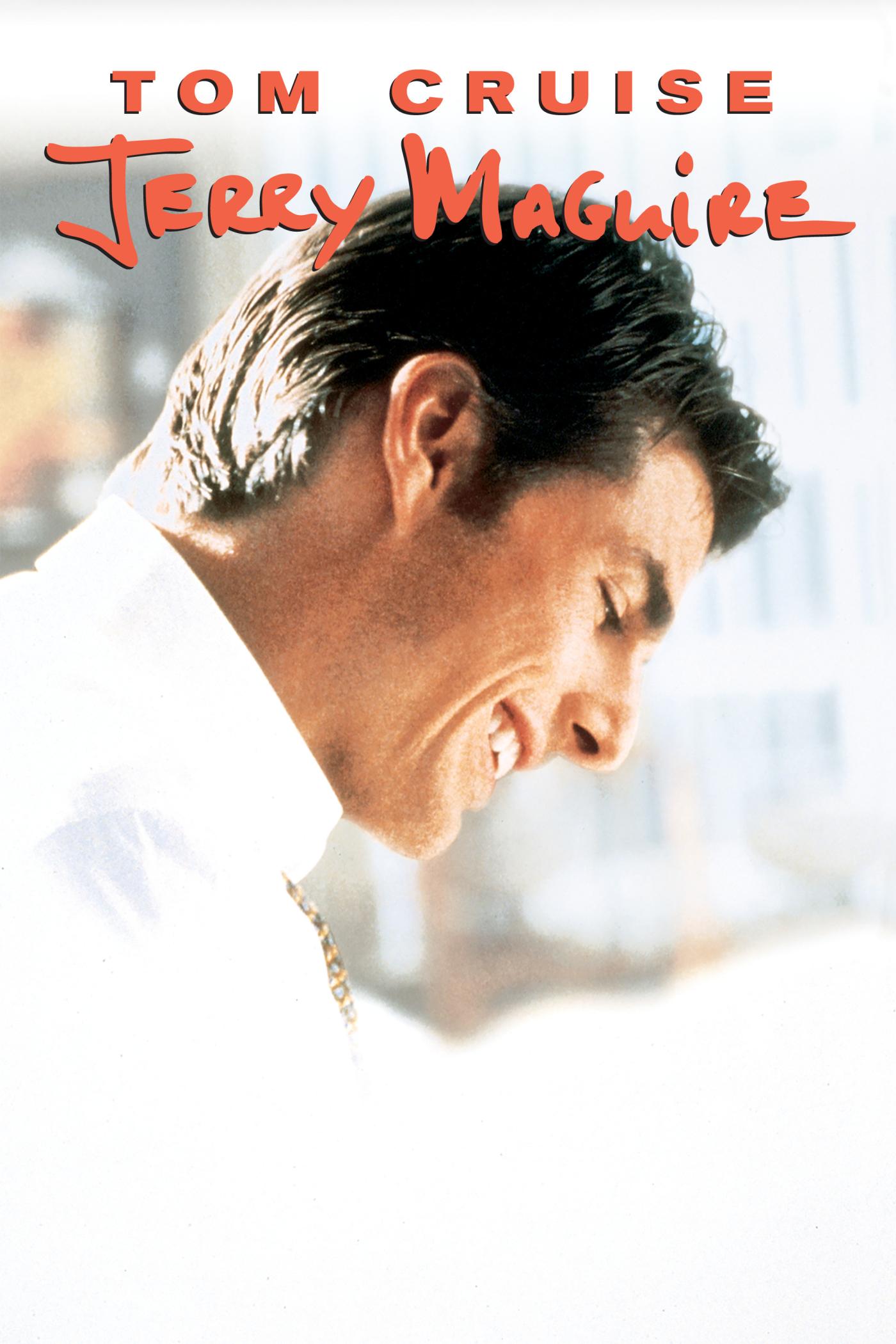
Gooding reportedly auditioned early and remained the benchmark despite later auditions including Jamie Foxx. His voluntary decision to undress for an audition scene is corrected after a misunderstanding that he was required to.
Gooding receiving his Oscar from Mira Sorvino is noted because she reportedly lost Dorothy when her agents requested too much money.
Crowe reportedly wrote for Hanks and Winona Ryder; Hanks passed after the long writing process to make That Thing You Do!, and Ryder with Cruise seemed too sibling-like. Woody Harrelson reportedly rejected an offer because audiences would not care about an agent; his hypothetical casting is considered inferior to Cruise.
Gwyneth Paltrow's reading with Cruise reportedly reminded Crowe of Annie Hall. Janeane Garofalo reportedly lost weight as requested for Dorothy but was then told she was too old.
Jennifer Lopez auditioned, but Connie Britton was reportedly the final alternative to Zellweger. Britton's height theory and reportedly disastrous screen test are discussed without settling the reason.
Jamie Foxx's Rod audition is revisited as a plausible different version of the role, with Willie Beamen later giving him a sports-film showcase.
Janet Jackson reportedly auditioned and accepted Marcee before the deal fell through; Regina King replaced her and the film helped move her toward major Hollywood roles.
Diane Lane as Avery is an uncorroborated casting rumor that excites interest; Preston's death is distinguished from Lane, who is alive.
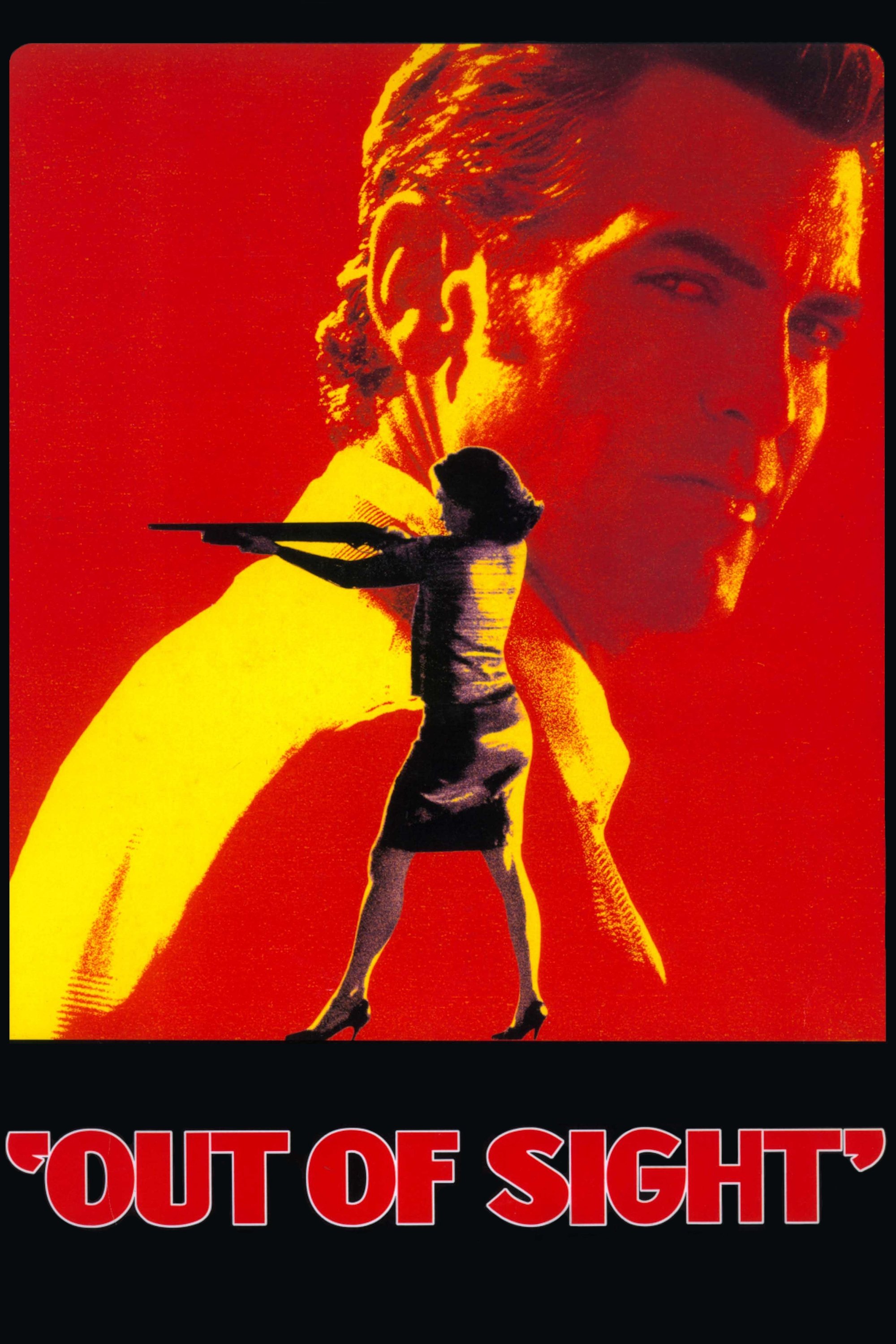
The opening bank robbery, 1990s Detroit with the Cronk Jim and Emmanuel Stewart, and the color changes have aged well.
Clooney's strategy of robbing banks without a gun is admired.
The Dennis Farina and Lopez scenes: as her father he adds color without cliche, is too important for the Joey Pants award, and immediately knew she was into the guy.
Great nicknames: Dick the Ripper for Albert Brooks's character and Snoopy the boxer, who hates the name.
Catherine Caner is great in a couple of scenes, part of a 1998-99 run of Out of Sight, Your Friends and Neighbors, 8mm and Being John Malkovich.
Ving Rhames's 93-98 run (Dave, Pulp Fiction, ER, Kiss of Death, Mission Impossible, Rosewood, Conair, Out of Sight) is called automatic and compared to Ray Allen; his later commercial voice work now takes one speaker out of some line readings.
Rhames can be really scary yet also Clooney's believable loyal best friend.
A speaker's father repeated the 'get medieval' line for about a year.
The DJ David Holmes score is really good.
Clooney's line asking whether anyone has done one last big score and gone on to live the good life holds up; only Fast and Furious pulled that off.
Agreeing on the last-score line: even on the big score the crew is dumb, one robbing steaks and White Boy Bob tripping and shooting himself; Cheddar Bob is joked to be his younger brother.
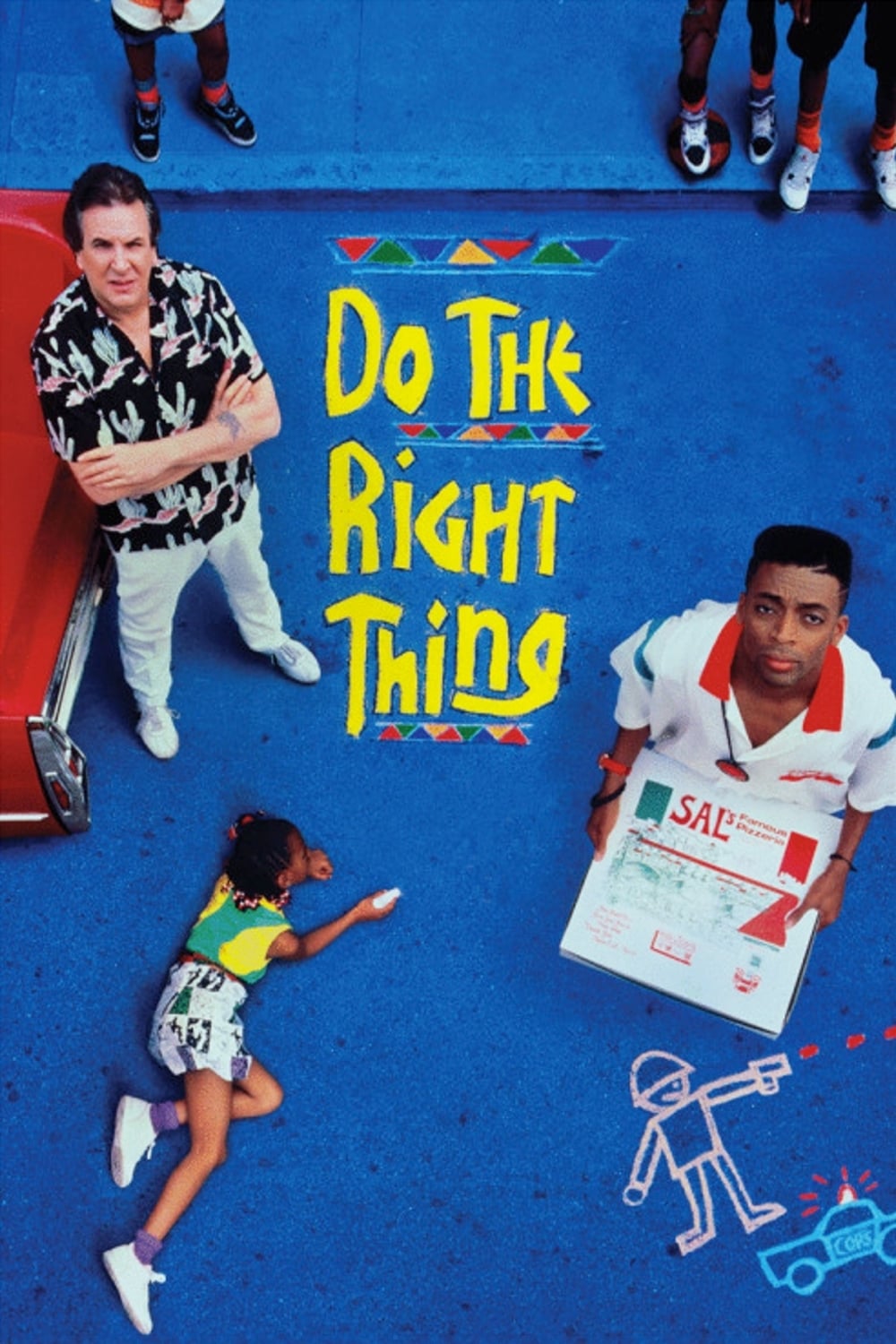
The opening sequence of Rosie Perez dancing to Public Enemy is the first scene on the list.
Perez was choreographing the Fly Girls at the time, and five years of dance are visible in the sequence.
Lee reportedly met Perez in a Brooklyn club and told her she was in his movie even though she said she was not an actress; the film is described as full of accidents like this.
Jennifer Lopez was one of the Fly Girls Perez worked with and was not yet famous.
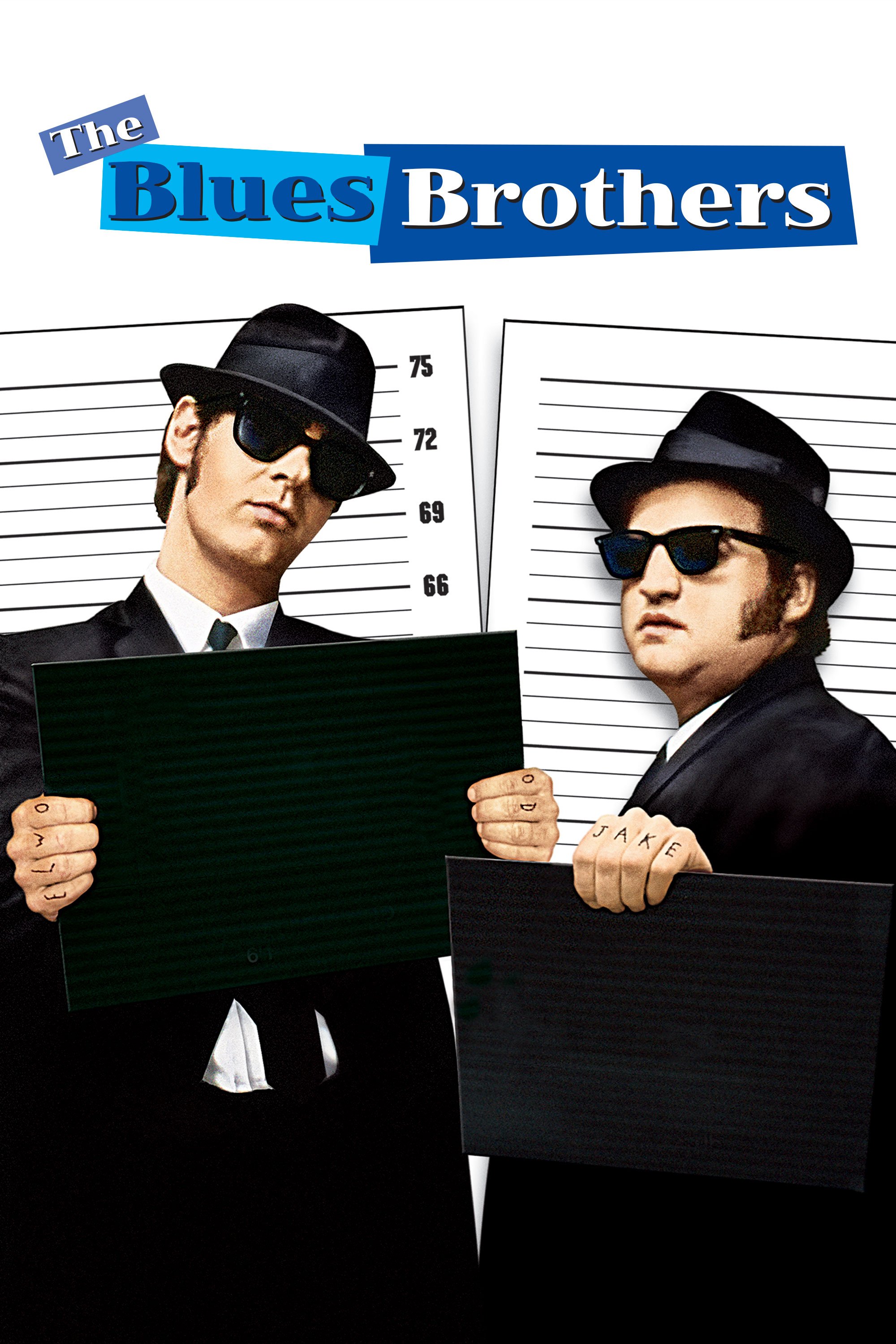
Buggin' Out's Wall of Fame argument with Sal is a complicated scene; Lee has said both sides have good points: it is Sal's shop, but only black people eat there.
The Wall of Fame argument is called a proto-internet conversation with no subtlety or compromise about how many and which black figures go up.
Buggin' Out represents an emotional, ahistorical form of activism whose confrontation can only make Sal feel aggrieved.
Frank Vincent driving through the open fire hydrant is one of the funniest parts of the movie and recognizable to anyone who played in hydrants as a city kid.
A childhood memory: opening the corner hydrant and using a can with no top or bottom to spray passing cars, because there was no pool to go to.
Pino and Sal's debate about selling the pizzeria plays in one long shot interrupted by Smiley.
That conversation is necessary but not essential and creates a false sense of trust in Sal, coming right after his moment with Jade, as he says he is proud to have fed the neighborhood.
Sal also hates rap and being confronted and smashes the boombox; like the Martin and Malcolm pairing, Sal and everyone in the film carry both love and hate, with Jade possibly the only purely good character.
The final extended sequence is the last pick, painful and hard to watch rather than comforting, with the camera tumbling in and out of the pizzeria and the trash-can jump cut repeated three times.
That final sequence is thought possibly to be the only one Lee ever storyboarded, with Ernest Dickerson, from the moment Smiley, Buggin' Out and Radio Raheem enter the pizzeria.
The racial slur montage is added to the list; later Lee versions such as the 25th Hour mirror speech have made the device less effective, but here it establishes the factions.
A Turturro story: after watching dailies of his rant he asked Lee to get on the cover of Ebony with his arm around him so he would be safe on the subway; his rant is called the best of the sequence and extremely rewatchable.
After the list is recapped, one participant goes with Rosie Perez; the ending is chosen by a participant who calls Rosie a close second.