Scene candidates include the terrorist opening, credits, burning art and bridge jump; Petersen’s real jump prompts a proposed lead-actor safety category and discussion of the camera rig.
The police-bar scene is enjoyed for its social atmosphere, prompting a personal recollection of a police drinking club.
The counterfeiting montage is a scene favorite for music, tactile detail and convincing artistic labor; it was also an initial enjoyment-category candidate. — Bill Simmons
The LAX chase highlights Petersen’s athleticism and reportedly unauthorized filming on the people mover; pre-2001 airport freedom is discussed with qualifications.
The attempted prison killing is a scene candidate and suggests a possible extended Turturro prison story. — Bill Simmons
Masters and his henchman beating three attackers and the train-to-abduction-to-chase sequence are praised; the undercover agent’s humiliating death is highlighted. — Bill Simmons
Chance and Cody on opposite sides of a wall supplies a shot candidate; Chance’s sudden death remains shocking, while the studio-demanded alternate ending is condemned and compared with Fatal Attraction. — Bill Simmons
The final coercive visit, Waxman’s murder, the gym meeting and Chance’s threatening treatment of Ruth are additional scene candidates.
Chance’s dismissal of Ruth’s expenses, threat to revoke parole and indifference to her child establish his cruelty. — Chris Ryan
The extended chase is the final scene preference, praised for its build, disorienting traffic directions and Petersen’s reckless-character performance. — Sean Fennessey
Teddy crushing Mike opens the choices. A writer is credited with inventing three stacks of high society, replacing three big dimes, and spreading it into real casino language.
Mike’s full-house shove fails to consider Teddy’s aces; the hosts blame overconfidence after bluffing Johnny Chan. Equinox basketball success versus trying out for the Lakers is an analogy, and his defeated face/Kinnish telling him to leave are praised.
Reading the judges’ hands impresses the audience. The writers reportedly saw a similar real feat; seven-card stud makes it easier, and televised hand-reading is cited. Worrying too much about others’ cards remains a possible Mike flaw; one speaker simply finds it cool.
The mansion game restores Mike and Worm’s rhythm and sharp dialogue. Worm engineers Mike’s lateness and repeatedly wins forgiveness, showing that Mike himself is his mark.
The girlfriend’s departure and rolled-up-aces speech lead to the excited decision to play cards. Worm’s fist pump and the James Gang song make the scene elite.
Chesterfield South, its nature-channel banter and rent-money insult are praised as a credible closed poker world; the real Mayfair is the reported model.
The municipal-worker game is a candidate. Mike’s face registers disaster when Worm arrives; leaving immediately seems obvious, but the remaining four-thousand target explains taking the risk. A Wild On viewing excuse is hypothetical.
Mike recounting the Johnny Chan bluff and the flashback are chosen. Turturro is praised despite only an estimated four or five scenes. — Bill Simmons
The final Teddy confrontation is a sustained run of taunts, cookie tell and the winning straight. His turning away to soccer and theatrical lines are relished; the suggestion he fixed the match is a joke, and Borat is a character/impression comparison.
Worm alone with Roman and Maurice and the hot-dog sequence receive an extra nomination for Norton’s virtuosity and the Sputnik insult. — Chris Ryan
The judge’s yeshiva story is an extra choice for thematic importance despite apparent repetition. Petra’s visit is suggested then explicitly deferred to aged-best discussion.
Two adjacent choices favor the rolled-up-aces speech; Van and Chris explicitly favor the final defeat of KGB. These are scene preferences, not movie-winner ballots. — Bill Simmons
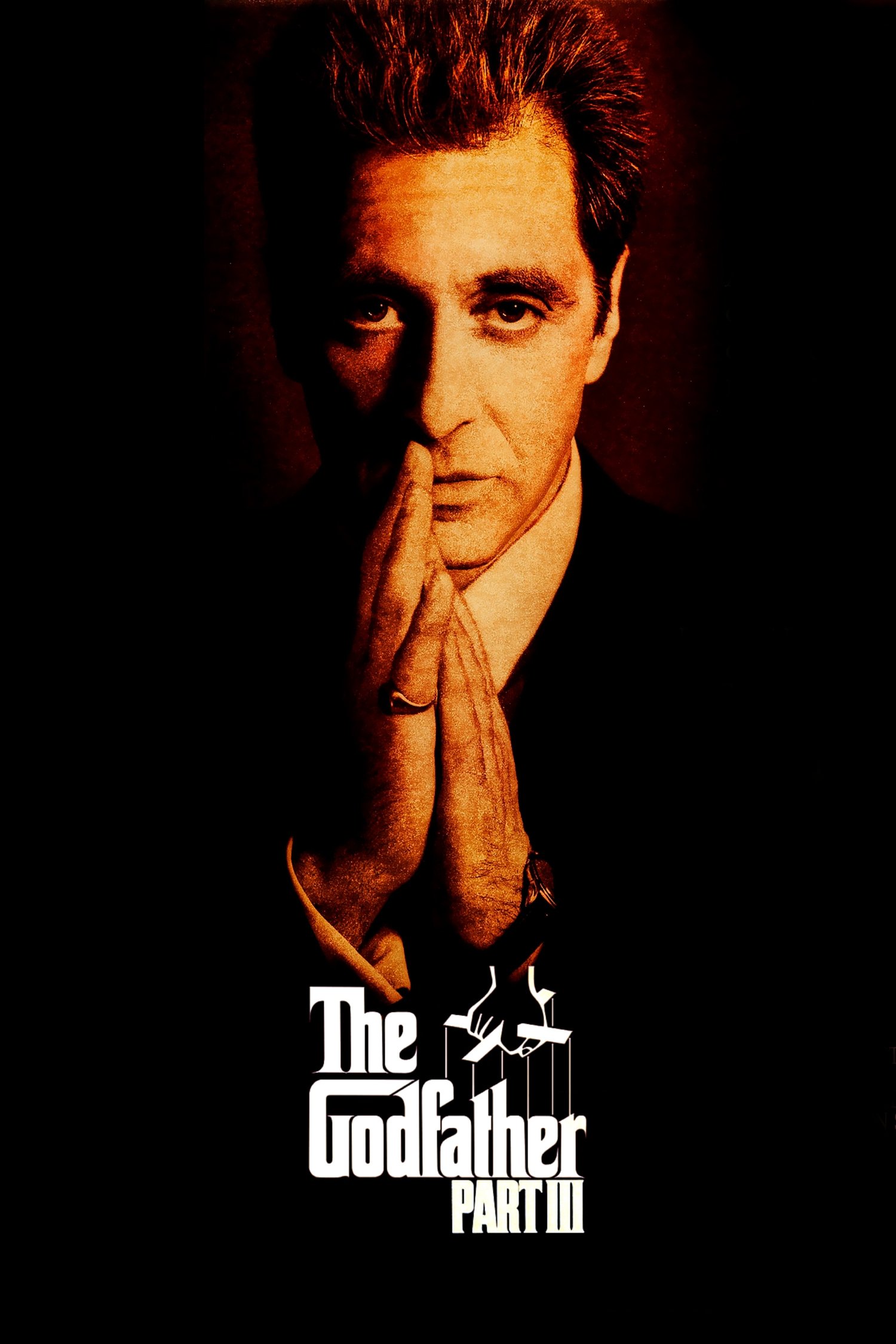
A replacement for Altobello would need an Italian-American actor of the era with Sinatra-like charisma; Paul Sorvino is unavailable because of Goodfellas. — Bill Simmons
Casting Wallach may echo the Lee Strasberg gamble, but it telegraphs the villain because he has played so many heavies.
The winner for Hamilton's part is William Hurt, called a no-brainer who looks like Duvall and could be Hagen's Harvard son as the new consigliere.
Recasting Hagen himself with Hurt is rejected as anti-recasting, and a Hagen son working for Michael is questioned given Michael's record. — Chris Ryan
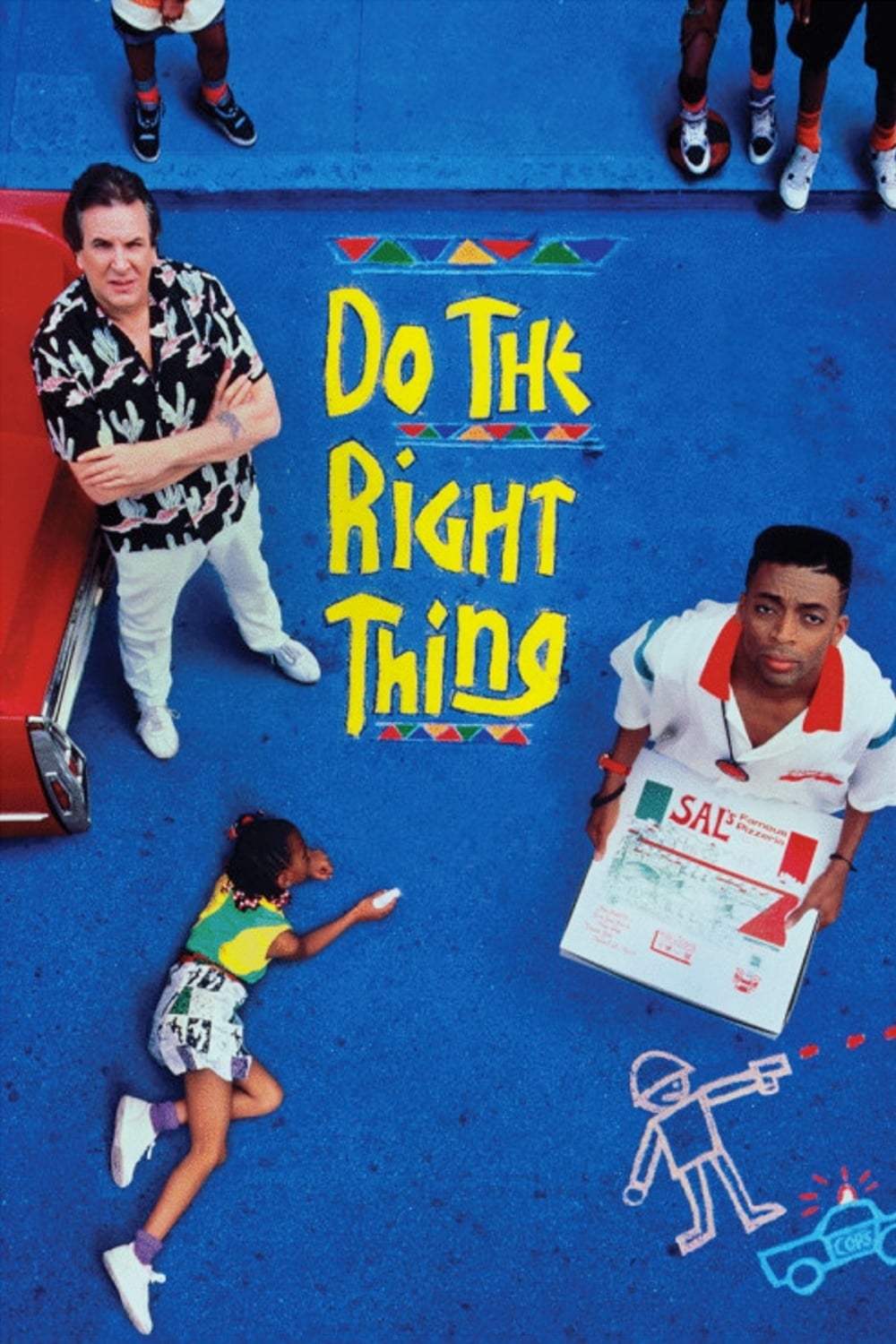
Mookie's trash can was both rescue and rage; Pino is mad because a black girl rejected him; Mookie and Sal never patched it up; Mother Sister and the mayor got together; Tina and Mookie did not last
Whether Mookie threw the trash can to save Sal or out of rage is unanswerable; both can be argued, given his fealty to Sal as a kind of third son and the sense that someone has to pay for the death. — Wesley Morris
Pino is angry because he tried to step to a black girl and was rejected; Vito is not mad. — Wesley Morris
Asked how long it took Mookie and Sal to patch things up, given later Lee films, the answer is that they never did: he needed a job and Sal needed a delivery person. — Wesley Morris
Mother Sister and the mayor had been together before and probably spent the rest of their lives together, after she made him shower. — Wesley Morris
Tina and Mookie did not stay together. — Wesley Morris
Was Sal's pizza good? The pizza looks like clay; the story told is that the tight budget left only two pizzas and Turturro could not cut through them. — Sean Fennessey
This is Lee at the peak of his filmmaking powers, a firm yes, rather than Malcolm X, 25th Hour or Mo' Better Blues. — Sean Fennessey
4 Little Girls is raised; Lee is one of the best nonfiction filmmakers, so the apex claim is limited to his fiction filmmaking. — Wesley Morris
Some of his films, even good ones like BlacKkKlansman, have screenwriting problems; Inside Man is perfection; here the screenplay is perfect. — Wesley Morris
Losing Original Screenplay to Tom Schulman is called the real travesty; the missing Best Picture nomination is not, since it would never have won even in 2019. — Wesley Morris
John Turturro: no; Jungle Fever, Barton Fink, his self-directed films, Transformers, Gloria Bell and Miller's Crossing are cited, with a joke that he gets sexier as he ages. — Wesley Morris
No one else in the cast is at the peak of their powers; it is Lee's apex. — Sean Fennessey
The opening sequence of Rosie Perez dancing to Public Enemy is the first scene on the list. — Sean Fennessey
Perez was choreographing the Fly Girls at the time, and five years of dance are visible in the sequence. — Wesley Morris
Lee reportedly met Perez in a Brooklyn club and told her she was in his movie even though she said she was not an actress; the film is described as full of accidents like this. — Wesley Morris
Buggin' Out's Wall of Fame argument with Sal is a complicated scene; Lee has said both sides have good points: it is Sal's shop, but only black people eat there.
The Wall of Fame argument is called a proto-internet conversation with no subtlety or compromise about how many and which black figures go up. — Wesley Morris
Buggin' Out represents an emotional, ahistorical form of activism whose confrontation can only make Sal feel aggrieved. — Wesley Morris
Frank Vincent driving through the open fire hydrant is one of the funniest parts of the movie and recognizable to anyone who played in hydrants as a city kid. — Wesley Morris
A childhood memory: opening the corner hydrant and using a can with no top or bottom to spray passing cars, because there was no pool to go to. — Wesley Morris
Pino and Sal's debate about selling the pizzeria plays in one long shot interrupted by Smiley.
That conversation is necessary but not essential and creates a false sense of trust in Sal, coming right after his moment with Jade, as he says he is proud to have fed the neighborhood. — Sean Fennessey
Sal also hates rap and being confronted and smashes the boombox; like the Martin and Malcolm pairing, Sal and everyone in the film carry both love and hate, with Jade possibly the only purely good character. — Wesley Morris
The final extended sequence is the last pick, painful and hard to watch rather than comforting, with the camera tumbling in and out of the pizzeria and the trash-can jump cut repeated three times. — Sean Fennessey
That final sequence is thought possibly to be the only one Lee ever storyboarded, with Ernest Dickerson, from the moment Smiley, Buggin' Out and Radio Raheem enter the pizzeria. — Sean Fennessey
The racial slur montage is added to the list; later Lee versions such as the 25th Hour mirror speech have made the device less effective, but here it establishes the factions. — Wesley Morris
A Turturro story: after watching dailies of his rant he asked Lee to get on the cover of Ebony with his arm around him so he would be safe on the subway; his rant is called the best of the sequence and extremely rewatchable. — Wesley Morris
After the list is recapped, one participant goes with Rosie Perez; the ending is chosen by a participant who calls Rosie a close second. — Sean Fennessey
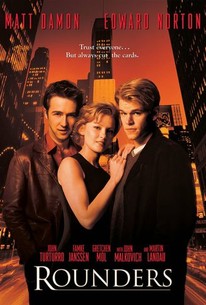
The first pick is Malkovich, to the other's surprise: his character is the most memorable and most quoted, still the phrasing used at tables today; this is not Damon's or Norton's biggest movie, not what John Dahl is best remembered for, Famke Jansen (as transcribed) was about to be in a superhero franchise and Turturro has bigger films, but for men of a couple of generations this is where Malkovich went for it.
The counter-pick is Damon: an old-school Tom Cruise role that just needs a star, since Mike McD is a mediocre law student with the wrong friend who likes poker and yet makes you care; Affleck, Leo, Brad Pitt and Clooney would not pull it off, with Norton ironically the only other choice.
The reply is that Damon was going to be fine regardless and a movie-star part is inherently blank, never too far or too good; another candidate is Koppelman and Levine, since few TV or movie writers are known to normal people, Steve Zalian (as transcribed) aside, and even Succession's Jesse Armstrong or Veep's David Mandel lack public profile.
Koppelman and Levine positioned themselves well in the guys' pop culture world of the late nineties and probably won, since they have thriving careers and made something people love; Damon loses initially but retroactively the Good Will Hunting, Ripley, Rounders run is an all-timer, and the best rewatchables are movies where the major players are in their sweet spot, as Damon and Norton were.