
Stats
- Episodes featuring their films
- 4
- Movies in this archive
- 4
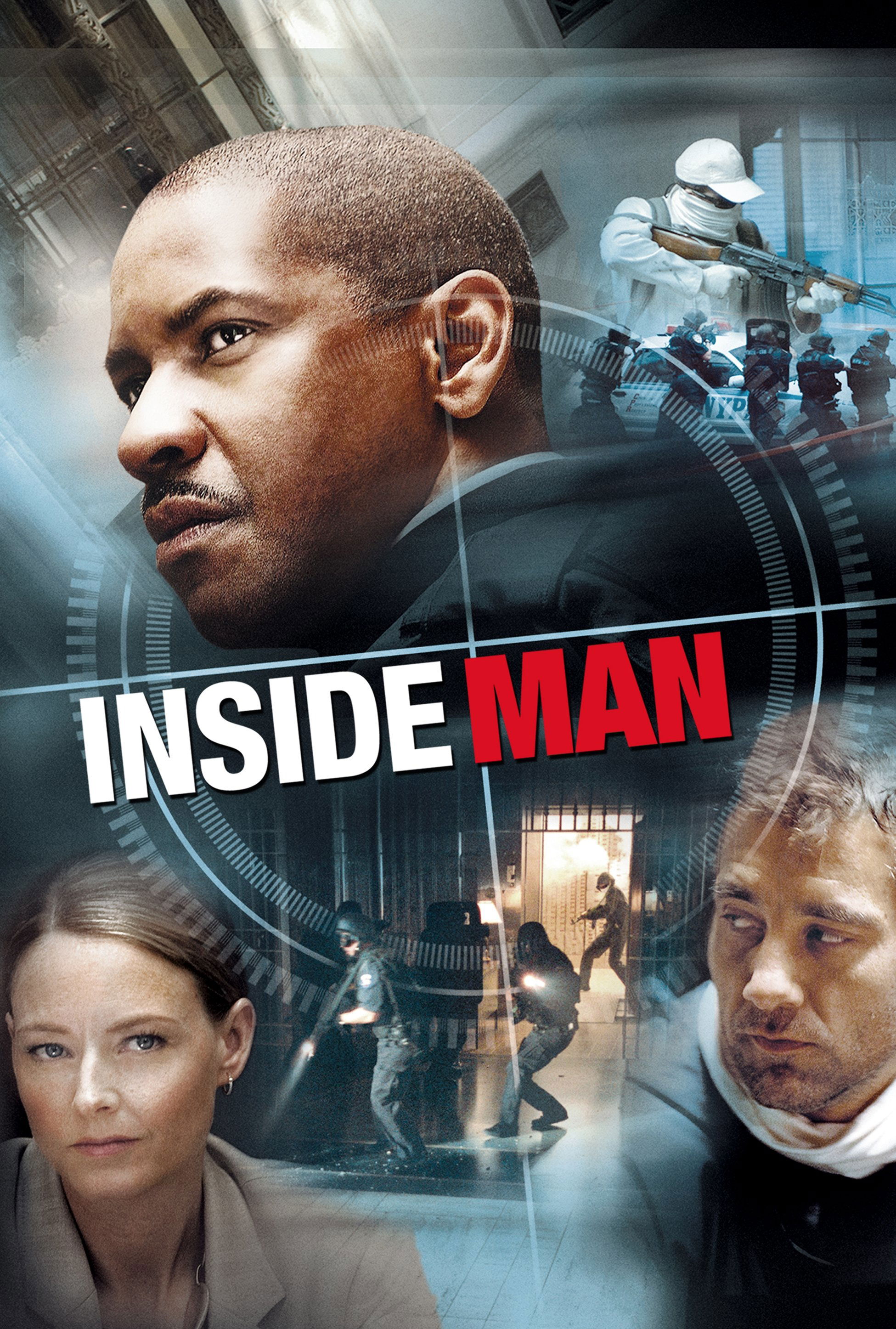
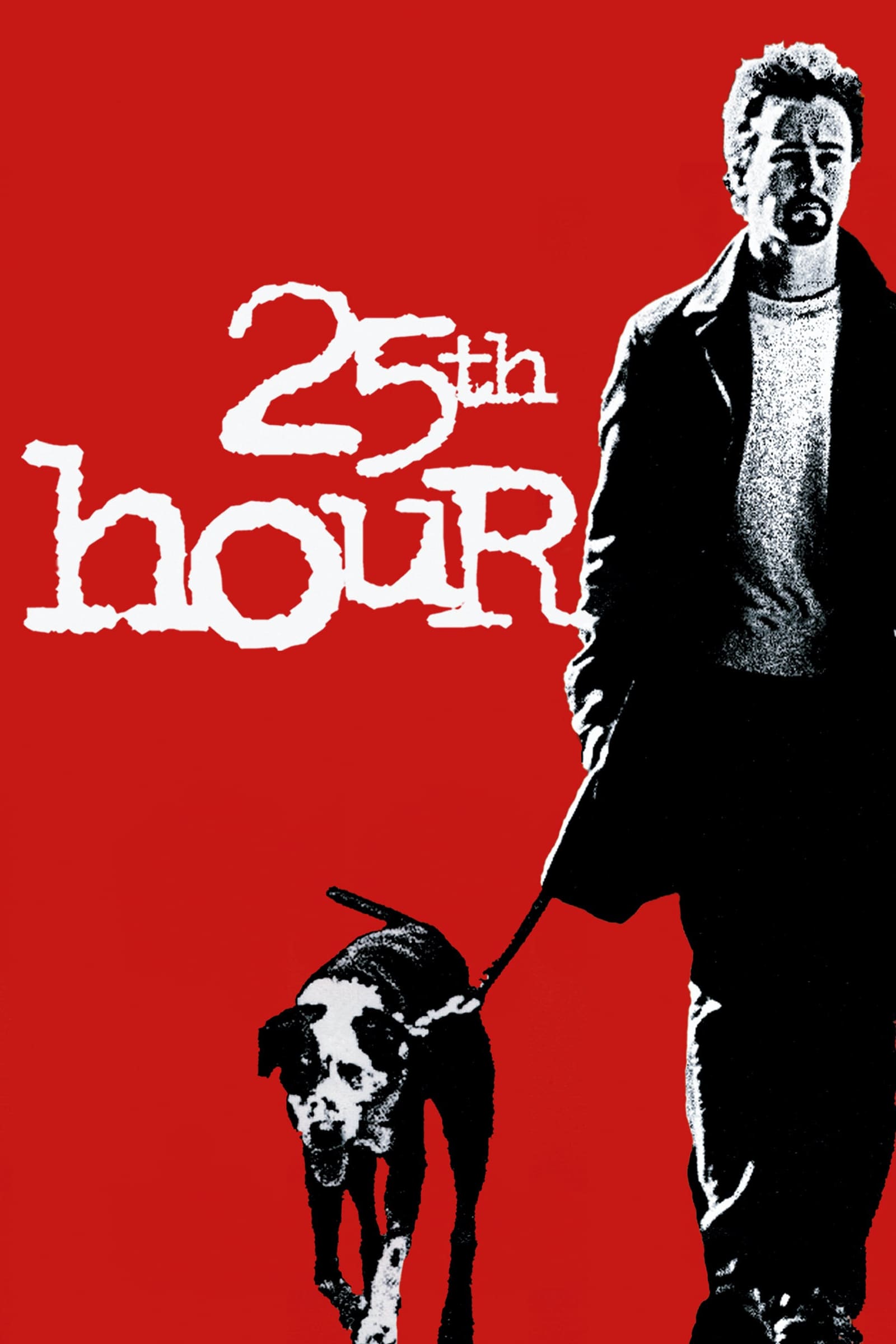
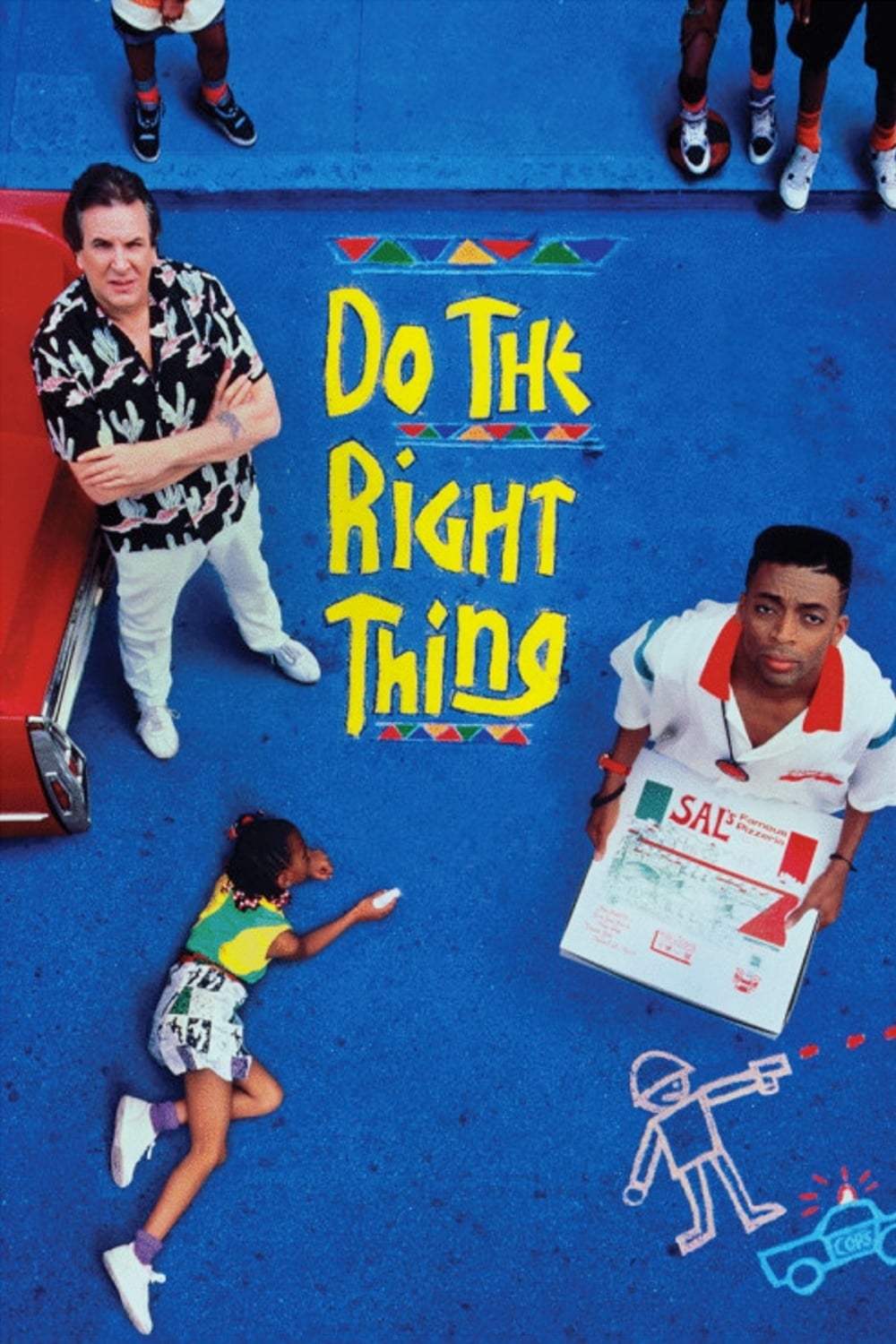
Rewatchables episodes featuring Spike Lee’s films
Mentioned in discussions


Recasting Couch
Spike Lee as director; Oliver Stone; James Toney as a performance swap
In the discussion (2)
- James Toney receives a slight acting-recast case.
- Spike Lee and Oliver Stone are discussed as director alternatives. — Bill Simmons

In the discussion (5)
- Matt Damon is proposed for Phillippe’s role; the same-age comparison rebuts an age concern. — Joanna Robinson
- Tobey Maguire and Casey Affleck are alternatives; Hartnett is supported, then challenged as not yet a strong enough actor.
- Tarantino directing is imagined as a much longer, more profane version.
- Spike Lee directing is imagined with crane shots, jazz and a Fraser/Gaye sex scene. — Van Lathan
- Relocating the film to Boston is jokingly anticipated and shut down. — Bill Simmons

In the discussion (7)
- Ray Allen receives the first winner vote.
- Denzel receives an alternate vote for his performance. — Logan Murdock
- The case for Ray Allen is that the movie changed his cultural standing more than it changed Denzel's career.
- A comparison with Reggie Miller reinforces the importance of the film to Ray Allen's legacy.
- A further participant joins the Ray Allen choice.
- Spike Lee is proposed because few directors could make the film without losing its force.
- Jill Kelly, Chasey Lane, and Heather Hunter receive a joking final alternative.
Podcast choices


The Coach Finstock Award for Best Life Lesson
Trust no one when you are a great but poor basketball prospect
In the discussion (2)
- Distrust of everyone surrounding an elite, poor basketball prospect is identified as Spike Lee's intended lesson. — Bill Simmons
- Big Time's deliberately idiosyncratic spelling lesson is offered as the comic alternative.

Apex Mountain
Travis Best; the performers observed as Chasey Lane and Jill Kelly; 1990s SportsCenter; Air Jordan 11s
In the discussion (10)
- Training Day is treated as Denzel's likely Apex because of the Oscar and star status.
- Ray Allen's Apex is placed at his championship-saving shot rather than this film.
- Travis Best receives an immediate film-specific Apex choice. — Bill Simmons
- Walter McCarty and John Wallace are added as basketball-player candidates. — Bill Simmons
- Spike Lee is considered and rejected as being at his Apex here. — Bill Simmons
- The observed Chasey Lane and Jill Kelly receive an emphatic Apex answer.
- Abraham Lincoln High School basketball is raised but left unresolved.
- SportsCenter in the Dan/Keith/Kilborn/Stuart Scott era receives a strong Apex verdict. — Bill Simmons
- Air Jordan 11s, rather than the movie's 13s, are declared the shoe line's Apex.
- Pre-gentrification Brooklyn is raised without enough knowledge for a verdict. — Bill Simmons
Half-Assed Internet Research
Unrealized sequel talks, Rosario Dawson's age and later account, and the John Henry meaning of the opening song
In the discussion (5)
- Ray Allen and Spike Lee are reported to have discussed a de facto sequel, but one participant says it will not happen. — Bill Simmons
- The observed Rosario Dawson is reported as eighteen and sexually inexperienced during production, with a later statement that she first had sex at twenty. — Bill Simmons
- The opening song is identified as John Henry. — Bill Simmons
- John Henry is described as a Black folk hero and steel driver who beat a machine but died. — Van Lathan
- The panel interprets that labor story as a deliberate man-versus-machine frame for the opening.

The Joey Pants “That Guy” Award
Big Time's observed performer Roger Gunverer Smith, Thomas Jefferson Bird as Sweetness, and Leonard Roberts as DeAndre are considered.
In the discussion (3)
- The performer playing Big Time is an immediate That Guy choice, though the transcript flags uncertainty about his middle name.
- Thomas Jefferson Bird is selected for recurring work in Spike Lee films and his role as Sweetness. — Van Lathan
- Leonard Roberts is proposed for playing DeAndre and being recognizable from other work. — Logan Murdock

What’s Aged the Worst?
College as a long-term choice for an elite prospect, the absence of a major hip-hop soundtrack, uneven supporting acting, the supernatural ball ending, and Uncle Bubba's menace
In the discussion (7)
- College basketball is described as a much less important long-term decision for an elite prospect now. — Bill Simmons
- The soundtrack still bothers the panel because it missed a possible great late-1990s rap compilation. — Van Lathan
- The panel accepts Public Enemy and jazz as consistent with Spike Lee's taste while still wishing for a wider hip-hop soundtrack. — Van Lathan
- Spike Lee's tendency to mix excellent performers with conspicuously weak supporting actors is criticized.
- The sleazy agent performer and Jesus's coach are singled out as weak actors.
- The ball traveling from prison to the college court is called an absurd ending, though one participant defends it.
- Uncle Bubba's implied threat to Jesus's sister is treated as disturbing.

The Great Shot Gordo Award for Most Cinematic Shot
Big Time's car scene, Jake at the cemetery, and Jesus with Lala by the fireworks are nominated.
In the discussion (3)
- Big Time riding in the car is proposed as the most cinematic shot. — Bill Simmons
- Jake at the cemetery receives another choice for Spike Lee's pull-away camera move.
- Jesus and Lala embracing by the fireworks is praised for its cinematography. — Van Lathan

What’s Aged the Best?
The premise, Denzel's 1998 look and jump shot, the Air Jordan 13s, young Ray Allen and Rosario Dawson, and the stature of college coaches
In the discussion (8)
- The seven-day furlough to persuade a recruit to choose a school is praised as a strong premise. — Bill Simmons
- Denzel's hair, clothes, and basketball outfit are praised as specifically evocative of 1998. — Bill Simmons
- The old-school jump shot coming from behind his head is praised. — Logan Murdock
- The Air Jordan 13s are praised as product placement that became part of the movie's identity.
- The shoes were reportedly released early to Spike Lee for filming before their public release.
- Young Ray Allen and the observed Rosario Dawson both receive praise. — Bill Simmons
- The montage of prominent college coaches is valued as a record of an era when those coaches carried broad cultural weight. — Bill Simmons
- The story that Denzel unexpectedly scored five points against Ray Allen enhances the final game's appeal. — Bill Simmons

Most Rewatchable Scene
The final one-on-one game
In the discussion (13)
- The opening playground game is praised for authentic basketball and the players' elaborate names. — Bill Simmons
- Jake buying the Air Jordan 13s and then meeting Jesus in the park is praised as a compact reunion sequence.
- The SportsCenter montage is valued as a late-1990s ESPN time capsule with prominent coaches and players.
- Michael Jordan only saying the title prompts a question about Spike Lee's reaction to obtaining the clip. — Logan Murdock
- The Big Time warning about temptations is praised as a complete Spike Lee cameo sequence. — Van Lathan
- Roger Gunver Smith is identified in the transcript as the performer playing Big Time, with uncertainty about the middle name's transcription. — Van Lathan
- The childhood game is treated as essential because it exposes Jake's severity and the tenderness missing from the father-son bond. — Van Lathan
- The Earl Monroe walk lets Jake explain Jesus's name and briefly parent his son through shared basketball history.
- The TechU visit is praised for the escalating parade of recruiting temptations. — Van Lathan
- The Lala confrontation makes Jesus recognize both her self-interest and his need to leave.
- The final one-on-one game is a leading choice because the unscripted competitiveness and farewell carry the father-son story.
- The thrown-ball ending divides the panel, with one participant loving it and others calling it absurd. — Logan Murdock
- A later choice adds the prison opening because it establishes Jake's discipline and the system using him. — Van Lathan
In the discussion (4)
- The film is reported to have cost twenty-five million dollars and earned 22.4 million. — Bill Simmons
- Roger Ebert is reported to have given the film three and a half stars. — Bill Simmons
- Ebert's review is summarized as calling the film a father-son heartbreaker rather than a greedy docudrama. — Bill Simmons
- Ebert is reported to have called it Spike Lee's best film since Malcolm X. — Bill Simmons

