
Stats
- Episodes featuring their films
- 4
- Movies in this archive
- 5
Rewatchables episodes featuring Oliver Stone’s films

Mentioned in discussions


Just One Oscar
James Cameron for directing; Oliver Stone counterargument
In the discussion (3)
- Cameron is proposed for Best Director — Bill Simmons
- Oliver Stone’s Platoon win is defended — Bill Simmons
- Other directing nominees are listed for comparison — Bill Simmons


Recasting Couch
Spike Lee as director; Oliver Stone; James Toney as a performance swap
In the discussion (2)
- James Toney receives a slight acting-recast case.
- Spike Lee and Oliver Stone are discussed as director alternatives. — Bill Simmons

What’s Aged the Worst?
Earn this; cemetery dialogue; photographing son; Stone’s criticism; reduced personal enthusiasm
In the discussion (9)
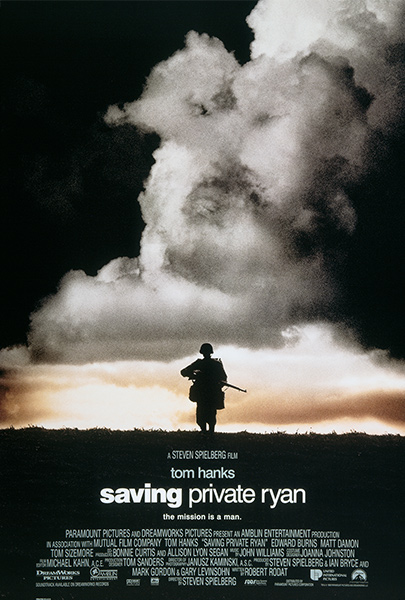
- Oliver Stone’s criticism of the film as promoting the good-war idea is called self-serving and overly restrictive about who can make war films. — Bill Simmons
- The objection leads to a debate about whether exciting combat and heroic sacrifice undermine an anti-war message, including comparisons with Platoon; Ryan is defended as celebrating sacrifice without making war attractive.
- Earn this is questioned as unclear, difficult to hear, and less profound than intended; make this matter is proposed as an alternative, while another view finds the original acceptable. — Bill Simmons
- The older Ryan asking his wife whether he led a good life is strongly criticized as an overexplicit, sentimental ending to a film otherwise effective at showing rather than explaining. — Bill Simmons
- Removing the prologue and epilogue entirely is proposed, with the counterargument that their sentimentality helped the film’s popularity; a narrower suggestion keeps the grave visit but removes the wife’s reassurance.
- The invited producer response calls the line cheesy but argues that the moment, perhaps with different wording, needed to remain.
- The cemetery scene is faulted for writing and acting, while the underlying idea that a survivor would reflect on whether he lived well is defended as reasonable.
- Ryan’s son taking photographs during the cemetery walk is called irritating, with the wife’s reaction noticed. — Chris Ryan
- One speaker questions his own reduced enthusiasm for Ryan compared with other Spielberg favorites despite its importance and the injustice of its Oscar loss; the painful opening and visible flaws are contrasted with Jaws, Raiders, and Close Encounters. — Sean Fennessey
In the discussion (6)
- The recasting is done for the original era.
- Chelsea Field could be improved on, with respect to her as Mrs. Scott Bacula, though the part is better as written.
- Renee Rousseau is floated for the wife, but the reply is that Chelsea Field wears the toll of the failed marriage and Rousseau would not be dragged down by someone like Joe. — Chris Ryan
- A jab about finally doing a Two for the Money pod follows. — Chris Ryan
- Treating Renee Russo as vetoed, Don Johnson is proposed for Joe and welcomed, seven years out of Miami Vice. — Bill Simmons
- Don Johnson never had the right movie part and lobbied Oliver Stone to play Jim Garrison; this could have been an awesome Sonny Crockett part. — Bill Simmons

In the discussion (3)
- Asked who won the movie, the answer is Oliver Stone, echoed with 'Yeah, Stone'. — Bill Simmons
- Another participant has Stone as well and calls the pick boring. — Brian Koppelman
- Lee Harvey Oswald is offered as the other argument, since the film does everything to take blame away from him. — Brian Koppelman
Podcast choices
- Speaker not identified
- Oliver Stone
- Speaker not identified
- Oliver Stone
Probably Unanswerable Questions
Did Oliver Stone invent QAnon?; Who killed JFK?
In the discussion (9)
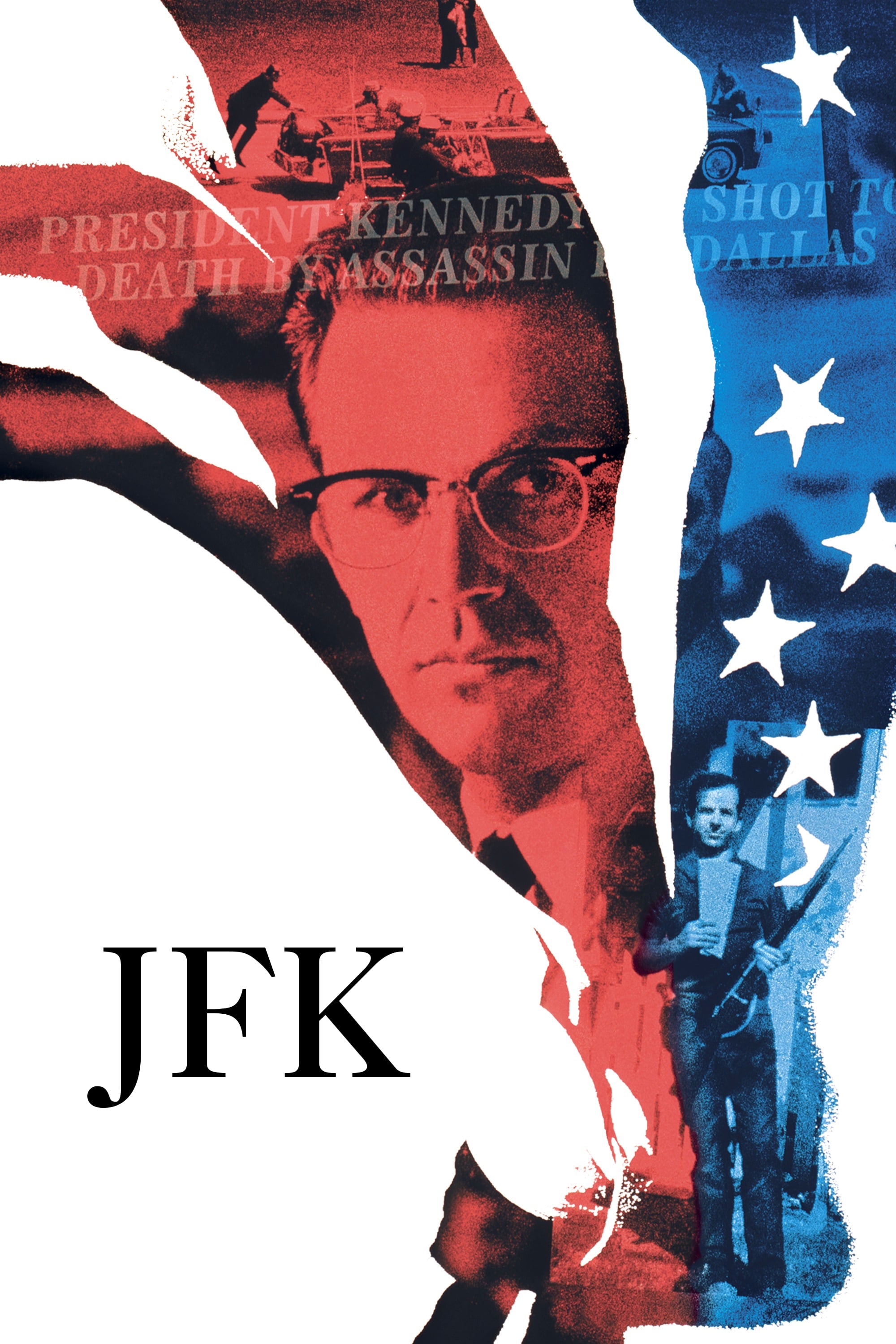
- Did Stone invent QAnon, popularizing today's conspiracy culture? One argues 9/11 mattered more; another cites post-Vietnam revelations like the LSD experiments.
- The CIA's documented misdeeds are called not conspiracy theory because the papers are public. — Brian Koppelman
- Stone tapped into obsessively studying footage (the Pruder film as transcribed, 9/11, January 6) and seeing what you look for; it is clarified that January 6 was a conspiracy, not a conspiracy theory. — Chris Ryan
- 9/11 is described as a known conspiracy with witnesses and video that stayed secret while planned, which might refute the idea that a conspiracy would come out. — Brian Koppelman
- The danger is that disempowered people seek answers where none exist, as Stone worked through trauma via art; Willie O'Keefe is called a white supremacist who would later vote for Trump.
- Who killed JFK: the first participant asked says 'Oliver Stone', turns to how the film is not about JFK's ideas, admits not knowing, and is ruled out.
- One answer: the intelligence community, active or ex-CIA. — Sean Fennessey
- Another answer: the mob and the CIA together, as American Tabloid has it; agreement follows, and the trigger man is said to be dead.
- The participants agree Oswald was in on it and none thinks he was completely innocent, and the Jack Ruby killing is called bizarre. — Brian Koppelman

Apex Mountain
Robert Richardson; Oliver Stone; JFK assassination conspiracies; Michael Rooker; Wayne Knight; Zapruder film
In the discussion (11)
- Costner: no; his peak is still Dances With Wolves, which won all the Oscars and made him the new Warren Beatty, with no argument. — Bill Simmons
- Oliver Stone: it might be this, since he got a studio to fund an assassination movie with his made-up theory and made The Doors and JFK in the same year; called a really good case. — Bill Simmons
- JFK assassination conspiracies peaked in the early 90s: agreed. — Bill Simmons
- Michael Rooker: Henry: Portrait of a Serial Killer is his high point, with Henry and JFK in about a two-year span when it was all happening for him. — Bill Simmons
- Henry is recommended as a realistic, disturbing film; one participant recalls seeing it before a game at a theater near BU with seven other men; tangent: Henry and One False Move as a never-sleep-again home double feature.
- Rooker being the most normal-seeming character shows how crazy the movie is; his LBJ argument scene is called absurd and possibly cut down.
- Rooker is praised in Cliffhanger and now in the MCU; one participant has met with him.
- Wayne Knight, no question: Newman at the same time and Jurassic around then.
- The Zepruder (as transcribed) film as Apex Mountain: yes, with a reference to the Time-Life building.
- Also joked about: the Cowboys doing well in '91, and a Zupruder (as transcribed) NFT pushed by Gary Vee. — Brian Koppelman
- Richardson: a filmography spanning Stone's films from Salvador through Nixon, John Sales (as transcribed), Scorsese and Tarantino; at the top of his game here; a jab that he's no Gordon Willis, but flexible with a distinctive blown-out overhead light.

What’s Aged the Best?
Gary Oldman as Oswald; Seinfeld spoof; Pesci-Tommy Lee Jones wig battle; Kevin Bacon's career revival; Oliver Stone's Dave cameo; Tommy Lee Jones in gold paint; Dealey Plaza recreation; John Williams score; New Orleans setting; specter of JFK; character actors in tiny roles
In the discussion (15)
- Offered as number one: Oldman as Oswald is creepy, great, and looks like Oswald.
- Oldman must have shot much of his material separately with Stone; a 'Gary Oldman cut' as a standalone Oswald movie is wished for. — Chris Ryan
- Deleted-scene story: Oldman asked Stone to point the camera at him late at night for an elegiac Oswald monologue; Stone shot him in a casket and planned to end the film with it before making a different call; it can be found on YouTube. — Brian Koppelman
- The 1992 Seinfeld spoof 'The Boyfriend' features Wayne Knight and Keith Hernandez; Hernandez is praised and then jabbed as possibly a QAnon guy.
- 'The Boyfriend' is remembered as the episode that showed Seinfeld would be the biggest show, with the spitter bit called lights out. — Bill Simmons
- The wig battle between Pesci and Tommy Lee Jones: Tommy Lee wins a 10-8 round. — Bill Simmons
- Bacon is said to call the film a turning point that reignited his career, leading to A Few Good Men. — Bill Simmons
- Stone's self-deprecating cameo in Dave two years later has aged best for one participant. — Bill Simmons
- Tommy Lee in gold paint getting slapped by Pesci in a Dangerous Liaisons outfit is praised as the good version of a wild idea, unlike a cut Nicholson idea in The Departed; Tommy Lee doing it is what makes it great. — Bill Simmons
- Objection: the same scene bumps against what's aged worst, the film's attitude about homosexuality, called retrograde and unacceptable; the counterpoint is that it was part of Garrison's case against Shaw and that era's judgment. — Brian Koppelman
- Stone recreated the assassination in Dealey Plaza, spending $4 million to restore it to 1963 conditions and reroute traffic; Sutherland and Costner memorized their monologues. — Bill Simmons
- Debate on whether acting is mostly memory: one participant says no, the camera reveals compelling people like Sutherland and memorizing matters more in theater; it is jokingly settled at 70% memory. — Brian Koppelman
- John Williams's score and New Orleans as a setting are named.
- The specter of JFK himself: the speech that opens Stone's documentary, the Caesar-like shot in the X speech and the still photograph of Kennedy.
- Top character actors appear for less than a scene, including Ron Rifkin with one line, Lolita Davidovich, Brian Doyle-Murray and John Larroquette. — Sean Fennessey
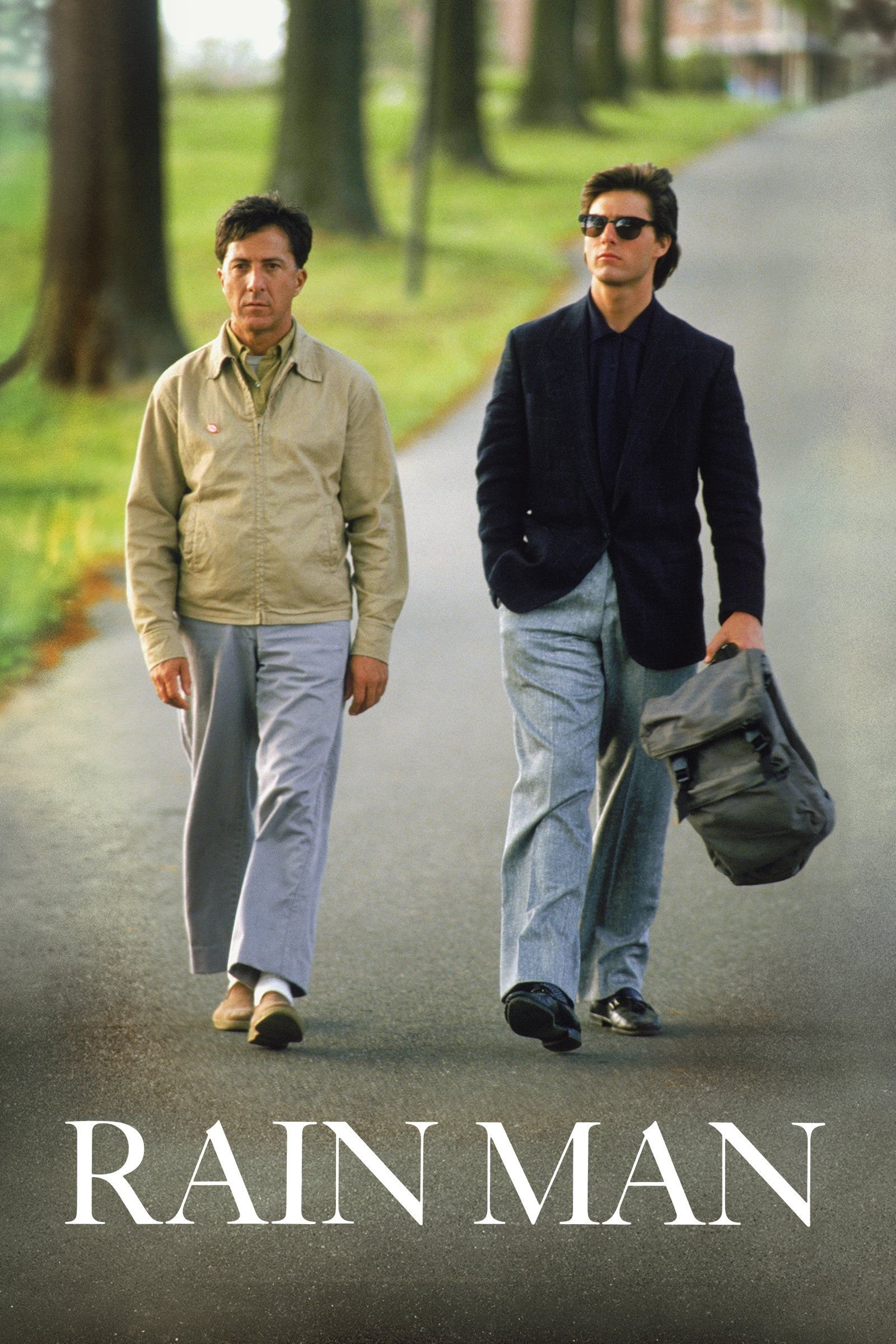
What’s Aged the Worst?
Oscar-bait disability movies; Raymond crashing the sex scene; the car-import business scenes; the card-counting stigma and casino reaction; Tom Cruise's cigarette smoking
In the discussion (12)
- The Oscar-bait run of movies like Regarding Henry looks bad in totality. — Sean Fennessey
- Raymond crashing the sex scene also goes here: weird, though it somehow works. — Sean Fennessey
- The car-import business scenes with Lenny are one and a half too many and five minutes too much, like someone gave Oliver Stone an eight ball to write two Lamborghini-importing scenes. — Bill Simmons
- The economics of Charlie's business is flagged and deferred to a later spot. — Bill Simmons
- The stigma of card counting starts with this movie, yet they don't seem to win enough for the casino to turn on them; up 80 grand in 1988 is guessed at about 400K now. — Bill Simmons
- Crowds in Vegas do not gather behind random winners at a table unless it is someone like Tiger Woods or Charles Barkley. — Bill Simmons
- Card counting is not illegal, and being called into the manager's office for that amount seems ridiculous; trouble usually starts in the millions. — Sean Fennessey
- There is no law against counting cards unless using a device; casinos push out players who crush them over months, not for one night. — Bill Simmons
- Tom Cruise trying to smoke cigarettes ages worst and is suggested to have cost him an Oscar nomination; fans are invited to make a montage of Cruise smoking in movies. — Bill Simmons
- Cruise learned to fly a plane, flip pool cues and drive a race car, yet smokes like an idiot, holding the cigarette like a tree stump, usually at a diner. — Bill Simmons
- Hoffman smoked through the Bernstein role and could have given him advice; Cruise also learned a back handspring for The Firm. — Bill Simmons
- Bad smoking on screen is called a passion; Cruise clearly never had a cigarette, holds it sideways and never smokes it, because his body is a temple. — Bill Simmons


In the discussion (5)
- There are arguably three movies (the military-government thriller, Connery's and Cage's), but by the Judd Nelson standard Ed Harris is in a completely different movie because he takes it so seriously. — Chris Ryan
- Harris plays it like an Oliver Stone sequel to Platoon, without an Alan Rickman or John Lithgow gleam, entirely straight; not certain that was right, but memorable. — Chris Ryan
- Pushback that the core three were praised all along draws the reply that Harris is liked, just in a different movie, unlike Gene Hackman's quirks in Crimson Tide.
- Counterpoint: an obvious villain would make a different film; the story rests on the bluff, which Connery reads ("he's a soldier, he's not a madman"). — Mina Kimes
- The core three are rated more like Westbrook, Beale and Bertons, with a Chris Bosch comparison retracted, while Harris is called amazing. — Mina Kimes
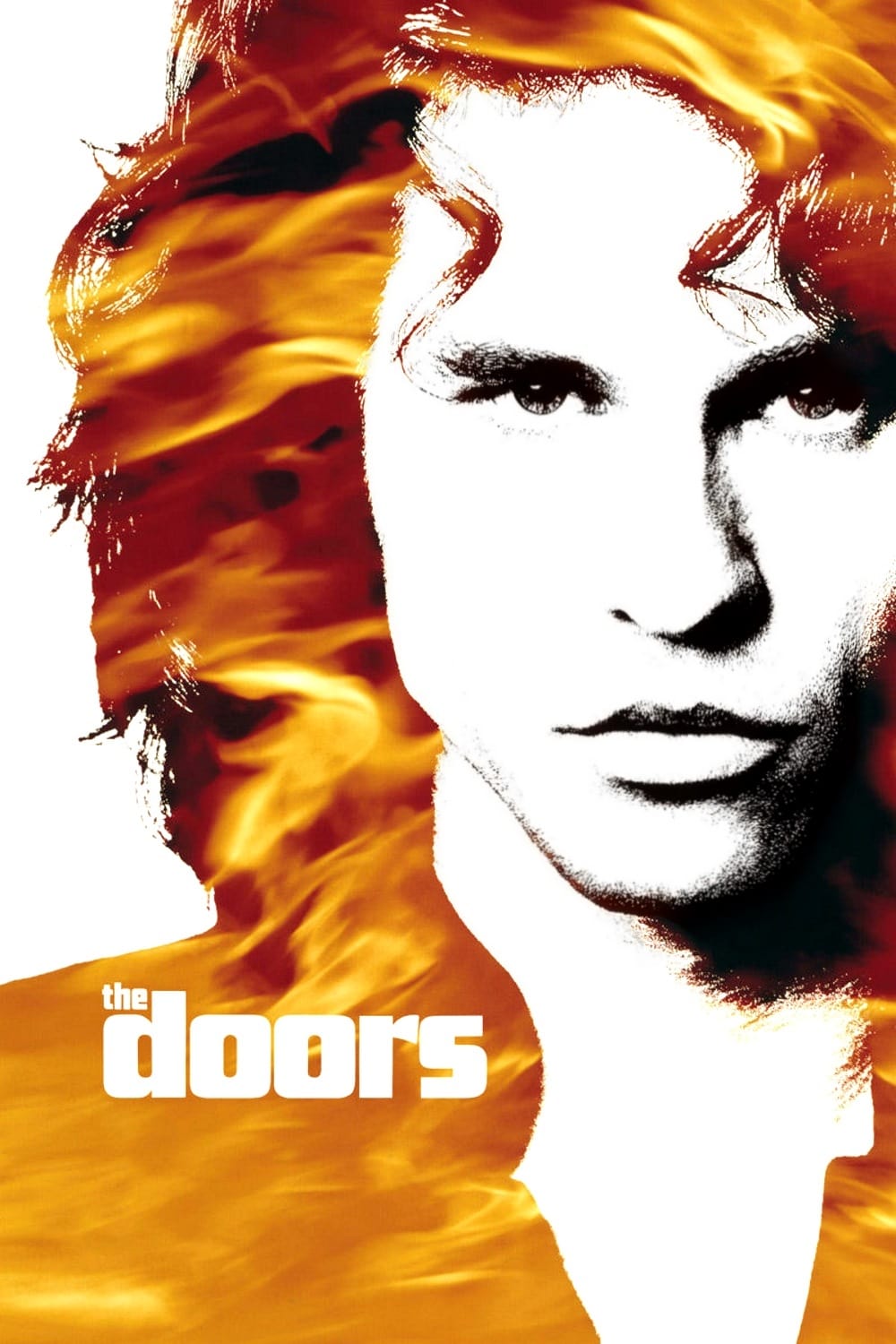
Apex Mountain
Val Kilmer; Billy Idol's movie career; Barney's Beanery
In the discussion (9)
- Oliver Stone: no. — Chris Ryan
- Kilmer's Apex: Batman or the Tombstone Huckleberry role are mentioned, but this giant movie-star role made him a star; agreed.
- Meg Ryan: no. — Bill Simmons
- Desert drug scenes are asked about as an Apex; the reply muses that the movie cemented the desert as the place for hallucinogenics, with no yes given. — Chuck Klosterman
- Frank Whaley's Apex is put at Pulp Fiction or Career Opportunities; debate over whether Apex means peak or most juice; this movie was not a success. — Bill Simmons
- Kyle McLaughlin (as spoken): no, Twin Peaks; Michael Madsen: no. — Bill Simmons
- Billy Idol's movie career definitely peaked in 1991, with Cameron and Stone wanting him. — Bill Simmons
- Barney's Beanery: no question. — Bill Simmons
- Hedged: you could argue the Doors music was most potent in 1991; disputed, with three Doors periods described. — Chuck Klosterman
What’s Aged the Best?
Selling-out concern; Oliver Stone's film-professor cameo; Top Gun connection; Break On Through performance; death theme; closing credits; Doors music; Frank Whaley's guitar playing
In the discussion (8)
- The concept of selling out with commercials, a big concern in 1991 (Michael Stipe would never have allowed it), tells more about 1991 than the 60s; Morrison's reaction resembles what one would expect of Cobain. — Chuck Klosterman
- Stone's cameo as a film professor holds up for the thick, fake-looking goatee and a workshop that pisses on Morrison's film. — Chris Ryan
- The Top Gun connection: Iceman and Goose's wife as the leads. — Bill Simmons
- Jim turning around and the Break On Through performance. — Bill Simmons
- The theme of death, with the bald man moving closer to Jim through the film, is well done; he looks like Jeff Bezos. — Bill Simmons
- The closing credits bring in L.A. Woman, missing from the film, with the credits ending on "and Val Kilmer is Jim Morrison." — Bill Simmons
- The Doors music sounds good, though this speaker never had a Doors period and came to it through Apocalypse Now; Frank Whaley convincingly plays guitar and is called the second-best person in the movie, with agreement. — Chris Ryan
- Kevin Dillon looks like he is drumming; it is unclear whether McLaughlin (as spoken) can play organ, as he always plays the top and bottom keyboards at once.



