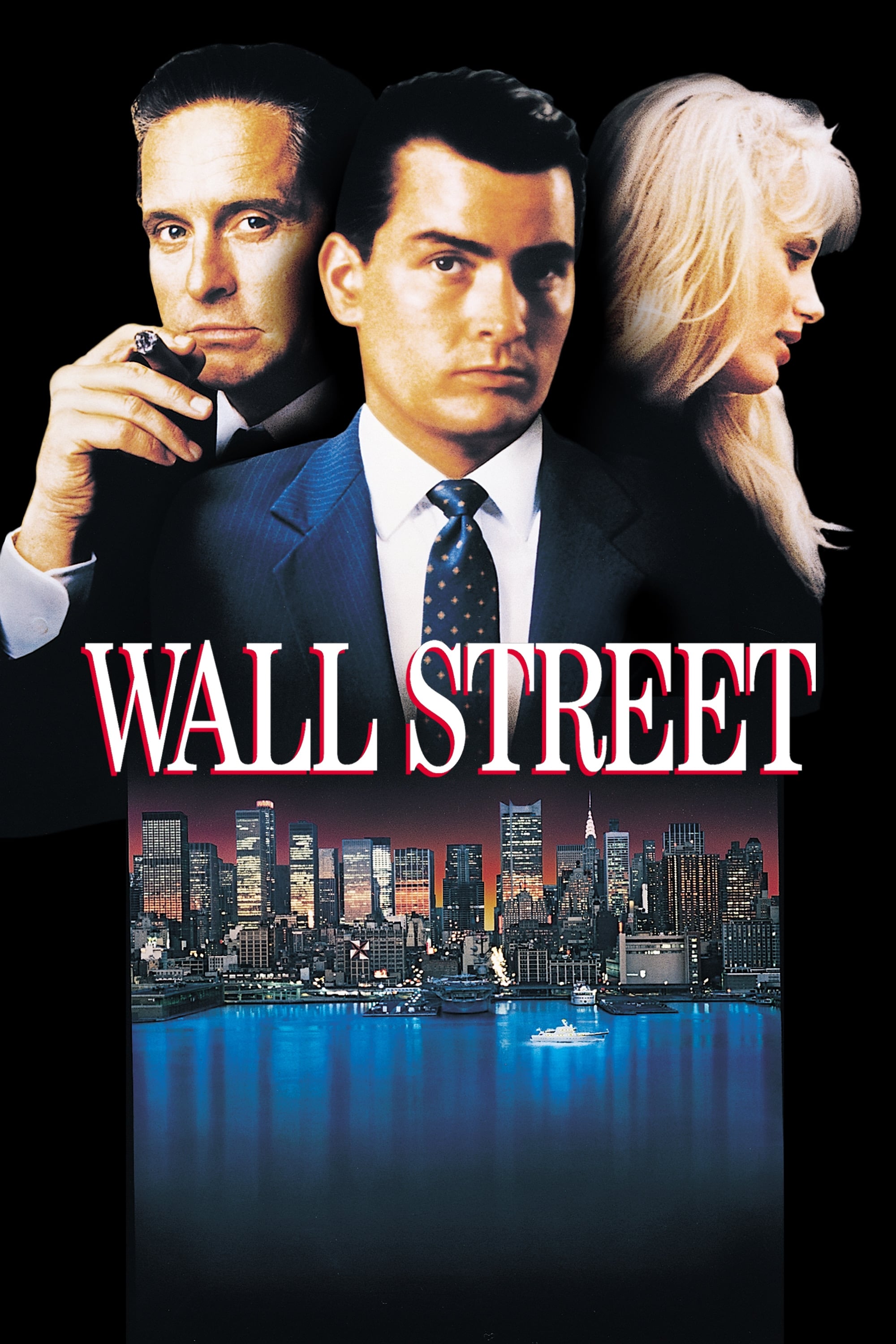
A case is made for Oliver Stone: Platoon and Wall Street back to back, a movie that became a true piece of pop culture, and a peak he never reached again. — Brian Koppelman
It stays Douglas because this and Fatal Attraction made him the biggest star in the world, with a character that stood for a period of America. — Brian Koppelman
Michael Douglas is at Apex with this or Fatal Attraction, becoming the biggest male star in the world. — Brian Koppelman
Oliver Stone is at Apex here after Platoon, letting him make any movie, leading to JFK, which is called his best movie. — Brian Koppelman
Charlie Sheen's Apex is argued to be the Two and a Half Men TV run or Platoon as an artist, not this movie; he was in a death match with Cruise for roles. — Brian Koppelman
Sean Young's Apex is No Way Out rather than this; Darrell Hanna could be argued for Roxanne. — Brian Koppelman
Wall Street itself is called an evergreen with no Apex; cocaine and limos are only maybe at the apex, and the Talking Heads peak is Stop Making Sense. — Brian Koppelman
Goofy movie robots are the favorite, a step crazier than Rocky 4, with Paul Guilfoyle playing with the robot. — Brian Koppelman
Early stealth Hamptons is raised; steak tartar is called at its high point, and squash is a call that is liked. — Brian Koppelman
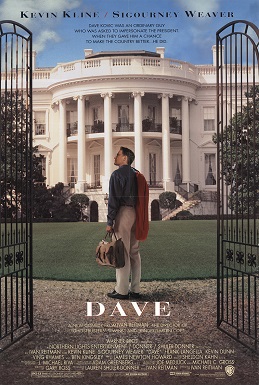
This was tough: Grodin is in it, Ving Rhames is mentioned even though he's not really a heat check, and the initial choice is Oliver Stone, in the movie for 20 seconds and making about seven threes.
Bonnie Hunt is nominated for the 'we're walking, we're walking, and we're stopping' White House tour bit introducing Bob Alexander and the 42 presidents and their wives; the scene is really funny, she is pretty good, and the award is given to Bonnie Hunt.
The cameos are tremendous and feel very 1993: Oliver Stone, Tip O'Neill, Jay Leno, Arnold Schwarzenegger, the McGluffin Group (as transcribed), early Camden Yards two years in, Ben Stein and Paul Simon, not the politician; the only missing piece would be a fake SNL sketch with Phil Hartman doing Kevin Kline, and the movie feels trapped in that year.
The 'if you've ever seen the look on someone's face when they get a job' riff still gets a host; the soundtrack and music are happy and perfect yet completely of a moment, like the score in The Firm, the kind of score nobody writes anymore and which feels stolen for other movies and trailers.
Bob Alexander is a phenomenal bit and an iconic character to be discussed later, and the Kevin Kline and Sigourney Weaver wedding photo next to the bed is basically their Ice Storm photo before they made The Ice Storm, sideburns included, foreshadowing a movie the hosts all love.
The Kevin Kline and Ving Rhames scenes: Rhames, who later plays Marcellus and the Kiss of Death guy and all these crazy characters, is a straight presence here, and the exchange about his sweaters making his neck look too thick and whether to get a sweater vest is a sweet friendship.
DC itself: the film is said to be one of the only movies that realistically portrays what it's like to drive around Washington, unlike the virtually impossible routes most DC movies take, something the show points out about New York in nitpicks, though it helps that they don't go that many places.
Kevin Kline's performance counts too: he walks a fine tonal line in this that not many people could pull off, basically its own brand of comedy we haven't seen much of.
The cameos are one host's final answer, with the Oliver Stone one singled out as excellent and so funny, and the movie gets out of it quickly so the joke isn't beaten into the ground.
Kurt Russell first, with the reminder that the question is the highest point of his career, not the favorite: one case is The Thing in 1982, after Escape from New York and with Silkwood, Swing Shift and Big Trouble in Little China coming; a no is cast because Escape from New York was only later a cult hit, raising whether apex is judged at the time or on reflection.
Reading about Tombstone makes it sound like Russell was able to finance the movie coming off Backdraft, a relatively big hit he starred in, likened to LeBron in the 2018 Finals; a controversial case is made for Tango and Cash, when after the well-liked Tequila Sunrise with Michelle Pfeiffer a hit with Stallone, an absolutely ridiculous movie only those two could pull off, left him looking like an A plus list star.
Tango and Cash was not a huge hit, costing $55 million and making $66 million, though $55 million in 1988 is like $160 million today, and it is not that good; the counter is that it opened up Backdraft and his ability to finance Tombstone; the actual answer may be that there was no apex at all, a range of rolling hills, which is what is cool about his career.
Russell was nominated for Best Supporting Actor for Silkwood, which is why his Apex Mountain is around The Thing in 1982 or 1983, when Escape from New York was becoming a cult movie. — Sean Fennessey
Whether Russell was ever Oscar-nominated is disputed, Miracle floated and rejected, until the Silkwood nomination is recalled; the host who forgot it concedes, a 180 the others tease.
Russell could have had a different career as a serious dramatic actor rather than leaning into the masculine hero; he and Harrison Ford are cut from the same cloth, smart throwbacks to Paul Newman charisma, but Ford got two franchises while Russell alternates three good films and three bad; he is also just a good-looking dude, at his most handsome here, a man who should be on a poster.
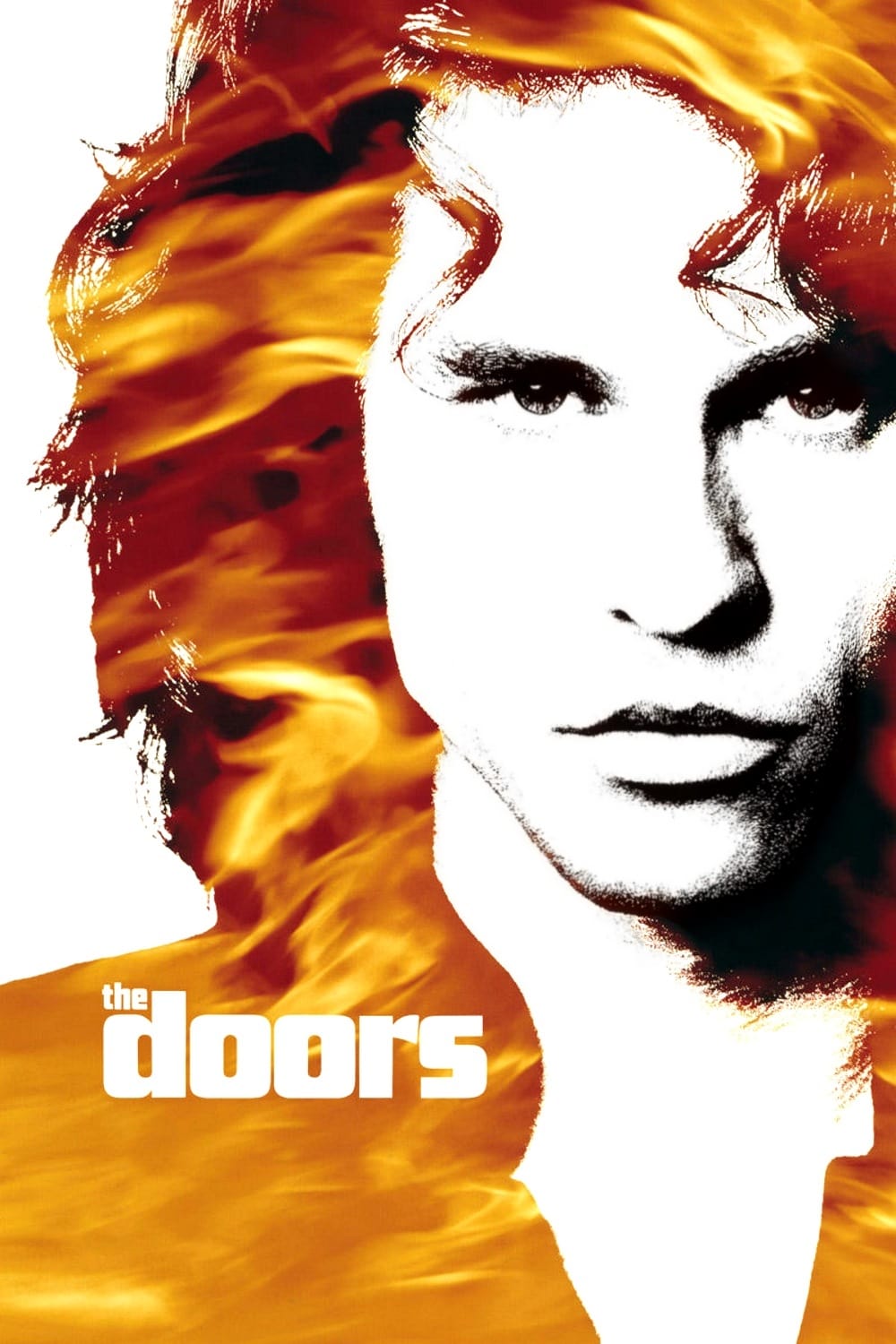
Val Kilmer: a no, with Top Gun imagined as his apex, since coming out of it people saw him neck and neck with the star, though another calls that the star's movie and goes Heat, where as De Niro's wingman in the biggest mid-90s movie he is the next wave; his pre-Batman run is traced through True Romance, Tombstone, The Real McCoy, Thunderheart and The Doors.
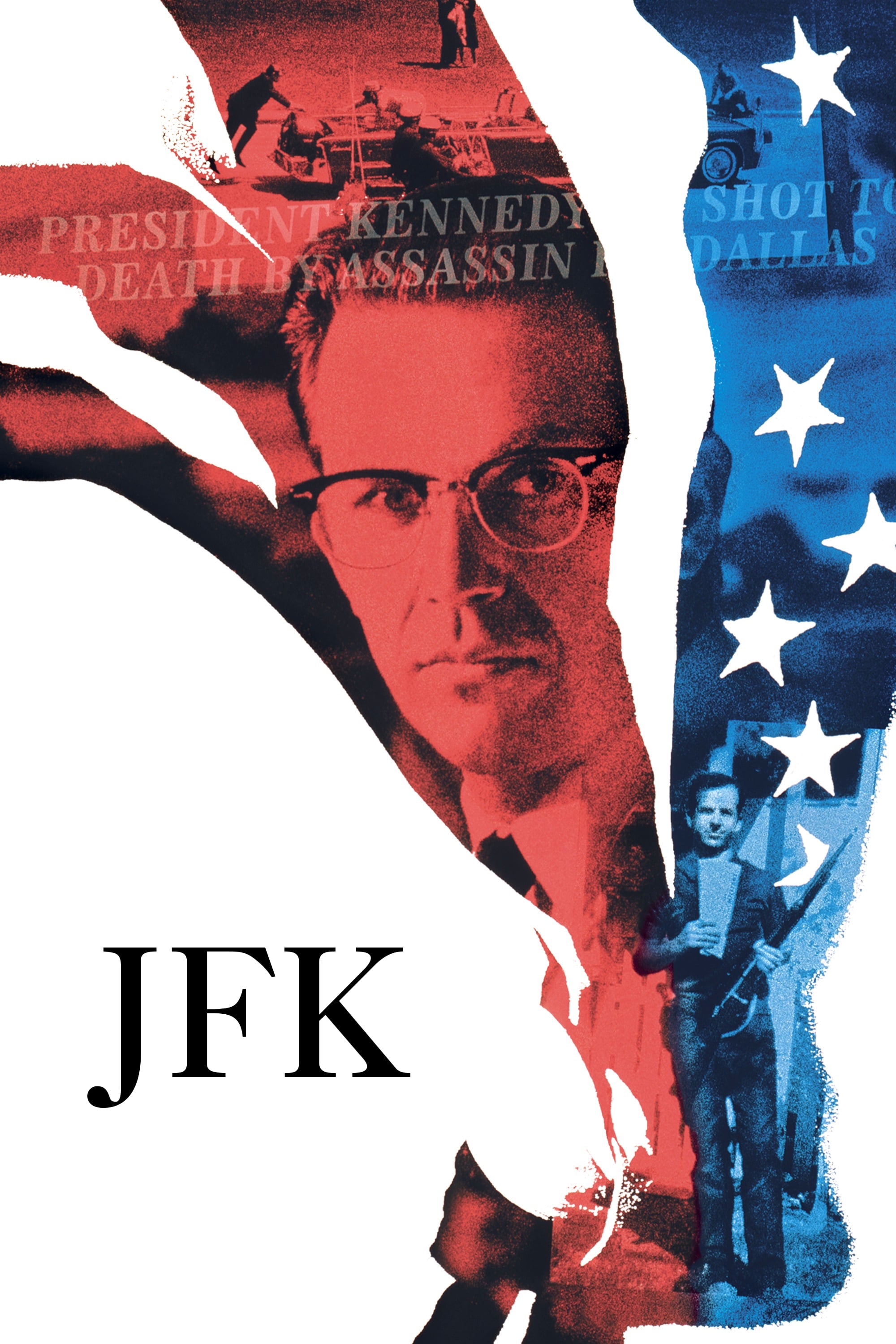
1987 right after Top Gun is floated, when Willow was hopefully going to be his Han Solo and did not work out; one host's personal apex for him is The Doors, where he was out of control, and a Doors rewatchable is wanted, though JFK would have to come first among the Oliver Stone movies.
Jason Priestley is a thousand-percent yes: 90210 was never bigger, he is in a movie with Kurt Russell and Val Kilmer and has a couple of heat-check scenes, the steepest mountain of all time, very high with a precipitous drop on either side; a caution that a later show (transcribed 'Natuna') was big for three and a half years does not change the view that this literally was his Apex Mountain and his first dabbling in movies.
Dana Delaney's apex has to be China Beach, which was probably already gone by this point, so she is not a yes; nobody else is proposed except George Cosmatos as ghost director, already covered, with the joke of a Ringer video secretly directed by someone else.
The late Bill Paxton: this is not a Mount Rushmore Paxton performance next to Aliens, Near Dark, One False Move, Weird Science, True Lies and Twister, though it may be his sweetest spot while figuring out how to be Bill Paxton; in Aliens Sigourney Weaver is the hero but Paxton and Biehn would in any other world have been the stars, and One False Move is incredible though arguably Billy Bob's movie too.
Twister was Hollywood's first concerted effort to make Paxton a major star, marketed with Helen Hunt and Philip Seymour Hoffman as people who were going to be stars rather than actual stars; the shift from needing a movie star to needing a tornado, meteor or alien invasion is traced to Speed, where Keanu was the guy and Sandra Bullock turned out to be one of the biggest stars of the next twenty years.
Paxton is one of the all-time great number two or three guys: here he sets picks and makes a couple of corner threes, telling Wyatt he is the one, spits a lot, works the scorer's-table handshakes at the start, and gets the 'hey' when Doc responds to Wyatt's description of his new wife with 'pure as the driven snow'.
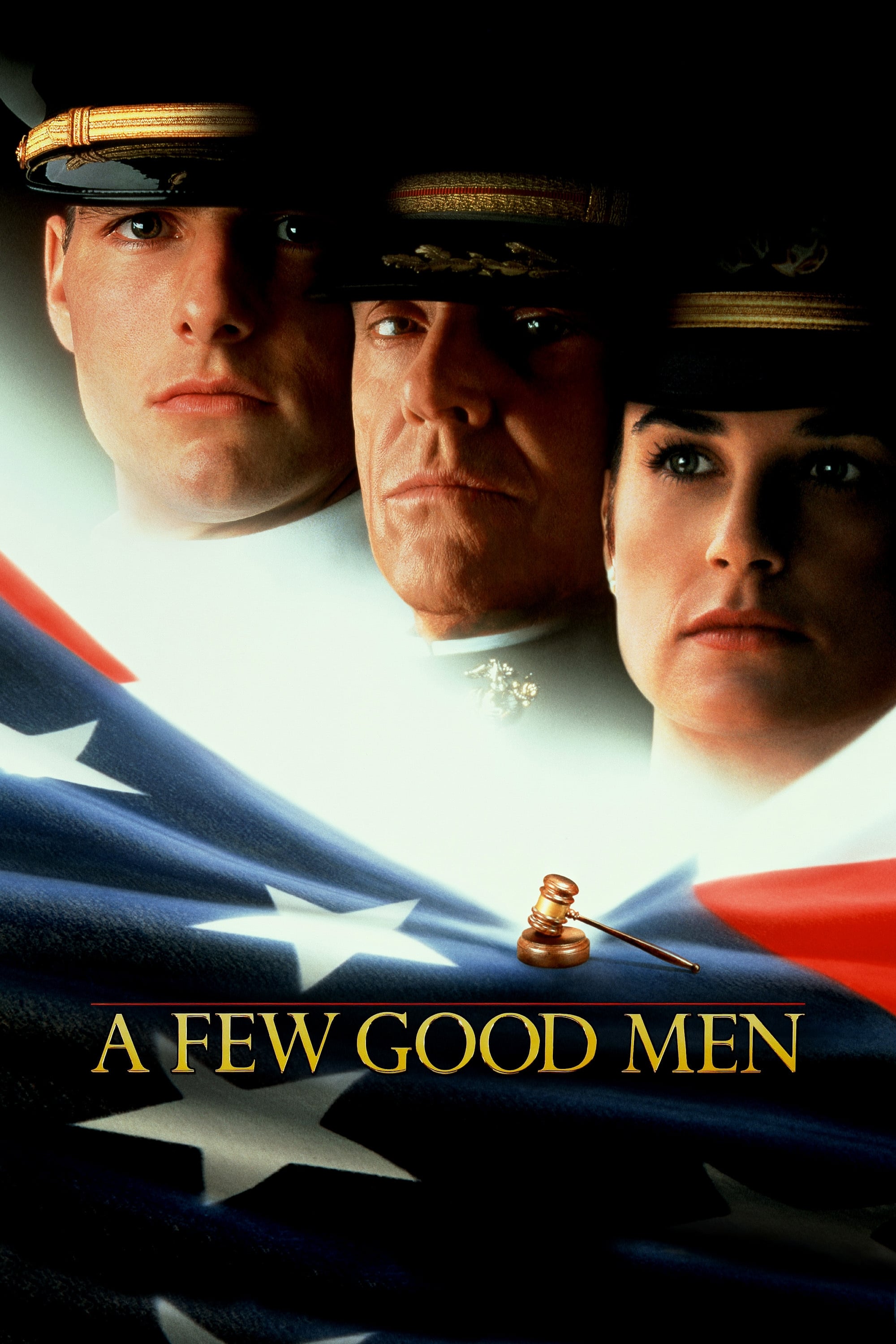
Kiefer Sutherland clipped Marines while driving a Jeep; Ebert gave it two and a half stars; Nicholson did 40 to 50 takes of the code red scene; it cost $30 million and made $230 million; Jason Alexander was meant to play Sam Weinberg; Sorkin wrote it on bar napkins and bought an early Macintosh with his roommates; Dawson's actor was Reiner's assistant; Sorkin cameos as a lawyer at the bar
Kiefer Sutherland drove the military Jeep so badly that he clipped a couple of Marines and scenes had to be redone, though he drives in only one scene, perhaps rewritten so Noah Wiley drove.
Ebert's two-and-a-half-star review, which said the film telegraphed the ending, is noted and rejected.
Nicholson did 40 to 50 takes of the 'you can't handle the truth' code red scene and kept performing during everyone else's coverage, telling the crew he loves to act, which becomes a joke about loving to podcast.
Unlike productions full of casting stories and disasters, nothing went wrong here: it cost 30 million, made 230 million, Nicholson cost a lot, everyone calls it their best experience, and Reiner's directing is joked down to pointing the camera at the movie stars.
Jason Alexander was supposed to play Sam Weinberg until season 2 of Seinfeld was picked up; Plan B was Kevin Pollard (as transcribed).
Sorkin wrote it on bar napkins at a bar off Broadway, he and his roommates chipped in to buy an early Macintosh to write the script, and Dawson was Reiner's assistant.
Sorkin was a bartender and appears in the film as the lawyer at the bar; the hosts like writers and directors showing up in their own movies, citing Oliver Stone as a football announcer and Scorsese playing the creepiest guy, though Sorkin has ten seconds too much dialogue, out of focus but clearly audible.