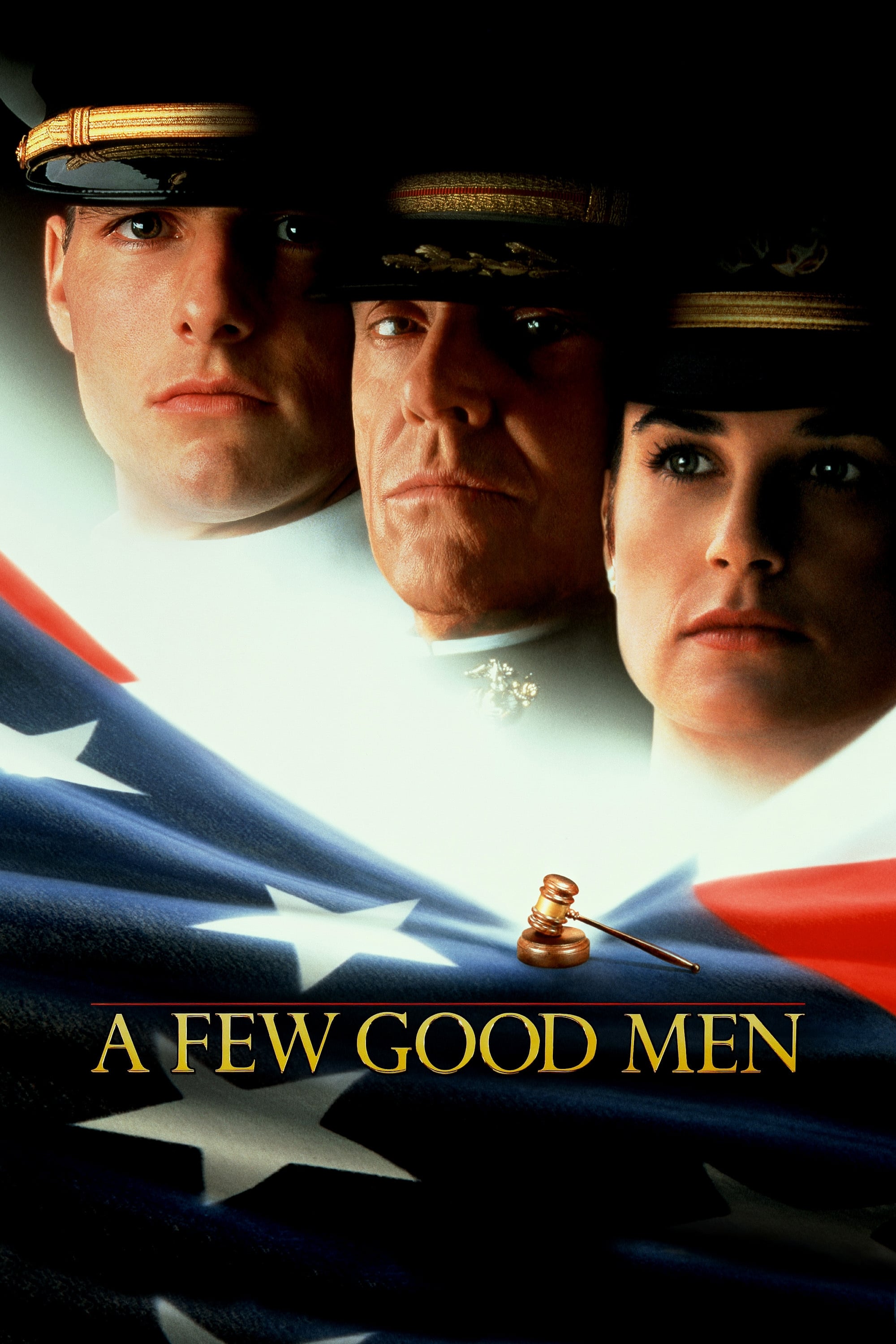
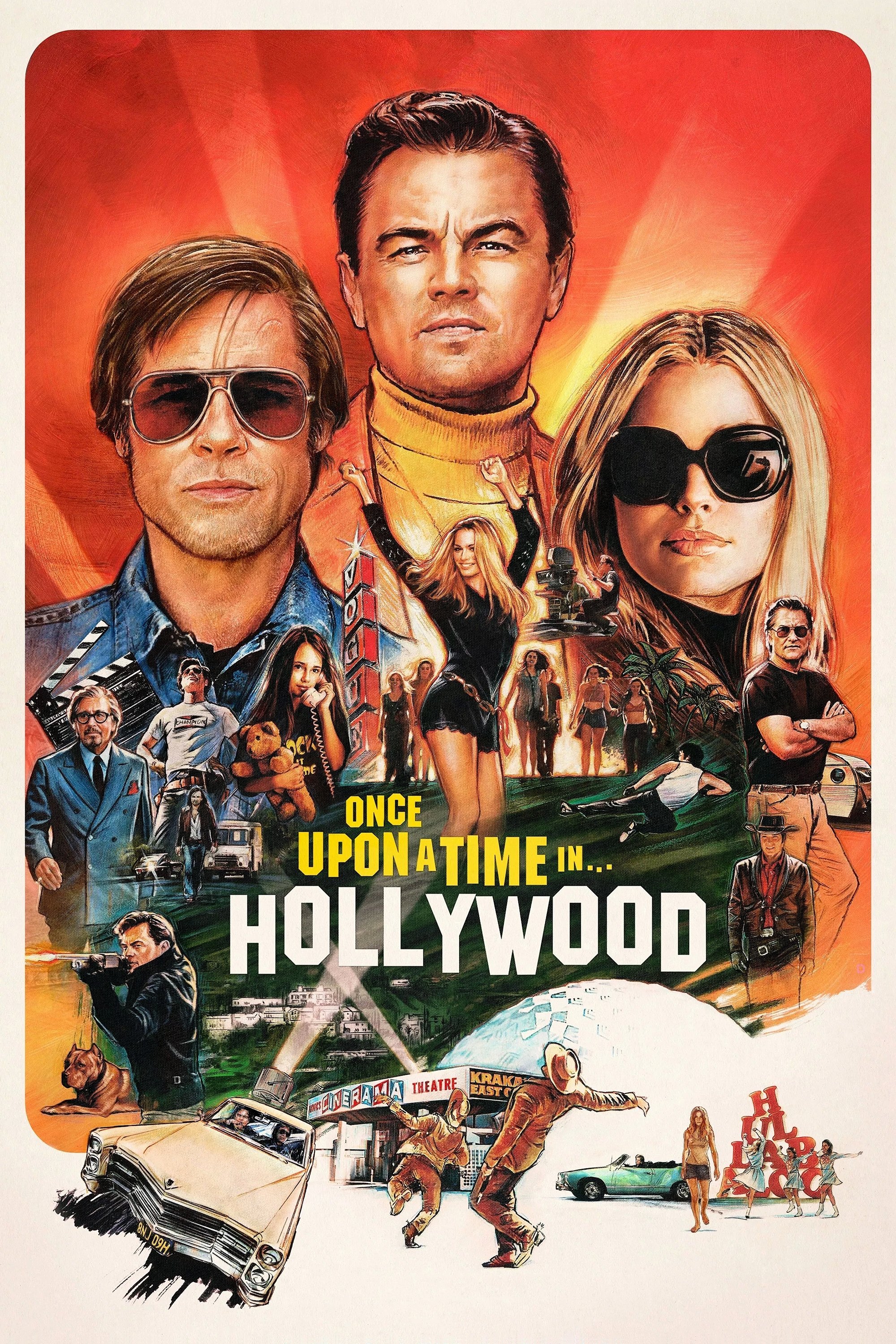
Nicholson is rejected, with Chinatown and One Flew Over the Cuckoo’s Nest preferred and the Broadcast News/Batman period considered for sheer stardom. — Bill Simmons
Code reds, the opening marching-band performance and Pollak receive affirmative nominations; Guantanamo Bay is rejected. — Bill Simmons
Sorkin and Walsh are rejected, with Blue Chips preferred for Walsh; Yoo-hoo receives a yes. — Chris Ryan
Bacon is rejected; Reiner receives a yes because of Seinfeld and Castle Rock’s success.
Cinematic softball practice and Bodison receive agreement. — Bill Simmons
Moore is considered miscast, but that mismatch is defended as entertaining; a straighter Julianne Moore performance might make the film less fun. — Bill Simmons
Jo exemplifies an emotional-support female lead whose main function is to affirm the male protagonist, compared with Jeanne Tripplehorn in The Firm.
Moore and Cruise are considered watchable together but lacking sexual chemistry; Moore’s difficulty with Sorkin’s dialogue is contrasted with Cruise’s command of it.
Ending immediately after the trial avoids an unnecessary coda of congratulations, romance and supporting-character resolutions. — Chris Ryan
The Kaffee–Dawson relationship’s recovery culminates in the emotionally effective final salute, despite its corniness. — Bill Simmons
Bacon’s exceptional supporting work is praised as a career turn toward elevating another lead rather than competing with Cruise as a star. — Bill Simmons
Kaffee and Ross’s hallway conversations exemplify the developing Sorkin walk-and-talk trademark. — Bill Simmons
Relaxing with baseball, a bat and a Hawaiian shirt without constant online distractions is admired. — Chris Ryan
Kaffee’s 1963 Chevrolet Impala is praised. — Bill Simmons
Airmen O’Malley and Rodriguez are cited as highly consequential characters without dialogue. — Bill Simmons
Sutherland reportedly struggled to drive the Humvee and hit Marines during takes, leading Noah Wyle to replace him as the driver; the story is received with incredulity. — Bill Simmons
Guantanamo Bay as a site of corrupt conduct is described as continuing to resonate, with the wording of aged-best itself questioned. — Bill Simmons
Early 1990s Cruise is warmly remembered despite later discomfort around aspects of his public persona. — Bill Simmons
Kaffee’s Nintendo atop the television is belatedly praised as authentic to 1992. — Sean Fennessey
Reiner reportedly planned stand-ins for reaction shots, but Nicholson insisted on fully delivering the climactic speech repeatedly and explained that he loved acting. — Bill Simmons
Bacon and Sutherland reportedly regarded Nicholson’s work that day as a demonstration of movie stardom and professional commitment. — Bill Simmons
Sorkin’s Navy-lawyer sister’s hazing case reportedly inspired the play, which he began on cocktail napkins while bartending at Broadway’s Palace Theatre. — Bill Simmons
William Goldman’s rewrite contribution is clarified: instead of a documentary smoking gun, the flight-log issue provides no proof, forcing Kaffee to elicit a confession. — Bill Simmons
The film reportedly received picture, supporting-actor, editing and sound nominations but none for Sorkin or Reiner, and won no Oscars. — Bill Simmons
The film is described as Reiner’s only $100-million box-office release. — Bill Simmons
The reported budget is $40 million against $243 million earned, with an 84 percent Rotten Tomatoes score mentioned. — Bill Simmons
Cruise’s Nicholson impression reportedly was unscripted and elicited genuine laughter; that production anecdote is questioned but defended through Moore’s reaction.
A making-of featurette praises the other actors extensively but reportedly gives Moore only Reiner’s acknowledgment that she auditioned and won the part. — Sean Fennessey
Moore reportedly reduced her asking price from $3 million to $2 million after The Butcher’s Wife, Mortal Thoughts and Nothing but Trouble disappointed. — Bill Simmons
Wolfgang Bodison reportedly moved from Reiner’s location scout to playing Dawson without prior acting experience; his ability to hold his own opposite Cruise is admired.
Nicholson reportedly disliked the release-date move that put the film against Hoffa; filming at Camp Pendleton was not permitted. — Bill Simmons
Nicholson and Walsh reportedly became close while making this film and Hoffa, and Nicholson later dedicated his third Oscar to Walsh’s memory. — Bill Simmons
Bacon is said to have played a Jack in six films: Frost/Nixon, My Dog Skip, Apollo 13, A Few Good Men, Quicksilver and Friday the 13th. — Bill Simmons
Pollak reportedly described a screening of both Godfather films at a home screening hosted by Cruise, separated by an Italian meal. — Bill Simmons
The first televised baseball game is identified as a Braves–Padres extra-inning game featuring a David Justice tying homer before San Diego won 11–10; Atlanta later lost the 1991 World Series. — Bill Simmons
The second game is identified as Minnesota–Baltimore, with Rick Aguilera surrendering the save and Randy Milligan’s winning double ending a Twins streak; Minnesota later won the World Series. — Bill Simmons
A New York Times account reportedly exposed lawyers advertising themselves as Kaffee’s inspiration, with one removing the claim when questioned. — Chris Ryan
An executive reportedly demanded a Kaffee–Galloway sex scene and questioned her being a woman without one; Sorkin objected that women have other purposes. — Bill Simmons
A research tidbit delivered early: Cage showed Bay and Bruckheimer Richard Dreyfus scenes from Jaws, wanting to channel them in the bomb-dismantling scene. — Bill Simmons
So many writers worked on the script that it went to Writers Guild arbitration: Aaron Sorkin and Quentin Tarantino involved, David Weisberg and Douglas Cook on the story, Mark Rosner granted credit, Bay backing Jonathan Hensley, and two British screenwriters Connery brought in who were fired; about nine writers. — Bill Simmons
Cage's idea that his character would never swear produced lines like "gee whiz"; some Navy SEALs were real SEALs; Don Simpson created Hummel from a 60 Minutes piece on the government not acknowledging soldiers who died on covert missions. — Bill Simmons
Per Bay, the car chase was inserted after early screenings revealed a big flat hole, to appease younger filmgoers. — Bill Simmons
On Cage playing guitar naked: Bay thought Cage wanted to show off his body, while Cage wanted to show his character's comfort at home; the takeaway is how hairy he is. — Bill Simmons
Connery's contract had his coverage filmed first, then he left for his cabin on Alcatraz. — Bill Simmons
The balcony scene was shot on location at the Fairmont, and people called about a person dangling from the balcony. — Bill Simmons
Bay's unmade sequel idea: Goodspeed has the microfilm, nowhere to turn, and enlists Mason in a role reversal, likened to National Treasure. — Bill Simmons
An internet theory holds that Mason was James Bond, but his answer of Army rather than Navy blew the wink. — Bill Simmons
The Sidney performance: it is really her fairy tale and her story. — Van Lathan
Aaron Sorkin: the Sidney performance led until the last 20 minutes, but this movie made his writing credit a star draw, like Robert Town and Goldman. — Bill Simmons
1969 Hollywood recreation; music and constant soundtrack; Rick Dalton's house; Brandy the dog; Playboy Mansion; extended cast; the title's misdirection; three-day structure
Rick Dalton's house was for sale and was looked at on Zillow, leading to jokes about moving The Ringer into the Boogie Nights house.
Brandy the dog has aged the best, with a proposed Oscar for best performance by a pet and an Aaron Sorkin War Horse joke. — Bill Simmons
The recreation of 1969 Hollywood is praised, including reconstructed neon signage on Sunset and Hollywood Boulevard, production design and costumes. — Bill Simmons
A story told by Tarantino to a host: scouting Lee Van Cleef's house, he found a giant painting of Van Cleef in the garage, which inspired Rick's portrait in the driveway. — Sean Fennessey
Rick's story of almost getting the McQueen movie and the accumulated fictional works of Rick Dalton are inventive; Tarantino has plotted Rick's 1970s in an interview with Kim Morgan.
The real Playboy Mansion, Polanski dressed like Austin Powers, and two-floor 1960s airplanes with cigarettes are enjoyed. — Bill Simmons
Asked whether he has ever danced on an airplane, the answer is every time he flies. — Bill Simmons
El Coyote has not changed, but its food has not aged the best. — Bill Simmons
The extended cast is a strength, including Madsen, Luke Perry, Pacino, Kurt Russell, Emil Hirsch and Oliphant, with Manson family members played by daughters of famous people.
The title's trick sets the viewer up for nobody dying; on first viewing everyone was expected to be murdered.
The constant radio and TV in the background is relatable; Tarantino is said to have listened to about 16 hours of KHJ broadcasts. The three-day structure is also praised. — Chris Ryan
The closing picks are how the film recreated 1969 Hollywood, and the music and constant soundtrack. — Bill Simmons
The instinct would be fury at Netflix remaking it as a ten-episode show, but the next question would be who is doing it, and the right names could suck a viewer in; after fifty years a remake seems allowed, and the pitch is written by Aaron Sorkin and starring Ben Affleck and Matt Damon.
The problem would be the movie itself: even with ten hours of material, people would wait for the movie moments and feel them diluted, the same problem as The Godfather, since nobody can disassociate from what is ingrained; someone will find a way, there is no sanctity, Harley Davidson already did it, and it would have to be updated to 2019, perhaps as two hackers.
Posed as a new category, could this be remade as a 10-episode Netflix series: one host is 1,000% yes and would be in on the series, but the question is how similar a 2019-20 version would be, an optimistic comedy or the story of a coup and a cover-up.
Now you would make it as Trump replaced by a body double who becomes a much better president, which could be pretty interesting, though that might inadvertently humanize him and his policies; the underlying issue with the movie, if you think too hard, is the idea that all you need is a nice guy and the country will be fine, which one host still believes.
The Frank Capra comparison is defended: the movie is about ideas, about using public office for good and decency once ego, money, vanity and sex are disentangled, the kind of show Aaron Sorkin tried to make with The West Wing as a true believer whose dad went to school on the GI Bill; but Sorkin's president is a Nobel-winning economist accused of being an elitist, and the implication here that anyone can be president hits the wrong way today and may already have led down rocky paths, though Dave would disagree.
Polled yes or no: one host says no, having answered no virtually every time on this category because we got Dave the movie and a series would just be very different and a bummer; another says it can be done and is ready for another president series in general, making it two in favor against one.