
Film credit
Cuba Gooding Jr.
Also referred to as Cuba, Cuba Gooding, Cuba Goodingwood
Stats
- Episodes featuring their films
- 7
- Movies in this archive
- 5
Rewatchables episodes featuring Cuba Gooding Jr.’s films
Boyz n the Hood
1991 film
Bill Simmons · Sean Fennessey · Van Lathan · Logan Murdock
Aired June 29, 2021
Mentioned in discussions

In the discussion (2)
- John Ortiz, Idris Elba, Cuba Gooding Jr., Ritchie Coster, KaDee Strickland, the prosecutor, Nate, and Ric Young are nominated
- Cuba Gooding Jr. wins for creating a vivid Nicky Barnes in two scenes — Bill Simmons


Most Rewatchable Scene
Frank killing Tango; the final Frank–Richie interview; Frank bringing his family to Harlem; the Bangkok material
In the discussion (26)
- The opening, with Frank setting a man on fire and shooting him, is nominated — Bill Simmons
- Richie and Javier debating whether to turn in $987,000 is nominated — Bill Simmons
- Richie screaming during his custody dispute is nominated — Bill Simmons
- Frank’s Bangkok and Golden Triangle trip is nominated as material that could sustain a whole film
- Jake’s unraveling, corpse transport, and leap from a moving vehicle are nominated — Bill Simmons
- The Blue Magic manufacturing montage is nominated — Bill Simmons
- Richie’s courtroom work and kitchen encounter with his lawyer are nominated
- Frank killing Tango is the scene said to live on beyond the film
- Stringer Bell’s death in The Wire is preferred as Idris Elba’s best screen death — Chris Ryan
- The family audience and Tango’s refusal to pay are debated as reasons Frank shoots him — Van Lathan
- Richie reclaiming the seized money from Trupo is nominated — Bill Simmons
- Frank’s party outburst and piano assault are nominated
- Stevie choosing Frank’s life over baseball is praised for Frank’s conflicted reaction — Van Lathan
- The Ali-Frazier event is nominated but criticized for its impersonators and brevity — Bill Simmons
- Trupo ruining Frank’s wedding day is nominated — Bill Simmons
- Frank selling Blue Magic to Nicky Barnes is nominated and Cuba Gooding Jr.’s controlled performance is praised
- The plane and coffin search is nominated — Bill Simmons
- The final police shootout and naked gunfight are nominated — Bill Simmons
- Frank leaving church into a mass arrest is nominated — Bill Simmons
- The final Frank-Richie interrogation is nominated — Bill Simmons
- Trupo’s suicide is nominated — Bill Simmons
- Frank killing Tango is selected as the most rewatched scene — Chris Ryan
- The final Frank-Richie interview is selected as a favorite scene — Chris Ryan
- Frank bringing his family to Harlem is selected as the most important scene — Van Lathan
- Every Denzel Washington and Armand Assante exchange is praised — Van Lathan
- The Bangkok material is producer Craig’s choice — Van Lathan

In the discussion (2)
- Jerry's firing lunch and the ensuing fight to save his clients is the first rewatchable-scene nominee; Sugar's confrontation is also proposed for the toe-to-toe award. — Bill Simmons
- The confrontation about Rod playing with his head rather than heart is another scene nominee, ending in I'm all heart; Gooding is praised for going toe to toe with Cruise.
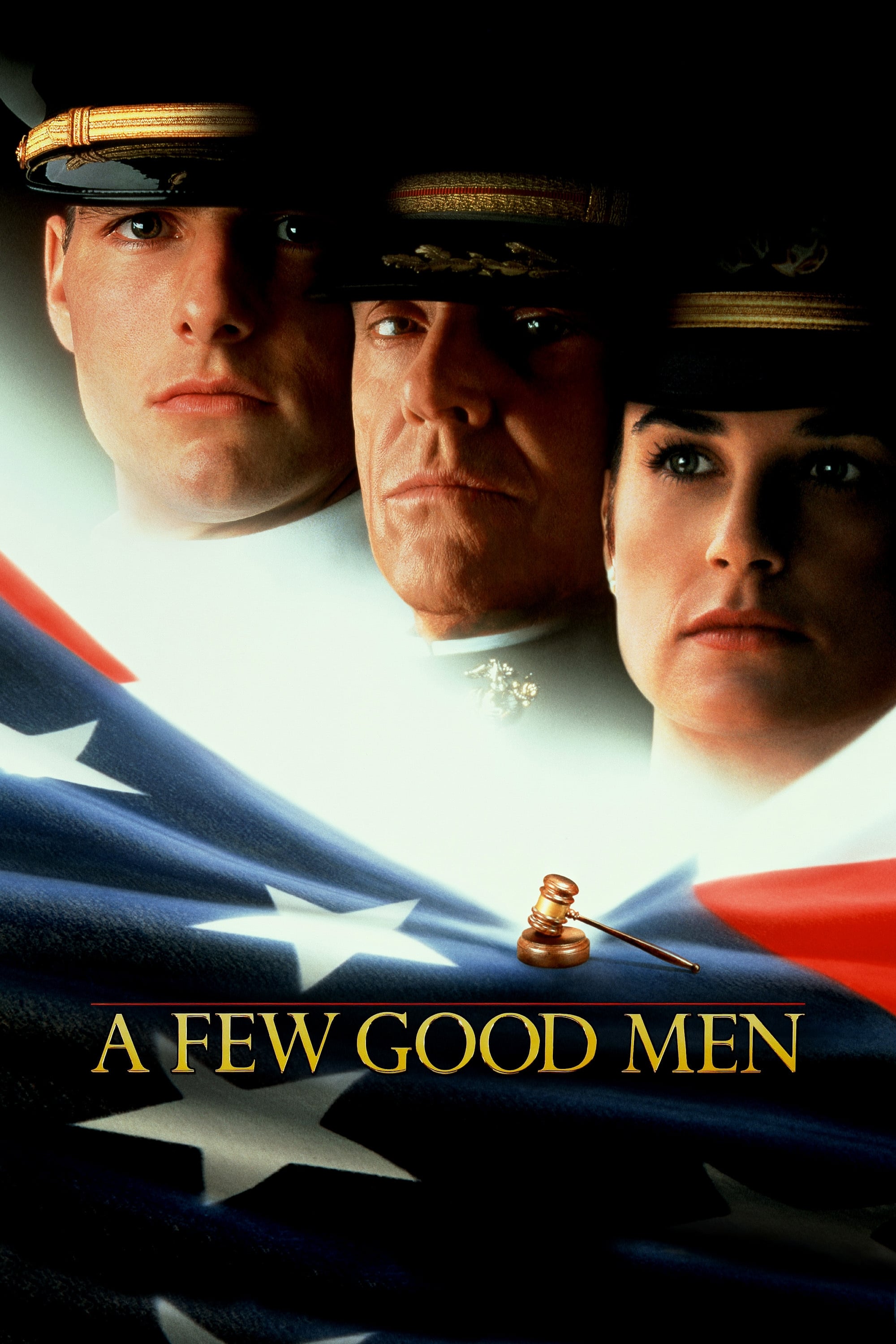

What’s Aged the Worst?
Arrest insult; Guest; Luther; Downey; letter; Yoo-hoo; clothing; Miscavige claim; real-life killing; unearned praise; Cuba framing
In the discussion (13)
- Ross calling Jessup a profanity during the arrest is considered implausible. — Bill Simmons
- Casting Christopher Guest as an entirely humorless doctor is questioned as a waste of his strengths, despite his friendship with Reiner.
- Luther, the newsstand operator, is criticized as a contrived device for trading aphorisms and signaling Kaffee’s progressive attitudes. — Sean Fennessey
- Concern that younger audiences would not understand the Clue reference is rejected by the others.
- Downey’s inability to understand what he did wrong and his perjury are criticized. — Bill Simmons
- Markinson closing his suicide letter with Always is considered an odd sign-off in the circumstances. — Bill Simmons
- Kaffee failing to shake his Yoo-hoo and guzzling it immediately after softball are considered juvenile habits. — Bill Simmons
- The early 1990s clothing and Kaffee’s shirts are criticized, although Jo’s high-waisted style has returned to fashion. — Bill Simmons
- A reported claim that Cruise modeled Kaffee on David Miscavige is unwelcome information; the source is clarified as Miscavige’s alleged boast in Going Clear. — Bill Simmons
- The later unsolved killing of David Cox, one of the Marines involved in the real incident inspiring the story, is recounted as a grim postscript. — Bill Simmons
- The missed opportunity to show Cruise playing basketball with Bacon is lamented. — Chris Ryan
- Repeated declarations of Kaffee’s greatness seem unearned by his early trial work, with his father comparison singled out. — Chris Ryan
- The film’s framing of Cuba as a large immediate military threat feels dated. — Sean Fennessey

In the discussion (12)
- Ending immediately after the trial avoids an unnecessary coda of congratulations, romance and supporting-character resolutions. — Chris Ryan
- The Kaffee–Dawson relationship’s recovery culminates in the emotionally effective final salute, despite its corniness. — Bill Simmons
- Bacon’s exceptional supporting work is praised as a career turn toward elevating another lead rather than competing with Cruise as a star. — Bill Simmons
- Cruise and Cuba Gooding Jr. sharing the courtroom anticipates their Jerry Maguire partnership. — Bill Simmons
- Kaffee and Ross’s hallway conversations exemplify the developing Sorkin walk-and-talk trademark. — Bill Simmons
- Relaxing with baseball, a bat and a Hawaiian shirt without constant online distractions is admired. — Chris Ryan
- Kaffee’s 1963 Chevrolet Impala is praised. — Bill Simmons
- Airmen O’Malley and Rodriguez are cited as highly consequential characters without dialogue. — Bill Simmons
- Sutherland reportedly struggled to drive the Humvee and hit Marines during takes, leading Noah Wyle to replace him as the driver; the story is received with incredulity. — Bill Simmons
- Guantanamo Bay as a site of corrupt conduct is described as continuing to resonate, with the wording of aged-best itself questioned. — Bill Simmons
- Early 1990s Cruise is warmly remembered despite later discomfort around aspects of his public persona. — Bill Simmons
- Kaffee’s Nintendo atop the television is belatedly praised as authentic to 1992. — Sean Fennessey

Probably Unanswerable Questions
Lunch; Markinson; Kendrick; reaction faces; softball; logs; punishment; clerk; failed confession
In the discussion (14)
- What the officers discussed during the rest of the lengthy lunch is questioned, with baseball, Cuba and Desert Storm floated as possibilities.
- Markinson’s death is jokingly questioned as possibly staged, using his counterintelligence background and reluctance to testify as imaginative support.
- Whether guilt about Santiago alone explains Markinson’s suicide is questioned, as is how he obtained a gun while guarded.
- The failure to introduce Markinson’s note as evidence raises questions about whether Santiago’s family received it and how it could have been mailed from his guarded room.
- Kendrick’s home state is imagined as Alabama or Mississippi, followed by joking speculation about his political affiliations and Auburn allegiance.
- Ross’s response to Jessup’s confession beats Kaffee’s questioning look; the group explicitly declines to establish this as a new category.
- Ross’s silent co-counsel and repeated pencil-playing appearances are questioned. — Bill Simmons
- Kaffee is imagined assigning himself shortstop, with center field considered but infield practice supporting the shortstop theory.
- Making a flight log disappear is considered plausible in the 1990s.
- Jessup’s likely punishment remains uncertain, with prison, loss of rank and discharge discussed and one prediction that he would serve no time.
- Whether Jessup ever carried out his graphic threat is questioned and linked to the proposed prequel.
- Kaffee is imagined accumulating multiple drunk-driving offenses, with at least two suggested.
- The defense’s failure to call Jessup’s clerk Tom is questioned because he seems to overhear every crucial conversation; blaming the doctor instead of the Marines is another briefly raised strategy.
- If Jessup never confessed, Kaffee might face a court-martial or professional disillusionment; a separate dark hypothetical imagines Kendrick retaliating against him.


Apex Mountain
Singleton
In the discussion (6)
- Singleton is the choice, while renewed appreciation of Higher Learning, Rosewood, Baby Boy and Poetic Justice is acknowledged. — Sean Fennessey
- Cube is debated against Friday and his musical peak; Friday is ultimately favored as his apex. — Bill Simmons
- Matrix beats this for Fishburn overall, but Larry Fishburn specifically qualifies; the burger restaurant is another candidate. — Bill Simmons
- Cuba’s Oscar period beats this; characters named Stiles qualify over Teen Wolf, while Bassett’s long prime resists a single apex. — Bill Simmons
- Pouring out a40 is nominated; invention is doubted and popularization considered, with Detroit hats another candidate.
- Alicia Rogers is considered with Class Act as an alternative; Nia Long is rejected.
Most Rewatchable Scene
Barbecue, recruiting, ending and revenge ride are distinct favorites; Ricky’s death is powerful but painful.
In the discussion (15)
- The burglar and police arrival establish tension through mirrors, floor and bathtub details rather than explicit violence. — Logan Murdock
- The dead-body trip is an overt Stand by Me homage, prompting uncertainty about Kendrick’s later reference.
- The stolen and returned football shows the brothers’ different instincts and humanizes the older men; maternal favoritism toward Ricky shapes Doughboy’s protectiveness.
- The fishing conversation and drive home deliver powerful fatherhood advice.
- The barbecue efficiently introduces characters, jail history, friendships and varied women. — Logan Murdock
- The USC recruiter scene uses empathy, porch interaction, scholarship hopes and helicopter noise to reveal Ricky’s situation.
- The gentrification scene about keeping black neighborhoods black is powerful to watch again.
- The speech is also criticized as didactic and implausibly staged; Fishburn makes it work, while the police character can feel too overt.
- The gunfire and police stop gain further poignancy; Cuba’s acting is praised.
- Ricky’s shooting is a signature crescendo, affecting but difficult to call enjoyable rewatching.
- Barbecue and recruiting are preferred to repeated tragedy; barbecue and the ending are another pair of favorites.
- The revenge ride is a distinct favorite for showing pain turning young men into killers and implicating the audience’s desire for revenge.
- Furious silently accepting Trey’s return is praised; rejecting an explicit reunion and adding the brothers’ fight are endorsed. — Bill Simmons
- Carrying Ricky’s body home extends grief, maternal blame and Doughboy’s regret. — Sean Fennessey
- Trey’s invented sex story is praised for the staged voices and mouthing, although lying to his father is discouraged.
Probably Unanswerable Questions
Bigger impact in fewest minutes, Jessup or Lecter? What position did Caffey play? Did Sam Weinberg mail it in? Who is treated more like a subordinate? Can you make a flight disappear? Did Caffey and Galloway end up together? Which on-the-rise actor should have played Harold? What if Jessup never admits it? Was the code red scene Cruise's career highlight? Did Santiago kind of deserve to die?
In the discussion (17)
- Bigger impact in the fewest minutes, Nicholson's Jessup or Anthony Hopkins's Lecter: Jessup, since Hopkins is in jail most of that movie while Jessup has three scenes (the letter, the lunch, the ending); Lecter is put at about 18 minutes and Jessup at 11 or 12.
- The usage-rate joke gives Nicholson a 12-for-13 line with eight threes, ten rebounds and nine assists in 12 minutes, very Iguodala game six.
- Caffey's softball position: as player-coach probably shortstop, or second base, a middle infielder either way, while Herby (as transcribed) wants shortstop and the others grumble.
- Did Sam Weinberg mail it in? Yes: nobody found out Downey was not there to hear the order, and while a spouse watching blamed Joe Galloway, preparing witnesses was Weinberg's one job.
- That is a big hole in the movie; Sam is also dunked on hardest when, after Joe storms out and Daniel trashes the apartment, he starts tidying and is told to stop, like a houseboy.
- A speech shortly after about Caffey's father, meant to be motivational, backfires, since the father is recalled as an attorney general who did Brown v. Board: with a life on the line one would pick the father over the son who settles every case; Cruise is weirdly casual in a military court, as in his 'just ain't so' opening statement.
- The panel agrees Weinberg mailed it in: uncommitted until late in the trial, thinking the defendants were bullies, useful as a middle position that tempers Sorkin's ideology but useless as a lawyer.
- Asked who gets sent for legal pads, pens and lamps and who is treated more like a subordinate, Sam or Joe, the answer is Joe; whether an entire flight can be erased from the logs without the internet never sits right.
- Did Caffey and Galloway end up together or ever hook up? No; a third draft of Sorkin's script had him ask her on a date with a matching-socks callback, which one panelist prefers to 'The End' in big script letters.
- The objection is that they have less than zero chemistry, which leads to asking who Cruise has chemistry with at all, even Nicole Kidman in Days of Thunders (as transcribed), before a joke that they hooked up once after a softball game.
- Caffey's love life is floated and the answer offered is that he is asexual or too busy with work.
- Which on-the-rise Black actor of 1991 would have been better as Harold: the role has about ten big scenes, Cuba Gooding could have done it, the actor had to be big because Dawson leads the troop, and Morris Chestnut would make little difference and was not known then.
- What if Jessup never admits the code red: Caffey (transcribed as Kathy) goes to jail or is court-martialed and ends up coaching softball; in a real-life version the marshals come in, Bacon's character would not allow it, and it is game over once contempt is called.
- Caffey almost does not go for it until Jessup taunts him about phone records and toiletries; the realization that Santiago did not pack, prompted by seeing his own shirts in the closet, is praised against the usual bird-across-the-sky light-bulb moments.
- Was the code red scene the highlight of Cruise's career? He goes toe to toe with a multiple Oscar winner, Sean's view that Cruise beats Nicholson is held for later, and no single Cruise scene is better, not 'You complete me', Top Gun, the barman's poet in Cocktail or the Risky Business dance; it is called his career highlight.
- Whether Joe Galloway set back the women's movement by one, three or five years is answered with 'Demi Moore might have' and pushed to Picking Nits.
- Did Santiago (transcribed as San Diego) kind of deserve to die? Answers range from no to just a tiny bit; one panelist inches closer each viewing to thinking Jessup has a point, since the private could not keep up, ratted on his troop and broke the chain of command, and another goes that far but not to deserving to die.
In the discussion (3)
- Nominees are Josh Malina, Cuba Gooding Jr., Noah Wiley and Joe Mooney (as transcribed), and the presenter's own choice is Christopher Guest as the internist.
- Guest plays it straight, explaining acidosis for five minutes when you expect a Christopher Guest bit, which is baffling; the guess is that someone called in sick and Reiner asked his best friend to come in for one day.
- Later roles add baggage: you expect Cuba Gooding Jr. to turn into Rod Didwell (as transcribed) and Noah Wiley into a sensitive young ER doctor, while James Marshall from Gladiator and Twin Peaks is not even a 'that guy' anymore to anyone under 30.
Most Rewatchable Scene
The ending; the Guantanamo Bay lunch; Jack and Caffey's beer
In the discussion (9)
- Offered the ending, the lunch in Guantanamo Bay, or Cruise and Bacon meeting for a beer, one panelist calls the last scene the best last scene of a movie ever but, despite hating to be too cute about these answers, goes with the Guantanamo Bay lunch as the sneaky choice.
- Another likens the question to picking the home run scene in The Natural, then, getting cute, names the favorite interaction as Jack and Caffey getting a beer that ends with 'you're a lousy fucking softball player'.
- In the bar, Cruise orders simply 'a beer' and makes a big show of refusing the frosted glass, which suggests he had never really done bar interactions on screen; the Vin Diesel beer tilt from the Fast and Furious films is the comparison.
- One panelist agrees the ending is the best and the most rewatchable, but says you cannot sleep on the Guantanamo Bay scene.
- The lunch makes them want the deleted small talk; Kendrick, whom Sean Phenasy (as transcribed) called 25 years early for what the alt-right looked like in 2016, is played by Kiefer Sutherland, hard to believe as the future Jack Bauer and the guy from The Vanishing, in a supporting part he was probably too big for.
- Kiefer slummed it, and Bacon a little too; the hosts recall the Flatliners period and the collapse of the wedding with Julia Roberts, 'the all time greatest getting left at the altar story'.
- Kendrick never cracks a smile, and when they ask to see the room where Santiago died he says the private died because he had no honor, no code.
- A fourth alternative is Jessup reading Santiago's letter, asking who PFC William Santiago is and sarcastically proposing they surrender their position in Cuba; Josh Malina is in that scene too.
- At the lunch Kendrick laughs only once, at Jessup's crude joke to Demi Moore's character about a superior officer, which TV prints cut; the hosts think it belongs because it shows how vicious Jessup is, and joke about a milder substitute word.
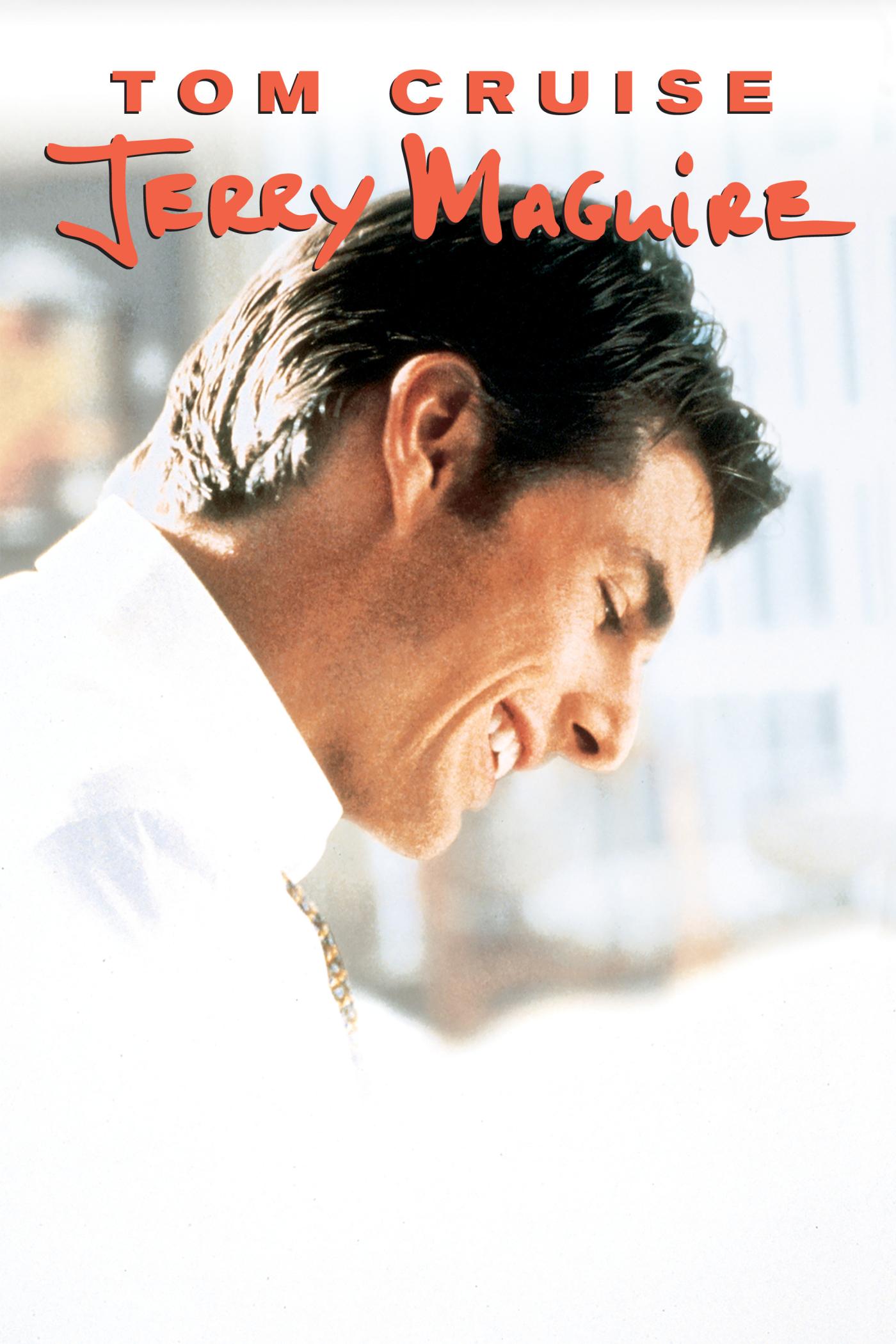
Apex Mountain
Cameron Crowe; Tom Cruise’s movie and 1996 career year; Kelly Preston; Renée Zellweger; Cuba Gooding Jr.; Jonathan Lipnicki; Bonnie Hunt; the performer observed as Jay Moore (probable); Roy Firestone; Jerry O’Connell; Beau Bridges; the Michaels–Deerdorf–Gifford trio; Wayne Fontes
In the discussion (12)
- Cameron Crow is proposed as peaking here; Almost Famous is countered as his life story and therefore easier material to assemble. — Bill Simmons
- This film is proposed as Tom Cruise’s best movie and as the complete Cruise experience; 1996 is accepted as a career year because it also included Mission: Impossible. — Bill Simmons
- Kelly Preston, Renee Zellweger, Cuba Gooding Jr., Jonathan Lipnicki, and Bonnie Hunt are all named as peaks. — Bill Simmons
- The performer rendered as Jay Moore is treated as a probable peak, with a later agent television show recalled but not named. — Bill Simmons
- The performer rendered as Glenn Fry is initially placed above the Eagles and his Miami Vice appearance, then removed after the Miami Vice comparison wins out. — Bill Simmons
- Roy Firestone’s Rod Tidwell interview is called his peak. — Bill Simmons
- Jerry O'Connell is proposed as peaking here; Stand By Me is raised, but the response prefers his Cush role. — Bill Simmons
- The Springsteen soundtrack is nominated over Philadelphia, while the Philadelphia lawyer-office scene is offered as a strong counterexample. — Bill Simmons
- Beau Bridges is added as a late-career peak. — Chris Ryan
- The Michaels-Deerdorf-Gifford broadcast trio, using the transcript’s observed spelling, and Wayne Fontes’s lobby appearance are added as peaks. — Bill Simmons
- Regina King is explicitly rejected as a peak because of better later work. — Bill Simmons
- The publisher cameo is considered against the person’s Almost Famous and Perfect appearances without a settled conclusion. — Bill Simmons
Films in the archive
A Few Good Men
1992


American Gangster
2007
Boyz n the Hood
1991
Coming to America
1988
Jerry Maguire
1996