The child’s final throw is described as mechanically terrible despite Jerry treating it as evidence of athletic promise; Tom Cruise’s later throwing form is offered as an explanation. — Bill Simmons
The hallway embrace after a regular-season touchdown is judged disproportionately momentous, even after allowing for a great catch and fear of paralysis. — Chris Ryan
Tidwell’s extended celebration is joked to merit roughly seventy-five yards of penalties, while the concussion is offered as an explanation for his behavior. — Bill Simmons
Cameron Crow is proposed as peaking here; Almost Famous is countered as his life story and therefore easier material to assemble. — Bill Simmons
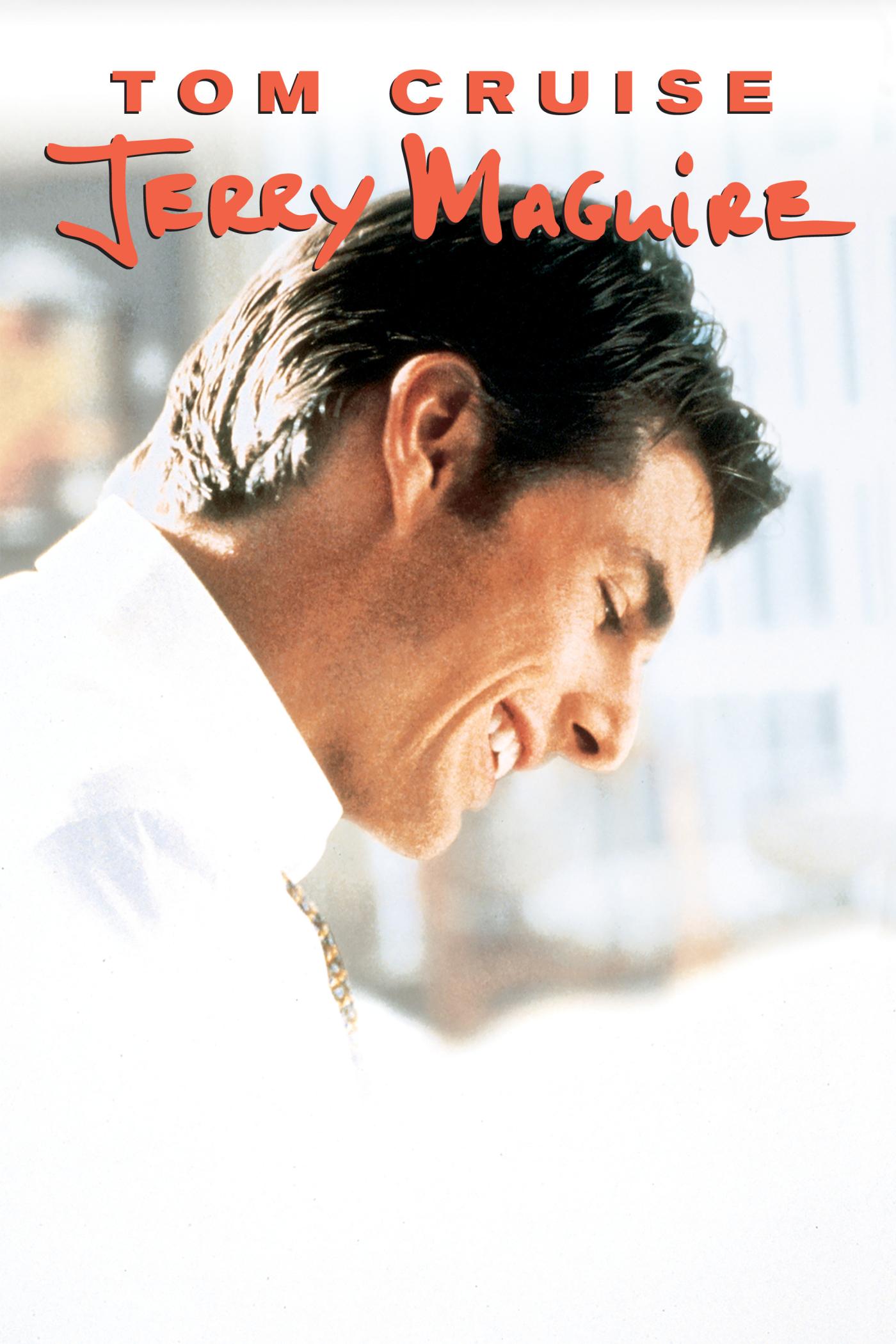
This film is proposed as Tom Cruise’s best movie and as the complete Cruise experience; 1996 is accepted as a career year because it also included Mission: Impossible. — Bill Simmons
The performer rendered as Jay Moore is treated as a probable peak, with a later agent television show recalled but not named. — Bill Simmons
The performer rendered as Glenn Fry is initially placed above the Eagles and his Miami Vice appearance, then removed after the Miami Vice comparison wins out. — Bill Simmons
Roy Firestone’s Rod Tidwell interview is called his peak. — Bill Simmons
Jerry O'Connell is proposed as peaking here; Stand By Me is raised, but the response prefers his Cush role. — Bill Simmons
The Springsteen soundtrack is nominated over Philadelphia, while the Philadelphia lawyer-office scene is offered as a strong counterexample. — Bill Simmons
Beau Bridges is added as a late-career peak. — Chris Ryan
The Michaels-Deerdorf-Gifford broadcast trio, using the transcript’s observed spelling, and Wayne Fontes’s lobby appearance are added as peaks. — Bill Simmons