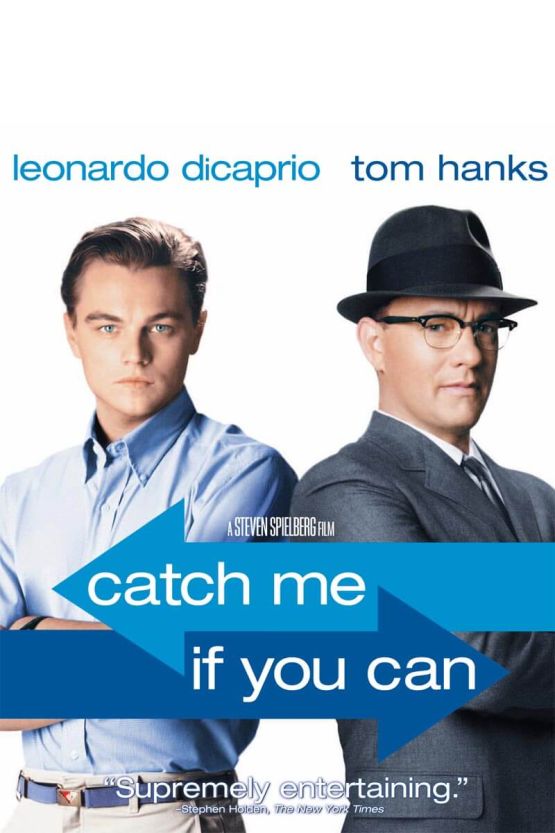
James Gandolfini, reportedly once locked in as Hanratty, is preferred to Hanks; production delays and Sopranos scheduling lost the casting window. — Chris Ryan
Fincher reportedly departed the project for Panic Room. — Bill Simmons
Verbinski reportedly left after Gangs of New York ran long.
Cameron Crowe reportedly considered directing; the panel imagines a different but potentially workable film.
Gandolfini's menace, fractured vulnerability and believable exhaustion would improve Carl; regret over this lost role and The Night Of accompanies praise for Killing Them Softly, The Mexican and Crimson Tide. — Chris Ryan
Spielberg reportedly considered Depp as Frank, with uncertainty about the report; the panel imagines a dashing performance unlike much of Depp's stranger work. — Bill Simmons
Hoffman's brief involvement in early development is doubted as casting, though fast-talking con artistry could fit; the real Frank's reportedly older appearance is discussed with a caveat about disputed history.
John Cusack is the first vote, with Peter Gabriel raised as an outsider because the song became inseparable from the film. — Chris Ryan
An unnamed nursing-home resident wins one vote for her brief line. — Judd Apatow
Crow receives a vote for launching his directing career, taking young people seriously, and influencing the kinds of films a participant wanted to make. — Judd Apatow
Crow receives a second vote because Cusack has several signature films while this debut made audiences commit to Crow’s future work. — Bill Simmons
The closing places Crow alongside Soderberg, Die Hard, and Harry Metzally in an influential 1989. — Bill Simmons
Holly Hunter is named at once, in one of the toughest calls the show has had, because nobody can be substituted for her and the movie is not as good or the same without her; the same is felt about the Albert Brooks part, and he is called the biggest loser within the movie.
William Hurt can be removed from contention because Jeff Bridges could have played the part 95 percent as well; Brooks is the biggest loser because he gets neither the woman nor the job and tells her he loves her knowing it will make no difference, unlike Ben Stiller in Reality Bites, who thinks he should get the girl, and the character seems to feel she deserves the good-looking mannequin; he could not be replaced even though many would think they could do that role.
A case is made for Jim Brooks winning the movie, since this kind of film, a modern love triangle trying to say something, feels very 40s, a Cary Grant version or expert-level Neil Simon, and nobody had made one since the 70s, when people thought the form was gone.
Brooks is an original voice whose influences, Preston Sturges, Sid Caesar, Neil Simon, Woody Allen, 60s sitcoms and Norman Lear, are all visible at once, and Cameron Crowe spent the next fifteen years making his version after Brooks took him under his wing and produced his films; the Brooks case is acknowledged but the vote goes to Holly Hunter, a performance and character unique to her, helped by her height, since only a five-foot-one actress like Kristen Chenoweth (as transcribed) or Linda Hunt could substitute; the closing joke is that the audience is the winner.