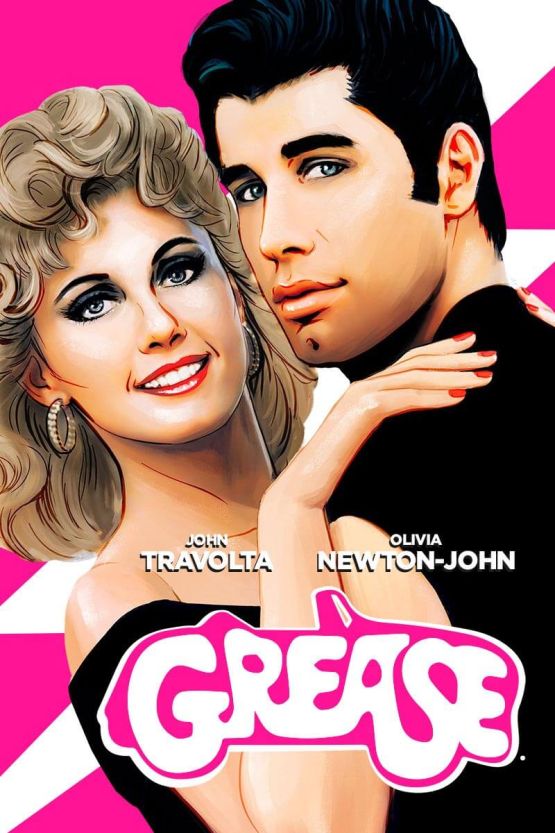
Travolta reportedly suggested both the director and Newton-John. — Bill Simmons
Ronstadt was seriously considered and is regarded as capable of Sandy, though with a different energy. — Bill Simmons
Fisher and Susan Dey were reportedly considered for Sandy. — Bill Simmons
The story that Marie Osmond rejected Sandy over the transformation is explicitly doubted as retrospective association with the hit. — Bill Simmons
Lucie Arnaz allegedly lost consideration for Rizzo after Lucille Ball objected to a screen test; Channing is described as Carr’s client. — Bill Simmons
Winkler reportedly declined Danny to avoid repeating the Fonz and later regretted it; his casting is judged much worse despite his enormous television fame. — Bill Simmons
Presley was reportedly considered for Teen Angel before his death; his presence would have made the scene irresistible even to its critic. — Bill Simmons
Ford is recognized and checked as Sally’s boyfriend in When Harry Met Sally. — Bill Simmons
Harry Reems reportedly signed to play Coach Calhoun before Paramount replaced him with Sid Caesar, ending a hoped-for mainstream crossover. — Bill Simmons
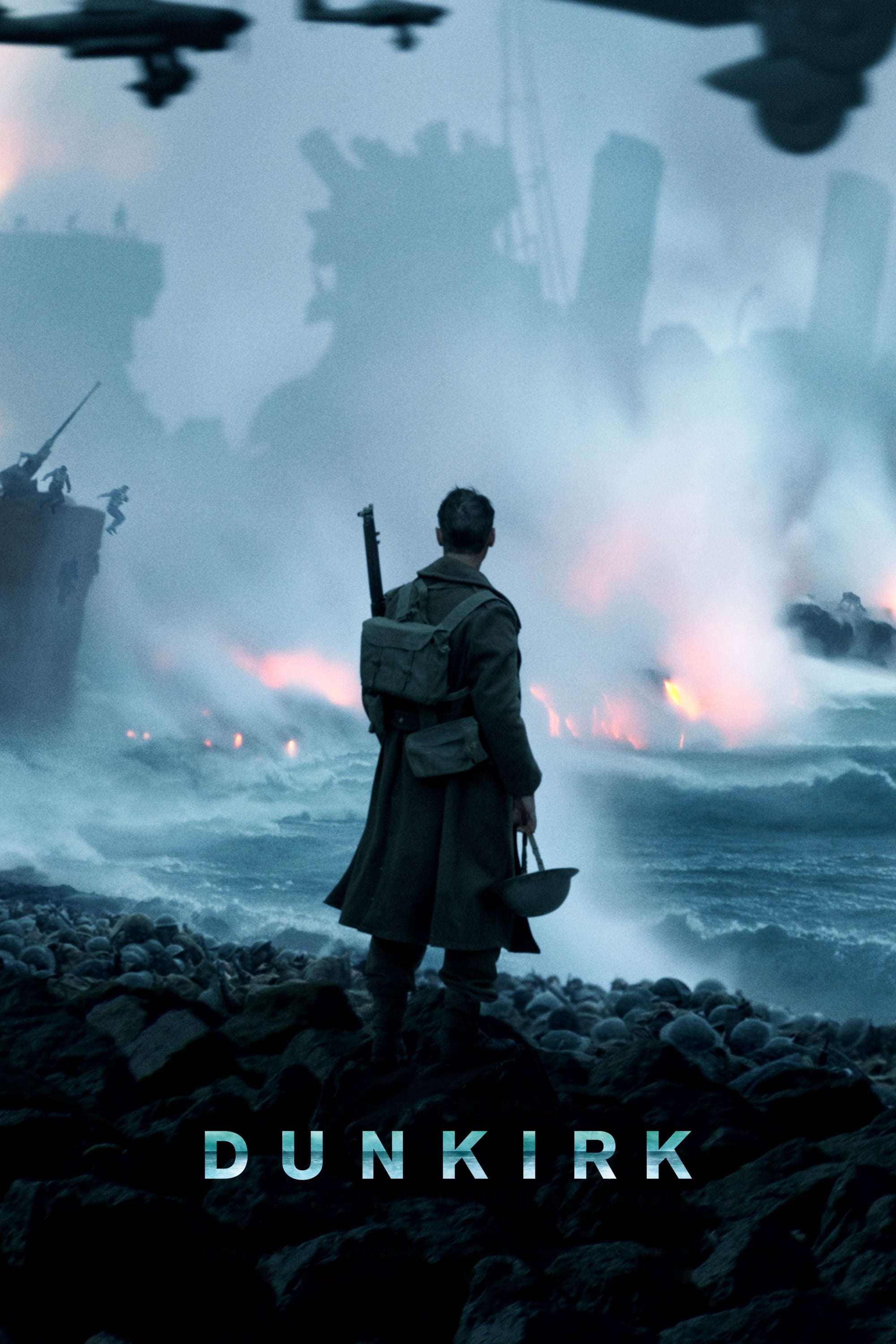
The structure is brilliant, still elusive in its construction, and rewards rewatching; nothing is out of place in the first half and the middle is a symphony. — Sean Fennessey
The film deserved its Best Editing Oscar and it is a crime the score did not win; the score may define the decade.
Zimmer recorded the ticking from one of Nolan's pocket watches and processed it through synthesizers; the clock does not stop until Alex and Tommy sit safely on the train. — Sean Fennessey
Zimmer and Nolan are compared to Leone and Morricone; the score works as sound filling a palette left open by sparse dialogue.
The film is framed as a Hitchcock movie masquerading as a war movie, a suspense puzzle about who will survive, with the question whether that had been done before.
The closest predecessor offered is It's a Mad, Mad, Mad, Mad World: cross-cutting held together by the "earnest gold" theme, Hardy's plane recalling Buddy Hackett and "Mickey Runy" (transcript spelling), the trapped boat recalling Sid Caesar and Edie Adams in the basement, and both being convergence movies.
The sound design, especially the dive-bomber overhead, is separate from the score and visceral. — Sean Fennessey
Mark Rylance, seen in Wolf Hall and known for female Shakespeare roles, brings stillness to the old man going to sea. — Sean Fennessey
Nolan's virtuosity: Dunkirk, rather than The Dark Knight, is called his Apex Mountain; it dealt him in as a great filmmaker beyond Gotham and science fiction and brought Warner Brothers along as Kubrick did; Interstellar, Dunkirk and Tenet are original big-budget studio stories.
It is hard to imagine the film imitated or topped; a linear cut would not hold together; the faces look like photographs of British soldiers in 1940. — Chris Ryan
Harry Styles, covered in oil, plays the soldier most aggressive toward the French character and is good despite being a huge pop star. — Sean Fennessey
Holly Hunter is named at once, in one of the toughest calls the show has had, because nobody can be substituted for her and the movie is not as good or the same without her; the same is felt about the Albert Brooks part, and he is called the biggest loser within the movie.
William Hurt can be removed from contention because Jeff Bridges could have played the part 95 percent as well; Brooks is the biggest loser because he gets neither the woman nor the job and tells her he loves her knowing it will make no difference, unlike Ben Stiller in Reality Bites, who thinks he should get the girl, and the character seems to feel she deserves the good-looking mannequin; he could not be replaced even though many would think they could do that role.
A case is made for Jim Brooks winning the movie, since this kind of film, a modern love triangle trying to say something, feels very 40s, a Cary Grant version or expert-level Neil Simon, and nobody had made one since the 70s, when people thought the form was gone.
Brooks is an original voice whose influences, Preston Sturges, Sid Caesar, Neil Simon, Woody Allen, 60s sitcoms and Norman Lear, are all visible at once, and Cameron Crowe spent the next fifteen years making his version after Brooks took him under his wing and produced his films; the Brooks case is acknowledged but the vote goes to Holly Hunter, a performance and character unique to her, helped by her height, since only a five-foot-one actress like Kristen Chenoweth (as transcribed) or Linda Hunt could substitute; the closing joke is that the audience is the winner.