‹ All people

Referenced person

Hans Zimmer

Also referred to as Zimmer

Stats

Episodes featuring their films
0
Movies in this archive
0

Rewatchables episodes featuring Hans Zimmer’s films

No episode credits in the archive yet.

No episodes found

Mentioned in discussions

Days of Thunder

Apex Mountain

Mello Yello and car-racing movies; several near-apex cases
In the discussion (8)
Approx. transcript time · 01:40:23Read transcript
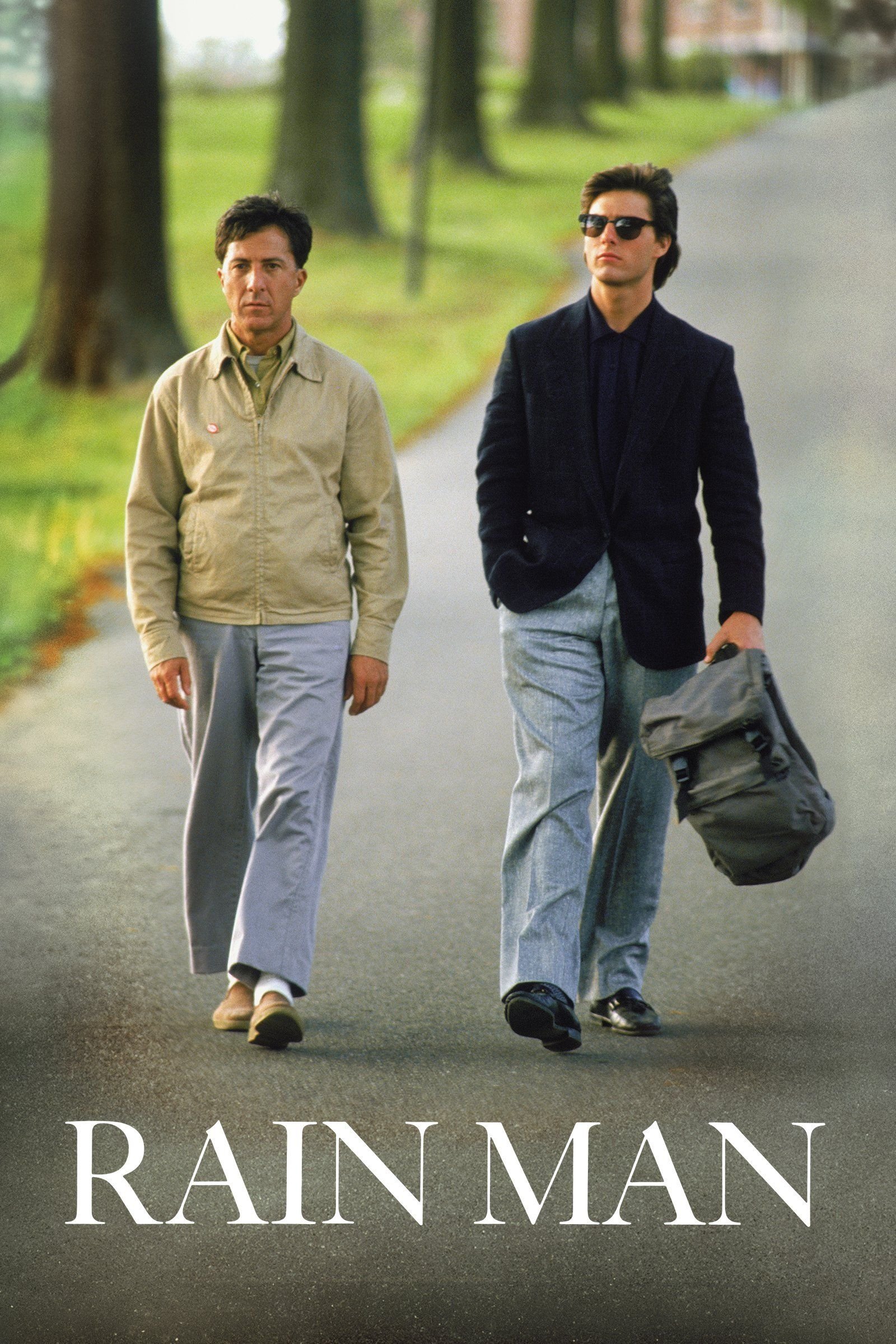
Rain Man The Rewatchables
Rain Man

What’s Aged the Best?

The music and Hans Zimmer score; Charlie's Ferrari; the Rain Man would save me line; asshole Cruise; the Bonnie Hunt cameo; the old Vegas view from Caesars; the traffic, bathtub and smoke-alarm sequences; the autistic-savant premise; Raymond crashing the sex scene; Valeria Golino; The Hangover's parody; the Rain Man Suite; Cruise's 1988; Qantas

In the discussion (16)
Approx. transcript time · 00:44:16Read transcript
  • The music holds up: a great 80s score, the Iko Iko use, and the two Hans Zimmer pieces.
  • Asked for Hans rankings, the answer is Zimmer number one, Gruber being pretty problematic. — Chris Ryan
  • Charlie Babbitt's 1983 Ferrari ("400 I") and the line "when I was a kid, I always thought the Rain Man would save me," framed as foreshadowing. — Bill Simmons
  • Asshole Cruise ages best: telling Raymond to shut up, and ordering large pepperoni after being told pepperoni is not wanted; this is straight asshole rather than the cocky version in The Color of Money, Top Gun or Days of Thunder. — Chris Ryan
  • A question is raised whether hotel room service ever let guests freestyle an order like beer for two and the closest thing to tapioca pudding. — Bill Simmons
  • A weird, very young Bonnie Hunt cameo. — Bill Simmons
  • Freezing on the view from the Caesars suite shows old Vegas: a "holiday in" across the street, none of today's casinos, and the Barbary Coast, thought to be the Cromwell now. — Bill Simmons
  • The smoke-alarm scene was left out of the rewatchable-scene picks because it is disturbing; the traffic, bathtub and smoke-alarm moments are praised as tension-building sequences. — Bill Simmons
  • The autistic-savant concept in movies and TV has aged well because it keeps being revisited. — Bill Simmons
  • Raymond crashing the sex scene is weird but works, a 9.9 degree of difficulty; he just wanted to see what was on TV. — Bill Simmons
  • Valerie Galena (as transcribed) is great in this; she became the queen of Hot Shots, made a couple of American thrillers, went back to Italy and appeared in Portrait of a Lady on Fire. — Sean Fennessey
  • The Hangover's parody of Rain Man is an addendum that plays all the same notes. — Bill Simmons
  • The Rain Man Suite lives on as a Vegas idea; the hosts recall being given a suite during a Summer League trip, with high ceilings and multiple rooms. — Bill Simmons
  • Cruise's 1988, with Cocktail and Rain Man making him the biggest under-35 star in the world.
  • Qantas is called the biggest pick: still no crashes, apart from early propeller crashes.
  • Asked how often he has flown Qantas, the answer is never; only Air New Zealand. — Chris Ryan
Crimson Tide

What’s Aged the Best?

Sub-descent montage; Denzel's lines; real-time final hour; Jason Robards cameo; EAMs; opening and closing title cards

In the discussion (10)
Approx. transcript time · 00:47:15Read transcript
  • Tony Scott makes a two-minute montage of the sub slowly descending riveting with Hans Zimmer's score; only Spielberg or McTiernan, who made Hunt for Red October, might have pulled it off. — Bill Simmons
  • Denzel's line 'in the nuclear world, the true enemy is war itself' is one of about seven such Denzel lines. — Bill Simmons
  • Viggo lights a cigarette when he decides to refuse the launch, and many sailors smoke Marlboro Reds underwater with no smoking section. — Bill Simmons
  • George Dzundza's IMDb highlights include The Deer Hunter, No Way Out, Basic Instinct and Law & Order; a lowlight is co-leading the 1985 TV movie The Rape of Richard Beck with Richard Crenna. — Bill Simmons
  • The Richard Beck plot summary is read, a 35th-anniversary episode is joked about, and early-80s cocaine is blamed for bad decisions. — Bill Simmons
  • The last 60 minutes play basically in real time, with Weps doing the clock; it may have inspired Snake Eyes. — Bill Simmons
  • Jason Robards, uncredited, comes flying in off the top rope for about 90 seconds. — Bill Simmons
  • The EAMs are cinematically great, with messages three people must read aloud and confirm and run down the hallway; it is also disturbing that nuclear war hinged on them. — Chris Ryan
  • The opening title card names the three most powerful people in the world, including a nuclear submarine captain, and the closing card says captains lost launch authority on January 1, 1996; Bruckheimer pitches the card almost word for word in a featurette. — Sean Fennessey
  • Don Simpson is joked to be number four; David Stern would belong in the top three. — Sean Fennessey
Crimson Tide

Most Rewatchable Scene

Final confrontation; first mutiny

In the discussion (22)
Approx. transcript time · 00:31:30Read transcript
  • Choosing is hard because the whole movie is rewatchable. — Bill Simmons
  • The first Hackman-Denzel meeting, where Hackman compares horses to high school girls, has the two feeling each other out; Denzel realizes he needs to keep his guard up with this guy. — Bill Simmons
  • The semi-confrontation after the kitchen fire and the missile drill is where the sparring really begins, with Ramsey's speech about the unified chain of command and not questioning each other in front of the crew.
  • Calling a missile drill during a fire is joked to be a Bill Simmons move, like a 7 a.m. text or an emergency pod after an earthquake; the reply is that sometimes you have to run the missile drill.
  • The Silver Surfer argument with Danny Nucci's sailor is called clearly a Tarantino pop-culture scene; a little dated and not fully understood, but enjoyable. — Bill Simmons
  • The blow-up where Denzel relieves Hackman is praised for its overlapping speeches; the hosts say Lieutenant Zimmer was named as an homage to Hans Zimmer.
  • Hackman is guessed at 5-11; camera tricks sometimes make him look taller than Denzel, which is joked to be a Top Gun habit of Tony Scott's. — Bill Simmons
  • Quick cuts show the crew paralyzed watching; on rewatch, Hunter starts questioning the captain in public as soon as the fire happens. — Bill Simmons
  • A 'coming up next' take argues Hunter was in the wrong: in the military chain of command you never question the lead dog with other people around, so he loses Hackman from that point. — Bill Simmons
  • A counter-question asks whether Ramsey deliberately draws out Hunter's defiance; Hunter keeps asking why, echoing the Clausewitz exchange.
  • Because Ramsey hired Hunter, an early scene showing Hunter was not his choice would explain the testing; the counterpoint is that time was short while Radchenko fueled his missiles. — Bill Simmons
  • The torpedo attack, with the sub hit, water coming in and depths called out, is a hacky but necessary submarine-movie beat; from around there the last hour plays nearly in real time. — Bill Simmons
  • The bilge-bay 'Seal the bay' scene has Rick Schroder really going for it, joked to be how he got NYPD Blue.
  • Viggo, very young and baby-faced, is great and pivotal, though his accent pops with little Dutch-like flourishes.
  • 'You don't put on a condom unless you want to fuck' is called Chris's favorite line, prompting HR and WordPress jokes.
  • Other lines include the one about only two sides to a mutiny, and Denzel gets several yearbook-ready lines. — Bill Simmons
  • Matt Craven and Rocky Carroll are perfect as the officers running envelopes down hallways; Carroll was known as Joey from Rock on Fox, and both later spent years on NCIS.
  • Hackman taking the boat back includes Denzel's extra second-and-a-half stare at Viggo. — Bill Simmons
  • One pick is the final confrontation: Hackman hitting him, the 'God help you if you're wrong' exchange, the three-minute wait for the radio, and the final message reveal, called seven unassailable minutes. — Bill Simmons
  • Another pick is the first mutiny, for the overlapping dialogue while the missiles are fueled; the stallions scene is acknowledged as the famous one.
  • A further voice agrees the first mutiny is the favorite part and the turning point, starting when Ramsey yells 'Mr. Hunter, I've made a decision... shut the fuck up!' — Sean Fennessey
  • The line is joked about for Zoom meetings; NBA owners most likely to yell it include Tillman Fertitta and Mickey Arison. — Sean Fennessey
In the discussion (6)
Approx. transcript time · 01:18:36Read transcript
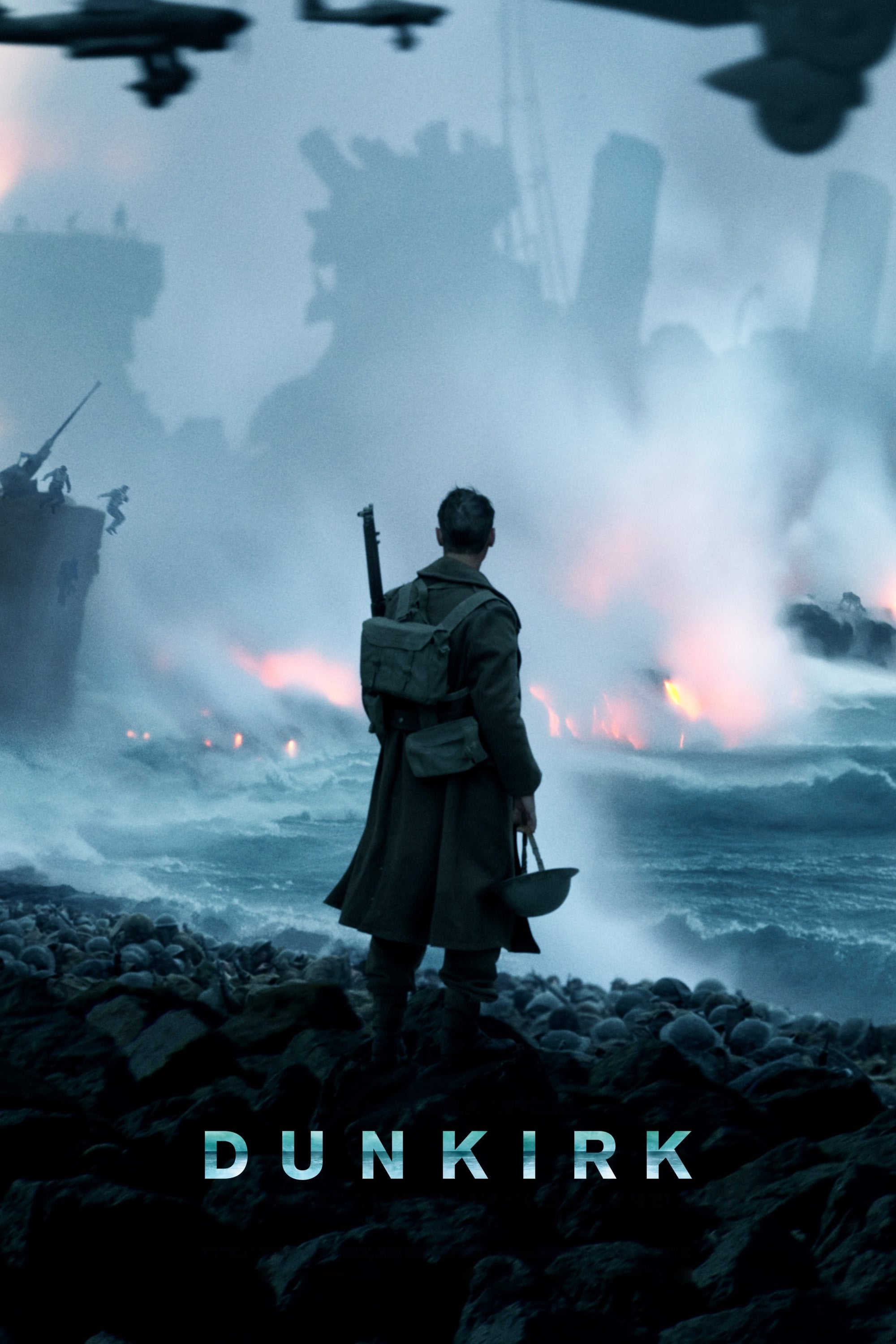
Dunkirk The Rewatchables
Dunkirk

What’s Aged the Best?

The structure; Hans Zimmer's score; the sound design; Mark Rylance; Nolan's virtuosity; the casting of authentic faces

In the discussion (11)
Approx. transcript time · 00:41:18Read transcript
  • The structure is brilliant, still elusive in its construction, and rewards rewatching; nothing is out of place in the first half and the middle is a symphony. — Sean Fennessey
  • The film deserved its Best Editing Oscar and it is a crime the score did not win; the score may define the decade.
  • Zimmer recorded the ticking from one of Nolan's pocket watches and processed it through synthesizers; the clock does not stop until Alex and Tommy sit safely on the train. — Sean Fennessey
  • Zimmer and Nolan are compared to Leone and Morricone; the score works as sound filling a palette left open by sparse dialogue.
  • The film is framed as a Hitchcock movie masquerading as a war movie, a suspense puzzle about who will survive, with the question whether that had been done before.
  • The closest predecessor offered is It's a Mad, Mad, Mad, Mad World: cross-cutting held together by the "earnest gold" theme, Hardy's plane recalling Buddy Hackett and "Mickey Runy" (transcript spelling), the trapped boat recalling Sid Caesar and Edie Adams in the basement, and both being convergence movies.
  • The sound design, especially the dive-bomber overhead, is separate from the score and visceral. — Sean Fennessey
  • Mark Rylance, seen in Wolf Hall and known for female Shakespeare roles, brings stillness to the old man going to sea. — Sean Fennessey
  • Nolan's virtuosity: Dunkirk, rather than The Dark Knight, is called his Apex Mountain; it dealt him in as a great filmmaker beyond Gotham and science fiction and brought Warner Brothers along as Kubrick did; Interstellar, Dunkirk and Tenet are original big-budget studio stories.
  • It is hard to imagine the film imitated or topped; a linear cut would not hold together; the faces look like photographs of British soldiers in 1940. — Chris Ryan
  • Harry Styles, covered in oil, plays the soldier most aggressive toward the French character and is good despite being a huge pop star. — Sean Fennessey
The Holiday The Rewatchables
In the discussion (7)
Approx. transcript time · 00:19:20Read transcript
  • Homeexchange.com is the first item: living in someone else's home on a whim was not mainstream in 2006, maybe a two-week rental, but it has been totally validated by the last five years and is as seamless now as the movie made it look, with the show-up-and-see-what-you-find thrill or the wish you had picked a hotel.
  • Los Angeles at Christmas is truly underrated and the movie did it justice: quiet with no traffic, a coat at night and warm sun by day, Christmas music playing; the drive onto Sunset off the PCH with no cars is saved as a nitpick.
  • Celebrating the art of movie trailers has aged well: in 2006 trailers were still corny voiceover work, but the film knew they mattered, the Ringer now runs a trailer bracket, Cameron Diaz's 'that's why they pay me the big bucks' moment with the Lindsay Lohan trailer shows the cynical side, and 'now it looks like a hit' with Katherine Hahn and John Krasinski shows the movie invested in the changing landscape.
  • The Hans Zimmer score is very lovely and the soundtrack, with the White Stripes for the bed dance, James Taylor's Merry Little Christmas, the Phil Spector Christmas album and a 'Neretha Franklin' (as transcribed) cover of You Send Me, cues every song perfectly; Zoe, picked up from the train, recognized the music in the car, and it conveys a feeling that is very Nancy Meyers.
  • Jude Law's handsomeness is timeless, as is how he dresses, the hot tweedy British guy; men in L.A. all dress the same, so England or Boston professors would raise the odds, and only Once Upon a Time in Hollywood is as defined by one person's hotness.
  • Jude Law is objectively hotter than Hugh Grant but gives the same tweedy appeal as Grant in Four Weddings and a Funeral, which one host calls the hottest Hugh Grant ever at a too-impressionable age, while another never believed Grant as a heartthrob; the panel agrees Jude Law definitely aged the best.
  • The L.A. house has aged very well: the exterior is a Wallace Neff house in San Marino by Pasadena, seen when Cameron Diaz talks to Ed Burns from the balcony, classic Spanish architecture and a dream L.A. home.
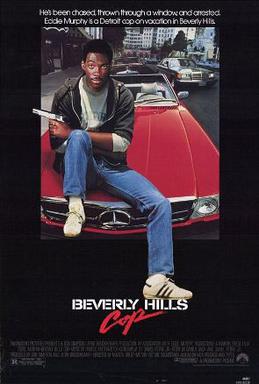
Beverly Hills Cop

What’s Aged the Best?

Lisa Eilbacher as Jenny Summers (disputed); Jenny's red Mercedes convertible; the title; Harold Faltermeyer's score and the soundtrack; the Mumford Phys Ed t-shirt and cropped sweatshirts; Taggart and Rosewood; Murphy's early run of good directors; the rival cop duo

In the discussion (11)
Approx. transcript time · 00:41:27Read transcript
  • One host is still in love with Jenny Summers, played by Lisa Eilbach (as transcribed); the objection is not to the actress but to Hollywood casting interchangeable blondes with the same Kate Capshaw haircut, and another did not recognize her at all; what one host wants from the token female character in an Eddie Murphy movie is to dress well, laugh at his jokes and look great.
  • She is not a love interest for either man, though she tried with Eddie, which is saved for later; she is serious about her career and it costs her nothing, and her damselification is believable because she insists on driving to the warehouse; 'great character' is countered with 'definitely not a great character' since nothing motivates her, she works at a coke lord's art gallery, and the Jenny, Tandino and Axel triangle of friendship makes no sense.
  • Jenny is called a TV actress annihilated by everyone else on screen who did nothing afterward because she cannot hold the screen; a joke pitch imagines a Jenny Summers sequel in Don Simpson's office; she may be the first female gallerist in a movie.
  • The defense of Jenny Summers is framed as a 15-year-old's crush recalled in the past tense. — Bill Simmons
  • Jenny Summers' red Mercedes-Benz convertible is a dope car you cannot see anymore and is hard to keep in shape; in Beverly Hills they just take whatever car is closest; the little back seat is the Mikey spot.
  • The title is great, as if they came up with it before they had a script; Harold Faltemeyer's run through Top Gun and Fletch is admired, the score fit an era of synth musicians like Howard Jones and Wang Chung.
  • Faltermeyer is credited alongside Hans Zimmer on Top Gun Maverick, presumably because they use his themes; the soundtrack with The Heat Is On, Neutron Dance, Stir It Up and Nasty Girl is strong.
  • Martin Brest draws 'the less said the better' from one host and a Midnight Run defense from another, who calls it a perfect movie and credits Brest with two of the best comedies of all time, alongside Gigi (as transcribed) and Son of a Woman (as transcribed); it is hard to know how much credit he gets here beyond being smart enough to let Eddie ad-lib, and Midnight Run also does not work without its two stars.
  • The Mumford Phys Ed t-shirts were really a thing in the mid 80s with no internet to buy them, and the high school was flooded with requests; the Lions jacket in Cop 2 was intentional merchandising; the cropped sweatshirts, like the Josh Brolin Goonies look, are almost as iconic, and the hosts tease one of them about adopting cropped sweats.
  • Taggart and Rosewood have aged best because this lays the groundwork for two heroic performances in Beverly Hills Cop 2 that could have been nominated; a key to Murphy is that, apart from Brest, he mostly worked with good directors early: Walter Hill, Tony Scott, Robert Townsend, John Landis, even Michael Ritchie on The Golden Child; Cop 3 is best left unmentioned.
  • The 'not gonna fall for the banana in the tailpipe' guy is enjoyed for setting it up earlier with the first team insult for Taggart, and the hosts miss the mid-80s cop movie rivalry duo with sarcastic comments; Eilbacher is put back in by a second and declared a law, with 'Eilbacher Mountain' floated.
Reservoir Dogs

Casting What-Ifs

James Woods received five cash offers his agent refused; Tarantino wrote Mr. Pink for himself; Madsen, Vincent Gallo, Tim Roth and Tom Sizemore were in the mix for Mr. Pink; Buscemi auditioned for Mr. White; George Clooney read and Christopher Walken passed on Mr. Blonde; Robert Forster auditioned for Joe Cabot; Tony Scott wanted to direct
In the discussion (8)
Approx. transcript time · 01:02:13Read transcript
  • Tarantino wanted James Woods and made five cash offers, which Woods' agent refused without telling him because they were below his salary; Woods fired the agent after learning the story, and Tarantino never told him which role; online speculation says Mr. Orange, which the hosts doubt given Woods' age, preferring him as Mr. White.
  • Tarantino wrote Mr. Pink for himself; Madsen auditioned for Pink, Vincent Gallo turned it down, which is doubted as half-assed research, Tim Roth almost played it, and Tom Sizemore was a finalist, which could have broken brains.
  • Sizemore has a very outsized role in the Tarantino universe over the next few years. — Chris Ryan
  • Sizemore's Natural Born Killers character is the brother of Seymour Scagnetti, one of the most messed-up characters in movie history; asked which part he wanted and why, Sizemore told Tarantino 'the action is the juice'; Buscemi originally auditioned for Mr. White.
  • George Clooney read for Mr. Blonde, which the hosts can see, and later did From Dusk Till Dawn; Christopher Walken refused Mr. Blonde, almost too obvious a choice, perhaps never even replying to the script.
  • Robert Forster auditioned for Joe Cabot; one host never thought Forster was that great, including in Jackie Brown, and never bought the attraction with Pam Gray (as transcribed), which the others call a crazy, bad take given his Oscar nomination; he would still have been better than Lawrence Tierney.
  • Tony Scott read both scripts, wanted Reservoir Dogs and was told he could have True Romance; his version would have shown the heist with more cop stuff, a Hans Zimmer score instead of seventies songs, and Gary Oldman as Mr. Blonde with dreadlocks and gold teeth.
  • Cross-echoes with True Romance: 'a diddle-at-joe' to Drexel's 'damned if I know', and Mr. White saying he used to work with Alabama; the theatrical release has no female speaking parts beyond the woman who shoots Mr. Orange, nor does this podcast.
True Romance The Rewatchables
True Romance

What’s Aged the Best?

The way the film looks; the dialogue; Gandolfini

In the discussion (10)
Approx. transcript time · 00:33:33Read transcript
  • Young Gandolfini: he is basically auditioning for Tony Soprano, and this and his Get Shorty role (transcribed 'bare') are the two poles of that character, sweet, charming, evil, menacing and violent; the film was one of the first DVDs a host bought, so he was always the guy from this movie.
  • Floyd, who gives the directions down Beachwood to the Beverly Ambassador, was an A++ in the nineties and the DVD era, a spirit animal for anyone getting baked at two in the morning; the whole idea of Pineapple Express came from Judd Apatow and company loving Floyd and asking what would have happened if he chased the Italians.
  • Unlike Tom Cruise in Tropic Thunder working to go viral, Pitt just lies on the couch with a couple of improv lines; the Floyd stuff is largely improvised, as are Hopper's eggplant and Walken's cantaloupe lines; Floyd is the most important character because he gets everyone together for the shootout, and 'don't condescend me' is a favorite line.
  • Brad Pitt has an alternate path as one of the great character actors, fifteen non-essential but memorable parts up through Burn After Reading, but he was so handsome he had to be a leading man; Seven is a character he put thought into before material started being created for him; the Tarantino relationship continues through Inglourious Bastards and the coming Once Upon a Time in Hollywood.
  • Dennis Hopper is so likable that even the Speed villain was hard to root against; the Clarence-Clifford scene is economical writing, 'you're just like your mother', three years apart, a recovering alcoholic who only has a Seven Up, telling you why Clarence would throw it all away; two lines are lifted, 'you're just like your mother' from Hopper's own line in Rumblefish and the beer line from The Last Picture Show.
  • Pre-internet, movie quotes and pulling from the past mattered more; a host's column threw in movie lines because that is how he and his friends connected, and Twitter gifs have given it a renaissance.
  • Sizemore and Penn together are the twelve-episode Fox cop show we never got; the hosts saw a Reitman live read at the Ace Hotel with Slater and Arquette, the Duplass brothers as the cops, J.K. Simmons as the estranged father, Kevin Pollack as Walken's part, Jon Favreau as Gandolfini's, Keegan-Michael Key and Paul Scheer as Drexel and Elliot Blitzer, May Whitman in several parts and Jason Segel as Floyd.
  • Coming Home in a Body Bag is funny right on the heels of forty Vietnam movies; Saul Rubinek's Lee Donowitz as Joel Silver, Bronson Pinchot as his assistant, Boris the bodyguard who hates cops, and Dick Ritchie constantly asking whether the producer knows he is an actor; Donowitz is one of a host's favorite movie characters, saved for the Dion Waiters argument.
  • The Hans Zimmer score is distinct and gives the movie levity; according to a host it is based on a composition from the 1500s by Carl Orff that Terrence Malick used in Badlands, which Zimmer redoes as an homage, and Arquette's opening voiceover mimics the Badlands voiceover; the film pulls the best parts of other things.
  • Asked for a single best out of all of it, one goes with the way it looks, the peak of Tony Scott's neon vision of urban America; another is still responding to the dialogue, over the top and offensive on purpose because it is pulp; a third says Gandolfini, like watching Michael Jordan at North Carolina.
Displaying discussions 1 - 12 of 14 in total