Film credit
Patricia Arquette
Also referred to as Arquette
Stats
- Episodes featuring their films
- 1
- Movies in this archive
- 1
Rewatchables episodes featuring Patricia Arquette’s films
Mentioned in discussions
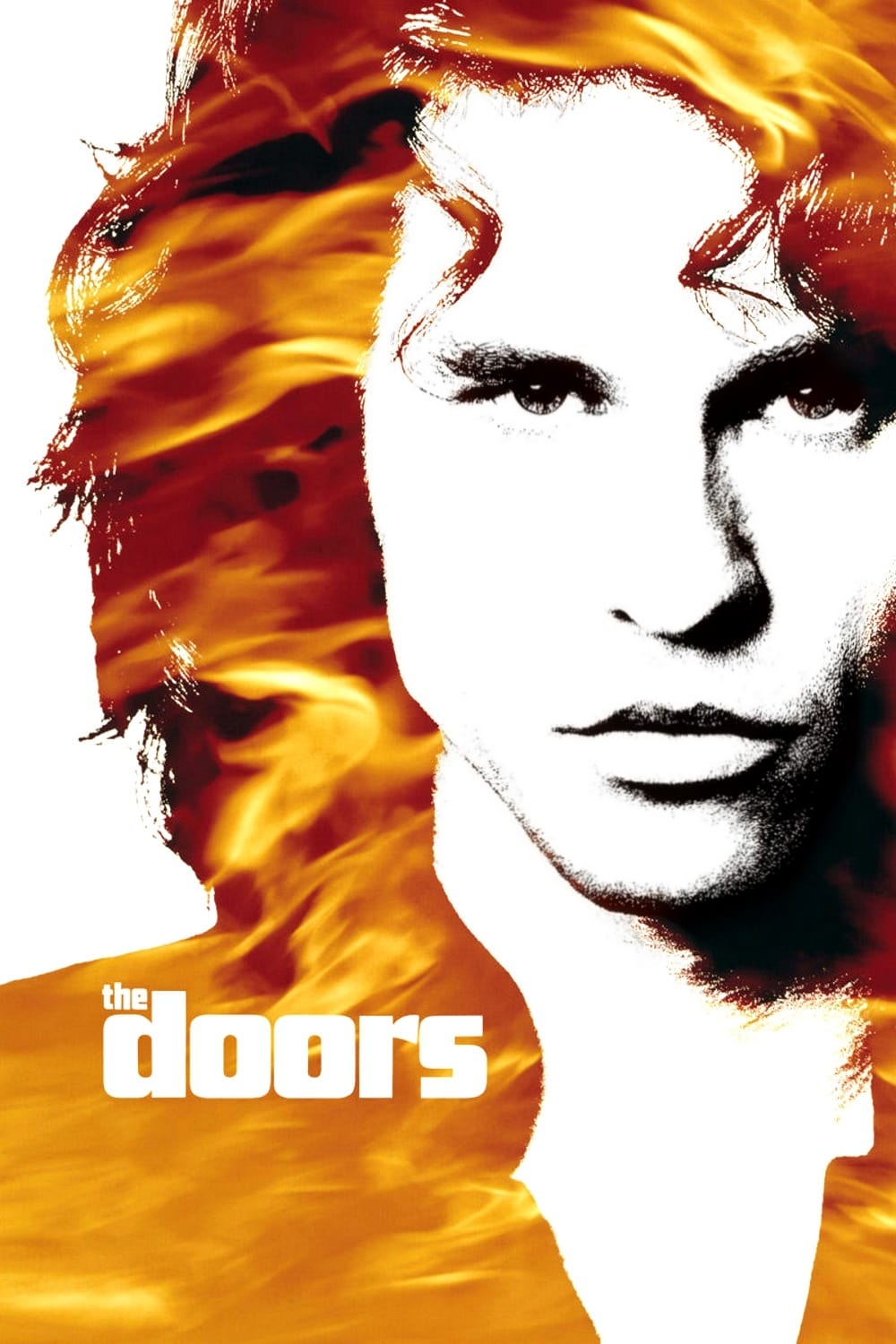

Casting What-Ifs
Ian Astbury as Jim Morrison; Michael Madsen for Morrison; Billy Idol as Tom Baker; Patricia Arquette as Pam; Kyle MacLachlan in Platoon
In the discussion (6)
- Stone offered Jim Morrison to Ian Aspery (as spoken) of the Cult, who turned it down and later toured with the Doors in the early 2000s; his voice, like Eddie Vedder's, was compared to Morrison's. — Bill Simmons
- An unverified report that Bono wanted the role; Michael Hutchins (as spoken) could have been good, while Bono doing it seems strange. — Chuck Klosterman
- Michael Madsen auditioned for Morrison and was moved to Tom Baker, initially Billy Idol's role, losing 40 pounds. — Bill Simmons
- Billy Idol's motorcycle accident also cost him the T-1000; without it he might be huge, joked into Lincoln or an HBO prestige series. — Bill Simmons
- The casting director said Patricia Arquette auditioned well for Pam and should have gotten it; an unknown would have been better. — Bill Simmons
- Kyle McLaughlin (as spoken) was Stone's first choice for the Charlie Sheen role in Platoon. — Bill Simmons

In the discussion (3)
- The choices: Christian Slater, Patricia Arquette, Tony Scott, Quentin Tarantino, Sonny Chiba, Floyd or Saul Rubinek; Sonny Chiba is the Johnny Chan of the movie, a big winner who did not really do anything; since it was not a hit, it has to be Tarantino, who was minted and became someone to watch for the next twenty years, giving him sustainability after Reservoir Dogs.
- Slater is underrated on this pod: by this film he was Christian Slater in every movie, the Jack Nicholson impersonation that had been exciting in Heathers was now held against him; he is a good actor and believable in the part even though a case can be made the movie is about a schizophrenic, wish fulfillment in his head, a dream woman, a classic bag-of-money scenario, note-perfect gangsters and everyone liking a loser from a comic book store.
- Tarantino wins it because it proved Reservoir Dogs was not just a weird indie fluke, established a narrative, led to Pulp Fiction and is belatedly great, the most personal of his films with Clarence as his proxy; Tony Scott was another's runner-up, since the movie needed him and the Gandolfini scene in the wrong hands would go badly, and Tarantino directing it in 1993 would have shot it closer to the ear-cutting scene in Reservoir Dogs; he was famously not on set, and started Pulp Fiction about three months after this came out.
Podcast choices
- Speaker not identified
- Quentin Tarantino
Probably Unanswerable Questions
Are there really 17 tells for a lying man and 20 for a woman? Why wasn't Patricia Arquette a bigger star? What is Alabama doing right now? Where did Dick Ritchie and Floyd live? Did the Italians kill Floyd?
In the discussion (5)
- Is it true there are seventeen things a guy does when he lies and a woman has twenty; googling turns up nothing but this scene, Tarantino may have been talking out of his ass, why seventeen, and listeners are asked to email the mailbag if there is truth in it.
- Why wasn't Patricia Arquette a bigger star: she has a wholly distinctive vibe, voice and look that did not translate to Julia Roberts type movies; she was on Medium a long time, was a star of Ed Wood and Flirting with Disaster and was in Lost Highway, but never a blockbuster; summoning the spirit of Wesley Morris, she was market-corrected by Drew Barrymore with the rom-coms and Charlie's Angels, weird but not too weird for guys, while Arquette is cool, a little weird and more hard-bitten.
- What is Alabama doing right now: working in the boatyard with Red in Mexico, Clarence definitely dead, probably from complications of poor eye surgery; a deep-web Tarantino database supposedly has her hooking up with Harvey Keitel's Reservoir Dogs character and going on the run as a professional bank robber, which was the plan when Clarence died.
- Where exactly did Dick Ritchie and Floyd live: honestly Los Feliz, or up Beachwood in the hills since the directions say go down Beachwood, around the Beachwood Cafe, looking like the Los Feliz or Franklin Hills; a Ringer video series visiting movie locations is wished for.
- Did the Italians kill Floyd, the most important question of the movie and maybe of a host's life: they leave the first time, Gandolfini leaves the second after asking whether they want to smoke, they cock their guns and it just ends; in the 1992 draft Floyd's last line is 'well, you go down Beachwood' with no killing; killing him would only leave a trail, so he lives, or dies of lung disease two years later; Kevin Corrigan, one of the most Irish guys of all time, plays an Italian gangster.
Picking Nits
How much a theater manager would pay for a call girl; Alabama has only been a call girl for four days; whether Clarence and Alabama could walk out of the Beverly Ambassador past a thousand cops
In the discussion (3)
- How much money does a movie theater manager have to spend on a call girl for an employee's birthday; the economics of call girls in 1993 are unclear; Alabama has only been a call girl for four days, the movie trope of the hooker who has only been one since last Thursday.
- An LA tidbit: the movie theater is the Vista on Sunset, used for all the exteriors rather than Detroit; Tarantino tells the story of putting the Sonny Chiba triple feature on the Vista marquee so his movie nerd friends drove by and called him about it.
- Would Slater and Arquette really get out of the Beverly Ambassador, both covered in blood, carrying a suitcase past a thousand cops without a sideways look; not according to Tarantino.

In the discussion (7)
- Obvious non-candidates like Brad Pitt are taken out; Rubinek is a slam dunk, never more of an Apex Mountain candidate, a theater actor in On Golden Pond doing his best work, also good in the cable movie And the Band Played On and an all-time Law & Order guy with some forty episodes; big winner of this podcast.
- Christian Slater: a yes from one host that the others contest, going Heathers instead, then calling that too early and picking Pump Up the Volume because he invented podcasting, which is granted as a good point; nobody picked Broken Arrow or Hard Rain, and Broken Arrow was Travolta's real comeback when the wheels came off.
- Patricia Arquette: Boyhood is floated because she won the Oscar for it, then withdrawn; personally and subjectively this is her film, but career-wise it has to be the Oscar; the category is defined as when they were at the peak of their powers with the most options and respect, and she was pretty unknown here with a rough seven or eight years after, so it is not this.
- Tony Scott is an unequivocal yes for one host, over Man on Fire, because his commercial hits had faded, people doubted him, and this led to Crimson Tide, his career never in better shape than between the two; the others contest that yes, countering that it was a flop, that Crimson Tide is his apex, and that he made Top Gun, one of the biggest hits of all time, which launched Tom Cruise.
- The counter is that in the mid-eighties Top Gun was not received as a Tony Scott movie, the narrative was Tom Cruise as the biggest star in the world, whereas with True Romance Scott was part of the narrative; the Top Gun case is acknowledged, and a favorite Tony Scott movie is conceded not to be the same as apex; the category is elusive like the MVP award; the film is also the most critically acclaimed of his, at 92 percent.
- Bronson Pinchot: Beverly Hills Cop, a massive hit that made him a breakout star, with the espresso with a twist of lemon; Sizemore: Heat, since 'the action is the juice' is the definition of Apex Mountain; Chris Penn: Reservoir Dogs, Nice Guy Eddie, agreed.
- Walken: hell no, he is The Deer Hunter; an early-nineties case is made, hosting SNL in fall 1992 with Trivial Psychic and Stock Talk, this film in 1993, Pulp in 1994, a Walken-sance with everyone in on him and Jay Moore (as transcribed) doing the impression, plus King of New York, Wayne's World 2 the same year and Things to Do in Denver, but the Russian roulette in The Deer Hunter has to be his apex.
Half-Assed Internet Research
Tony Scott changed the ending so Clarence lives; Elvis's estate refused any Elvis music; Drexel's eye came from the Dracula prop box; Rubinek did not know his audition was Joel Silver; the hotel deal was shot at the abandoned Ambassador Hotel; Sizemore lay with feathers in his mouth for days; Walken asked to shoot Hopper's half first; Warner Brothers wanted the title Reckless Hearts; the money exchange moved from a zoo to Six Flags; Gandolfini stayed in a dingy hotel; Slater and Arquette had an off-screen romance
In the discussion (8)
- Tony Scott changed the ending because he loved the characters; originally Clarence died and Alabama got away with the money, and apparently both versions were shot; one host dislikes Clarence being shot in the eye and maimed, wanting a shoulder wound if he lives; another loves that Scott liked him too much to let him go, classic sentimental Tony.
- A joke about a Ringer montage of characters ending up on the same perfect Mexican beach with their kids and 300,000 dollars in a suitcase: Red talking to Alabama, Shawshank, Paul Walker and Jordana Brewster from Fast 7, about two miles from Zawantaneo (as transcribed).
- Elvis's estate would not allow any Elvis music, so Charlie Sexton's Graceland, basically Sexton doing Elvis, opens the film; the music is a 1993 mishmash, a late-period Aerosmith song feels out of sync for a Tarantino film, and one host calls the music a missed opportunity that belonged in aged worst when Pixies-type bands were available, though Soundgarden's Outshined is what Floyd would listen to; the fifties stuff, the Big Bopper on the phone with Dick Ritchie and the Burl Ives song feel Tarantino; Drexel listening to techno is odd, Wu Tang would fit, but the techno gives the scene its unsettling vibe.
- Drexel's weird eye came from the Dracula prop box; Oldman's account is that over tea at the Four Seasons Scott could not explain the plot but described a pimp who is white but thinks he is black, and that was all he needed to hear; Rubinek's account is that at his audition Scott told him he had Joel exactly right, and he had no idea who Joel Silver was.
- The hotel drug deal was filmed at the abandoned Ambassador Hotel where Robert Kennedy was shot, near the end of Beverly by the 101, now a dog and cat hospital with the neighborhood schools renamed RFK; a host's daughter practiced at Virgil High School next to it for half a year without his knowing; in the Maxim oral history Sizemore recounted that his death was got in one take at the start of the shootout, so he lay on the ground with feathers in his mouth for days.
- Scott intended to shoot Walken's part first; Walken begged him to shoot Hopper first and found his character watching Hopper's half play out; Warner Brothers was going to change the title to Reckless Hearts until Arquette, Slater, Scott and Tarantino threw their bodies in front of it; the money exchange was meant for a zoo and ended at Six Flags when the location fell through; Gandolfini got into character as Virgil by staying in a dingy hotel and not showering or changing his underwear.
- Slater and Arquette seem to have had sparks on and off the set, evident in how they connect: Scott's account that Christian was instantly attracted and Patricia fell in love with him, a true romance; Arquette on a romantic, magnetized sexual attraction; Slater on love at first sight made tricky by being in a relationship; the phone booth scene is called one of the more believable sex scenes in movie history, with Slater really going for it.
- Earlier, during aged best, the Pineapple Express origin story is flagged as stepping on the internet research.
Casting What-Ifs
Tarantino wanted Joan Cusack as Alabama; Tony Scott wanted Drew Barrymore; Jack Black (as transcribed: 'Jack Plack') was cut as a theater usher; Val Kilmer wanted Clarence; Tom Sizemore was first cast in Gandolfini's role and recommended Gandolfini
In the discussion (6)
- Tarantino wanted Joan Cusack for Alabama in the late-eighties script, which one host calls genius from the man who put John Travolta in Pulp Fiction; another doubts she has the sex appeal for the character, though she is sexy in The Addams Family, reviving a sixty-episode argument over whether she could pull off a sexy role.
- Tony Scott, misnamed Ridley at first, wanted Drew Barrymore; a year before Mad Love she could have pulled off Alabama, had career baggage from drug and alcohol trouble, and might have become a star of the A list from it, whereas the film, which only made twelve million (as transcribed: '$12 billion'), did not propel Arquette, who is iconic in it and had a host's high school girlfriend curling her hair the same way.
- Alabama is totally fake, a creation like the manic pixie dream girls discussed a few episodes ago; on the commentary Tarantino is unembarrassed about not having a girlfriend until 25 and inventing his dream girl, one who watches kung fu movies, eats chicken, drinks beer, smokes and is funny; Arquette was the perfect actress to embody it.
- Jack Black (as transcribed: 'Jack Plack') was cut as an usher in the kung fu theater; Val Kilmer desperately wanted Clarence, but Tarantino originally saw the role as a David Carradine type, an older loser, so a Kilmer version would have been a man approaching middle age rather than a cool guy at a Detroit comic book store.
- Tom Sizemore was initially cast in Gandolfini's role, was not comfortable with the scene beating up Arquette, asked to play the cop instead and recommended Gandolfini because they had been in a play together, giving him his big break.
- A riff on Sizemore's heat check against De Niro in Heat, 'for me, the action is the juice', with the long dramatic pause, an ISO Michael Mann keeps giving him, Sizemore as Michael Mann's Joe Akeem Noah (as transcribed); what does not add up is that a year later he played the disgusting warden in Natural Born Killers, so perhaps domestic violence in his past, dating Heidi Fleiss and substance abuse made the scene hit too close.

What’s Aged the Worst?
Tony Scott's 'persuader': slapping Patricia Arquette before her heavy scenes
In the discussion (9)
- Smoking in movie theaters and at the payphone is the first offering; for the most part the film could come out right now, but Gandolfini beating Patricia Arquette for ten minutes probably would not, and Drexel probably could not be done today.
- Whether the Sicilian speech could be done today: Tarantino is still doing that stuff and people get bent out of shape in 2018's outrage society, a cycle that will repeat with Once Upon a Time in Hollywood; he grew up around Black friends and feels he has access to that experience, always has Sam Jackson in his movies, and Jackson is quoted every time saying Quentin is not a racist.
- The Sicilian speech was based on a story a Black friend told Tarantino, put in a white guy's mouth to be more offensive; it also fits a true-to-life lonely guy who reads history books; the hosts worry we are losing the ability to distinguish creator from creation, and that characters with reprehensible values are still worthwhile to watch.
- Tarantino comes from a tradition of pulp crime about gritty, bad people; nobody in this film is good, Clarence and Alabama included; a host who is a white man has never been the target of the material; the eggplant speech is put down but has not aged badly, the country has changed; Hopper's character knows he is going to die and needles Walken's with the worst thing he can think of, which movies should still be able to do.
- The Gandolfini-Arquette scene is defended as something that could still happen in 2018: everybody is bad so the behavior has to be over the top, she is the hero, she wins the scene and kills him after surviving the pounding, no different from Uma Thurman in Kill Bill, and it is not read as a domestic violence scene.
- The scene gives the film tremendous gravity and ends the fantasy: Alabama is a pinup dream with an invented name, the Cadillac and the snap drive to the desert are a dream, and this is the consequence; it happens away from Clarence, who has been seeing Elvis in the bathroom, and shows who these men really are, changing the stakes.
- Gandolfini sets it up almost like a masochist, letting her get a shot at him and stab him, almost flirting before he hits her, then the speech about the first time you kill somebody shows he is a psycho she has to defeat; the one thing that might get legislated is that Tony Scott shoots the violence beautifully, slow motion through the shower, the mirror, art-film touches, which could be read as glamorization.
- It is basically three scenes cut together, a lot of time watching her get beaten before she kills him in thirty seconds; today it would be reversed, him knocking her around for thirty seconds and her beating him for three minutes; it smashes into Bronson Pinchot's arrest right after, caught in a car with a woman and his cocaine spilled, and it is the most important scene because afterward anything is possible and the two leads really could be killed.
- The actual answer is the anecdote that Tony Scott used what he called a 'persuader', occasionally slapping Arquette before shooting to get her where she needed to be emotionally, until she approached him asking for it before heavy scenes, which he joked was the English School of Directing; indefensible and weird, from the Maxim oral history, a 1957 story rather than a 1993 one, likened to sixties and seventies directors brawling with actors like Charlton Heston and the Belushi SNL sketch about it.

What’s Aged the Best?
The way the film looks; the dialogue; Gandolfini
In the discussion (10)
- Young Gandolfini: he is basically auditioning for Tony Soprano, and this and his Get Shorty role (transcribed 'bare') are the two poles of that character, sweet, charming, evil, menacing and violent; the film was one of the first DVDs a host bought, so he was always the guy from this movie.
- Floyd, who gives the directions down Beachwood to the Beverly Ambassador, was an A++ in the nineties and the DVD era, a spirit animal for anyone getting baked at two in the morning; the whole idea of Pineapple Express came from Judd Apatow and company loving Floyd and asking what would have happened if he chased the Italians.
- Unlike Tom Cruise in Tropic Thunder working to go viral, Pitt just lies on the couch with a couple of improv lines; the Floyd stuff is largely improvised, as are Hopper's eggplant and Walken's cantaloupe lines; Floyd is the most important character because he gets everyone together for the shootout, and 'don't condescend me' is a favorite line.
- Brad Pitt has an alternate path as one of the great character actors, fifteen non-essential but memorable parts up through Burn After Reading, but he was so handsome he had to be a leading man; Seven is a character he put thought into before material started being created for him; the Tarantino relationship continues through Inglourious Bastards and the coming Once Upon a Time in Hollywood.
- Dennis Hopper is so likable that even the Speed villain was hard to root against; the Clarence-Clifford scene is economical writing, 'you're just like your mother', three years apart, a recovering alcoholic who only has a Seven Up, telling you why Clarence would throw it all away; two lines are lifted, 'you're just like your mother' from Hopper's own line in Rumblefish and the beer line from The Last Picture Show.
- Pre-internet, movie quotes and pulling from the past mattered more; a host's column threw in movie lines because that is how he and his friends connected, and Twitter gifs have given it a renaissance.
- Sizemore and Penn together are the twelve-episode Fox cop show we never got; the hosts saw a Reitman live read at the Ace Hotel with Slater and Arquette, the Duplass brothers as the cops, J.K. Simmons as the estranged father, Kevin Pollack as Walken's part, Jon Favreau as Gandolfini's, Keegan-Michael Key and Paul Scheer as Drexel and Elliot Blitzer, May Whitman in several parts and Jason Segel as Floyd.
- Coming Home in a Body Bag is funny right on the heels of forty Vietnam movies; Saul Rubinek's Lee Donowitz as Joel Silver, Bronson Pinchot as his assistant, Boris the bodyguard who hates cops, and Dick Ritchie constantly asking whether the producer knows he is an actor; Donowitz is one of a host's favorite movie characters, saved for the Dion Waiters argument.
- The Hans Zimmer score is distinct and gives the movie levity; according to a host it is based on a composition from the 1500s by Carl Orff that Terrence Malick used in Badlands, which Zimmer redoes as an homage, and Arquette's opening voiceover mimics the Badlands voiceover; the film pulls the best parts of other things.
- Asked for a single best out of all of it, one goes with the way it looks, the peak of Tony Scott's neon vision of urban America; another is still responding to the dialogue, over the top and offensive on purpose because it is pulp; a third says Gandolfini, like watching Michael Jordan at North Carolina.