‹ All people

Referenced person

Joel Silver

Stats

Episodes featuring their films
0
Movies in this archive
0

Rewatchables episodes featuring Joel Silver’s films

No episode credits in the archive yet.

No episodes found

Mentioned in discussions

In the discussion (3)
Approx. transcript time · 01:12:08Read transcript
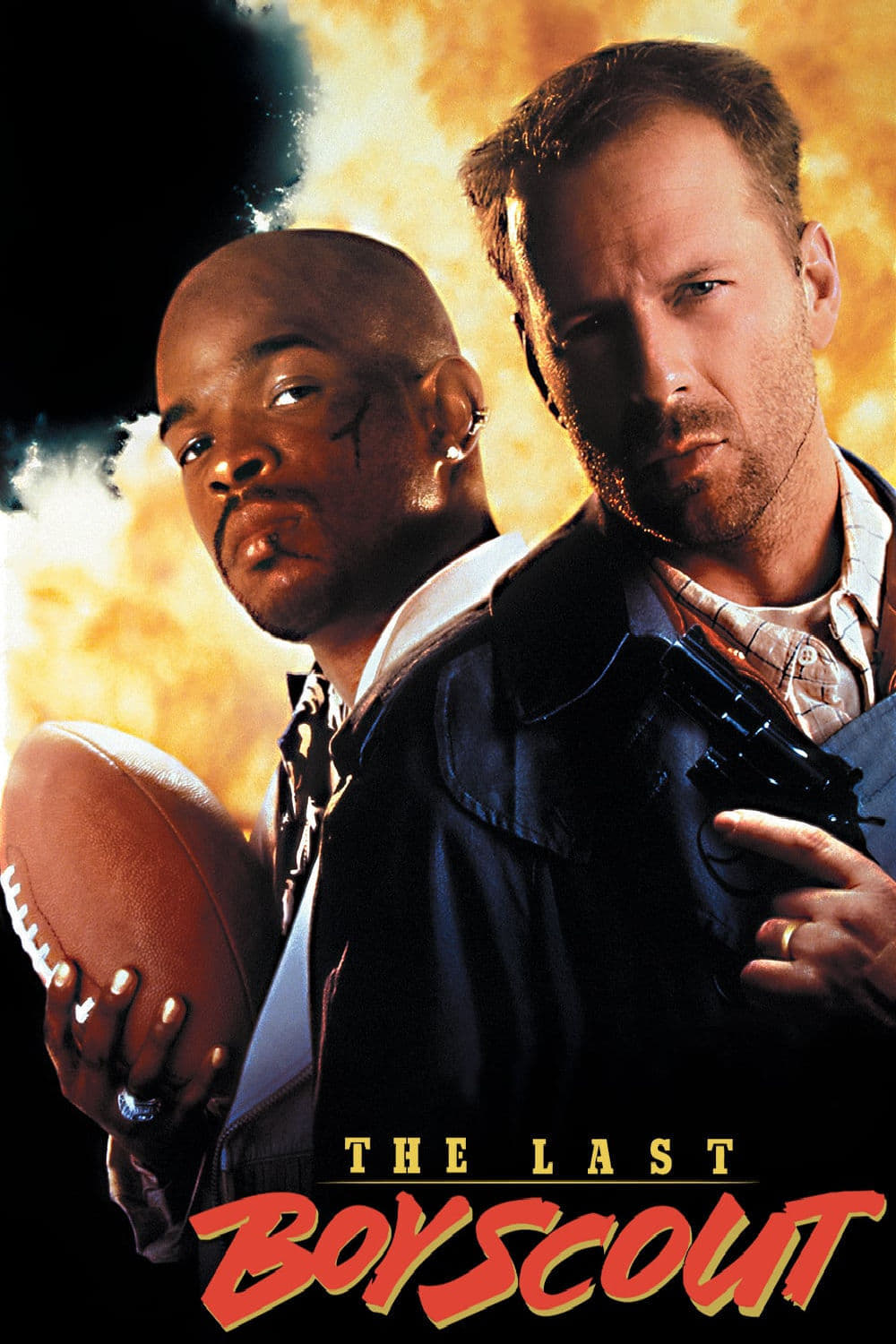
The Last Boy Scout

Apex Mountain

Bruce Willis; the Wayans brothers; L.A. NFL home games; $650 leather pants; dripping blood from the mouth and nose

In the discussion (9)
Approx. transcript time · 01:04:59Read transcript
  • Bruce Willis is an all-time yes. — Bill Simmons
  • The Wayans brothers get a yes, with Damon here and the family on In Living Color. — Bill Simmons
  • L.A. NFL home games get a yes because L.A. football never got better. — Bill Simmons
  • Halliberry is still Boomerang, and Daniel Harris is still Halloween 4. — Bill Simmons
  • Tony Scott is a no, and Joel Silver probably not because of The Matrix and Die Hard. — Bill Simmons
  • Early-90s kooky L.A. still goes to True Romance. — Chris Ryan
  • The $650 leather pants are called an apex. — Chris Ryan
  • The movie is proposed as the Apex Mountain for hangover acting, but Sonny Crockett and Jack Cates are raised against it and the claim is left contested rather than settled.
  • Later, dripping blood from the mouth and nose is added as an apex for this movie. — Bill Simmons
The Last Boy Scout

Half-Assed Internet Research

Troubled production; O.J. Simpson and Al Cowlings as football experts; a Lethal Weapon deleted scene; a near riot of extras; the body count; the original script

In the discussion (8)
Approx. transcript time · 01:00:33Read transcript
  • The assistant director attributed on-set tension to an overabundance of alpha males; Joel Silver told the New Yorker it was one of the three worst experiences of his life. — Bill Simmons
  • Shane Black was forced to keep rewriting; the studio wanted a Die Hard-style Bruce Willis follow-up, and the save-the-wife plot was changed because it repeated Die Hard. — Bill Simmons
  • The two football technical experts were O.J. Simpson and A.C. Cowlinks, per a Taylor Nagrond interview; it is called possibly the best research item ever. — Bill Simmons
  • The $650 pants conversation was a deleted Lethal Weapon scene Shane Black repurposed. — Bill Simmons
  • During filming at the Los Angeles Coliseum, extras who were told to go home after a canceled recall nearly rioted. — Bill Simmons
  • About 27 people die in the movie. — Bill Simmons
  • Shane Black's original script had a different second half: bigger roles for Milo and Shelley Marcombe, Milo directing snuff films and killing a family, a boat chase, two more shootouts, and Joe's wife killing Milo. — Bill Simmons
  • Script scenes like Jimmy throwing a football at a player abusing a woman build character, and the shooting script is worth reading or maybe making as a Netflix series. — Chris Ryan
In the discussion (6)
Approx. transcript time · 00:53:03Read transcript
The Last Boy Scout

What’s Aged the Worst?

Joe's hatred for rap music; the Jimmy Carter look-alike; the first dad-daughter scene; Tony Scott's conception of football contact; the Joel Silver–Bruce Willis relationship

In the discussion (6)
Approx. transcript time · 00:50:19Read transcript
  • Joe's hatred for rap music was a throwaway grizzled line in 91 while rap and hip-hop were exploding. — Bill Simmons
  • The Jimmy Carter look-alike is terrible, like a doll from the Land of Confusion video, and would now be done with CGI. — Bill Simmons
  • The first dad-daughter scene is too long and the daughter too angry; Daniel Harris is praised for Halloween 4. — Bill Simmons
  • Homophobia and misogyny in the humor are noted but felt on brand for the late 80s and early 90s and did not stand out at the time. — Chris Ryan
  • The film's idea of roughing the passer is so violent that it questions whether Tony Scott ever watched a football game. — Bill Simmons
  • The movie aged better than expected; the Joel Silver and Bruce Willis relationship seemed combustible. — Bill Simmons
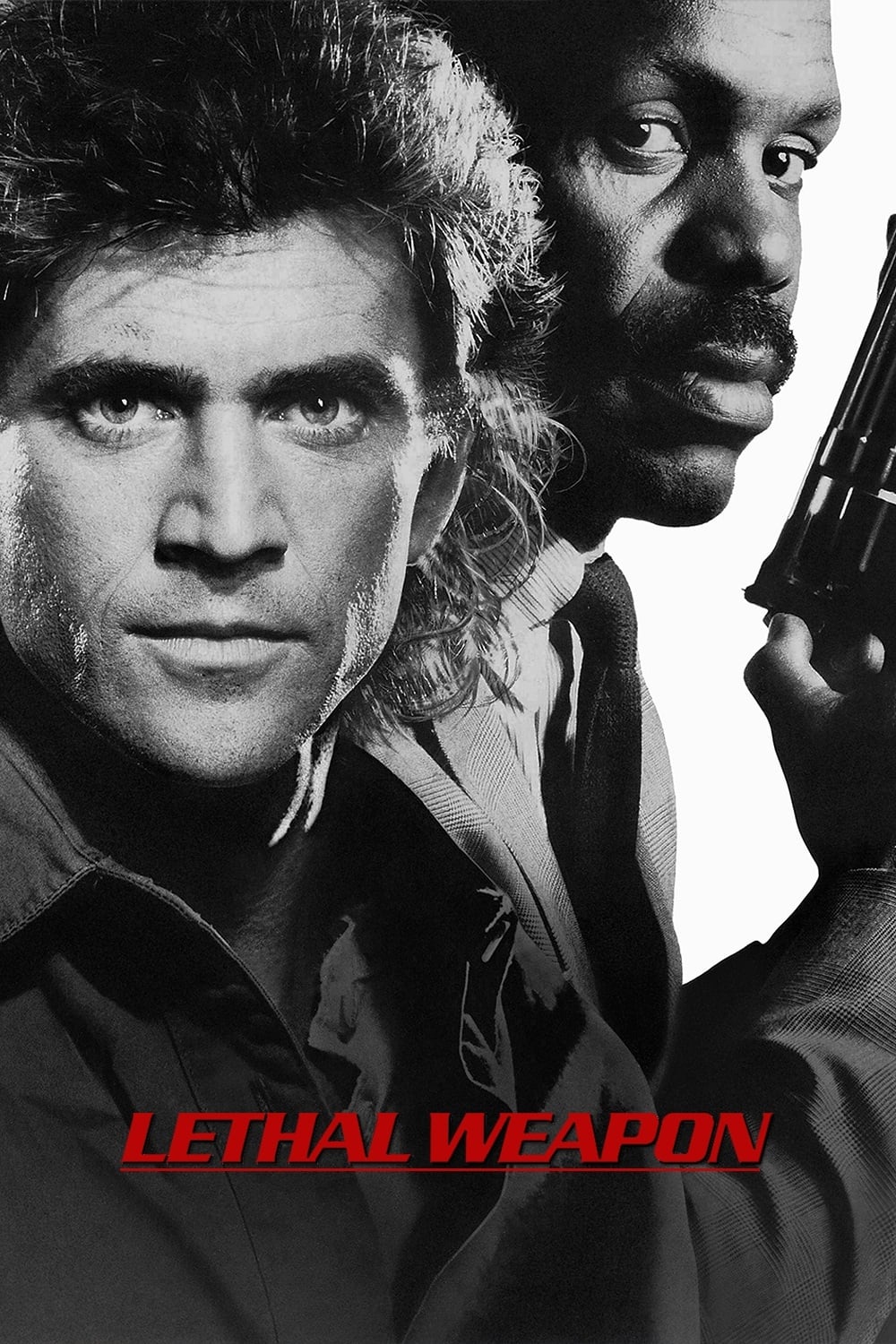
Lethal Weapon

Most Rewatchable Scene

Riggs's escape through the strip-club and 101 freeway shootout; Hunsaker's killing and the helicopter shootout

In the discussion (16)
Approx. transcript time · 00:29:59Read transcript
  • The Christmas-tree drug bust opens the list, with the 'this is a real fucking gun' badge exchange called amazing.
  • Two scenes establish Riggs, whose introduction has him swallowing cocaine off a switchblade; the Christmas element is called bigger here than in Die Hard. — Chris Ryan
  • Riggs's Three Stooges bit and cocaine use flip the usual cop-movie arc; his 'shoot him' standoff before turning it on the dealer is called brilliant. — Chris Ryan
  • The handcuff jump with the jumper is next: it has no plot need but proves how crazy Riggs is and poses whether he is chasing a psycho pension or truly suicidal. — Bill Simmons
  • Viewers forget the jump is coming, jumps onto the big inflatable cushion are always great, and the cushion is never shown being set up. — Chris Ryan
  • The jumper is wished to have been a known actor, like Ellis from Die Hard. — Bill Simmons
  • The post-dinner talk in a boat parked in the driveway is the chemistry scene that shows why the movie works. — Bill Simmons
  • The desert exchange feels Joel Silver-ish; its location (White Sands or the Mojave) is a drive of hours from downtown L.A., and one host had it in nitpicks; Riggs's sniper work there is enjoyed despite 1987 communication limits. — Bill Simmons
  • Riggs's escape through the strip-joint and 101 freeway shootout is called 11 incredible nonstop minutes; the torture scene with Busey is 'all of the 80s in one room'. — Bill Simmons
  • The strip-club shooting reflects a rough decade for pedestrians in action movies, and the 101 shootout is underrated; taking over that stretch of freeway is marvelled at. — Bill Simmons
  • Riggs is judged faster than 1986 Cruise in a sprint and barefoot for the last half hour without the problems of Die Hard's hero; Robert Patrick in Terminator 2 tops the running hierarchy. — Bill Simmons
  • The front-yard fight ('would you like a shot at the title?') is a favorite despite the many implied violations; research says four more minutes of the fight were cut. — Bill Simmons
  • It ends with the 80s trope of the villain getting up to be shot one last time; Joshua winning then would have topped the 2004 Red Sox comeback. — Bill Simmons
  • Final pick: everything from Riggs's escape through the 101 shootout. — Bill Simmons
  • The other pick is Hunsaker's killing and the helicopter shootout, with Riggs emptying two clips toward the ocean; Shane Black redid it in Iron Man 3, and Hunsaker is shot through the eggnog. — Chris Ryan
  • The cliffside helicopter pullback is praised; Palos Verdes is the location guess, and a mid-80s run of helicopter stunts (Airwolf, Blue Thunder) is recalled. — Bill Simmons
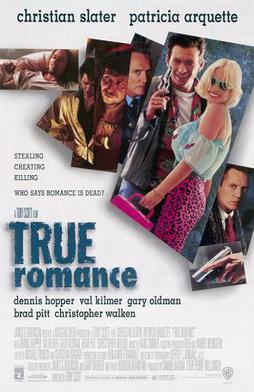
True Romance The Rewatchables
True Romance

Half-Assed Internet Research

Tony Scott changed the ending so Clarence lives; Elvis's estate refused any Elvis music; Drexel's eye came from the Dracula prop box; Rubinek did not know his audition was Joel Silver; the hotel deal was shot at the abandoned Ambassador Hotel; Sizemore lay with feathers in his mouth for days; Walken asked to shoot Hopper's half first; Warner Brothers wanted the title Reckless Hearts; the money exchange moved from a zoo to Six Flags; Gandolfini stayed in a dingy hotel; Slater and Arquette had an off-screen romance

In the discussion (8)
Approx. transcript time · 01:07:13Read transcript
  • Tony Scott changed the ending because he loved the characters; originally Clarence died and Alabama got away with the money, and apparently both versions were shot; one host dislikes Clarence being shot in the eye and maimed, wanting a shoulder wound if he lives; another loves that Scott liked him too much to let him go, classic sentimental Tony.
  • A joke about a Ringer montage of characters ending up on the same perfect Mexican beach with their kids and 300,000 dollars in a suitcase: Red talking to Alabama, Shawshank, Paul Walker and Jordana Brewster from Fast 7, about two miles from Zawantaneo (as transcribed).
  • Elvis's estate would not allow any Elvis music, so Charlie Sexton's Graceland, basically Sexton doing Elvis, opens the film; the music is a 1993 mishmash, a late-period Aerosmith song feels out of sync for a Tarantino film, and one host calls the music a missed opportunity that belonged in aged worst when Pixies-type bands were available, though Soundgarden's Outshined is what Floyd would listen to; the fifties stuff, the Big Bopper on the phone with Dick Ritchie and the Burl Ives song feel Tarantino; Drexel listening to techno is odd, Wu Tang would fit, but the techno gives the scene its unsettling vibe.
  • Drexel's weird eye came from the Dracula prop box; Oldman's account is that over tea at the Four Seasons Scott could not explain the plot but described a pimp who is white but thinks he is black, and that was all he needed to hear; Rubinek's account is that at his audition Scott told him he had Joel exactly right, and he had no idea who Joel Silver was.
  • The hotel drug deal was filmed at the abandoned Ambassador Hotel where Robert Kennedy was shot, near the end of Beverly by the 101, now a dog and cat hospital with the neighborhood schools renamed RFK; a host's daughter practiced at Virgil High School next to it for half a year without his knowing; in the Maxim oral history Sizemore recounted that his death was got in one take at the start of the shootout, so he lay on the ground with feathers in his mouth for days.
  • Scott intended to shoot Walken's part first; Walken begged him to shoot Hopper first and found his character watching Hopper's half play out; Warner Brothers was going to change the title to Reckless Hearts until Arquette, Slater, Scott and Tarantino threw their bodies in front of it; the money exchange was meant for a zoo and ended at Six Flags when the location fell through; Gandolfini got into character as Virgil by staying in a dingy hotel and not showering or changing his underwear.
  • Slater and Arquette seem to have had sparks on and off the set, evident in how they connect: Scott's account that Christian was instantly attracted and Patricia fell in love with him, a true romance; Arquette on a romantic, magnetized sexual attraction; Slater on love at first sight made tricky by being in a relationship; the phone booth scene is called one of the more believable sex scenes in movie history, with Slater really going for it.
  • Earlier, during aged best, the Pineapple Express origin story is flagged as stepping on the internet research.
True Romance The Rewatchables
In the discussion (11)
Approx. transcript time · 01:00:29Read transcript
  • There are individually probably five Dion Waiters winners, like an Oscar category where every nominee could win; Val Kilmer cannot crack the top five and sits sixth; his Elvis is fine, and his 1993 of The Real McCoy, Tombstone with the all-time Doc Holliday, and this is incredible; a Doors episode is offered to Chris Iron (as transcribed) whenever he is ready.
  • The field: Gary Oldman's Drexel, the white pimp who thinks he is black; Brad Pitt's Floyd, so great it spawned Pineapple Express; Christopher Walken pulling off a Sicilian; Gandolfini as the most evil hitman; Hopper counts with only two scenes; and a surprise entry, Saul Rubinek; Pinchot is left out for having too big a part, and Kilmer (as transcribed: 'Kim') and Rappaport are in too many scenes.
  • A Pinchot tangent: he got the script finishing Perfect Strangers, was Serge in both Beverly Hills Cop films, the roller coaster scene was shot over two days with the cast throwing up or sedated, and his run from Risky Business through Perfect Strangers to this is not bad; he became a punching bag unfairly, like Andrew McCarthy, light comic actors who could star in 1989 but not 1999; the elevator scene with Sizemore and Penn bluffing Elliot is great.
  • A Walken question: his only two Tarantino scenes are the watch speech in Pulp Fiction and this one, which is nuts; a Pulp Fiction episode would spend thirty minutes on the watch speech.
  • Rubinek is shouted out for a Joel Silver impersonation at the height of Joel Silver on cocaine, doing the most with the least while Oldman, Gandolfini and Pitt had a lot to work with in their parts, smoking and driving on the PCH asking Elliot why he is calling on a Sunday.
  • Cannot really decide for the first time; it is something between Pitt, Rubinek or Walken, and Oldman is loved too. — Chris Ryan
  • Oldman is in three scenes and out of control and might have the line of the movie with white boy day; one host has Saul Rubinek in a walk because he has never done anything else, which is where another wanted to go; all the other characters' actors went on to Oscars and Emmys, while Rubinek's highlight reel starts here.
  • Rubinek did not know he was doing Joel Silver; the character is written as just a producer and Tony Scott, who hated Silver, made him Silver, so Scott gets a lot of credit for molding the performance; it probably hurt Rubinek's career.
  • Rubinek is the eleventh man who should not be able to score twenty points in seven minutes, the definition of the award; favorite moments are the taunt about knowing Elliot's name, the Body Bags 2 taste line and the 357,000 dollars someone is stealing; he was 20 to 1 heading in with Oldman applauding in the stands, Twitter expected Floyd or Drexel, but watched closely Rubinek is the correct winner.
  • Earlier the cast is called the best Dion Waiters field the show has had, better than Heat, with Sam Jackson, Val Kilmer, Gary Oldman and Saul Rubinek in five-minutes-or-less performances; it is self-aware, actors knowing they have six pages and lighting them on fire, which Craig the producer, seeing it for the first time, noticed.
  • During aged best, the Lee Donowitz discussion is saved for a fascinating Dion Waiters argument.
True Romance The Rewatchables
True Romance

What’s Aged the Best?

The way the film looks; the dialogue; Gandolfini

In the discussion (10)
Approx. transcript time · 00:33:33Read transcript
  • Young Gandolfini: he is basically auditioning for Tony Soprano, and this and his Get Shorty role (transcribed 'bare') are the two poles of that character, sweet, charming, evil, menacing and violent; the film was one of the first DVDs a host bought, so he was always the guy from this movie.
  • Floyd, who gives the directions down Beachwood to the Beverly Ambassador, was an A++ in the nineties and the DVD era, a spirit animal for anyone getting baked at two in the morning; the whole idea of Pineapple Express came from Judd Apatow and company loving Floyd and asking what would have happened if he chased the Italians.
  • Unlike Tom Cruise in Tropic Thunder working to go viral, Pitt just lies on the couch with a couple of improv lines; the Floyd stuff is largely improvised, as are Hopper's eggplant and Walken's cantaloupe lines; Floyd is the most important character because he gets everyone together for the shootout, and 'don't condescend me' is a favorite line.
  • Brad Pitt has an alternate path as one of the great character actors, fifteen non-essential but memorable parts up through Burn After Reading, but he was so handsome he had to be a leading man; Seven is a character he put thought into before material started being created for him; the Tarantino relationship continues through Inglourious Bastards and the coming Once Upon a Time in Hollywood.
  • Dennis Hopper is so likable that even the Speed villain was hard to root against; the Clarence-Clifford scene is economical writing, 'you're just like your mother', three years apart, a recovering alcoholic who only has a Seven Up, telling you why Clarence would throw it all away; two lines are lifted, 'you're just like your mother' from Hopper's own line in Rumblefish and the beer line from The Last Picture Show.
  • Pre-internet, movie quotes and pulling from the past mattered more; a host's column threw in movie lines because that is how he and his friends connected, and Twitter gifs have given it a renaissance.
  • Sizemore and Penn together are the twelve-episode Fox cop show we never got; the hosts saw a Reitman live read at the Ace Hotel with Slater and Arquette, the Duplass brothers as the cops, J.K. Simmons as the estranged father, Kevin Pollack as Walken's part, Jon Favreau as Gandolfini's, Keegan-Michael Key and Paul Scheer as Drexel and Elliot Blitzer, May Whitman in several parts and Jason Segel as Floyd.
  • Coming Home in a Body Bag is funny right on the heels of forty Vietnam movies; Saul Rubinek's Lee Donowitz as Joel Silver, Bronson Pinchot as his assistant, Boris the bodyguard who hates cops, and Dick Ritchie constantly asking whether the producer knows he is an actor; Donowitz is one of a host's favorite movie characters, saved for the Dion Waiters argument.
  • The Hans Zimmer score is distinct and gives the movie levity; according to a host it is based on a composition from the 1500s by Carl Orff that Terrence Malick used in Badlands, which Zimmer redoes as an homage, and Arquette's opening voiceover mimics the Badlands voiceover; the film pulls the best parts of other things.
  • Asked for a single best out of all of it, one goes with the way it looks, the peak of Tony Scott's neon vision of urban America; another is still responding to the dialogue, over the top and offensive on purpose because it is pulp; a third says Gandolfini, like watching Michael Jordan at North Carolina.
Face/Off The Rewatchables
Face/Off

Casting What-Ifs

Written in 1990 for Sly Stallone and Arnold Schwarzenegger; Joel Silver wanted Michael Douglas and Harrison Ford; Johnny Depp was attached; Bruce Willis and Alc Baldwin (as transcribed) were paired; Van Damme and Steven Seagal were paired; Mark Wahlberg turned down Pollux; Julianna Margulis (as transcribed) turned down the Gina Gershon part

In the discussion (9)
Approx. transcript time · 00:17:36Read transcript
  • The script was written in 1990 with Sly Stallone and Arnold Schwarzenegger in mind as the leads; the hosts agree that would have been horrible given the bodies, faces and accents, wondering how the vocal box would handle Arnold's or Sly's accent.
  • Joel Silver then optioned it wanting Michael Douglas and Harrison Ford, which some think would have been incredible but more like a sexual thriller going to a weird place; this detours into Michael Douglas's publicly stated claim about the sexual cause of his throat cancer, which one host insists is a true story to Google and others call a suburban legend and a humble brag.
  • Johnny Depp was in until he found out it was not a hockey movie, treated as true because it is on the internet, with jokes about whether he thought Pirates of the Caribbean or Edward Scissorhands were hockey movies too; Bruce Willis and Alc Baldwin (as transcribed) were teamed up at one point, which might actually have worked since Baldwin would dial it up.
  • The funniest pairing, apparently a real thing, was Van Damme and Steven Seagal, two of the greatest Russian moles America has to offer.
  • Would most have wanted to see Stallone and Schwarzenegger, because it does not make any sense and he needs to see that. — Jason Concepcion
  • Would want Douglas and Ford, who would have had so much contempt for the material, unable to believe they needed another ranch in Montana this badly. — Chris Ryan
  • Goes with Van Damme and Seagal (as transcribed 'Van Dammen to go'). — Shea Serrano
  • The others knew that pick was coming and call it the worst one of all of them.
  • Mark Wahlberg turned down the role of Castor's brother Pollux; the movie is better with Wahlberg if he is dialing it up, and Pollux's weird hairdo already looks like Wahlberg's Gambler character; Julianna Margulis (as transcribed) turned down the Gina Gershon part because she was filming ER, probably a good choice at that moment, since Gershon does not go around asking whether people saw her in Face Off.
Displaying all 10 discussions