
Stats
- Episodes featuring their films
- 3
- Movies in this archive
- 4
Rewatchables episodes featuring Robert Patrick’s films
Mentioned in discussions


What’s Aged the Best?
Performances; soundtrack; cameos; enduring bits; street hockey
In the discussion (17)
- The Myers–Carvey relationship remains intriguing, and Farley’s first-film cameo makes even listing cities funny. — Bill Simmons
- The No Stairway gag endured despite home-video replacement notes; rights costs reportedly caused the substitution, later restored for Blu-ray and streaming. — Bill Simmons
- Carrere’s singing, comedic timing and subtitle scene are praised; her later career seemed smaller than her talent deserved. — Bill Simmons
- Carrere also keeps the cast from being entirely white; the newer viewer finds her far more distinctive here than in True Lies.
- The soundtrack bridges hair metal and emerging grunge, including Temple of the Dog, and makes the film more enjoyable than Singles for one viewer. — Kyle Brandt
- Older Queen, Sabbath, Clapton and Hendrix coexist with newer music and Carrere’s covers; Crucial Taunt is a convincing club band. — Bill Simmons
- Dutch door action remains funny, with uncertainty whether Myers invented the phrase; Lowe’s literally anticipates Parks and Recreation. — Bill Simmons
- Alice Cooper’s scholarly Milwaukee explanation is admired, with a report that his dialogue was unexpectedly added on set. — Bill Simmons
- Holding a backstage pass conspicuously is remembered as an enduring behavior from the movie. — Kyle Brandt
- Hi, I’m in Delaware remains a lasting joke, and the branded-content sequence still works. — Kyle Brandt
- Street hockey adds the game-on/car refrain, Blackhawks jerseys and Stacey’s collision; the Bee Gees line remains apt. — Bill Simmons
- Carvey’s actual drumming is admired. — Bill Simmons
- Claudia Schiffer remains attractive, with a debate about younger viewers recognizing her through Love Actually. — Bill Simmons
- Carrere’s band is passionate and entertaining even on its weaker ballad, compared with Lita Ford and Hole. — Kyle Brandt
- No way/way, That’s what she said and the hand-job line still work. — Bill Simmons
- Robert Patrick’s Terminator 2 cameo remains effective because the original film is iconic. — Bill Simmons
- The Oscar clip, extreme close-up, water on the face and gratuitous-sex-scene jokes remain funny. — Bill Simmons

Most Rewatchable Scene
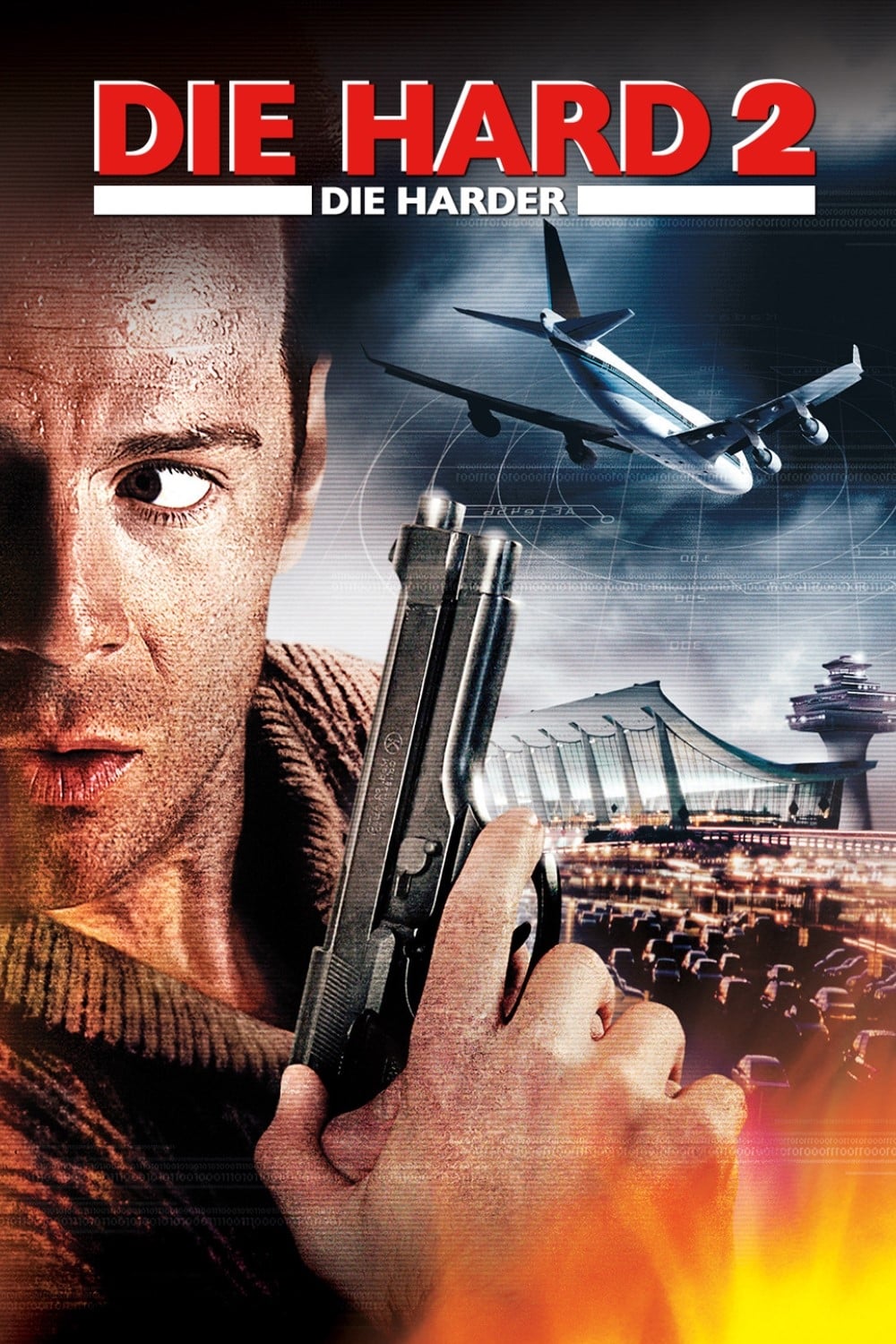
Baggage-area fight; first McClane-Lorenzo meeting; painters shootout and ramp standoff; ejection and parachute escape; runway fight and fuel-trail landing
In the discussion (9)
- First listed: McClane fighting two men in a restricted baggage area, with Vondie Curtis Hall; the cluttered, climbable set is praised and the airport raised as a possible Apex Mountain for airport movies, though it was not actually shot at Dulles. — Bill Simmons
- The first McClane-Lorenzo meeting is quoted, with both actors bringing it; it sets up the trope of an official who is unimpressed by a proven hero, riffed on through an imagined Sully Sullenberger being brushed off.
- The metal-detector insult to Carmine is noted as a likely ad-lib whose joke nobody fully understands. — Bill Simmons
- The paintball-style shootout, with sinister painters (including Robert Patrick) ignored by the airport SWAT team, and the suspenseful moving-ramp standoff are nominated. — Bill Simmons
- The plane crash is called the craziest and most horrifying scene in action-movie history; with some 220 deaths quickly moved past, it is judged memorable rather than rewatchable. — Bill Simmons
- After 9/11 such a scene would never be made; the movie is one of the most violent mainstream films, mixing sight gags with a British plane crash that kills about 200 people, after which everyone at Dulles keeps drinking and waiting, and making the passengers unlikable British travelers is called a weird choice.
- McClane pushing the crate, taking on Esperanza on the transport plane and ejecting leads to a shot of him parachuting at the camera, called one of the better action-movie shots, though the villains oddly fail to finish him. — Bill Simmons
- The final fight with John Amos and Stuart ends with the plane blown up on an improbably long runway and controllers using the fire trail to guide landing planes. — Bill Simmons
- Additional favorites: the news helicopter pilot saying he is crazy but not that crazy, repeated blueprint-reading scenes with Art Evans, and the William Atherton-Bonnie Bedelia first-class feud. — Sean Fennessey
Most Rewatchable Scene
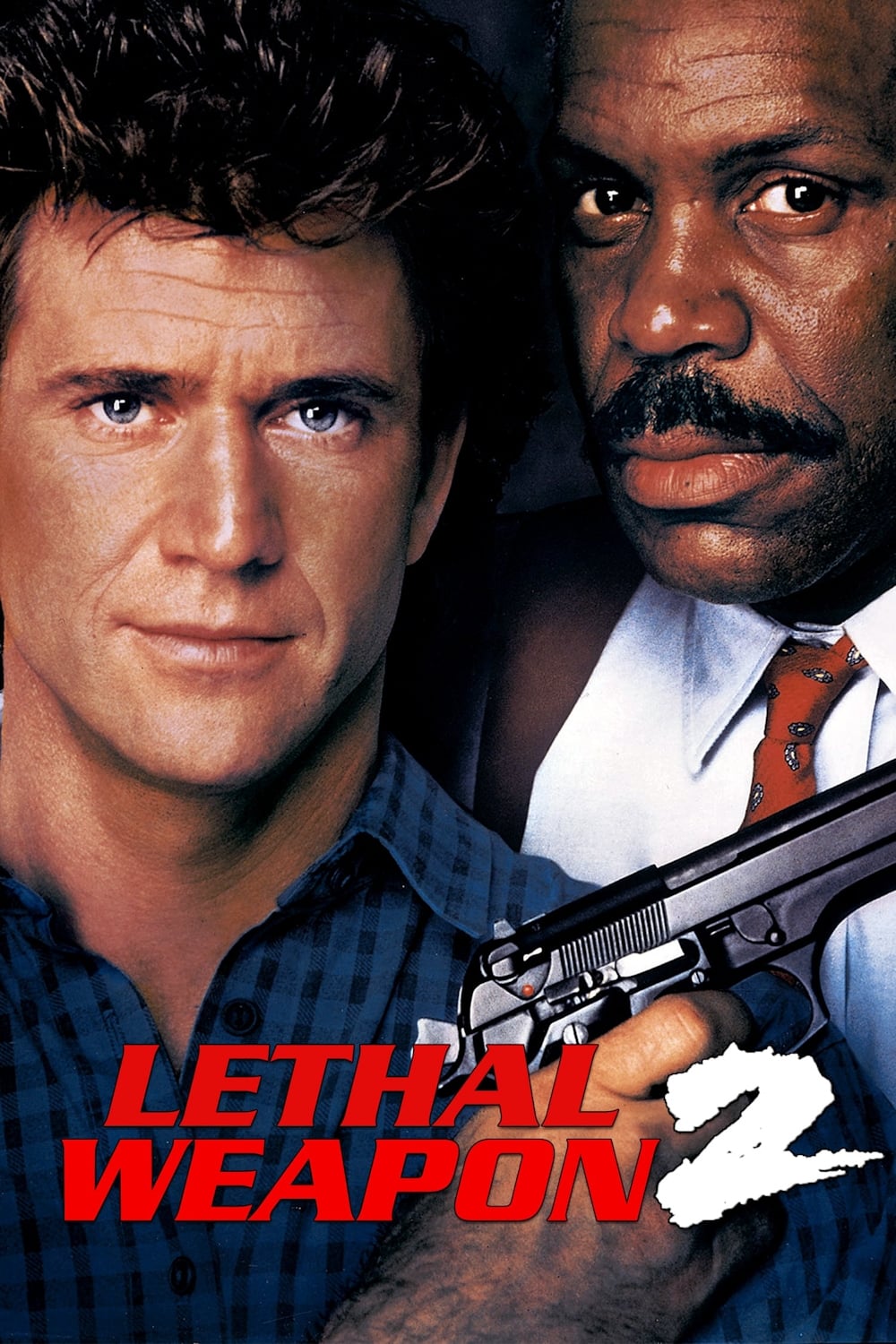
The toilet scene
In the discussion (23)
- Some action movies are best joined 25 minutes in, like 48 hours or Die Hard, but this one should be joined from the opening credits. — Bill Simmons
- The opening car chase shows Gibson running, placing him as the Usain Bold of actors in a final against Robert Patrick after Tom Cruise's semifinal loss; John David Washington, Snipes and Eddie Murphy are also named as good runners. — Bill Simmons
- Station scenes are loved: the cops betting and the bet called off over the station wagon, and the rubbers gag. — Bill Simmons
- The straitjacket shoulder-dislocation bet is a terrible example for impressionable teens, shows his athleticism and pain tolerance, and is Chekhov's shoulder dislocation because it returns when he is almost drowned.
- The psychiatrist popping up is like Jimmy Cricket; if Riggs endures that pain for a bet, imagine what he will endure for something righteous. — Van Lathan
- The chili scene is not the most rewatchable but is really important for the Riggs character and why the movie is special. — Bill Simmons
- Pesci arrives, followed by an evil 80s room-service guy with a mullet who is obviously a South African villain. — Bill Simmons
- The pool drop is a great 80s stunt that ups the ante on the first movie's pool shootout. — Bill Simmons
- The house-bust car chase and surfboard are among about four scenes with a beginning, middle, end and money shot. — Bill Simmons
- The original trailer was just the toilet scene, and it worked. — Bill Simmons
- The toilet bomb is one of the great action premises; he sat 12 to 18 hours, the smell is never addressed, and he noticed the bomb when reaching for toilet paper. — Bill Simmons
- A complaint follows that this was going to be the speaker's most rewatchable scene and the romance is being taken out of it.
- 'Guys like you don't die on toilets' is called one of the better lines, and Riggs refuses to leave. — Chris Ryan
- The unspoken 'I love you' between the partners, said with the eyes, reminds a host of his dad; Shane Black 'just got it' and the leads play like a symphony. — Van Lathan
- The escape is ludicrous but set up so it seems possible; in reality they would have concussions and hearing issues, which was flagged as a nitpick. — Bill Simmons
- Gibson breaking into the office ('it's the master race'), shooting the fish tank and 'pick them up with your hands' are loved. — Bill Simmons
- Gibson's trailer getting shot up is a great action scene, and during the escape he asks what she is doing Saturday. — Bill Simmons
- The underwater image of the dead girlfriend sticks in the brain like the head in Jaws. — Bill Simmons
- Riggs yanks the stilt house down, a great pickup-truck ad; per a Premiere November 1989 breakdown it cost $500,000 and used a replica house. — Bill Simmons
- The Gibson versus 'Adolf' fight and Glover's diplomatic immunity revocation close it out; one host has about 12 scenes. — Bill Simmons
- Added: the drop cloth scene. — Chris Ryan
- Added: 'They fuck you at the drive-thru', so good it was brought back with cell phones; it made one host averse to drive-thrus.
- The toilet scene is named for most rewatchable, partly because it also has so many nitpicks.
Most Rewatchable Scene
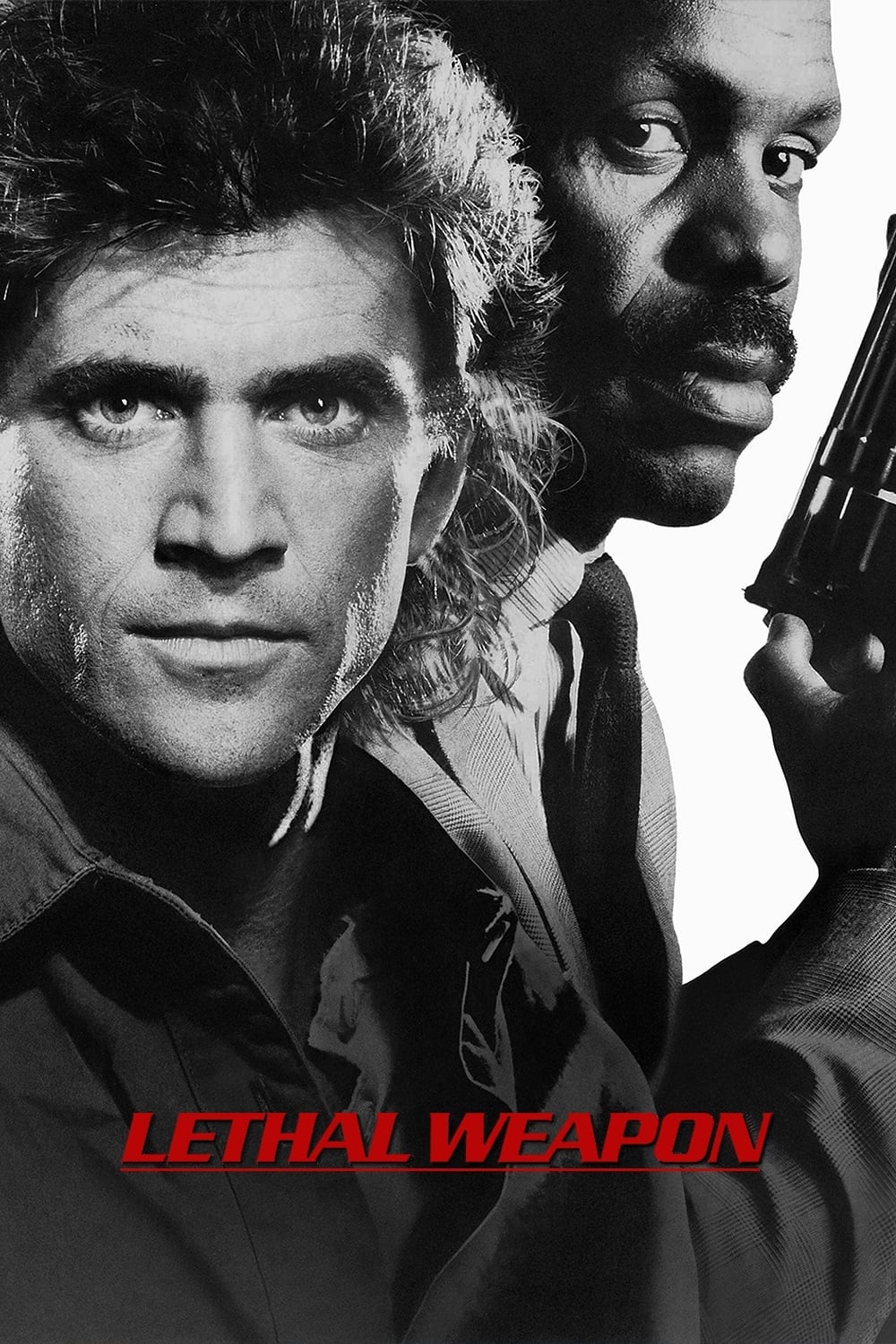
Riggs's escape through the strip-club and 101 freeway shootout; Hunsaker's killing and the helicopter shootout
In the discussion (16)
- The Christmas-tree drug bust opens the list, with the 'this is a real fucking gun' badge exchange called amazing.
- Two scenes establish Riggs, whose introduction has him swallowing cocaine off a switchblade; the Christmas element is called bigger here than in Die Hard. — Chris Ryan
- Riggs's Three Stooges bit and cocaine use flip the usual cop-movie arc; his 'shoot him' standoff before turning it on the dealer is called brilliant. — Chris Ryan
- The handcuff jump with the jumper is next: it has no plot need but proves how crazy Riggs is and poses whether he is chasing a psycho pension or truly suicidal. — Bill Simmons
- Viewers forget the jump is coming, jumps onto the big inflatable cushion are always great, and the cushion is never shown being set up. — Chris Ryan
- The jumper is wished to have been a known actor, like Ellis from Die Hard. — Bill Simmons
- The post-dinner talk in a boat parked in the driveway is the chemistry scene that shows why the movie works. — Bill Simmons
- The desert exchange feels Joel Silver-ish; its location (White Sands or the Mojave) is a drive of hours from downtown L.A., and one host had it in nitpicks; Riggs's sniper work there is enjoyed despite 1987 communication limits. — Bill Simmons
- Riggs's escape through the strip-joint and 101 freeway shootout is called 11 incredible nonstop minutes; the torture scene with Busey is 'all of the 80s in one room'. — Bill Simmons
- The strip-club shooting reflects a rough decade for pedestrians in action movies, and the 101 shootout is underrated; taking over that stretch of freeway is marvelled at. — Bill Simmons
- Riggs is judged faster than 1986 Cruise in a sprint and barefoot for the last half hour without the problems of Die Hard's hero; Robert Patrick in Terminator 2 tops the running hierarchy. — Bill Simmons
- The front-yard fight ('would you like a shot at the title?') is a favorite despite the many implied violations; research says four more minutes of the fight were cut. — Bill Simmons
- It ends with the 80s trope of the villain getting up to be shot one last time; Joshua winning then would have topped the 2004 Red Sox comeback. — Bill Simmons
- Final pick: everything from Riggs's escape through the 101 shootout. — Bill Simmons
- The other pick is Hunsaker's killing and the helicopter shootout, with Riggs emptying two clips toward the ocean; Shane Black redid it in Iron Man 3, and Hunsaker is shot through the eggnog. — Chris Ryan
- The cliffside helicopter pullback is praised; Palos Verdes is the location guess, and a mid-80s run of helicopter stunts (Airwolf, Blue Thunder) is recalled. — Bill Simmons
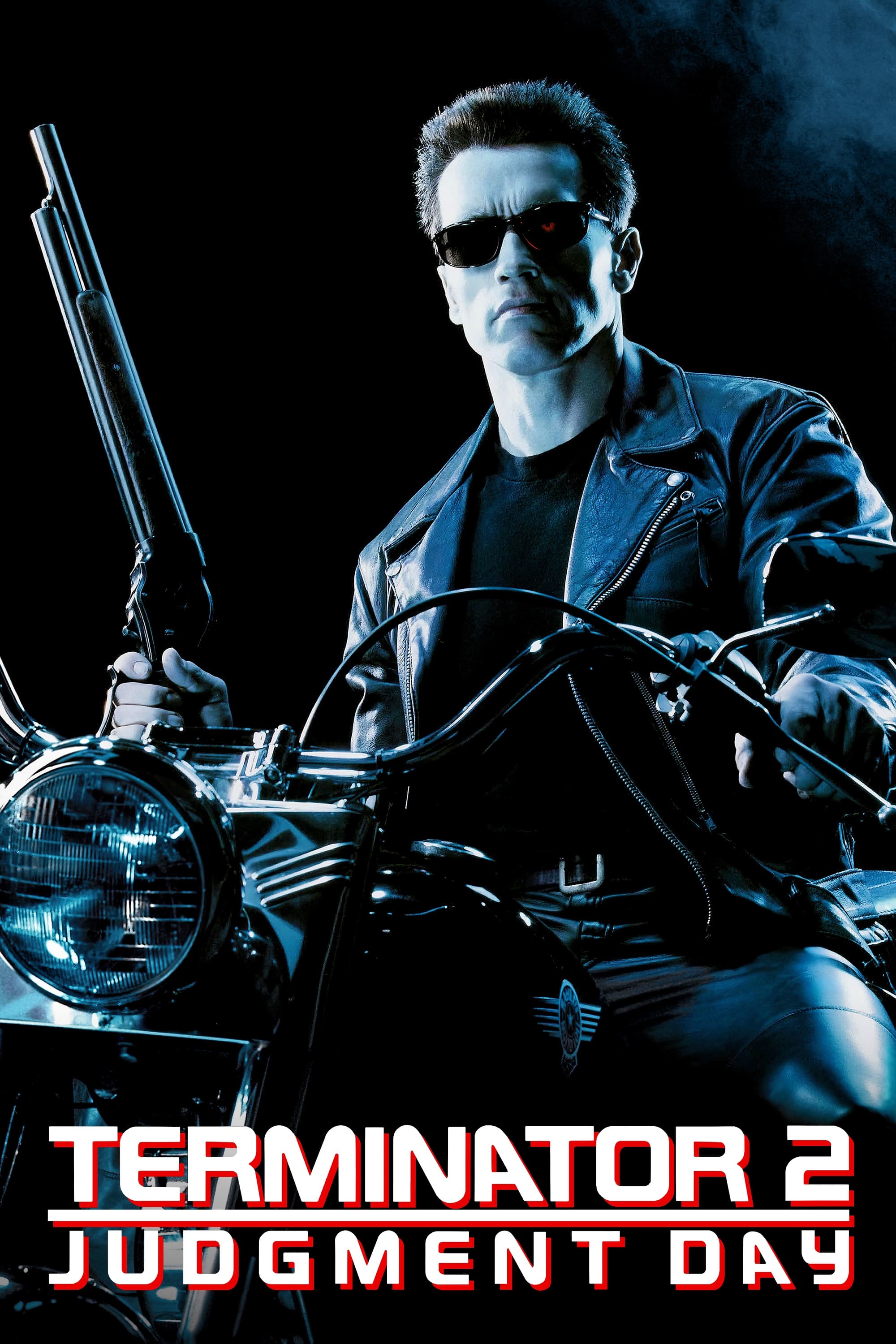

Apex Mountain
Arnold Schwarzenegger; Linda Hamilton; Edward Furlong; Robert Patrick; Robert Patrick's running; insane asylums; summer blockbusters as an event; Terminator franchise
In the discussion (12)
- Arnold Schwarzenegger is a yes, with agreement: after four straight hits and this, he could have been believed in anything, even as governor. — Bill Simmons
- A son remarked while watching that Schwarzenegger was the best bodybuilder, a big movie star and then governor. — Bill Simmons
- Linda Hamilton, Furlong, Robert Patrick and Robert Patrick's running are all yeses. — Bill Simmons
- James Cameron is a no because his peak is still Titanic; Avatar is offered only to be contrary. — Bill Simmons
- 1991 is an insane-asylum year with this and Silence of the Lambs, taking the title from One Flew Over the Cuckoo's Nest. — Bill Simmons
- Chin-ups are raised with Cape Fear from the same year; the answer is ambiguous. — Bill Simmons
- No actor has sprinted better; Cruise runs in every movie but never did it like this. — Bill Simmons
- Pre-CGI sci-fi is a no, with Aliens and Star Wars ahead. — Bill Simmons
- Arcades may peak here after Tron and The Last Starfighter, the last time one worked in a movie, offered with 'I guess'.
- One-liners get a maybe, with The Matrix's 'I know Kung Fu' as a rival. — Van Lathan
- This is Apex Mountain for summer blockbusters as an event; Speed as the first intentional summer blockbuster and Jaws as the unintentional first are debated, and T2 with Jurassic Park is the first movie onslaught of film plus prepackaged promotion. — Bill Simmons
- T2 is also Apex Mountain for the Terminator franchise, since later time-travel sequels got convoluted and reboots never got back there.

In the discussion (2)
- Robert Patrick is considered, but he is in the movie too much and is ruled ineligible, so it goes to Joe Morton. — Bill Simmons
- Morton moves from vulnerability to part of the tactical team, and bringing 'friends from out of town' into Cyberdyne at night is a highlight. — Bill Simmons
What’s Aged the Best?
Liquid-metal T-1000; hidden good-guy twist; Robert Patrick; cutting the Cyberdyne plot from Terminator 1; catchphrases; "It's in your nature to destroy yourself"; rat-boy John Connor; police as villains
In the discussion (17)
- The idea of an improved Terminator 2.0 made of liquid is fantastic. — Van Lathan
- Hiding that Schwarzenegger was the good guy during the run-up to the movie aged well. — Van Lathan
- Young Robert Patrick running and quickly murdering people with metal hands is a three-way tie for aged best. — Van Lathan
- Would Usain Bolt beat Robert Patrick? Why didn't the T-1000 morph into a sprinter like Michael Johnson or Carl Lewis? — Van Lathan
- Patrick reportedly took sprinting technique so seriously that he was catching the motor scooter and was told to slow down. — Bill Simmons
- Robert Patrick is certainly one of the great movie athletes. — Chris Ryan
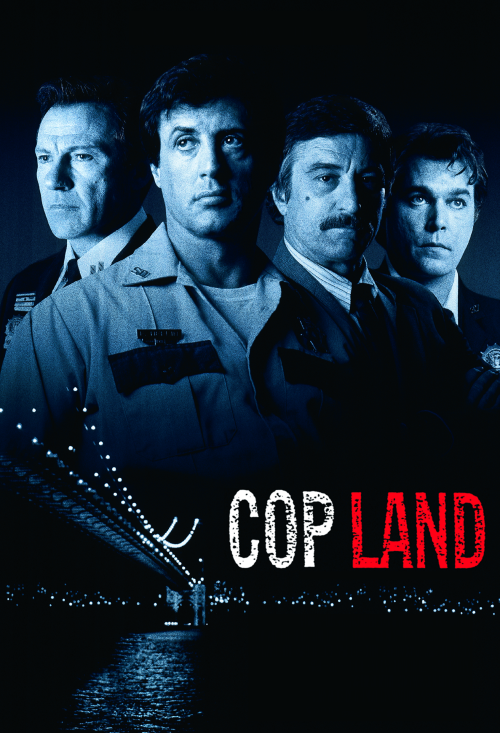
- Patrick's later career (Cop Land, a key Sopranos role, action films) looked like an effort to escape the Terminator image; he reprised the role for one scene in Last Action Hero. — Bill Simmons
- Teaching Arnold slang ('no problemo', 'hasta la vista, baby', 'chill out, dickwad') is a borderline rewatchable scene that shouldn't work but does. — Bill Simmons
- This is one of the only movies helped by narration; narration usually signals script trouble, but her voice works here. — Bill Simmons
- The narration is great and ties to the alternate ending. — Bill Simmons
- Narration usually sucks but works when sparse, as in Stand by Me, Shawshank and Goodfellas. — Van Lathan
- Destroying Cyberdyne was an idea cut from the first Terminator and left in its deleted scenes; Cameron banked it as the nucleus of T2, making that cut an aged-best decision. — Bill Simmons
- 'Hasta la vista, baby' and 'I'll be back' became iconic pop-culture lines repeated even by a mother at the shopping cart.
- The last aged-best pick is the Terminator coldly telling John 'it's in your nature to destroy yourself'. — Van Lathan
- The line hit close to home and made the movie a tough watch for a self-described neurotic, anxious Van; his father would side with the Terminator ('nah, he right'). — Van Lathan
- Rat-boy John Connor, with the Public Enemy shirt, motocross bike, arcade scams and foster-parent friction, is a great conception of the future resistance leader; finding Furlong outside the Pasadena boys club was one in a million. — Bill Simmons
- The police as the bad guys aged best: the film has a healthy skepticism about the police, and it flipped the heroic-cop mentality of Colors from two years earlier.

Most Rewatchable Scene
The farmhouse sequence (one final choice)
In the discussion (17)
- The opening fishing-boat rescue throws the audience directly into the mystery, with bullets and a bank-account projector removed from Bourne's body. — Bill Simmons
- Bourne opening the Swiss security-deposit box works because its passports, money, and weapon reveal a past he cannot remember. — Bill Simmons
- The embassy escape is separated as its own scene because Bourne's training emerges through purposeful movement and improvised problem solving. — Chris Ryan
- Matt Damon reportedly performed the embassy wall climb himself without a stunt double. — Chris Ryan
- The diner scene communicates Bourne's skills through the exits, license plates, left-handed waitress, dangerous customer, and possible gun location.
- Marie and Bourne develop a connection without a conventional exchange of personal backstory. — Chris Ryan
- The apartment attack has a strong jump scare when Castel enters through the window. — Chris Ryan
- Castel's relentless movement is compared with Robert Patrick in Terminator 2. — Chris Ryan
- The Paris car chase uses the small car, narrow streets, breaking glass, and a motorcycle jump to hit classic chase beats. — Chris Ryan
- The field confrontation with Clive Owen is one participant's favorite because the waist-high camera and sparse dialogue create intimacy and tension. — Chris Ryan
- The bloody dog never missing breakfast tells Bourne something is wrong, so he orders everyone into the basement.
- The scene carries an emotional beat before the action when Bourne orders the family into the basement. — Bill Simmons
- Instead of a long final-boss fight, Bourne outmaneuvers and quickly defeats the other assassin with a farmhouse shotgun. — Chris Ryan
- Clive Owen's brief dying exchange reveals the cost of the assassins' conditioning.
- Bourne's confrontation with Conklin is praised for declaring Jason Bourne dead and threatening an immediate response if pursued.
- The stairwell escape ends with Bourne shooting downward while falling on another body, a heightened moment the panel still enjoys. — Chris Ryan
- The farmhouse sequence is the final stated choice because it is offbeat, practical, and central to Bourne and Marie's relationship. — Chris Ryan



