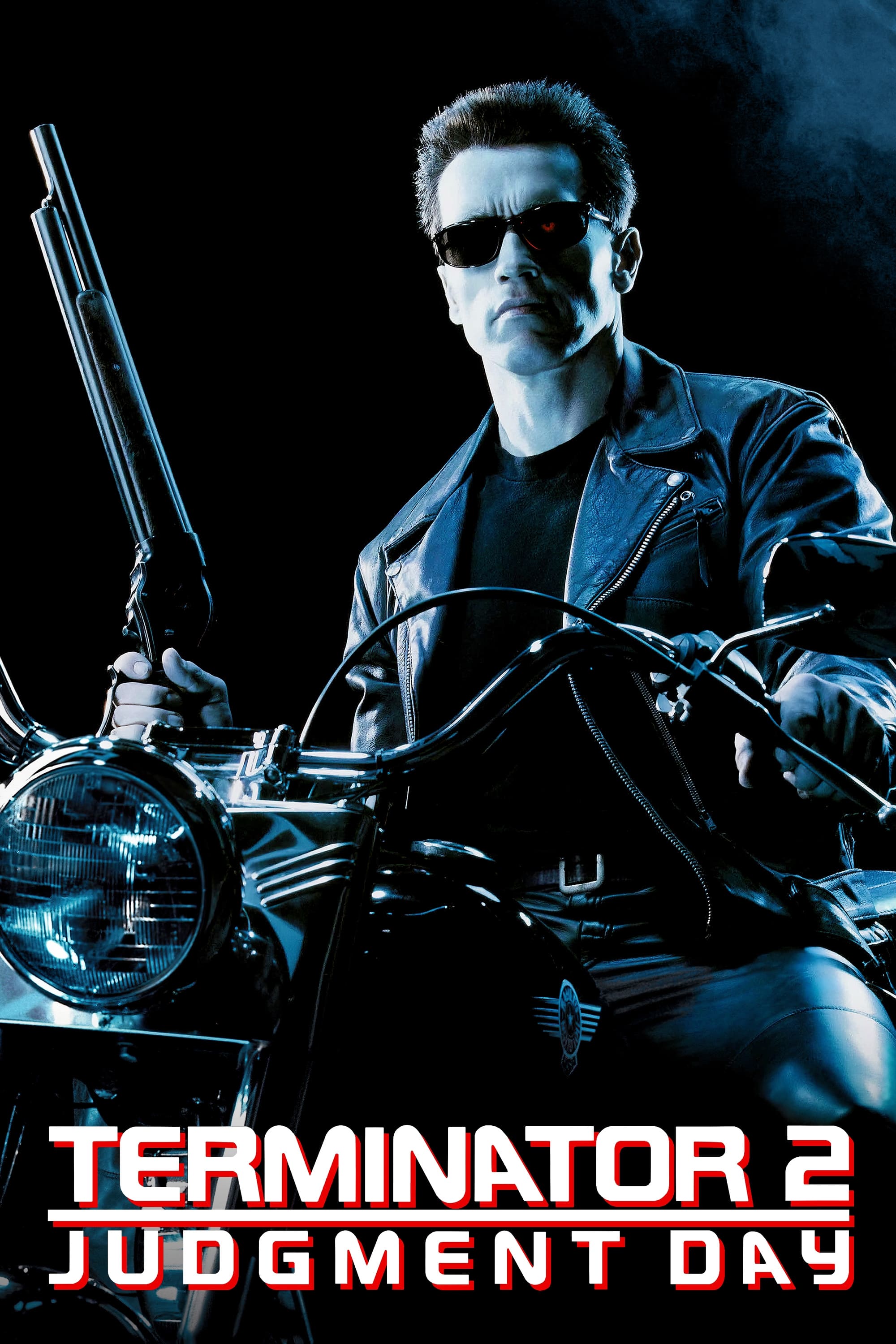
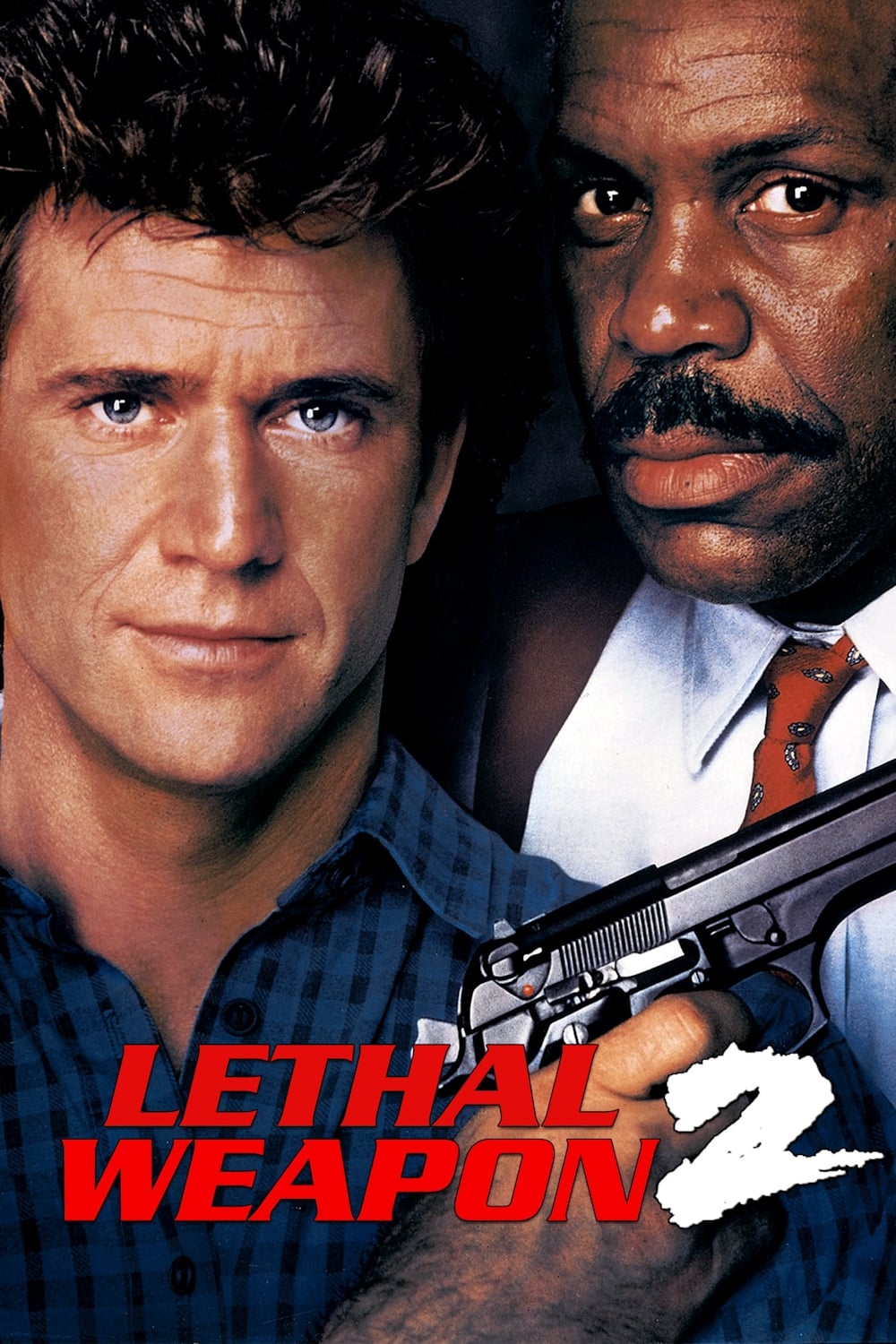
James Cameron is a no because his peak is still Titanic; Avatar is offered only to be contrary.
1991 is an insane-asylum year with this and Silence of the Lambs, taking the title from One Flew Over the Cuckoo's Nest.
Chin-ups are raised with Cape Fear from the same year; the answer is ambiguous.
No actor has sprinted better; Cruise runs in every movie but never did it like this.
Pre-CGI sci-fi is a no, with Aliens and Star Wars ahead.
Arcades may peak here after Tron and The Last Starfighter, the last time one worked in a movie, offered with 'I guess'.
One-liners get a maybe, with The Matrix's 'I know Kung Fu' as a rival.
This is Apex Mountain for summer blockbusters as an event; Speed as the first intentional summer blockbuster and Jaws as the unintentional first are debated, and T2 with Jurassic Park is the first movie onslaught of film plus prepackaged promotion.
T2 is also Apex Mountain for the Terminator franchise, since later time-travel sequels got convoluted and reboots never got back there.
Furlong's performance is an uneven basketball box score, with a few threes, turnovers and LaMelo-like flashes, occasionally delivering a great pocket pass.
Furlong gives glimpses of what could have been one of the best if the consistency held, but creatively and personally could not get out of his own way. — Van Lathan
Two years earlier Leo from Growing Pains could have played John and taken it to another level; around 1985, River Phoenix or Christian Slater. Furlong was about 13 playing 10 and does not hurt the movie.
The Arnold-is-the-good-guy reveal aged worst in that nobody remembers how huge it was; nephews are instead surprised Arnold is the villain in the first film.
The 'why do you cry' exchange is corny and would have been cut despite its later payoff.
Furlong aged during the shoot: his voice broke and a growth spurt forced reshoots, looping, and standing in a hole to keep his height below Linda Hamilton's.
Little else aged badly; the movie is called pretty flawless and the others have nothing to add.
Naked Arnold walking into the biker bar ('I need your clothes, your boots and your motorcycle' / 'You forgot to say please') is one of the great character intros; the bar fight could have run another minute.
Caught on TV during a soccer trip to Arizona: the stretch from John in the arcade as the T-1000 closes in, through the Galleria hallway shootout, the bike chase, the truck and Arnold's one-handed reload on the motorcycle, is called one of the most thrilling 20-minute sequences in movie history.
Audiences assumed Arnold was the villain; a final trailer reportedly hinted he was back for good, but in the theater it was a shock that he was the good guy.
A sister murmured in the theater about why they were making the supposed bad guy look cool with the glasses.
The Henry lever-action .410 was bought because of the movie ('That's how we do in Louisiana') and used to hunt about a hundred rabbits.
Nothing in Cameron's script is wasted: John's bank-machine hacking pays off at Cyberdyne and his video-game skill foreshadows leading the resistance.
The thermonuclear nightmare is called maybe the least rewatchable scene ever: for an 11-year-old when nuclear fear was real it was the most terrifying depiction on film, yet it was rewatched five times the night before.
Rewatching with a son who had just seen Terminator 1, the twist that Arnold is the protector landed as a fun reveal.
Springing Sarah from the asylum has many great moments: the T-1000 rising from the floor pattern and imitating a guard, Sarah's revenge on the orderly who licked her, 'Come with me if you want to live', the T-1000 walking through the bars as the theater screamed, and the puddle re-forming into his body.
The T-1000 has no Achilles heel; they waste ammunition just to slow him down, and had he been built faster rather than liquid, with a jet pack or teleporting, there would be no movie.
The attack in Joe Morton's house is called the single most frightening home-invasion scene of all time, so harrowing it almost crosses a line; after it Sarah is no longer the hero and emotions shift to Furlong and Schwarzenegger.
John shows leadership throughout: rescuing his mother against her orders, refusing to kill Dyson ('that's not what we do'), and getting Dyson's son out of the room; the film is about John becoming the resistance leader.
The scene where Joe Morton dies, holding the detonator, is one of the most memorable moments; the film has three of the best action scenes in any movie, with helicopter, motorcycle and big-rig stunts never tried before.
Seen at a Baton Rouge mall theater, the audience knew Joe Morton was not going to survive the moment he appeared, and he 'went out like a G'.
The liquid nitrogen truck explosion is a quick pick; shooting the frozen T-1000 was a huge mistake that let him reboot.
Arnold's death ('I know now why you cry, but it's something I can never do') should be corny but is choking.
The Galleria plus the LA river chase is chosen as among the most rewatchable scenes in action-movie history; big TVs reveal the stunt double on the bike, which is preferred to CGI. — Chris Ryan
Arnold reportedly worked about a month on the one-handed reload and once accidentally gave Edward Furlong a mild concussion; actors throwing themselves into meaningless skills is a Rewatchables theme.
Cameron keeps the geography clear, from the asylum layout to the truck landing in the bike chase, making it experience rather than spectacle; an obvious dummy on the car outside the hospital doesn't matter because the viewer is in the scene.