Film credit
John Amos
Stats
- Episodes featuring their films
- 2
- Movies in this archive
- 2
Episodes featuring John Amos’s films
The Rewatchables
Mentioned in discussions


Casting What-Ifs
Joe Frazier and Ernie Shavers were considered for Clubber; Billy Graham for Thunderlips; Morgan Freeman for Clubber’s trainer; and several actors or wrestlers are proposed as alternatives.
This discussion recalls a choice from an earlier episode.
In the discussion (6)
- Joe Frazier and Ernie Shavers were considered for Clubber, but a stutter and a high voice were seen as liabilities. — Bill Simmons
- Mr. T was discovered through America’s Best Bouncer. — Bill Simmons
- Superstar Billy Graham was considered too old for Thunderlips. — Bill Simmons
- Morgan Freeman unsuccessfully auditioned to be Clubber’s trainer.
- John Amos is considered as a known actor alternative, though his age and familiarity would reduce Clubber’s mystery. — Cousin Sal
- Andre, Ernie Ladd, Big John Stud, Bundy, and Paul Orndorf are discussed as wrestling alternatives for Thunderlips.
Picking Nits
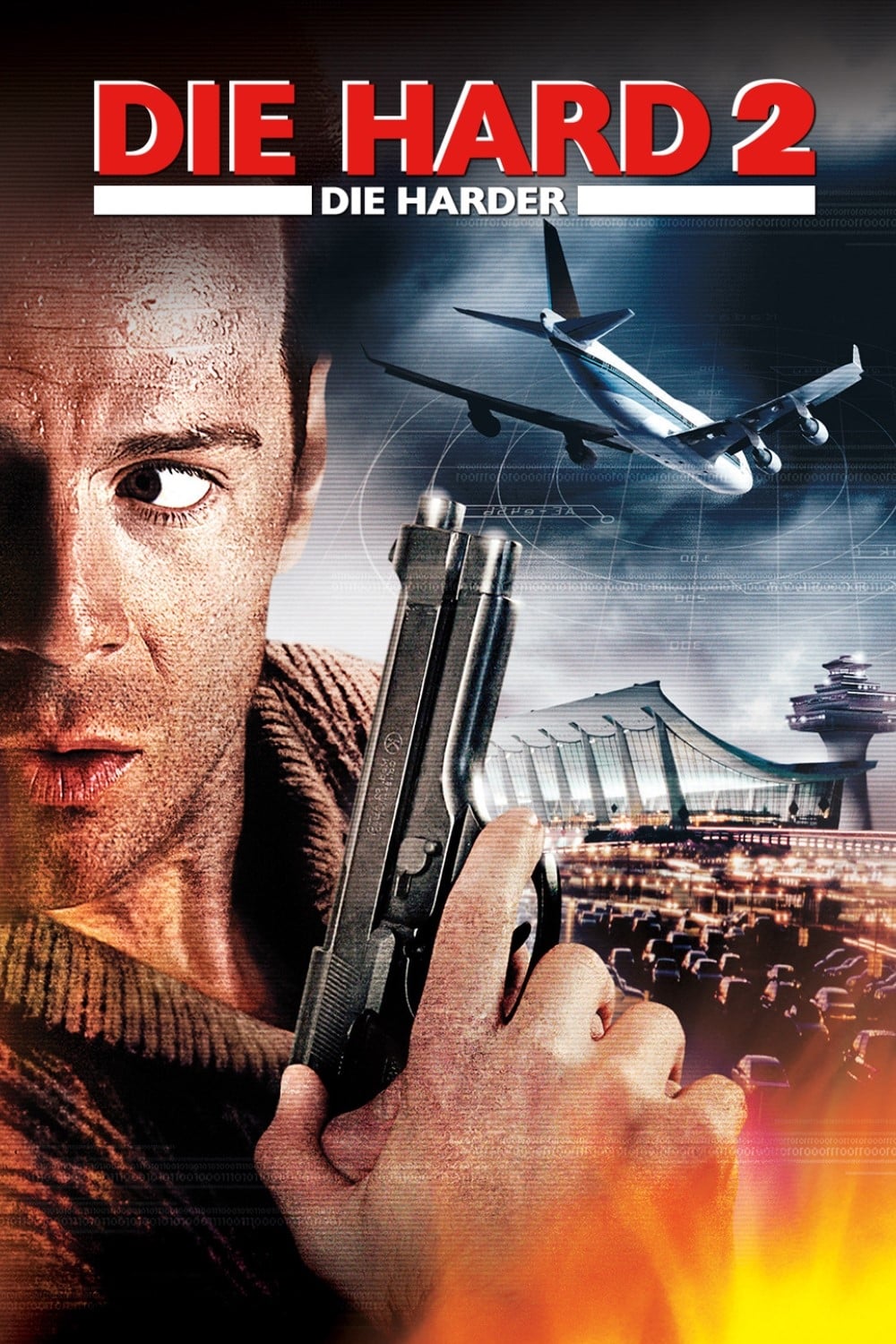
Confusing plot and villain motives; faxed fingerprints; glide-slope sabotage; uncharismatic Esperanza; no diversions to other airports; non-igniting jet fuel; villains' escape plan; blanks fired in an office; double agents on the detail
In the discussion (10)
- Faxing fingerprints from a corpse is questioned as flawed 1990 technology. — Chris Ryan
- The plot is found confusing; Wikipedia's synopsis of Esperanza's extradition and Stuart's sympathizers raises the question of why anyone would kill hundreds for him. — Bill Simmons
- Only two Justice Department officials meet the plane even though cable news covers the extradition constantly; who pays the villains, the anti-communist explanation, the extradition treaty and the destination all remain murky.
- Internet sources say changing the glide-slope value would not crash a plane because instruments have safeguards. — Bill Simmons
- Esperanza lacks the charisma of Rickman or Jeremy Irons, and splitting villainy among Sadler, Nero and Amos causes overload. — Bill Simmons
- Circling planes are not diverted to nearby airports such as Baltimore or Philadelphia; the Christmas-week crowds are questioned. — Bill Simmons
- Nobody recognizes McClane, and online sources say jet fuel at that temperature would not ignite from a thrown lighter. — Bill Simmons
- Had McClane not ignited their plane, what was the villains' plan: would military planes not shoot them down, and did they really expect to retire to the tropics?
- McClane proves the guns hold blanks by firing a clip at Lorenzo in an office full of armed people. — Chris Ryan
- How John Amos's team of double agents got assigned to Dulles, and why the one loyal soldier was brought along only to be killed, go unexplained. — Sean Fennessey

Apex Mountain
Die Hard 2 for Renny Harlin; Oliver North-style villains; evil John Amos; Bruce Willis's pre-thinning hair; Bonnie Bedelia; icicle eye stabbings; public airphones
In the discussion (9)
- The segment opens with a death-toll question: the internet says 114, though the crashed flight alone seemed to hold about 200. — Chris Ryan
- Valverde appears in both films, but Commando remains its apex because that movie actually goes there.
- An apex case for Willis rests on this film outgrossing the first, but the earlier Die Hard verdict is unresolved; he spent the capital on risks such as Bonfire of the Vanities, Hudson Hawk, Billy Bathgate, Mortal Thoughts and Last Boy Scout.
- Snowmobile chases are raised, with The Living Daylights and Inception offered as rivals; for Franz, NYPD Blue has to be the apex.
- For Harlin, The Long Kiss Goodnight is the favorite, but this, his most successful film, is his apex; Deep Blue Sea may be what he is best known for, Cliffhanger is loved, and Cutthroat Island pulled him down.
- More apex picks: Oliver North-style villains, evil John Amos, Willis's pre-thinning hair, and Bonnie Bedelia at her 1990 peak with this and Presumed Innocent; airport-set movies come down to this or Airplane. — Bill Simmons
- Icicle eye stabbings get a yes, but Single White Female keeps the top eye stabbing; X is mentioned as a current horror film with a notable one.
- Two late additions: public airphones, and the debate over whether Sadler's fully nude tai chi tops Swayze's half-nude tai chi in Roadhouse, left unsettled. — Chris Ryan
- Die Hard 2 may have invented the recreational taser, but The Hangover, or possibly Jackass, is its apex. — Bill Simmons
Half-Assed Internet Research
First digital composite with matte painting; Black & Decker lawsuit; reduced Leguizamo role; Amos-Willis tension; wet prints; Valverde shared with Commando
In the discussion (6)
- It was the first film to digitally composite live-action footage with a scanned matte painting, used for the final runway scene. — Bill Simmons
- Black & Decker paid for a cordless-drill placement in a Willis scene, sued Fox for $150,000 when it was cut, and settled out of court. — Bill Simmons
- Leguizamo's autobiography says his role was meant to be bigger until the filmmakers realized how short he was. — Bill Simmons
- John Amos described real tension with Willis during filming and said Willis would never humiliate him in public again; he is compared with an old wrestler airing grievances. — Bill Simmons
- The film was finished so late that it shipped to theaters as a wet print, a phrase proposed as a band or pod name. — Bill Simmons
- Esperanza is a general from Valverde, the same fictional country as Commando, prompting a mock announcement of a Valverde drug-war book. — Chris Ryan

The Dion Waiters Award for Best Heat Check Performance
TV news producer; John Amos
In the discussion (2)
- The TV news producer who takes an enormous drag on a cigarette and gives affiliates three minutes to join the live coverage is nominated. — Chris Ryan
- John Amos is also named, with praise for seeing James Evans again, but further comments are saved for Picking Nits. — Bill Simmons

Most Rewatchable Scene
Baggage-area fight; first McClane-Lorenzo meeting; painters shootout and ramp standoff; ejection and parachute escape; runway fight and fuel-trail landing
In the discussion (9)
- First listed: McClane fighting two men in a restricted baggage area, with Vondie Curtis Hall; the cluttered, climbable set is praised and the airport raised as a possible Apex Mountain for airport movies, though it was not actually shot at Dulles. — Bill Simmons
- The first McClane-Lorenzo meeting is quoted, with both actors bringing it; it sets up the trope of an official who is unimpressed by a proven hero, riffed on through an imagined Sully Sullenberger being brushed off.
- The metal-detector insult to Carmine is noted as a likely ad-lib whose joke nobody fully understands. — Bill Simmons
- The paintball-style shootout, with sinister painters (including Robert Patrick) ignored by the airport SWAT team, and the suspenseful moving-ramp standoff are nominated. — Bill Simmons
- The plane crash is called the craziest and most horrifying scene in action-movie history; with some 220 deaths quickly moved past, it is judged memorable rather than rewatchable. — Bill Simmons
- After 9/11 such a scene would never be made; the movie is one of the most violent mainstream films, mixing sight gags with a British plane crash that kills about 200 people, after which everyone at Dulles keeps drinking and waiting, and making the passengers unlikable British travelers is called a weird choice.
- McClane pushing the crate, taking on Esperanza on the transport plane and ejecting leads to a shot of him parachuting at the camera, called one of the better action-movie shots, though the villains oddly fail to finish him. — Bill Simmons
- The final fight with John Amos and Stuart ends with the plane blown up on an improbably long runway and controllers using the fire trail to guide landing planes. — Bill Simmons
- Additional favorites: the news helicopter pilot saying he is crazy but not that crazy, repeated blueprint-reading scenes with Art Evans, and the William Atherton-Bonnie Bedelia first-class feud. — Sean Fennessey

What Piece of Memorabilia Would You Want From This Movie?
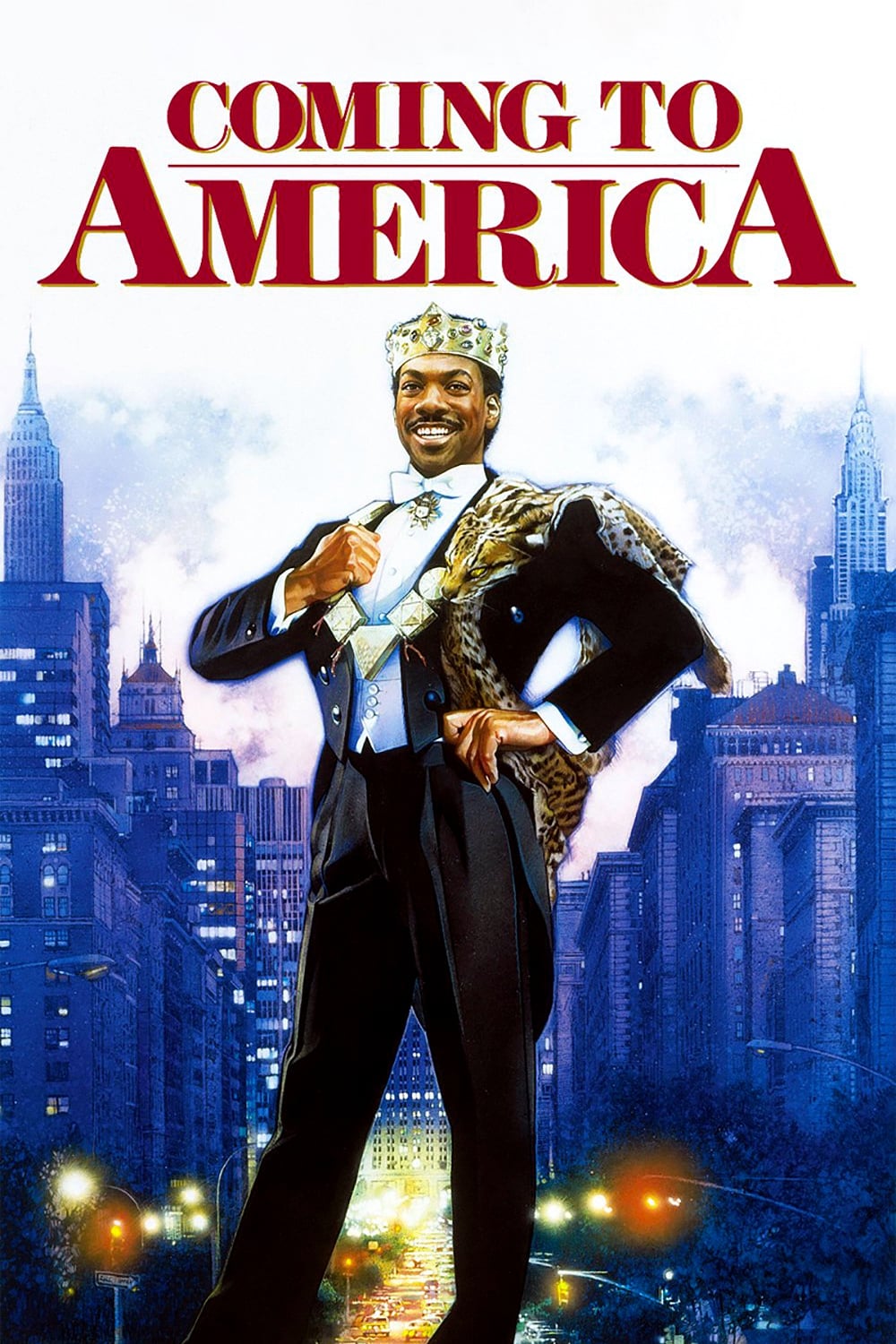
McDowell's cheeseburger phone; gold hair dryer; toothbrush suitcase; Eric LaSalle's sunglasses; Akeem's necklace
In the discussion (3)
- The McDowell's cheeseburger phone John Amos uses would be bought on eBay right away. — Bill Simmons
- The gold hair dryer and the suitcase full of toothbrushes are wanted. — Van Lathan
- Eric LaSalle's sunglasses and Akeem's necklace with red threads between the blocks are also named. — Wesley Morris

What’s Aged the Worst?
117-minute runtime; John Amos's once-major presence; Darryl bragging about St. John's tickets; the name Semmi; John Landis's next films; missing hit soundtrack
In the discussion (15)
- At 117 minutes it is too long; about 105 would be ideal, cutting the first 20 minutes to get to New York. — Bill Simmons
- John Amos being in the movie was a big deal in 1988 that is hard to explain 33 years later, like other TV dads such as Robert Reed. — Bill Simmons
- Darryl being excited and bragging about four tickets to a St. John's game has aged poorly. — Bill Simmons
- Arsenio's character is named Semmi, like a Celtic (ASR "shemiochile") blamed for the team being 13-13 as they tape. — Bill Simmons
- Soul Glo hurt Eric LaSalle's career until ER; a counterpoint says he made good there, and Shari Headley didn't get enough work afterward.
- LaSalle is outrageously handsome even under the curl, unlike Eddie, whose stardom never relied on looks. — Wesley Morris
- The bearded O.J. Simpson in Buffalo around 1975 as the most handsome man who ever lived is reaffirmed. — Bill Simmons
- John Landis's next films after this: Oscar, Innocent Blood and Beverly Hills Cop 3, which is called terrible.
- Beverly Hills Cop 3 was the first movie one participant ever walked out of. — Van Lathan
- Eddie doing a third Beverly Hills Cop felt sad; it became almost a Disney film.
- Rewatching Cop 3 on cable confirmed it was bad; after it Landis made The Stupids, Blues Brothers 2000 and Susan's Plan. — Bill Simmons
- The System's end-credits theme song is called aged worst; others object, calling it a jam played on BET. — Bill Simmons
- The song wasn't a hit because it wasn't that good. — Bill Simmons
- The soundtrack is a missed opportunity: the only song heard in full is The Greatest Love of All, with no Janet Jackson or Paula Abdul, while other movies had big soundtracks like the Pointer Sisters.
- Nile Rodgers did the music and Michael Jackson, his friend, is nowhere on it; "It's a miss."

What’s Aged the Best?
Mortimer and Randolph crossover; barbershop Joe Louis bit; Darryl and Soul Glo; "The royal penis is clean"; McDowell's versus McDonald's; Louie Anderson's cameo; Eddie's Jewish comedian makeup; engagement-announcement trope; the women in the cast; the Waldorf Astoria; Queens and New York as themselves
In the discussion (14)
- Mortimer and Randolph crossing over is mentioned again, along with the barbershop bit about Joe Louis's age and Frank Sinatra saying he was 137.
- A barbershop take starts with Kobe being better than Jordan and escalates; the lines are sneaky funny and well written. — Van Lathan
- As personal trauma, avoiding barbershops where the average age is 75 after bad shape-ups. — Wesley Morris
- Darryl and Soul Glo helped end the Jheri curl, making it mainstream to mock; West Coast rap briefly kept curls and N.W.A was the last gasp.
- The Soul Glo commercial is a tour de force that feels like real TV, one of the funniest, most devastating Black culture jokes. — Wesley Morris
- "The royal penis is clean, your highness" always kills. — Bill Simmons
- John Amos explaining the difference between McDowell's and McDonald's is enjoyed. — Bill Simmons
- Louie Anderson's McDowell's monologue gained a second life through Kanye West's Gold Digger. — Bill Simmons
- It was reportedly Landis's idea for Eddie to play the Jewish comedian, and visiting Paramount executives didn't recognize him in the makeup. — Bill Simmons
- The 80s-90s trope of a father announcing his daughter's engagement to an annoying boyfriend without her knowing is a favorite gimmick. — Bill Simmons
- Every Black woman in the movie has aged well, including Vanessa Bell Calloway, Garcelle Beauvais, Shari Headley and Madge Sinclair. — Wesley Morris
- Jody Watley's sister, who went by Midori, plays one of the rose bearers. — Van Lathan
- The Waldorf Astoria became the benchmark for an amazing hotel; the Plaza plays that role through Home Alone.
- Queens and New York look like themselves, without the snow plowed for the king's arrival. — Wesley Morris
Most Rewatchable Scene
Black Awareness Week with Randy Watson; St. John's game bathroom recognition; plot-resolution party scene; barbershop scenes
In the discussion (21)
- The opening with Akeem waking up is floated as a pick; it is rewatchable but too long, since he barely reaches America 40 minutes in.
- First pick: the presentation of the future queen, lavish and well executed, with James Earl Jones's line about having sex with the bathers. — Bill Simmons
- The Zamunda sequence uses the old Hollywood trick of a lavish set piece, with elephants wandering past windows and 400 costumed people, compared with Cabin in the Sky. — Wesley Morris
- The first nightclub scene is cleverly edited, with a string of women and ending with Arsenio in drag. — Bill Simmons
- Invited to make a veiled joke, the reply notes this is the fourth Eddie Murphy conversation and riffs "Eddie, you talking to us." — Wesley Morris
- The nightclub scene is blocked as shot-reverse-shot, but for Arsenio's turn Eddie sits beside him, so Arsenio is essentially reacting to himself. — Wesley Morris
- The nightclub premise of judging which woman is good enough may belong in What's Aged the Worst; some moments are "definitely 1988". — Van Lathan
- Black Awareness Week, called "probably going to be my winner", features Arsenio's reverend and Randy Watson with Sexual Chocolate to tepid applause; the makeup hides Eddie for about 40 seconds, in six great minutes. — Bill Simmons
- The scene rings true to community events in Baton Rouge, at the Leo Butler Community Center, where a tired local celebrity always performs. — Van Lathan
- Another had a version at Fairmont Park; the name Black Awareness Week is the canned-peas version, and the crowd's reaction to Randy Watson is captured perfectly.
- Randy Watson sings The Greatest Love of All rather than Super Freak, a song sung at every graduation; without Whitney Houston you hear how mediocre it is.
- The St. John's game brings back the 80s Big East; the bathroom recognition is called one participant's favorite scene and another's second favorite.
- The bathroom scene is moving: a Black man seeing a Black person who means something deep to him in a common space; truly touching rather than funny. — Wesley Morris
- Akeem's first date with Lisa brings the cross-movie cameo of Mortimer and Randolph from Trading Places as homeless men, a huge theater surprise. — Bill Simmons
- A dad expected the Dukes to take the money and come back; a movie of that was expected but never came. — Van Lathan
- The dad-versus-dad clash between John Amos and James Earl Jones, with "I'm going to put my foot in your royal ass", is really good. — Bill Simmons
- The barbershop scenes are held for What's Aged the Best because they are short. — Bill Simmons
- The scene where all the characters come together to straighten out the plot is fine but a little long. — Bill Simmons
- That plot-resolution scene is called a favorite: a party sequence with deep depth of field and stakes, plus a living-room farce where misunderstandings get ironed out like a Three's Company ending, with Amos, Madge Sinclair and James Earl Jones on different sides. — Wesley Morris
- The barbershop scenes are the pick: so short that they're so rewatchable, arguing over the same things people argue about in the barbershop. — Van Lathan
- In reply, the barbershop scenes, earlier held for What's Aged the Best, are accepted as collectively the most rewatchable scene; a YouTube clip strings them all together like its own movie. — Bill Simmons