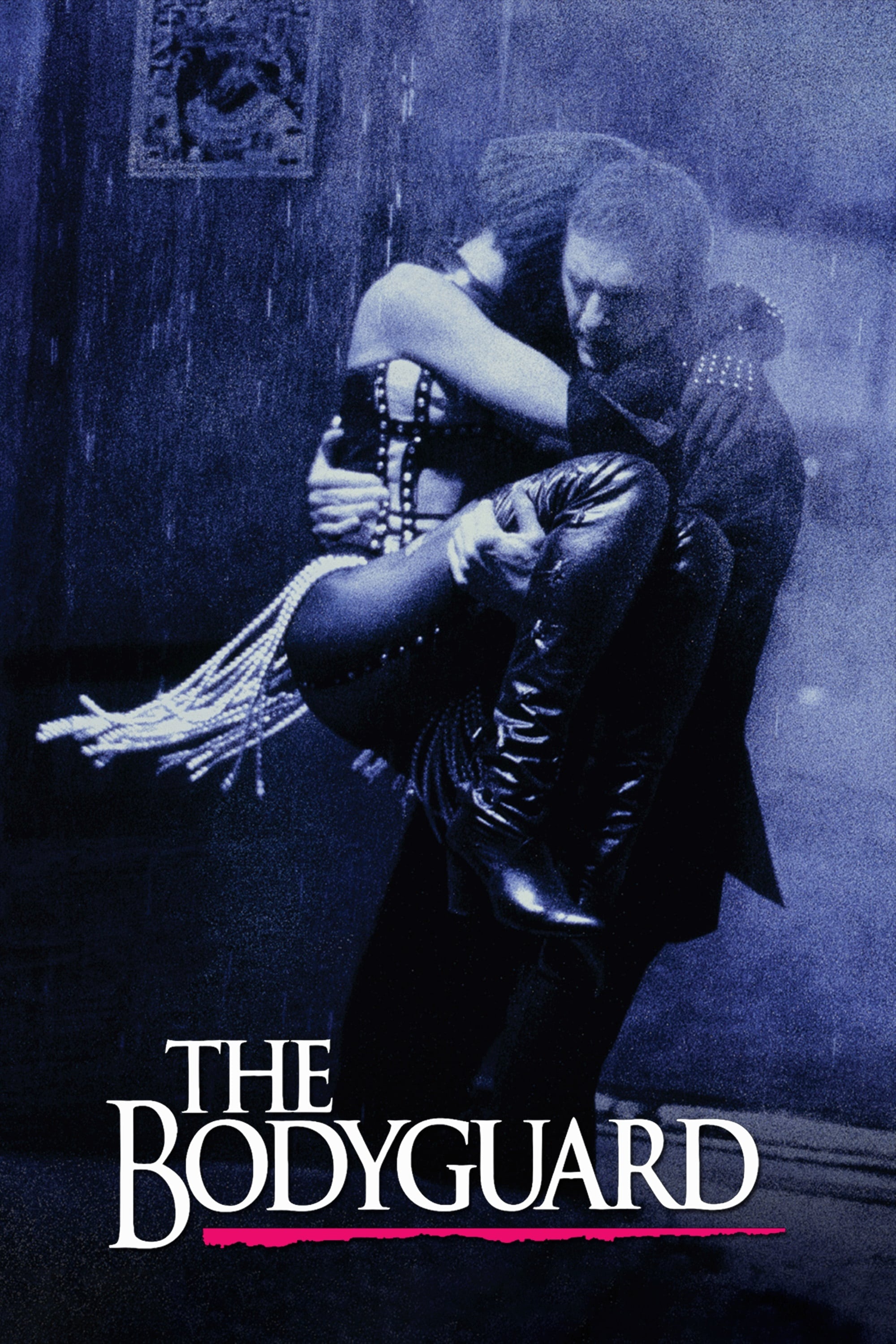
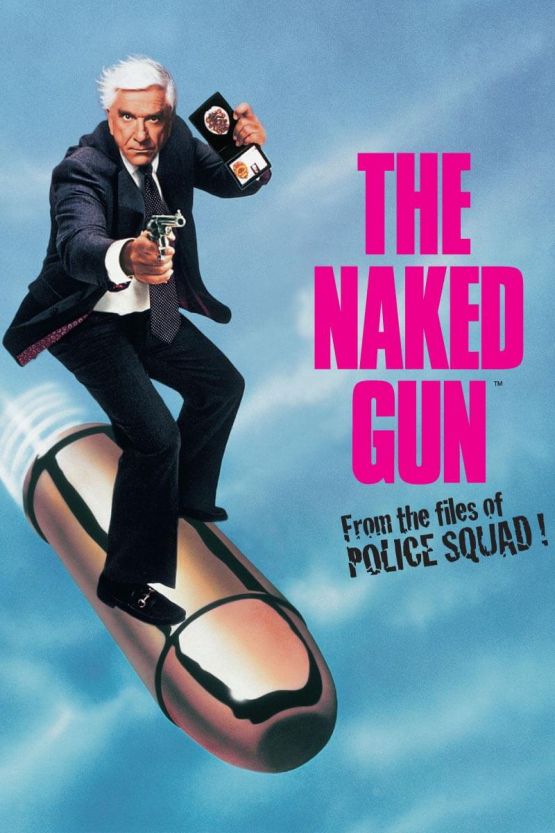
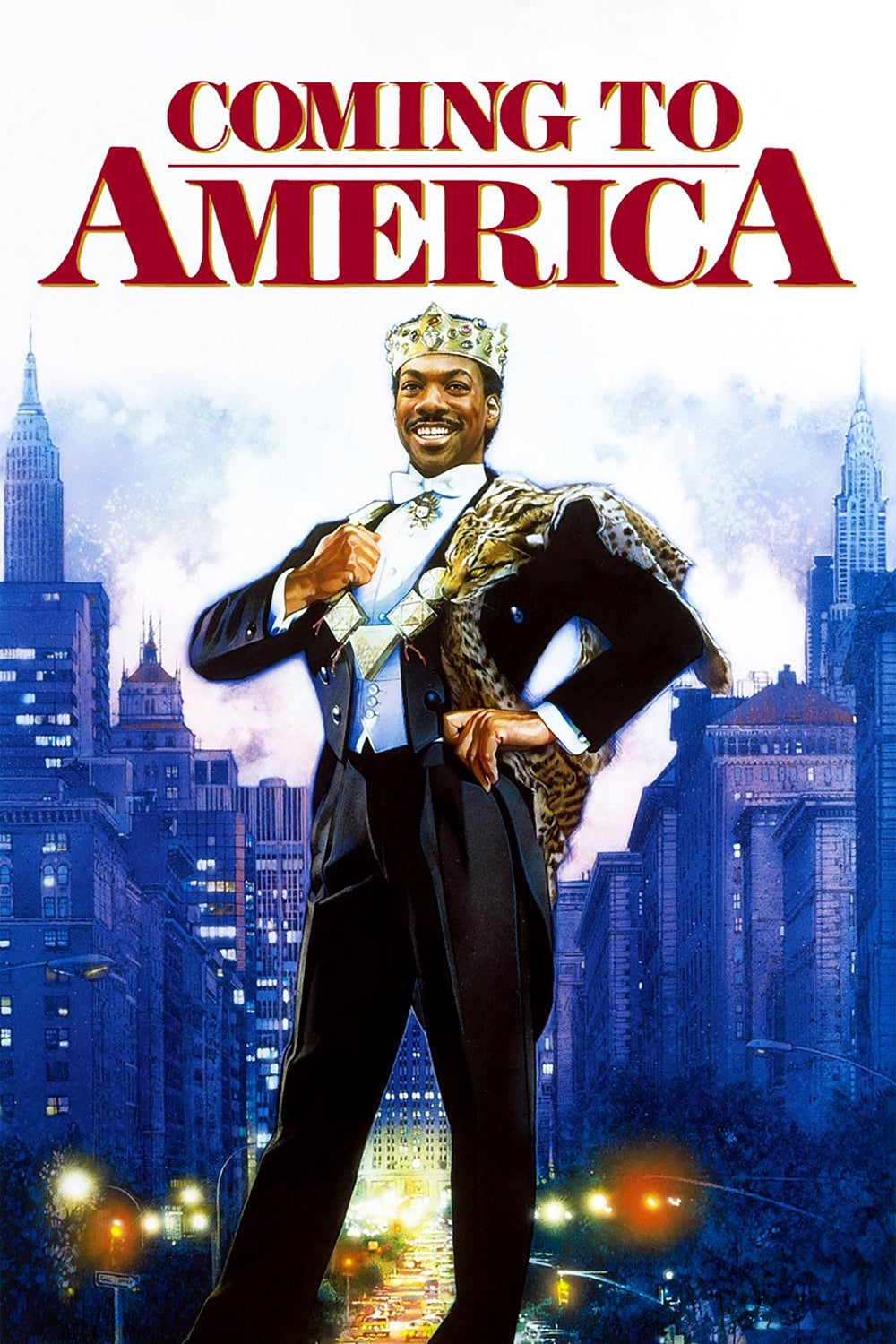
Marvin Gaye’s1983NBA All-Star anthem is first; Whitney Houston’s Super Bowl and Enrico Palazzo are essential entries; the fourth spot is debated between Hendrix at Woodstock and Carl Lewis, while Fergie is floated.
Roseanne’s anthem backlash and Lewis’s infamous performance are recalled, with Charlie Steiner’s Francis Scott off-key joke praised.
Camera rifle past Oscars security; too few handlers around Rachel; Fletcher's absent dad; Rachel never learning of her sister's plot; Frank's morning-after exit; unacknowledged race angle at the Oscars; Rachel playing her own music
Getting a camera rifle into the Oscars is impossible; living near the Oscars in Hollywood brought a robot dog bomb check and underground sweeps at Oscars time.
Working for Kimmel, Oscars-week shutdowns lasted about eight days; some of that is probably post-9/11.
Rachel should be more of a narcissist diva, never alone with just one assistant.
Costner pulling a gun on stage should get him shot, but the counterpoint that hysteria might let him get it out ends with "Okay. I don't know," leaving the nit unresolved.
Fletcher's dad is never mentioned or contacted, when the boy could have been sent to him or his grandparents; a Kevin Federline joke follows.
We never learn if Rachel found out her sister tried to kill her; a scene of Costner and Bill Cobbs agreeing not to tell her is joked about.
Frank waking up and leaving after one night with Whitney Houston is fuck-boy behavior; he should have cut contact methodically, and anyone would ride it out for weeks.
The film should have consulted a Black person on the Academy Awards angle: with Singleton's nomination and an earlier Black actor's win in the 60s but no Black actress winner, Rachel could have said she was making history; the Oscars felt like an afterthought.
Rachel sitting by her pool listening to her own music is questioned; a rapper friend does exactly that, and one host admits listening to The Rewatchables.
Rachel's sister should be recast because she does not look like she could be Whitney Houston's sister, but finding a candidate is hard.
Victoria Dillard from Deep Cover and Spin City is proposed; the objection is that Whitney had to be more beautiful than the sister.
Ricky's mom from Boys in the Hood, also in White Men Can't Jump, is proposed as better for the drunken confession, without a settled answer.
Spending on Val Kilmer as the assassin is proposed because he may have looked better than Costner then, making the park scene make sense; it is agreed that works.
The opening with Akeem waking up is floated as a pick; it is rewatchable but too long, since he barely reaches America 40 minutes in.
First pick: the presentation of the future queen, lavish and well executed, with James Earl Jones's line about having sex with the bathers.
The Zamunda sequence uses the old Hollywood trick of a lavish set piece, with elephants wandering past windows and 400 costumed people, compared with Cabin in the Sky.
The first nightclub scene is cleverly edited, with a string of women and ending with Arsenio in drag.
Invited to make a veiled joke, the reply notes this is the fourth Eddie Murphy conversation and riffs "Eddie, you talking to us." — Wesley Morris
The nightclub scene is blocked as shot-reverse-shot, but for Arsenio's turn Eddie sits beside him, so Arsenio is essentially reacting to himself.
The nightclub premise of judging which woman is good enough may belong in What's Aged the Worst; some moments are "definitely 1988".
Black Awareness Week, called "probably going to be my winner", features Arsenio's reverend and Randy Watson with Sexual Chocolate to tepid applause; the makeup hides Eddie for about 40 seconds, in six great minutes.
The scene rings true to community events in Baton Rouge, at the Leo Butler Community Center, where a tired local celebrity always performs.
Another had a version at Fairmont Park; the name Black Awareness Week is the canned-peas version, and the crowd's reaction to Randy Watson is captured perfectly.
Randy Watson sings The Greatest Love of All rather than Super Freak, a song sung at every graduation; without Whitney Houston you hear how mediocre it is.
The St. John's game brings back the 80s Big East; the bathroom recognition is called one participant's favorite scene and another's second favorite.
The bathroom scene is moving: a Black man seeing a Black person who means something deep to him in a common space; truly touching rather than funny.
Akeem's first date with Lisa brings the cross-movie cameo of Mortimer and Randolph from Trading Places as homeless men, a huge theater surprise.
A dad expected the Dukes to take the money and come back; a movie of that was expected but never came.
The dad-versus-dad clash between John Amos and James Earl Jones, with "I'm going to put my foot in your royal ass", is really good.
The barbershop scenes are held for What's Aged the Best because they are short.
The scene where all the characters come together to straighten out the plot is fine but a little long. — Bill Simmons
That plot-resolution scene is called a favorite: a party sequence with deep depth of field and stakes, plus a living-room farce where misunderstandings get ironed out like a Three's Company ending, with Amos, Madge Sinclair and James Earl Jones on different sides.
The barbershop scenes are the pick: so short that they're so rewatchable, arguing over the same things people argue about in the barbershop. — Van Lathan
In reply, the barbershop scenes, earlier held for What's Aged the Best, are accepted as collectively the most rewatchable scene; a YouTube clip strings them all together like its own movie.