‹ All people

Referenced person

Michael Jackson

Stats

Episodes featuring their films
0
Movies in this archive
0

Rewatchables episodes featuring Michael Jackson’s films

No episode credits in the archive yet.

No episodes found

Mentioned in discussions

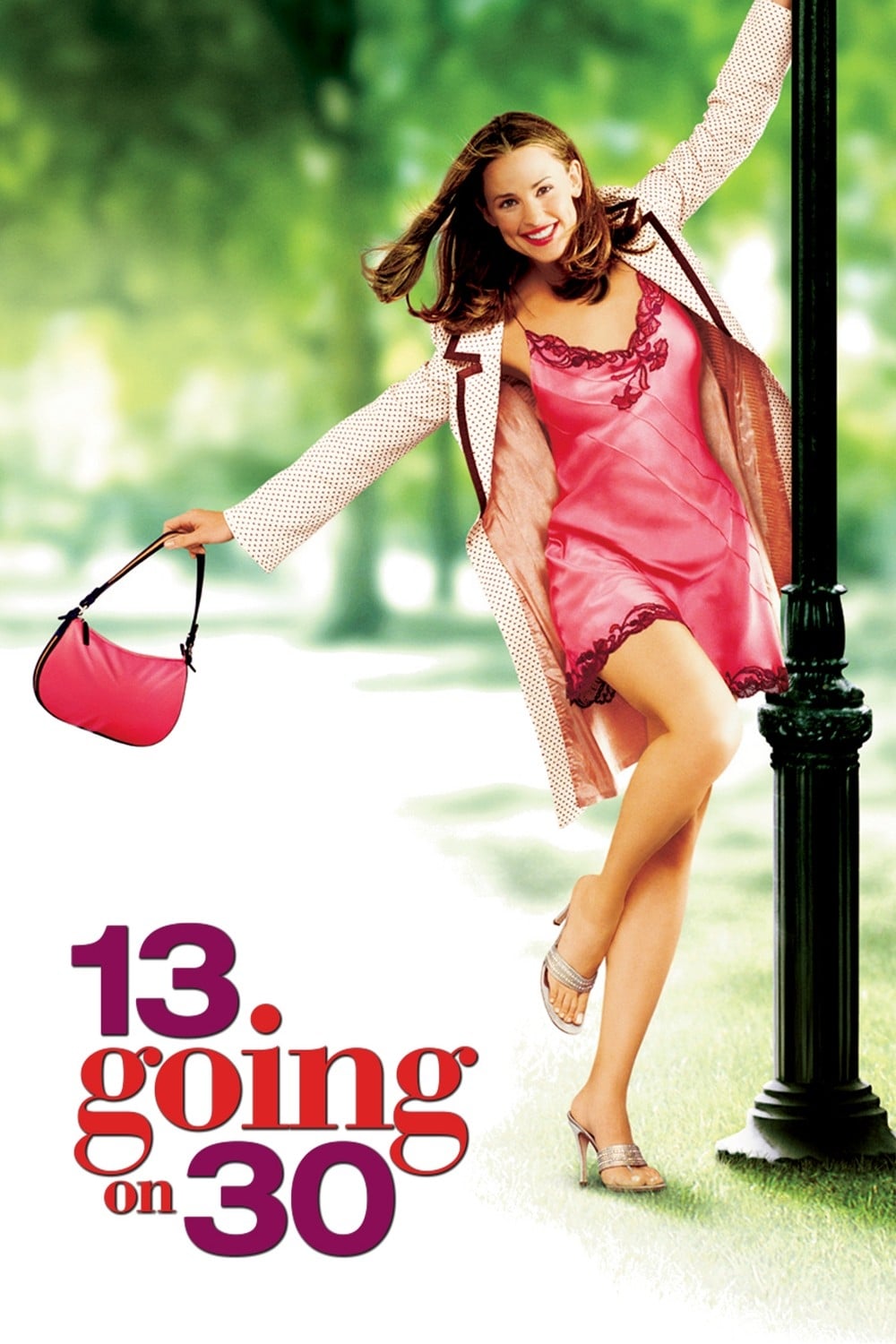
13 Going on 30 The Rewatchables
13 Going on 30

What’s Aged the Worst?

No email or internet; the hockey player and his striptease; cheap apartment decor; Jenna's lack of curiosity about 2004; the art-department husband; the plastic-surgery line

In the discussion (9)
Approx. transcript time · 01:25:20Read transcript
  • Jenna hitting on a 13-year-old boy is called really uncomfortable, while the other participant thought the punchline was great and fine as a joke. — Bill Simmons
  • It would be worse with genders swapped; she looks sexiest in that scene, and Lucy would have had her committed after it. — Juliet Litman
  • Seven minutes in heaven is called gone, with pushback that it may be consensual and better than drugs; Matt's seven-minutes joke was ahead of its time. — Bill Simmons
  • There is no email or internet in a 2004 movie. — Bill Simmons
  • The hockey stuff insults hockey players; the hosts say the 2004 Rangers went 27-40, and real hockey players are stoic, unlike Alex Carlson; the goofy striptease is the worst scene, which is agreed. — Bill Simmons
  • Jenna's apartment has cheap-looking kitchen cabinets and furniture. — Bill Simmons
  • She isn't curious enough about 2004, missing an easy Michael Jackson cover joke, unlike Elf. — Bill Simmons
  • The scene where the husband of Tracy from the art department comes in, with a line about the drawers last week, felt like it was from a different movie; it was meant to show she was an awful person but didn't work. — Bill Simmons
  • Ruffalo's character talks about the plastic-surgery movement as if it were over. — Bill Simmons
13 Going on 30 The Rewatchables
13 Going on 30

Most Rewatchable Scene

Waking up at 30 through arriving at work

In the discussion (15)
Approx. transcript time · 00:50:42Read transcript
  • The big party where the Six Chicks show up is a first pick; school cliques like an "A squad" at Bronx High School of Science and college "BPs" are recalled. — Bill Simmons
  • Jenna being mean to Beaver hurts, and seven minutes in heaven is joked to be banned in 50 states in 2026. — Juliet Litman
  • Tom Tom becoming Judy Greer is called one of the best teen-to-adult castings; Greer reportedly disagrees, and young Jenna reads as Hilary Swank to one participant, which is disputed. — Bill Simmons
  • Jenna waking up at 30 (cell phone, checking her body, the hockey player, "I'm Jenna Rink, big-time magazine editor") is great, a mission statement for Garner recalling Hanks in Big. — Bill Simmons
  • Visiting Matt requires suspension of disbelief since he doesn't react as if she were on drugs. — Bill Simmons
  • The dress-up montage uses Whitney Houston; Lips Like Sugar by Echo and the Bunnymen was reportedly planned but could not be licensed. — Bill Simmons
  • Jenna saving the party with Thriller is an iconic rom-com scene; the green modified Versace dress became a yearly Halloween costume, though her dancing starts stiff and Ruffalo drags his foot while the Gollum actor bangs it out. — Bill Simmons
  • Asked by name whether Michael Jackson's baggage complicates the scene now, the reply is no; the surprise is that everyone at a 2004 party knew the whole dance. — Juliet Litman
  • Wesley Morris wrote that watching the cast dance like ghouls made him cringe: "the amateurness isn't cute, it's scary." — Bill Simmons
  • It recalls bar mitzvahs and the Cha-Cha Slide; Arlene the secretary joining is a favorite moment. — Bill Simmons
  • The Liz Phair montage with Razzles and the Brooklyn Bridge, and Love Is a Battlefield with the nice Six Chicks, are included; one more scene of Jenna advising the 13-year-olds is wanted. — Bill Simmons
  • Jenna's class-of-2004 pitch is rewatchable as probably the worst publishing idea of all time, while Lucy's heroin-chic idea sounds pretty good. — Bill Simmons
  • Jenna and Lucy having it out, with Judy Greer lights out, is the last pick; the wedding scene is excluded and Vienna is saved for later. — Bill Simmons
  • The other pick is the first scene waking up in the apartment: the umbrella gag, the physical comedy, and the slip with the jacket as the defining look. — Bill Simmons
  • Both agree the first 25 minutes, from the closet until she gets to work, are excellent. — Bill Simmons
Just One of the Guys

Producer review

Negative; generational nostalgia acknowledged; William Zabka praised

In the discussion (5)
Approx. transcript time · 00:16:53Read transcript
  • An invited response disputes the Bill Murray comparison while acknowledging the performer’s full commitment. — Bill Simmons
  • The invited younger viewer strongly dislikes the film while acknowledging how childhood exposure and limited access to sexual images can create lasting affection. — Bill Simmons
  • The reveal was anticipated immediately before it happened; the discussion argues the film’s legacy depends heavily on that scene, alongside the comic supporting performance. — Kyle Brandt
  • The younger viewer rejects the praise for Billy Jacoby and most performances, but makes an exception for William Zabka; cheesy line delivery is the central complaint. — Joanna Robinson
  • Terry’s disguise is compared with a young Michael Jackson and Elvis Costello. — Kyle Brandt
In the discussion (3)
Approx. transcript time · 01:26:19Read transcript
  • Prince preferred to Michael Jackson as performer and at peak; Purple Rain album over Thriller, movie above Michael creative work, Prince concert preferred. — Bill Simmons
  • Other participant never saw Michael live, recognizes great reports and faster concert grooves. Michael singing preferred, top-ten vocalist versus Prince top-fifty, with no comfortable overall answer. — Wesley Morris
  • Prince album catalogue wins. Dangerous personal favorite Michael album but Thriller best; Prince decade of masterpieces and Batman soundtrack defended. — Wesley Morris
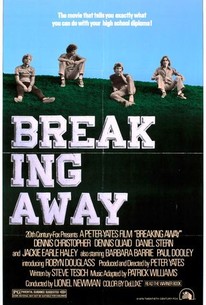
Breaking Away

The Stephen A. Smith Hottest Take Award

1979 Indiana peak; parents understanding their son; Yates’s America; Quaid–Costner career swap

In the discussion (4)
Approx. transcript time · 00:41:23Read transcript
  • The hottest take calls 1979 Indiana’s Apex: Knight recruiting Thomas, Bird, Gretzky and Messier’s WHA connection, Breaking Away, Michael Jackson’s Off the Wall, Mattingly’s draft, the Indy 500, Jane Pauley and Letterman. — Bill Simmons
  • The film is fundamentally about parents finally understanding their son before he leaves, rather than about sports. — Chris Ryan
  • Yates is said to understand America better than most American directors, with his city portraits and this film’s documentary-like final stretch. — Sean Fennessey
  • A counterfactual argues Quaid could have had Costner’s career if their roles and timing were exchanged, with No Way Out, American Flyers, Bull Durham, JFK and Yellowstone offered as plausible fits.
Can't Buy Me Love

Probably Unanswerable Questions

Transactional teen romances; Beatles licensing; slow clap origins; reunion plausibility

In the discussion (4)
Approx. transcript time · 00:04:41Read transcript
  • Other teen romances centered on a monetary transaction are sought, with Pretty Woman as a later comparison. — Juliet Litman
  • The Beatles song was reportedly licensed for$110,000 from Michael Jackson; the claimed screening for his approval is doubted. — Juliet Litman
  • The film did not invent the slow clap; research identifies Brubaker as an earlier example, tentatively the first. — Bill Simmons
  • Whether Cindy would take Ronald back after his other relationships is questioned; the reunion is imagined to falter after a few months.
E.T. the Extra-Terrestrial

Half-Assed Internet Research

Sequential filming for the children’s attachment

In the discussion (23)
Approx. transcript time · 00:11:10Read transcript
  • The production reportedly filmed sequentially to let the children become attached to E.T. — Bill Simmons
  • Spielberg reportedly imagined an alien companion after his parents’1960 divorce. — Mallory Rubin
  • Loneliness while filming Raiders in Tunisia reportedly revived that childhood idea; Matheson developed the script, initially called E.T. and Me, following a Night Skies concept. — Bill Simmons
  • Columbia rejected the project as commercially doubtful and pursued Starman instead, though the simplified executive-blame story is qualified. — Bill Simmons
  • Universal reportedly bought the project for $1 million while Columbia retained 5 percent of net profits, making its rejection less disastrous financially. — Bill Simmons
  • Nine Oscar nominations produced four technical and music wins; Gandhi winning picture,director and actor over this film is strongly criticized. — Bill Simmons
  • Henry Thomas’s lack of a nomination prompts debate over whether a child lead would be entered as lead or supporting actor. — Bill Simmons
  • Wallace’s absence from the nominations is lamented as a missed great mother performance. — Bill Simmons
  • Attenborough reportedly said E.T. should have won and praised its invention and power. — Bill Simmons
  • A John Sayles Close Encounters sequel concept is recalled; Spielberg reportedly responded to reviews calling that film personal by making a genuinely personal alien story. — Sean Fennessey
  • The film idealizes Spielberg’s Arizona childhood after divorce; The Fabelmans is anticipated as a more direct autobiography, while simultaneous Poltergeist work underscores his productivity. — Sean Fennessey
  • The reported budget is $10.5 million against $793 million gross, an unusually large disparity for the show. — Bill Simmons
  • Reported records include surpassing Star Wars until Jurassic Park,16 weeks at number one,15 million VHS units,$250 million video revenue,50 million dolls and $1 billion merchandise; delaying home-video release frustrated viewers. — Bill Simmons
  • The 1990 Universal Studios Florida bike ride is recalled as still operating. — Bill Simmons
  • M&M’s rejection of product placement is called a major mistake that helped create a Reese’s Pieces competitor.
  • Rambaldi’s creature reportedly used four heads, animatronic facial controls and several costumed performers; Kennedy studied real and glass eyes, and the effects cost about $1.5 million. — Bill Simmons
  • Winger supplied temporary vocals, while Pat Welsh’s heavy smoking contributed to the final voice. — Bill Simmons
  • Welsh reportedly received $380 for nine-and-a-half recording hours; other sounds came from Spielberg, Winger, a sleeping sick wife, a professor’s burp, raccoons, otters and horses. — Bill Simmons
  • The shoot reportedly used A Boy’s Life as a secrecy title; locations listed are Culver City, Northridge, Tujunga, Crescent City and Porter Ranch for flying bicycles. — Bill Simmons
  • Barrymore’s dislike of E.T.’s feet was reportedly an ad-lib about visible wires that Spielberg retained. — Bill Simmons
  • Spielberg screened the movie for Ronald and Nancy Reagan; Michael Jackson reportedly owned a puppet, and a wet T-shirt filled with gelatin supplied walking sounds. — Bill Simmons
  • Spielberg reportedly described E.T. as a plant-like creature, neither male nor female. — Bill Simmons
  • Universal reportedly first saw the film at a Texas audience test, showing Spielberg’s unusual control, supported by his restrained budget. — Sean Fennessey
Coming to America

What’s Aged the Worst?

117-minute runtime; John Amos's once-major presence; Darryl bragging about St. John's tickets; the name Semmi; John Landis's next films; missing hit soundtrack

In the discussion (15)
Approx. transcript time · 01:05:47Read transcript
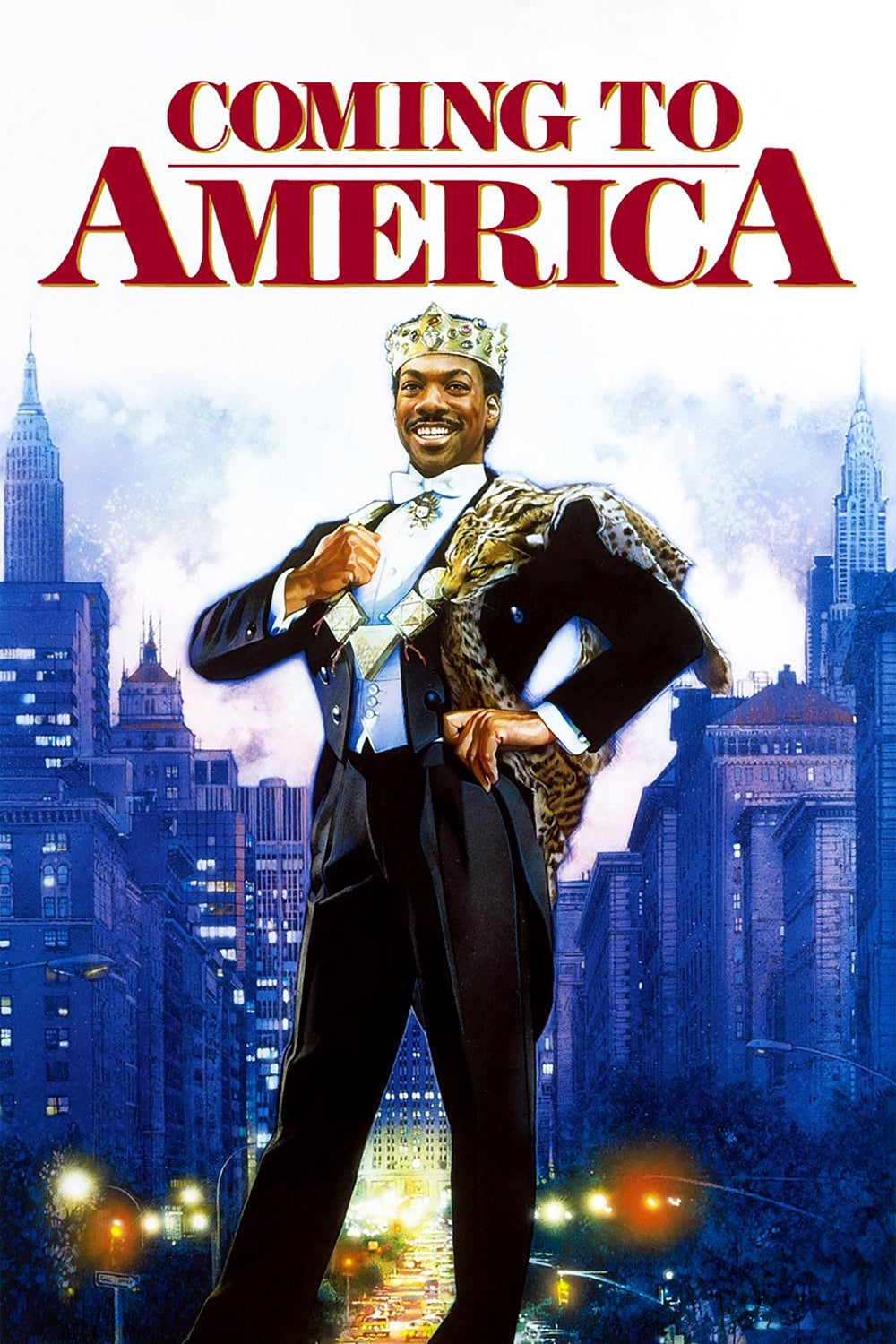
  • At 117 minutes it is too long; about 105 would be ideal, cutting the first 20 minutes to get to New York. — Bill Simmons
  • John Amos being in the movie was a big deal in 1988 that is hard to explain 33 years later, like other TV dads such as Robert Reed. — Bill Simmons
  • Darryl being excited and bragging about four tickets to a St. John's game has aged poorly. — Bill Simmons
  • Arsenio's character is named Semmi, like a Celtic (ASR "shemiochile") blamed for the team being 13-13 as they tape. — Bill Simmons
  • Soul Glo hurt Eric LaSalle's career until ER; a counterpoint says he made good there, and Shari Headley didn't get enough work afterward.
  • LaSalle is outrageously handsome even under the curl, unlike Eddie, whose stardom never relied on looks. — Wesley Morris
  • The bearded O.J. Simpson in Buffalo around 1975 as the most handsome man who ever lived is reaffirmed. — Bill Simmons
  • John Landis's next films after this: Oscar, Innocent Blood and Beverly Hills Cop 3, which is called terrible.
  • Beverly Hills Cop 3 was the first movie one participant ever walked out of. — Van Lathan
  • Eddie doing a third Beverly Hills Cop felt sad; it became almost a Disney film.
  • Rewatching Cop 3 on cable confirmed it was bad; after it Landis made The Stupids, Blues Brothers 2000 and Susan's Plan. — Bill Simmons
  • The System's end-credits theme song is called aged worst; others object, calling it a jam played on BET. — Bill Simmons
  • The song wasn't a hit because it wasn't that good. — Bill Simmons
  • The soundtrack is a missed opportunity: the only song heard in full is The Greatest Love of All, with no Janet Jackson or Paula Abdul, while other movies had big soundtracks like the Pointer Sisters.
  • Nile Rodgers did the music and Michael Jackson, his friend, is nowhere on it; "It's a miss."
Home Alone The Rewatchables
In the discussion (6)
Approx. transcript time · 00:59:33Read transcript
  • Home Alone is Culkin's Apex Mountain; Party Monster is rejected, and My Girl is a really good movie that people do not associate with him the same way. — Mina Kimes
  • The Black or White video with Michael Jackson, a network-TV event before My Girl, is offered as a case that the run continued. — Sean Fennessey
  • Home Alone is a top-10 Christmas movie but probably not the Apex Mountain for Christmas movies; A Christmas Story is favored, with Miracle on 34th Street, Elf and Bad Santa mentioned.
  • A joke Apex Mountain for making international flights: Winnetka is about 30 minutes from O'Hare and they leave with 45 minutes to spare. — Chris Ryan
  • The final call is Culkin with the caveat that his run continued. — Chris Ryan
  • Pesci was skipped for Apex Mountain, though there is a case given Home Alone and Goodfellas that year and his leading-man turn after. — Sean Fennessey
The Karate Kid

Apex Mountain

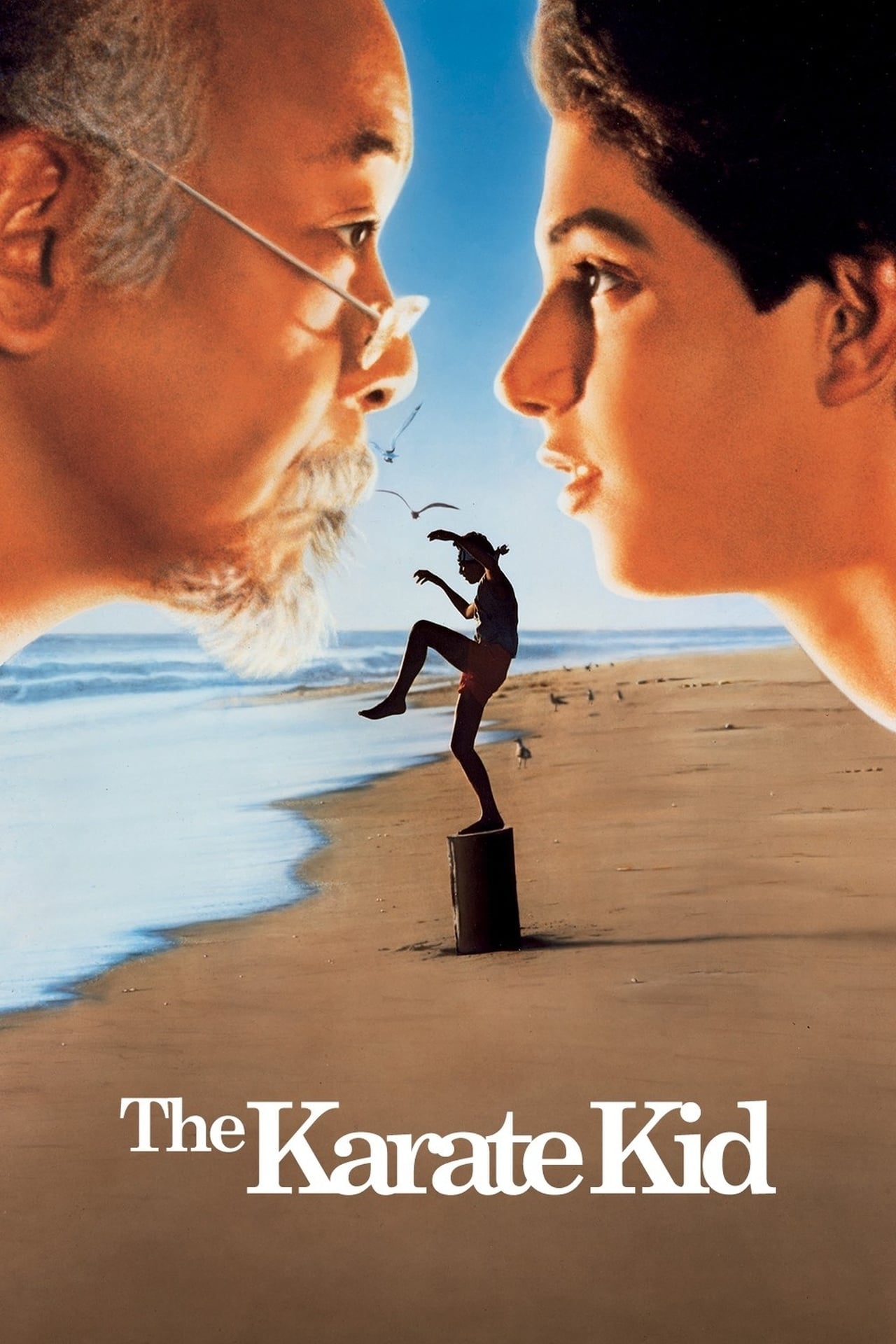
Ralph Macchio; Pat Morita; every Cobra Kai member and Martin Kove; Reseda; the All Valley Karate Tournament; Cruel Summer; the high-school biker gang/ninjas; mid-80s arcades

In the discussion (3)
Approx. transcript time · 01:33:58Read transcript
  • Macchio, Morita, every Cobra Kai plus Kove, Reseda (now known as the Karate Kid town), the All Valley tournament, Cruel Summer, the high-school biker ninjas and the mid-80s arcades are yeses. — Bill Simmons
  • Avildsen is a no because Rocky is his apex; Shue is a no because, the hosts say, she later won an Oscar. — Bill Simmons
  • The red jackets are grouped with Michael Jackson's Thriller jacket without a clear yes or no. — Bill Simmons
Beverly Hills Cop

What’s Aged the Worst?

The first 19 minutes; obvious stunt doubles; Victor Maitland's reaction to Mikey's death; the homophobia (nominated, then partly defended); Taggart punching Axel; Maitland's useless bodyguards; the Rolling Stone and Michael Jackson name-drop

In the discussion (8)
Approx. transcript time · 00:51:21Read transcript
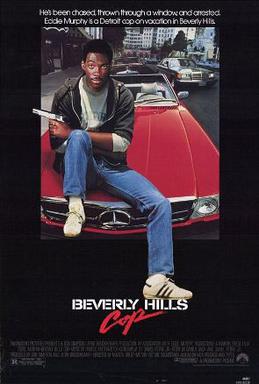
  • The first 19 minutes could zip by faster; 1984 was not the peak of masking stunt work, so a guy gets punched and a different man flies through the window, Magnum PI level stunts: the man thrown through the buffet table is not Jonathan Banks, the truck driver has a mullet while the man who climbs out has a bald spot, Victor's tumble down the steps and Eddie through the plate glass are doubles; tumbling action has gone out of style and now reads as farce.
  • Victor Maitland's reaction to Mikey's death is so bad that Stephen Burkoff (as transcribed) should have spent weeks in character; he has been in a Bond movie and is a good 80s guy; 80s villains were almost always played by sexy men, even Jonathan Banks, the future Mike Ermantrout (as transcribed), has an attractive energy.
  • The whole movie is pairs of men, five different pairs with no female interruption, like Don Johnson and Philip Michael Thomas driving and looking at each other; it only jokes about that once at the club, is not homophobic, and is not afraid of what it means to have two men in close proximity.
  • Homophobia is proposed for what aged worst, but one host finds it less homophobic than memory suggested: you simply see gay people be gay, Damon Wayans plays an effeminate man, and the one not-great moment is Eddie using a made-up disease, Herbie simplex 10 (as transcribed), as a weapon on the maitre d'; the defense is that the characters he invents are bits to get him into the next room, like the loudmouth journalist at the Beverly Palms; Eddie's early-80s homophobia is remembered from the stand-up specials and a little of 48 Hours, not this.
  • Taggart punching Axel is pretty bad given what has been seen of the LA police, though Taggart then comes out, apologizes and offers to let charges be pressed; Maitland's bodyguards aged badly because all of them were terrible, and the strategy is dissected: five guys come in, four huge ones carry Axel through the building and the fifth just walks in front, so they can throw him through the window as evidence of a public disturbance.
  • No white person thrown through that window ends up charged with public disturbance and in a police department; Axel never resists arrest because he is a cop from Detroit and a black man who knows what cops do, and he knows Todd will eventually vouch for him; the movie star's entitlement that the plot will give him something to do sits beside the reality of a black person in police presence, and there is a character logic in revealing less to learn how these officers act.
  • When 48 Hours was a rewatchable the fight between Eddie and Nick Nolte looked like Nolte would kill him, so two years later the formula seems tweaked so Axel is never roughed up beyond a punch in the stomach, the window and being knocked out in the opening.
  • Getting into the Beverly Palm by name-dropping Rolling Stone and a Michael Jackson profile is offered for aged worst; a follow-up, explicitly not offered as aged worst, is how magazines substitute for mobile phones: Rosewood reading Time about red meat, Victor Maitland flipping through a magazine in Jenny's office, and Jonathan Banks reading National Geographic, which is just how people passed time in 1984.
Displaying discussions 1 - 12 of 15 in total