

Half-Assed Internet Research
Sequential filming for the children’s attachment
In the discussion (23)
Approx. transcript time · 00:11:10Read transcript
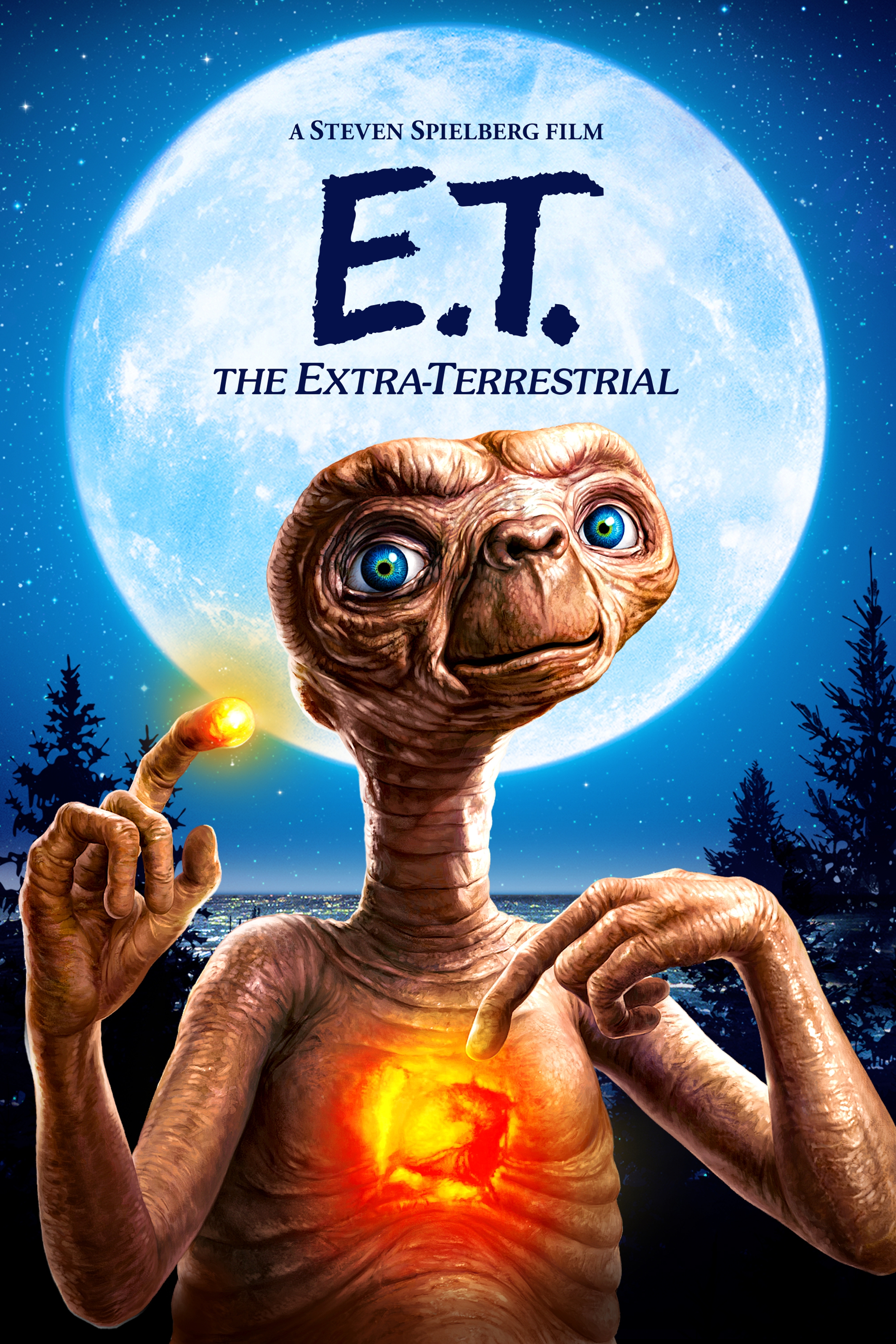
- The production reportedly filmed sequentially to let the children become attached to E.T.
- Spielberg reportedly imagined an alien companion after his parents’1960 divorce.
- Loneliness while filming Raiders in Tunisia reportedly revived that childhood idea; Matheson developed the script, initially called E.T. and Me, following a Night Skies concept.
- Columbia rejected the project as commercially doubtful and pursued Starman instead, though the simplified executive-blame story is qualified.
- Universal reportedly bought the project for $1 million while Columbia retained 5 percent of net profits, making its rejection less disastrous financially.
- Nine Oscar nominations produced four technical and music wins; Gandhi winning picture,director and actor over this film is strongly criticized.
- Henry Thomas’s lack of a nomination prompts debate over whether a child lead would be entered as lead or supporting actor.
- Wallace’s absence from the nominations is lamented as a missed great mother performance.
- Attenborough reportedly said E.T. should have won and praised its invention and power.
- A John Sayles Close Encounters sequel concept is recalled; Spielberg reportedly responded to reviews calling that film personal by making a genuinely personal alien story.
- The film idealizes Spielberg’s Arizona childhood after divorce; The Fabelmans is anticipated as a more direct autobiography, while simultaneous Poltergeist work underscores his productivity.
- The reported budget is $10.5 million against $793 million gross, an unusually large disparity for the show.
- Reported records include surpassing Star Wars until Jurassic Park,16 weeks at number one,15 million VHS units,$250 million video revenue,50 million dolls and $1 billion merchandise; delaying home-video release frustrated viewers.
- The 1990 Universal Studios Florida bike ride is recalled as still operating.
- M&M’s rejection of product placement is called a major mistake that helped create a Reese’s Pieces competitor.
- Rambaldi’s creature reportedly used four heads, animatronic facial controls and several costumed performers; Kennedy studied real and glass eyes, and the effects cost about $1.5 million.
- Winger supplied temporary vocals, while Pat Welsh’s heavy smoking contributed to the final voice.
- Welsh reportedly received $380 for nine-and-a-half recording hours; other sounds came from Spielberg, Winger, a sleeping sick wife, a professor’s burp, raccoons, otters and horses.
- The shoot reportedly used A Boy’s Life as a secrecy title; locations listed are Culver City, Northridge, Tujunga, Crescent City and Porter Ranch for flying bicycles.
- Barrymore’s dislike of E.T.’s feet was reportedly an ad-lib about visible wires that Spielberg retained.
- Spielberg screened the movie for Ronald and Nancy Reagan; Michael Jackson reportedly owned a puppet, and a wet T-shirt filled with gelatin supplied walking sounds.
- Spielberg reportedly described E.T. as a plant-like creature, neither male nor female.
- Universal reportedly first saw the film at a Texas audience test, showing Spielberg’s unusual control, supported by his restrained budget.