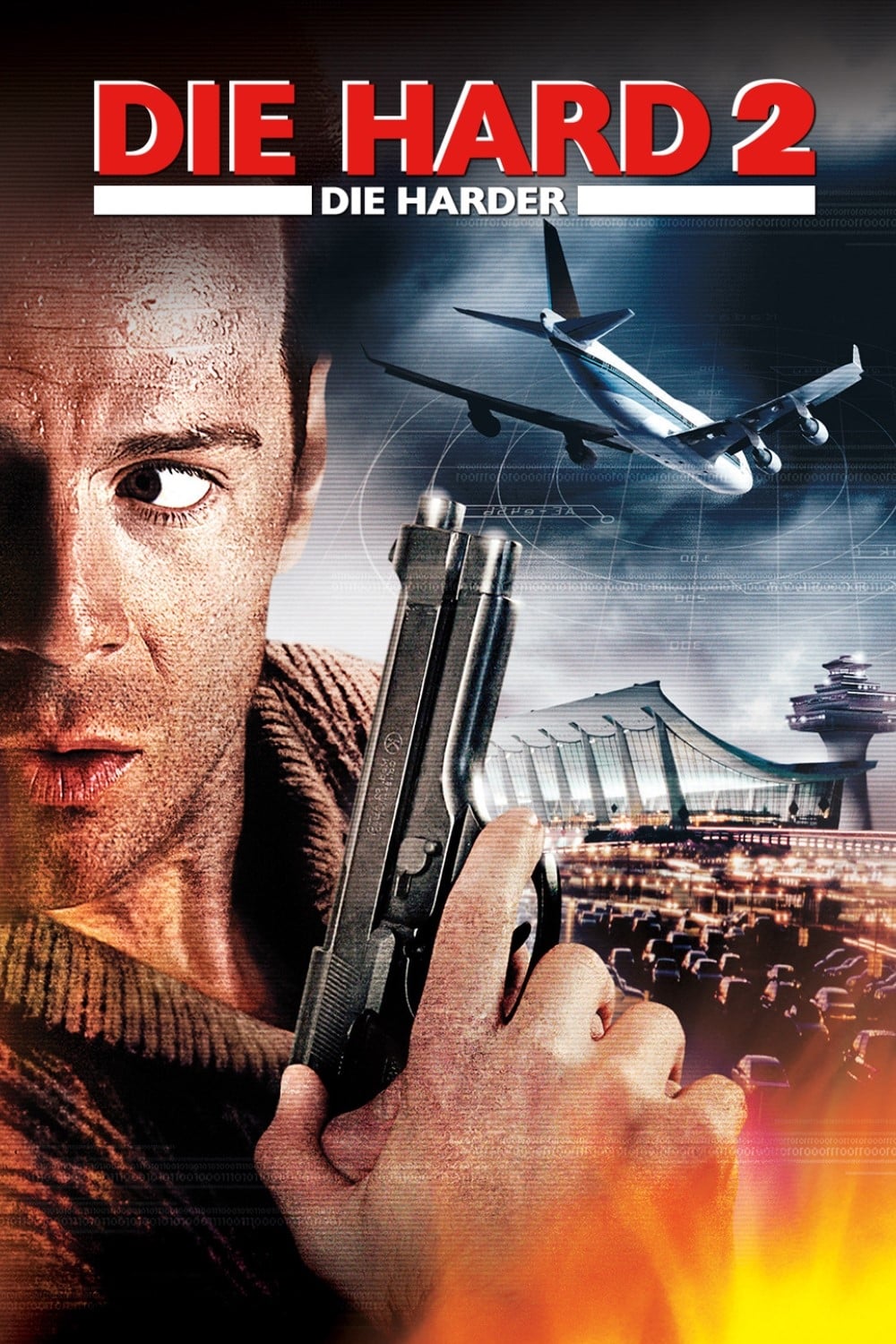
Confusing plot and villain motives; faxed fingerprints; glide-slope sabotage; uncharismatic Esperanza; no diversions to other airports; non-igniting jet fuel; villains' escape plan; blanks fired in an office; double agents on the detail
Faxing fingerprints from a corpse is questioned as flawed 1990 technology. — Chris Ryan
The plot is found confusing; Wikipedia's synopsis of Esperanza's extradition and Stuart's sympathizers raises the question of why anyone would kill hundreds for him. — Bill Simmons
Only two Justice Department officials meet the plane even though cable news covers the extradition constantly; who pays the villains, the anti-communist explanation, the extradition treaty and the destination all remain murky.
Internet sources say changing the glide-slope value would not crash a plane because instruments have safeguards. — Bill Simmons
Esperanza lacks the charisma of Rickman or Jeremy Irons, and splitting villainy among Sadler, Nero and Amos causes overload. — Bill Simmons
Circling planes are not diverted to nearby airports such as Baltimore or Philadelphia; the Christmas-week crowds are questioned. — Bill Simmons
Nobody recognizes McClane, and online sources say jet fuel at that temperature would not ignite from a thrown lighter. — Bill Simmons
Had McClane not ignited their plane, what was the villains' plan: would military planes not shoot them down, and did they really expect to retire to the tropics?
McClane proves the guns hold blanks by firing a clip at Lorenzo in an office full of armed people. — Chris Ryan
How John Amos's team of double agents got assigned to Dulles, and why the one loyal soldier was brought along only to be killed, go unexplained. — Sean Fennessey
Nerd Corner is a new category built for one host's reactions: Tarantino is quoted calling the film his take on Kubrick's The Killing rather than a rip-off of it.
Given thirty seconds on The Killing, he calls it one of the great Sterling Hayden performances with a top-three final shot in movie history, the film that let Kubrick leap from crafty photographer making B pictures to the most significant film artist of his time, and says its traces run throughout Reservoir Dogs. — Sean Fennessey
Jean-Pierre Melville's tough-guy French films, Le Cirque La Rouge (as transcribed) and Army of Shadows, are recommended to anyone who loves Reservoir Dogs.
The color names come from The Taking of Pelham 1, 2, 3, a great homage with Walter Matthau, and the Denzel remake is not bad; the 1987 film City on Fire is so close that watching it raises whether Tarantino is good or just stole it, the one complicated thing about him, with critics saying he ripped off seven movies rather than paying homage.
He calls Tarantino a metatextual artist and himself a postmodernist. — Chris Ryan
Tarantino is not interested in human beings so much as weaving pre-existing stories together; City on Fire is a cool movie, Reservoir Dogs is a masterpiece; the three-way standoff is traced to John Woo films such as The Killer.
A lot of candidates; Peter Stormare's Tarasov is a great five minutes at the top, with reactions and everything, a guy who starts at 11 with no warm-up time; Michael Nyquist played Tarasov in the first film and Stormare plays his brother, both Russians played by Swedish actors.
Gianna is one host's pick; Common, in only a couple of scenes, is still in it too much to be Dion, and Fishburne is slightly too much as well; Tarasov is called the definition of a Dion Waiters (transcribed 'demon later'), so over the top for five minutes.
Franco Nero as Julius, manager of the Rome Continental, greets John as an old friend and immediately asks whether he is there to kill the Pope; a larger question is that Gianna's coronation as a mafia boss involves clergy high up in the Vatican, with a cardinal at the club.