
‹ All people

Ghostbusters

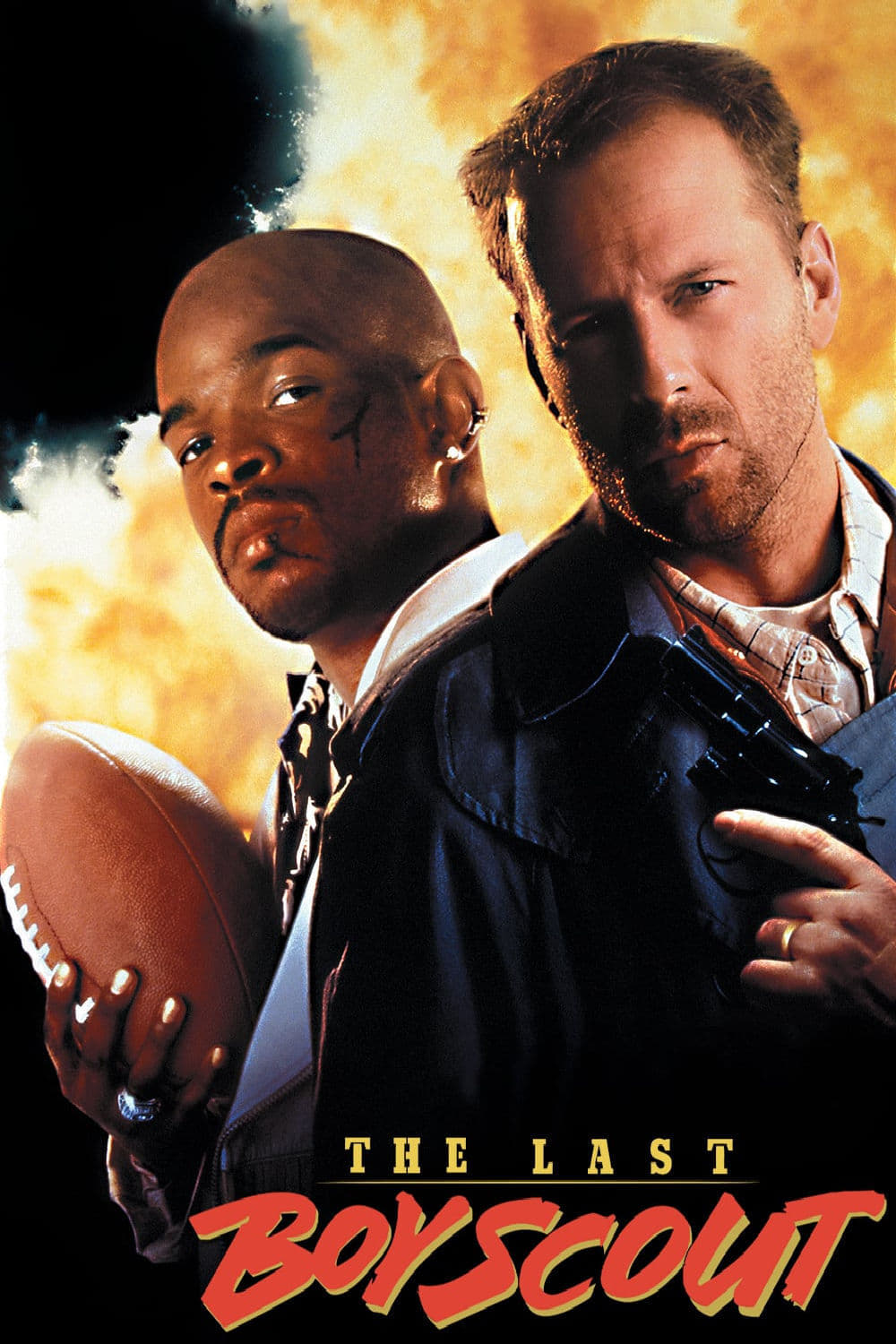
The Last Boy Scout


Boomerang

Boomerang

Film credit
Grace Jones
Stats
- Episodes featuring their films
- 1
- Movies in this archive
- 1
Rewatchables episodes featuring Grace Jones’s films
Displaying 1 episode
Mentioned in discussions
The Ruffalo / Hanna / Rubinek / Partridge Overacting Award
Slavitza Jovan's Gozer performance
In the discussion (2)
Approx. transcript time · 01:21:18Read transcript
- The actor playing Gozer is selected; the machine transcript renders her credited name uncertainly as 'Slot via Yovan.'
- Grace Jones is discussed as an intended visual and casting reference for Gozer.
Casting What-Ifs
Grace Jones for the Halle Berry part; John McTiernan as director
In the discussion (6)
Approx. transcript time · 00:53:03Read transcript
- There were fewer casting what-ifs than expected. — Bill Simmons
- A report that Jack Nicholson was up for Joe Hollenbeck is not believed. — Bill Simmons
- Tony Scott wanted Grace Jones for the Halle Berry part and the studio overruled him, which the hosts approve. — Bill Simmons
- John McTiernan declined to direct because it was another Bruce Willis project, having also not done Die Hard 2. — Bill Simmons
- Admittedly a stretch: Tony Scott hated Joel Silver so much that he based Lee Donowitz in True Romance on him, played by Saul Rubinick, and Silver went nuts when he saw it. — Bill Simmons
- An open question is which Joel Silver movie Coming Home in a Body Bag parodies. — Bill Simmons
In the discussion (3)
Approx. transcript time · 01:37:44Read transcript
- Grace Jones is the only developed candidate.
- Her restaurant leg display is praised at mock-Oscar intensity. — Van Lathan
- The panel agrees the performance is dialed up but argues casting Grace Jones necessarily means getting that energy. — Van Lathan
What’s Aged the Best?
Halle Berry’s performance (final first choice), Jeffrey Holder’s ads, the Martin origin story, slang, Murphy’s reactions and clothes, role reversal, Strangé ads, Star Trek riff, Angela’s breakup, and the recovery arc
In the discussion (14)
Approx. transcript time · 01:17:03Read transcript
- Jeffrey Holder makes the deliberately vulgar Kissable ad pitch funny through the character’s sincere disappointment at being restrained. — Van Lathan
- The episode reports that Murphy’s praise of Martin Lawrence and Tisha Campbell helped inspire their pairing on Martin. — Bill Simmons
- “Hammer time” and “the twizzah” remain instantly recognizable bits from the movie. — Bill Simmons
- Murphy’s comic orgasm and Grace Jones’s helicopter entrance are singled out as physical and visual comedy. — Bill Simmons
- Angela is praised as an unusually complete romantic-comedy character whose humor, warmth and natural presence were underused later. — Van Lathan
- The film’s gender role reversal remains clear in how Jacqueline controls the sexual relationship with Marcus. — Bill Simmons
- The first Strangé commercial and Eartha Kitt’s horrified reaction preserve the campaign’s escalating absurdity. — Bill Simmons
- Marcus improvising Spock Jenkins is praised as an early example of casual pop-culture conversation inside a movie. — Bill Simmons
- Angela’s breakup line and real slap give the emotional turn force. — Bill Simmons
- Marcus’s no-tie wardrobe is described as sharp and still wearable. — Bill Simmons
- The loss and recovery of Marcus’s confidence is treated as an identifiable relationship arc. — Bill Simmons
- Halle Berry’s charisma and complete performance receive the final selection. — Van Lathan
- A longer discussion argues Black actors can receive different, often richer opportunities from Black directors, producers and writers. — Wesley Morris
- Berry’s uneven 1990s roles are contrasted with the promise visible in Boomerang. — Bill Simmons
Most Rewatchable Scene
Split: John Witherspoon’s dinner sequence; Grace Jones’s first perfume-boardroom scene
In the discussion (13)
Approx. transcript time · 00:45:55Read transcript
- The opening lunch establishes the three friends through Marcus’s dating philosophy and Martin’s asparagus riff.
- Marcus sleeping with Lady Eloise and then meeting Jacqueline at work is praised as a perfect six-minute comic sequence. — Bill Simmons
- Jacqueline’s party flirtation works because Robin Givens matches Eddie Murphy’s confidence and control.
- The art-class scene is praised for Eddie Murphy imitating the little girl, recalling his earlier comic appeal. — Bill Simmons
- The John Witherspoon dinner is praised for its mushroom outfit, sexual advice, bathroom reveal and improvised family chaos. — Bill Simmons
- One host argues the dinner also explains Gerard’s vulnerability and why Marcus’s later betrayal hurts him. — Van Lathan
- The pool game makes Marcus’s embarrassment over Angela visible while preserving the friendship’s comic rhythm.
- The rooftop reconciliation culminates in Martin arriving late to demand another hug and then moves into the P.M. Dawn song.
- Two hosts select the Witherspoon sequence. — Wesley Morris
- Wesley selects Grace Jones’s first boardroom pitch and the “Steel Vagina” suggestion. — Wesley Morris
- One objection is that the dinner sequence was shoehorned into the story and is not needed for the plot, even though its comic digression is pleasurable. — Wesley Morris
- The scene evokes Black theater and its later Tyler Perry counterpart, bringing class tensions into the comedy. — Wesley Morris
- The chitlins in a wealthy household and Angela being asked to handle them are described as a collision of Black culture and snobbery. — Wesley Morris
Displaying all 5 discussions

