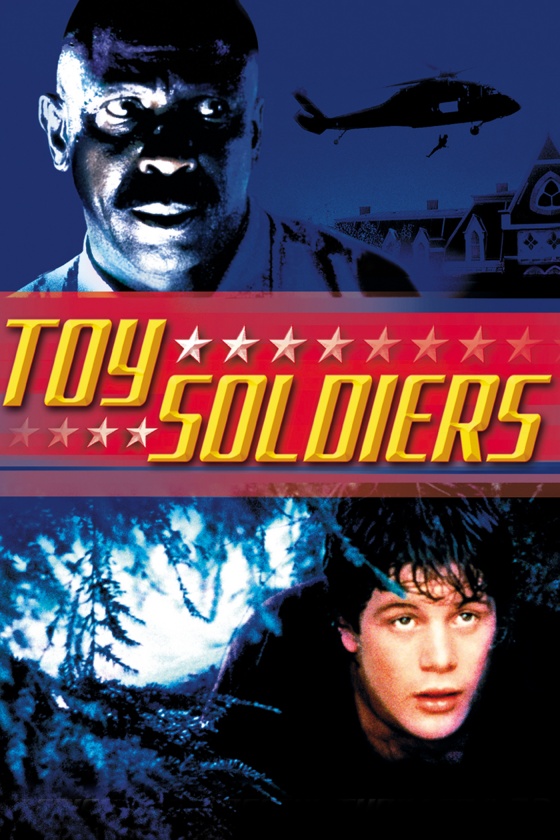
A separate revised scale puts Powers Boothe at one, the Passenger 57 villain at two and the Toy Soldiers villain at three, reversing an earlier preference between Boothe and Toy Soldiers. — Bill Simmons
The villain scale initially puts the Toy Soldiers villain at one, criticizing his intimidation speech despite strong entrance, pivot and final-fight stages; a later utterance calls him two. — Bill Simmons
An alternate opinion places Jones at nine and would rank Lithgow and Hopper higher; Toy Soldiers is again called the worst while Boothe is another participant’s least favorite. — Bill Simmons
The film is based on a1926 Arthur Schnitzler novella whose rights Kubrick reportedly acquired in the1960s. — Bill Simmons
The production reportedly lasted400days and is claimed as a Guinness continuous-shoot record, with explicit skepticism about that distinction.
Kubrick’s small London crew and home-based postproduction are offered as reasons the unusually long shoot could cost no more than a more conventionally scheduled production. — Sean Fennessey
The film reportedly grossed$162million, mainly overseas. — Bill Simmons
David Hughes’s Kubrick book is identified as a source for several casting claims; Val Kilmer reportedly sent thirty unsolicited audition tapes. — Chris Ryan
Cruise and Kidman reportedly sued Star magazine over a claim that sex therapists coached their scenes. — Chris Ryan
Pollack’s arrival prompted unverified speculation that he represented Warner Bros. oversight or could manage Cruise; these are explicitly rumors. — Chris Ryan
A Gary Oldman anecdote describes Keitel leaving after repeated takes; other alleged reasons are deliberately withheld.
An article, tentatively remembered as The Independent, reportedly identifies two actresses portraying the Mandy-related appearances; the research is explicitly described as limited. — Mallory Rubin
Bart deserves more reverence and a documentary, perhaps a six-part series; his personal moviegoing impact exceeds Juliette Lewis and Gary Sinise, while Gary Oldman is a harder comparison. — Bill Simmons
The second participant explicitly has no additional hottest take. — Van Lathan
De Niro as Moss or a younger Levene and Willis as Williamson or Blake are considered; the discussion’s Jimmy Conway reference leaves the final Blake alternative ambiguous. — Sean Fennessey
Modern franchise stars and British actors may lack the ordinary, badly dressed New York or Chicago quality needed for these roles. — Chris Ryan
A point is started about the gentleman who played Random Task. — Chris Ryan
That actor is called a complicated figure, to be covered later. — Bill Simmons
An actress named on air as Ali Larder is proposed as the lead fembot; the fembots needed one future star, and Helen Mirren is jokingly suggested. — Bill Simmons
The Irish henchman (the Lucky Charms guy) should be replaced by a young host then working at Newbury Comics; Bono is joked about, and edgy British method actors such as Gary Oldman or Tim Roth are proposed.
Since the movie makes things up anyway, Denzel Washington as David Ferry is suggested; Denzel as Mr. X is called insanely great, with doubt about him as Ferry.
Recast Sissy Spacek because she is too good an actress for a crummy part, freeing her for a better role.
Bacon and Candy annihilate brief roles, but Sutherland is first called the winner for the 16-minute monologue, then his screen time is said to be about third most. — Bill Simmons
The pick moves to Candy because he did something he never did before or after, while Bacon found a tough swagger and kept doing it, as in A Few Good Men. — Brian Koppelman
Candy as Dusty Rhodes in a biopic is imagined on the spot; Candy wins. — Brian Koppelman
Gibson is argued as a great, wild-eyed Garrison who would better represent Stone's mind, and who later made Conspiracy Theory; another questions casting an Australian. — Sean Fennessey
Harrison Ford doesn't make sense but is a big what-if, with a wish he had more movies like this.
Don Johnson tried hard for Garrison and has post-Miami Vice appeal, but doesn't read smart enough to be the district attorney. — Brian Koppelman
Jeff Bridges would have been amazing; 'Hank' (as transcribed) might work but may be two years too young and too aw-shucks. — Brian Koppelman
Frank Whaley was going to be Oswald, and after the part went to Oldman he was made the imposter.
Willem DeFoe (as transcribed) and John Malkovich turned down the Ferry role; Malkovich in the red wig would have been mind-boggling.
Stone considered Marlon Brando for Mr. X, joked to need SNL monologue-style cue cards.
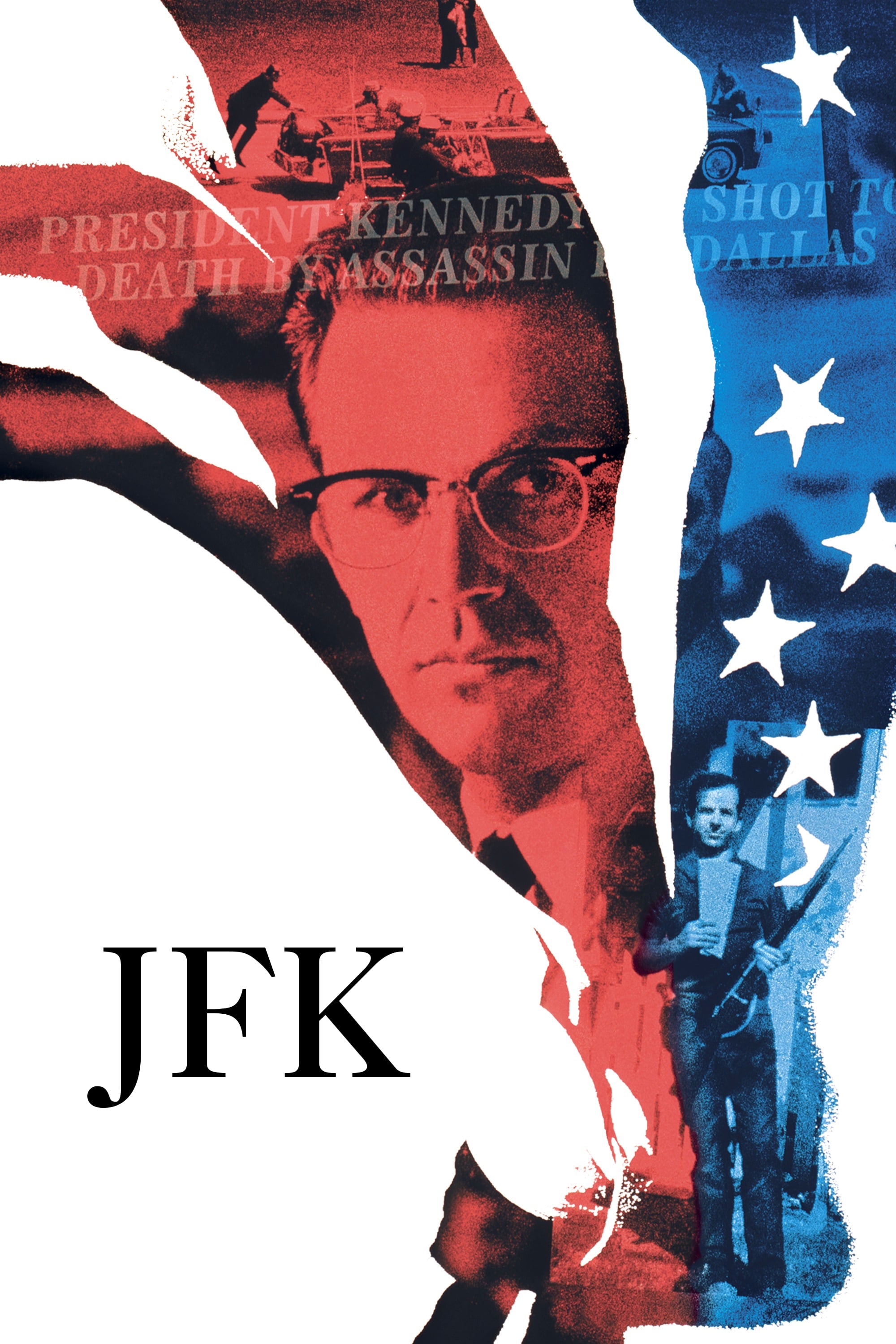
Origin: Stone met Warner Brothers about a Howard Hughes film, but Warren Beatty had the rights, so JFK was the backup pitch; jokes follow about carrying three pitches and a Doug Collins 1972 Olympics pitch.
Gary Oldman as Oswald; Seinfeld spoof; Pesci-Tommy Lee Jones wig battle; Kevin Bacon's career revival; Oliver Stone's Dave cameo; Tommy Lee Jones in gold paint; Dealey Plaza recreation; John Williams score; New Orleans setting; specter of JFK; character actors in tiny roles
Offered as number one: Oldman as Oswald is creepy, great, and looks like Oswald.
Oldman must have shot much of his material separately with Stone; a 'Gary Oldman cut' as a standalone Oswald movie is wished for. — Chris Ryan
Deleted-scene story: Oldman asked Stone to point the camera at him late at night for an elegiac Oswald monologue; Stone shot him in a casket and planned to end the film with it before making a different call; it can be found on YouTube. — Brian Koppelman
The 1992 Seinfeld spoof 'The Boyfriend' features Wayne Knight and Keith Hernandez; Hernandez is praised and then jabbed as possibly a QAnon guy.
'The Boyfriend' is remembered as the episode that showed Seinfeld would be the biggest show, with the spitter bit called lights out. — Bill Simmons
Bacon is said to call the film a turning point that reignited his career, leading to A Few Good Men. — Bill Simmons
Stone's self-deprecating cameo in Dave two years later has aged best for one participant. — Bill Simmons
Tommy Lee in gold paint getting slapped by Pesci in a Dangerous Liaisons outfit is praised as the good version of a wild idea, unlike a cut Nicholson idea in The Departed; Tommy Lee doing it is what makes it great. — Bill Simmons
Objection: the same scene bumps against what's aged worst, the film's attitude about homosexuality, called retrograde and unacceptable; the counterpoint is that it was part of Garrison's case against Shaw and that era's judgment. — Brian Koppelman
Stone recreated the assassination in Dealey Plaza, spending $4 million to restore it to 1963 conditions and reroute traffic; Sutherland and Costner memorized their monologues. — Bill Simmons
Debate on whether acting is mostly memory: one participant says no, the camera reveals compelling people like Sutherland and memorizing matters more in theater; it is jokingly settled at 70% memory. — Brian Koppelman
John Williams's score and New Orleans as a setting are named.
The specter of JFK himself: the speech that opens Stone's documentary, the Caesar-like shot in the X speech and the still photograph of Kennedy.