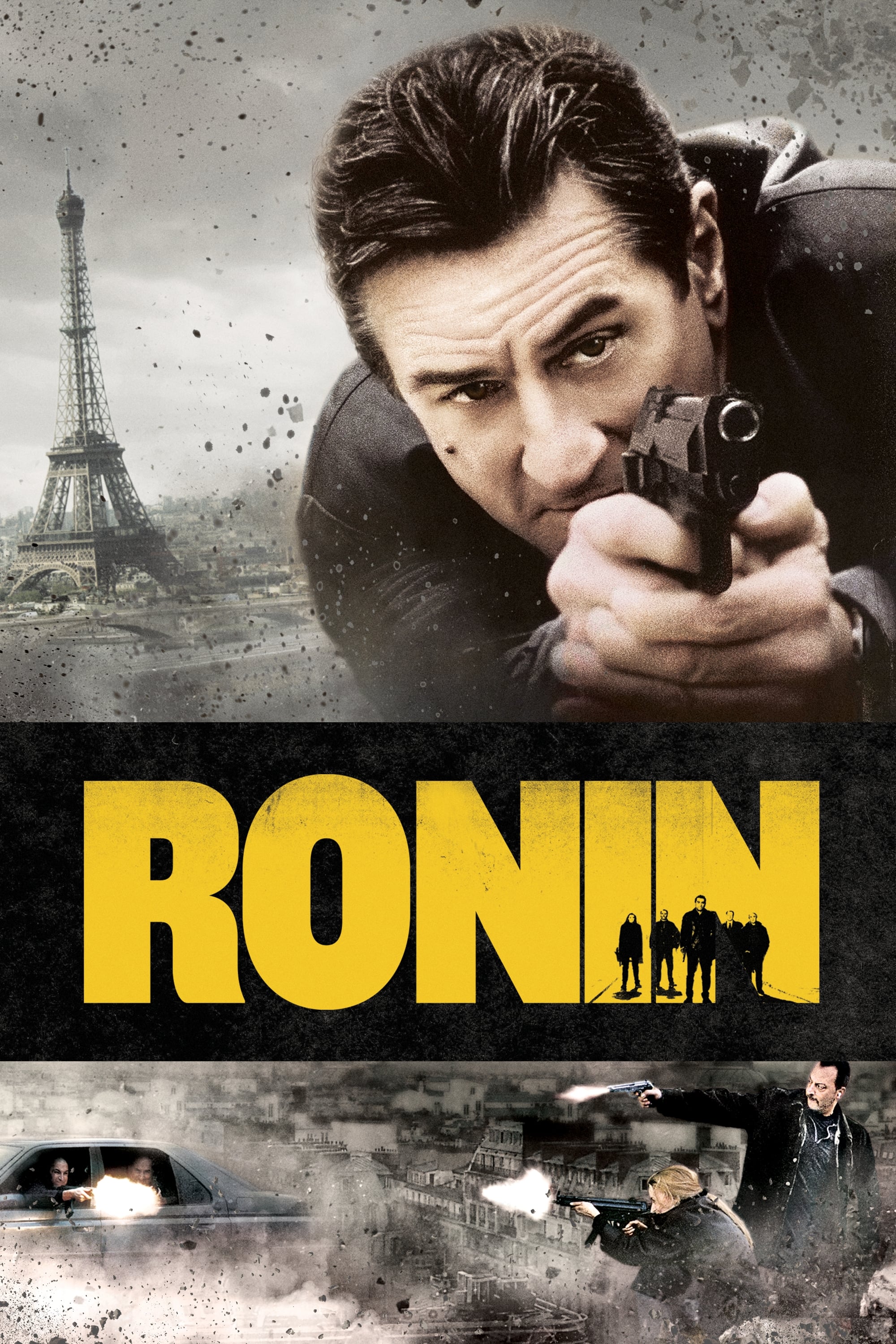
Bean's short run is recounted: walking the team into an ambush, wild machine-gun fire, the 'bit of raspberry jam' line, throwing up, and De Niro's cup-of-coffee ambush leading to the boathouse-at-Hereford exchange. — Chris Ryan
Bean could change the award's name, and winning both awards is compared to winning MVP and Rookie of the Year. — Chris Ryan
Whether Katarina Witt belongs in the Joey Pants award or Who Won the Movie is deferred. — Chris Ryan
Sudduth's part suits a late-1990s up-and-comer, so Ben Affleck is proposed, filming before Good Will Hunting broke when he had Chasing Amy and Mallrats. — Bill Simmons
Sudduth is recalled from TV, possibly as a precinct captain on a Chicago show. — Chris Ryan
Colin Farrell would have been too early for the part but is answered 'that would have been cool'; he could maybe also have done the Sean Bean part. — Bill Simmons
Katarina Witt; McElhone's accent and outfits; De Niro's case-photo setup; slow-building first 40 minutes; self-operation scene; wrong-people realization; the 'any doubt' lessons; gritty French locations; shifting stakes
Katarina Witt is the first pick: a host loved her and calls her the best-looking female athlete of his first 20 years, joking she could be a Bond villain. — Bill Simmons
Witt, an iconic gold-medal skater, turns up playing a gold-medal figure skater with barely a line. — Bill Simmons
McElhone's Irish accent is praised though she is from England, and her baggy-jeans outfits are back in style. — Chris Ryan
De Niro handing a stranger his camera to photograph the case, then studying the photos, is a favorite setup. — Bill Simmons
The first shootout into the first chase is only borderline, liked mainly for Sean Bean going for it, with Bean floated for the Dion Waiters or Vincent Hanna award and compared to a reality-show villain. — Chris Ryan
The first 40 minutes build and build. — Chris Ryan
The makeshift self-surgery to remove a bullet is a favorite action trope; other examples named are Heat, First Blood, Master and Commander (called the all-timer), Cast Away and John Wick, while The Fugitive does not count because he is a doctor. — Bill Simmons
The realization that only the Russians could have produced the second case, 'we're following the wrong people', is a nice swerve an hour in. — Bill Simmons
The lessons 'whenever there is any doubt, there is no doubt', 'that's the second thing they teach you' and 'no questions, no answers' are praised; a host says he should have adopted the first for Grantland. — Bill Simmons
The grey, gritty, chilly south of France locations are praised. — Chris Ryan
The movie changes from a guys-on-a-mission film to international intrigue to a cat-and-mouse game with De Niro, Deirdre and Mickey. — Chris Ryan
Whether the MacGuffin aged well is left undecided, joked as a new 'what's aged the I don't know' category: it felt like a Pulp Fiction ripoff, but Sam's reveal that he was there for Seamus makes it work. — Chris Ryan
The first shootout is left off as merely fine; the list opens with De Niro turning on Sean Bean's character, demanding he draw the diagram again and asking the color of the boathouse, before Bean's character is paid off and dismissed. — Bill Simmons
The first big shootout and chase is shot on location; De Niro shooting evokes Neil McCauley, and a host suggests that had McCauley escaped LAX he would become this character, a thought saved for unanswerable questions. — Bill Simmons
Jean Reno's driving faces and cars crashing through an outdoor bistro, with people scrambling, make it a how-did-they-do-that scene. — Bill Simmons
The film is defined by how many innocent bystanders get killed, unlike action movies' usual invisible rules; the hosts approve, citing a Speed comparison and the motorcycle rider being wiped out. — Chris Ryan
Low car-mounted cameras, wide shots and narrow streets make the chase feel car-sick real; the first Bourne movie borrows it, and a host quotes Frankenheimer's DVD commentary that violence does not happen in slow motion. — Chris Ryan
The switched-case gimmick is a favorite action trope; Gregor is sneaky, De Niro spots the switch from paint on his jacket, and Focus is mentioned for its bag switching. — Bill Simmons
In the playground scene Gregor nearly shoots a child to make a point until the Russian moves his gun, and Sam's meeting with his handler ('Do I know you?') is also cool. — Bill Simmons
The amphitheater scene and the France footage in general are praised, including realistic tourist crowds at landmarks. — Bill Simmons
The second chase is called the more legendary one: McElhone's character drives, Gregor quietly putting on his seatbelt minutes in is the funniest moment, and the wrong-way highway driving looks real and storyboarded, not CGI; it is named as the favorite. — Bill Simmons
The Katarina Witt figure-skating countdown ends with her boyfriend and then her being shot, a tense scene. — Bill Simmons
The final coffee scene, De Niro in a sling, has a Midnight Run goodbye feel; the hosts say an alternate ending had the IRA grab McElhone's character, that test audiences hated it while Frankenheimer preferred it, and one host calls cutting it a mistake. — Bill Simmons
Asked for a favorite, the answer is the second chase, one of the best car chases ever filmed, with added praise for the warehouse banter ('labor or management'), the French tavern meeting, and the post-skating crowd chase and MacGuffin reveal. — Chris Ryan
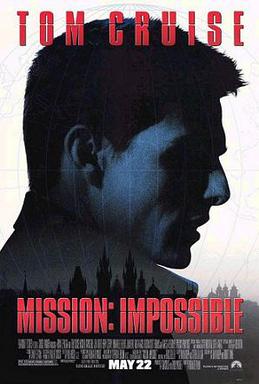
The award is defined as supporting character actors who make the most of their time; Vanessa Redgrave, born in 1937 and about 59 or 60, one of the great actresses of the 20th century, plays an arms dealer named Max who communicates via Usenet group, and is argued to have more sexual chemistry with Cruise than anyone in his movies except Kelly McGillis.
Redgrave looks at him like he is a steak, chews over every line, calls him dear boy, seems to have been taking nitrous hits, and smiles like a shark when he comes in; the shroud scene is recalled, with Ethan hooded in a knit hat and warned he will wear the shroud indefinitely if Max does not like what he has to say, and the clip of her asking who he is and his demand for $150,000 is played.
Whether it is a flaw or a nitpick, the villains' goals in the whole series are elusive: this film has Phelps and Max, and what they have going on, beyond shifting money around, is unclear; the explanation offered is Phelps's bitterness, voiced to Ethan as a tool for a war that is no longer going on, farmed out on $60,000 a year, the same line Ed Harris has at the end of The Rock the same year, read as the post-Desert Storm, Fukuyama end-of-history mood.
Other nominees: Henry Zerny (as transcribed), who did not pop off after this, whose performance once seemed over the top and is now excellent, including his interplay with Barnes played by Dale Dye, bullying him throughout, and dressing like a G man from the 1930s in overcoat and fedora once the pursuit of Hunt begins; he built a career on the dick bureaucrat after Clear and Present Danger, called his iconic performance.
Emilio Estevez, coming off Young Guns, seemed to be doing a fun cameo and never showed up in a blockbuster ensemble again, with The Outsiders and The Mighty Ducks debated; Kristen Scott Thomas was remarkable; Jon Voight has too many minutes played for the award but is unrecognizable from the iconic 1970s actor of Coming Home and Midnight Cowboy.
Ving Rhames gets respect: Luther becomes Ethan's conscience across the series, and casting the burly Marcellus Wallace figure as the smartest hacker in the room was a smart choice that holds, even after Simon Pegg is introduced; one host then goes with Redgrave.
Jean Reno is shouted out for a volcanic hot streak from The Professional through this to Ronin, where he plays nearly the same role more gregariously, with Sean Bean as the Jean Reno of Ronin; French Kiss with Kevin Kline and Meg Ryan is cited as his erased earlier appearance, and Redgrave is confirmed.