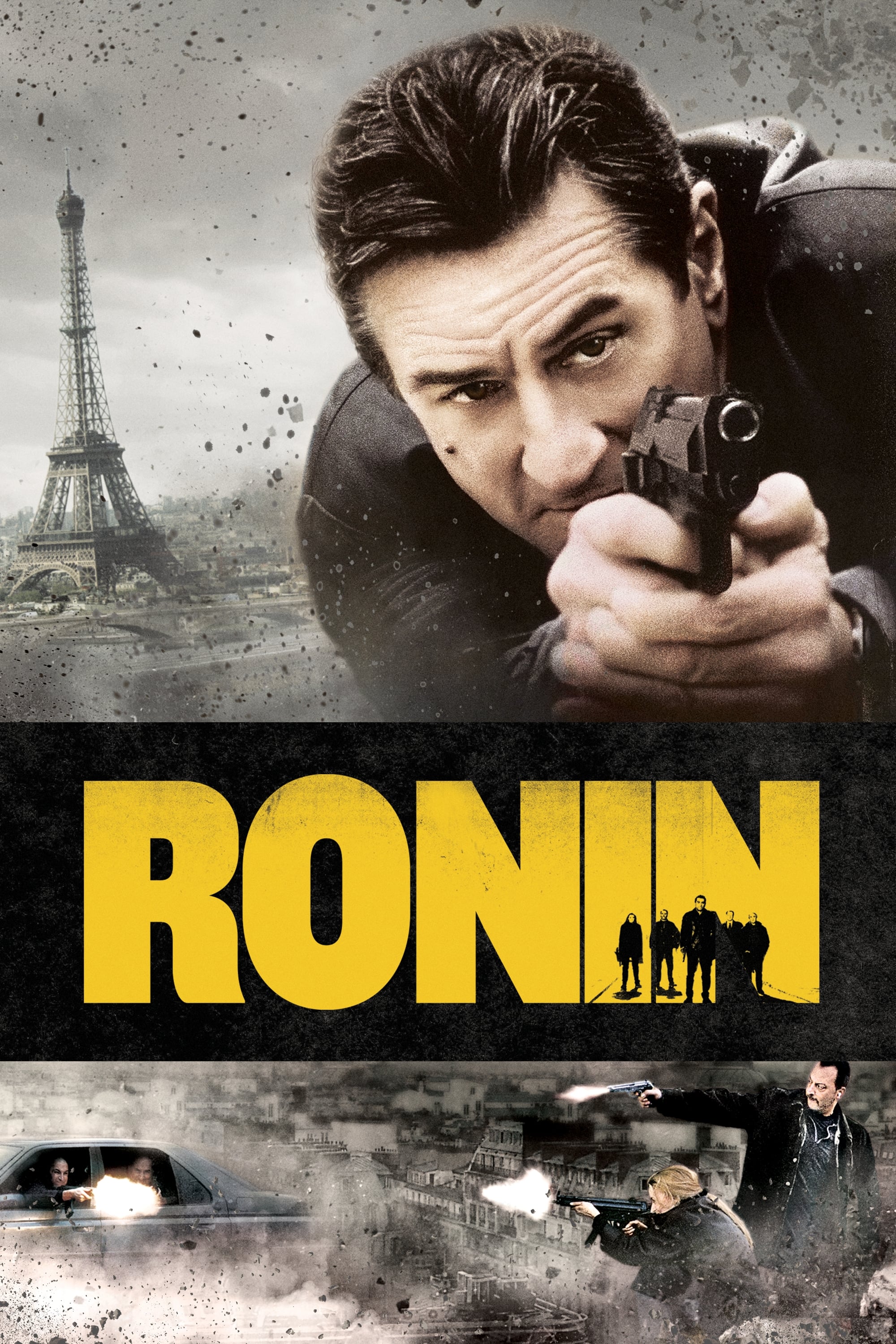
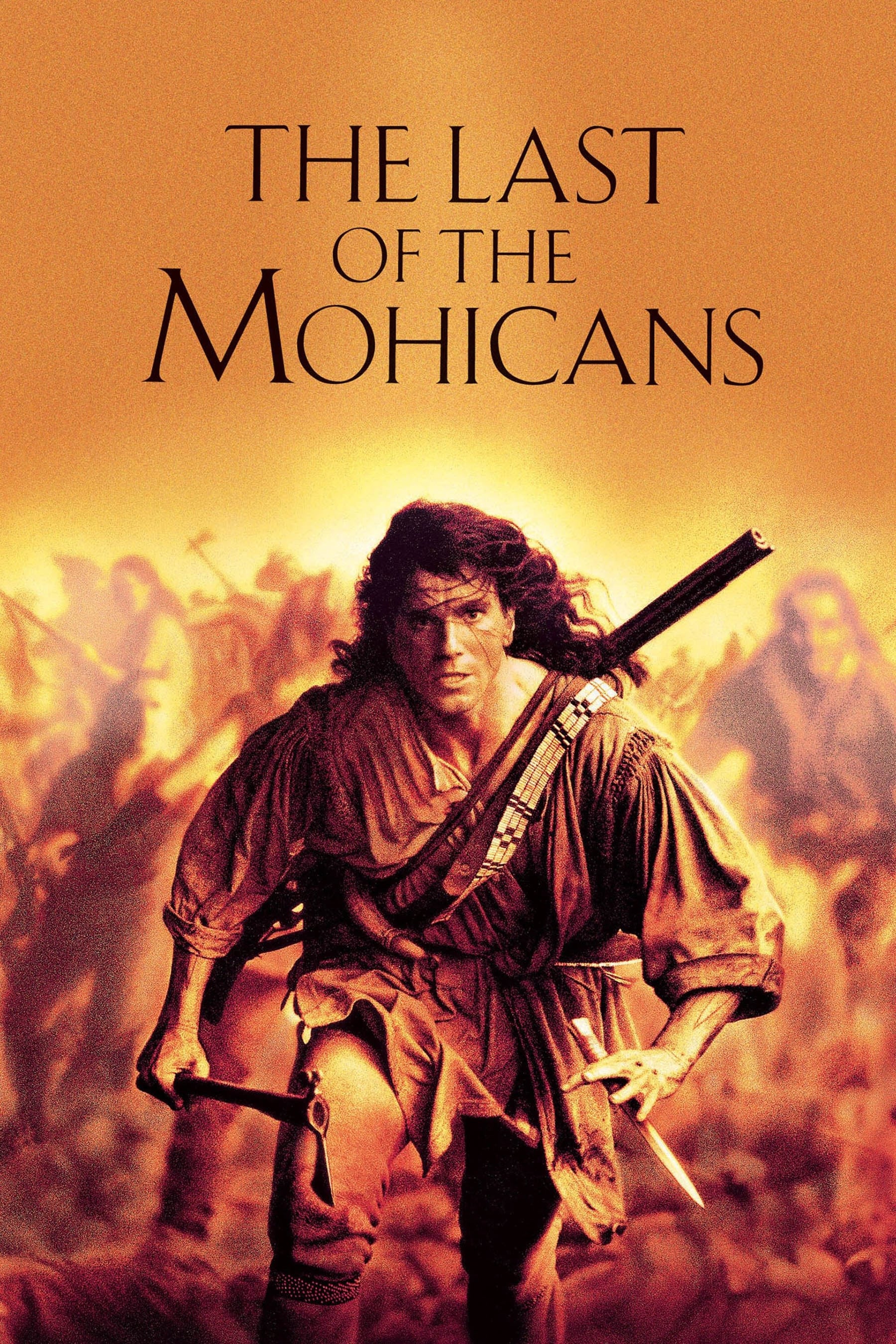
The hosts say Brian Cox was offered Colonel Monroe and turned it down.
The hosts say Andie MacDowell (transcribed 'Andy McDowell') was in the mix for Cora; she and Madeleine Stowe could have swapped almost every role, and the speaker says Stowe wins their all-time battle.
Counterpoint on whether Stowe could have led Four Weddings and a Funeral, and whether Andy McDowell (as transcribed) could have led Bad Girls.
The hosts say Jean Reno was offered General Montcalm (transcribed 'Montcom'), which would have been weird.
Stellan Skarsgård is at Apex, with this and Good Will Hunting in the same year and Deep Blue Sea the next; this is called peak Stellan and a great call.
Katarina Witt is not at Apex; hers was on the medal stand.
Frankenheimer's apex is The Manchurian Candidate.
Jean Reno's apex is The Professional; De Niro is not at Apex.
McElhone's apex is suggested as Californication.
Whether this is Apex Mountain for mysterious-switched-suitcase movies gets 'might be', then 'Yeah, I think it is', and ends at 'I think it's in the mix'.
It is 'absolutely' Apex for late-1990s France movies, and Apex Mountain for Nice.
The first shootout is left off as merely fine; the list opens with De Niro turning on Sean Bean's character, demanding he draw the diagram again and asking the color of the boathouse, before Bean's character is paid off and dismissed.
De Niro snapping and getting in someone's face is a favorite De Niro mode.
The first big shootout and chase is shot on location; De Niro shooting evokes Neil McCauley, and a host suggests that had McCauley escaped LAX he would become this character, a thought saved for unanswerable questions.
Jean Reno's driving faces and cars crashing through an outdoor bistro, with people scrambling, make it a how-did-they-do-that scene.
The film is defined by how many innocent bystanders get killed, unlike action movies' usual invisible rules; the hosts approve, citing a Speed comparison and the motorcycle rider being wiped out.
Low car-mounted cameras, wide shots and narrow streets make the chase feel car-sick real; the first Bourne movie borrows it, and a host quotes Frankenheimer's DVD commentary that violence does not happen in slow motion.
The switched-case gimmick is a favorite action trope; Gregor is sneaky, De Niro spots the switch from paint on his jacket, and Focus is mentioned for its bag switching.
In the playground scene Gregor nearly shoots a child to make a point until the Russian moves his gun, and Sam's meeting with his handler ('Do I know you?') is also cool.
The amphitheater scene and the France footage in general are praised, including realistic tourist crowds at landmarks.
The second chase is called the more legendary one: McElhone's character drives, Gregor quietly putting on his seatbelt minutes in is the funniest moment, and the wrong-way highway driving looks real and storyboarded, not CGI; it is named as the favorite.
The Katarina Witt figure-skating countdown ends with her boyfriend and then her being shot, a tense scene.
The final coffee scene, De Niro in a sling, has a Midnight Run goodbye feel; the hosts say an alternate ending had the IRA grab McElhone's character, that test audiences hated it while Frankenheimer preferred it, and one host calls cutting it a mistake.
Asked for a favorite, the answer is the second chase, one of the best car chases ever filmed, with added praise for the warehouse banter ('labor or management'), the French tavern meeting, and the post-skating crowd chase and MacGuffin reveal.