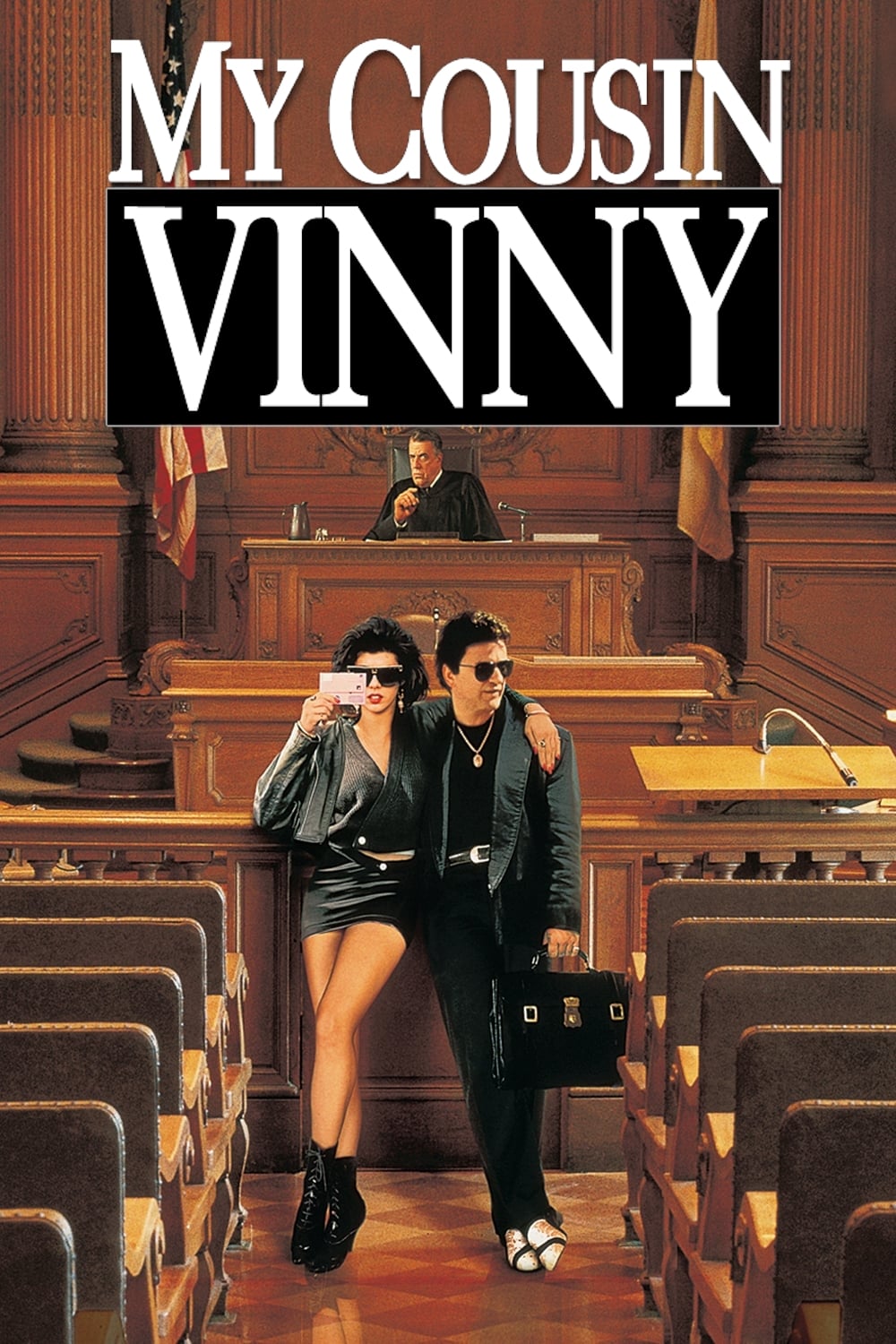
Makeup and lighting reportedly minimized the stars’ age gap, provisionally estimated as Tomei in her twenties and Pesci in his late forties. — Bill Simmons
The budget is reported as $11 million and the gross as $64 million. — Bill Simmons
Launer reportedly built the idea from a lawyer who passed the bar on the thirteenth attempt and imagined what would happen if that lawyer represented someone. — Bill Simmons
Pesci accidentally knocking over the chessboard while explaining his name was reportedly retained in the film. — Bill Simmons
Macchio reportedly is asked to autograph tuna cans because the opening hinges on an inexpensive can.
The ABA Journal reportedly ranked the film third among 25 legal films; Jonathan Lynn’s law degree is connected with his attention to legal detail. — Bill Simmons
Pesci made a later lounge album as Vinny, recalled as Vincent LaGuardia Gambini Sings Just for You. — Chris Ryan
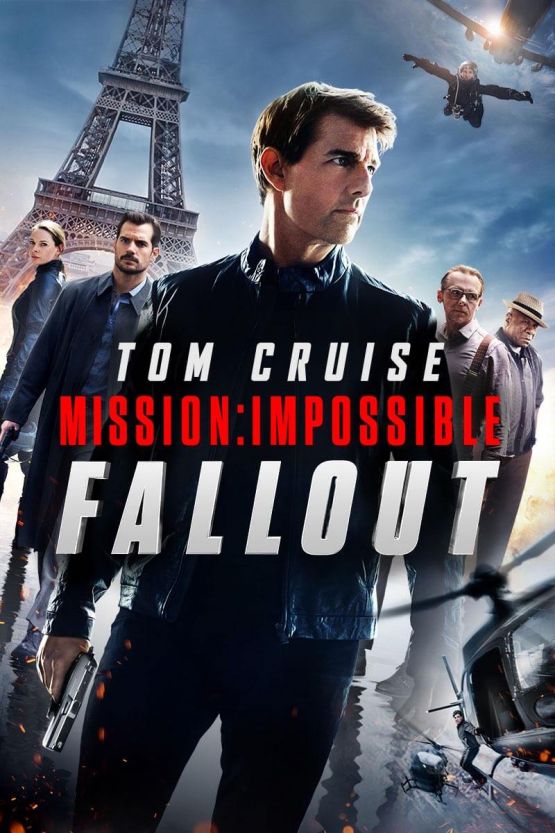
The Once Upon a Time in Hollywood speech provides a contrast with Cruise refusing to yield. Reported Man from Uncle casting and a planned Renner transition feed speculative motives for choosing a large handsome opponent. — Chris Ryan
Cavill is praised as awesome by some but Craig disputes his charisma and contribution, allowing that hidden identity may explain restraint. A defender values his sneaky presence and agrees to reconsider.
Why Jim shoots Claire first on the train; Jim and Claire's confounding relationship; Krieger's end game; what Kittredge's deal with Max amounts to; the helicopter in the train tunnel; what Max and Phelps are actually after
Nobody understands why Jim had to shoot Claire first: she only asks whether they really have to kill Ethan and tells him not to, and he guns her down on the train, which makes no sense; maybe Emmanuel Bayard (as transcribed) did not want to return, or the film needed to underline that Phelps is deranged, but it remains confusing.
Jim and Claire's relationship confounds the hosts: on reuniting with her, Phelps immediately disparages her to Ethan in crude terms and later tells Ethan to take her, which seems unnecessary when Ethan has been a gentleman apart from the handsy magic trick; the joke is that De Palma has a problem with sexual politics.
Krieger's end game is unclear beyond living and dying by the black market and cutting out the middleman; and what really happens at the end when Kittredge offers Max a deal, implying she has information they can use, after which Ethan is simply back in the mix.
The science of flying a helicopter into the train tunnel is very tough, even if Krieger's earlier boast about flying one into the lobby of Fort Knox sets it up, and where he would have learned that is unknown; when the other train comes the other way the film cuts to a hard close-up on Ethan's face because it is illogical.
Flagged earlier during the Redgrave discussion as a flaw or a nitpick: every villain in the series has elusive aims, this film has Phelps and Max, and whether they are just shifting money around is unclear.
The award is defined as supporting character actors who make the most of their time; Vanessa Redgrave, born in 1937 and about 59 or 60, one of the great actresses of the 20th century, plays an arms dealer named Max who communicates via Usenet group, and is argued to have more sexual chemistry with Cruise than anyone in his movies except Kelly McGillis.
Redgrave looks at him like he is a steak, chews over every line, calls him dear boy, seems to have been taking nitrous hits, and smiles like a shark when he comes in; the shroud scene is recalled, with Ethan hooded in a knit hat and warned he will wear the shroud indefinitely if Max does not like what he has to say, and the clip of her asking who he is and his demand for $150,000 is played.
Whether it is a flaw or a nitpick, the villains' goals in the whole series are elusive: this film has Phelps and Max, and what they have going on, beyond shifting money around, is unclear; the explanation offered is Phelps's bitterness, voiced to Ethan as a tool for a war that is no longer going on, farmed out on $60,000 a year, the same line Ed Harris has at the end of The Rock the same year, read as the post-Desert Storm, Fukuyama end-of-history mood.
Other nominees: Henry Zerny (as transcribed), who did not pop off after this, whose performance once seemed over the top and is now excellent, including his interplay with Barnes played by Dale Dye, bullying him throughout, and dressing like a G man from the 1930s in overcoat and fedora once the pursuit of Hunt begins; he built a career on the dick bureaucrat after Clear and Present Danger, called his iconic performance.
Emilio Estevez, coming off Young Guns, seemed to be doing a fun cameo and never showed up in a blockbuster ensemble again, with The Outsiders and The Mighty Ducks debated; Kristen Scott Thomas was remarkable; Jon Voight has too many minutes played for the award but is unrecognizable from the iconic 1970s actor of Coming Home and Midnight Cowboy.
Ving Rhames gets respect: Luther becomes Ethan's conscience across the series, and casting the burly Marcellus Wallace figure as the smartest hacker in the room was a smart choice that holds, even after Simon Pegg is introduced; one host then goes with Redgrave.
Jean Reno is shouted out for a volcanic hot streak from The Professional through this to Ronin, where he plays nearly the same role more gregariously, with Sean Bean as the Jean Reno of Ronin; French Kiss with Kevin Kline and Meg Ryan is cited as his erased earlier appearance, and Redgrave is confirmed.
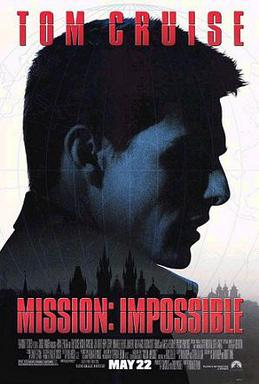
The movie is in a race against time as digital life changes; it was weirdly prescient about wireless streaming video, while things like Netscape no longer make sense; the first nominees are the Hitchcockian vibe of drawing on 1950s and 1960s Hitchcock for an espionage movie, especially in the Prague sequence, the cat-and-mouse format of the set pieces built on ducking into rooms, masks, disguises and hanging from places rather than buildings falling, and Cruise's performance.
Casting great actors in supporting roles is argued to hold up: Voight at the right stage of his career to be Phelps, a character from the television series; Manuel Bear (as transcribed), an actress few American filmgoers had seen; Jean Reno coming off Leon the Professional with his dickishness; Ving Rhames, who becomes the only other connecting figure in the series along with Monaghan; Kristen Scott Thomas, Vanessa Redgrave, Emilio Estevez and Henry Zerny (as transcribed), later of Sharp Objects, all lived in and knowing what movie they are in.
The Prague sequence is bittersweet because two or three movies of the Estevez, Kristen Scott Thomas and Cruise team would be welcome; it is set up like Alien with people who know each other, down to the wife's coffee and the barn in Kiev, and the scene where Cruise and Kristen Scott Thomas make out while tracking the arms dealer shows legitimately good chemistry, if less than Cruise's with Vanessa Redgrave; killing off those movie stars 35 minutes in is called a Hitchcockian twist like Janet Leigh in Psycho.
Estevez's line about lasagna while showing Cruise the chewing gum explosive is a favorite; red light green light and 'you've never seen me very upset' show Robert Towne style dialogue sprinkled throughout, and the hosts assign roles: Koepp the genius of action plotting, Zalian (as transcribed) the dramatic storyteller, Towne the king of memorable lines, with Tom Cruise movie starring on top.
De Palma's visual flair under control is the final nominee: the deep-focus shot where Don Lowe (as transcribed) is dressed down by Henry Zirny's (as transcribed) CIA character before being sent to Siberia, a charismatic look unlike same-looking modern blockbusters, stylish and fun where a Villeneuve film never makes you laugh; De Palma's playful visual style is named the pick.