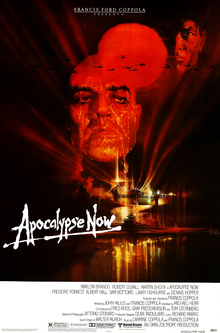
Film credit
Marlon Brando
Also referred to as Brando
Stats
- Episodes featuring their films
- 1
- Movies in this archive
- 4
Rewatchables episodes featuring Marlon Brando’s films
Mentioned in discussions


What’s Aged the Best?
Steadicam; music; sports-film influence; training; Shire; ending
In the discussion (14)
- Aged best: Steadicam, reportedly third movie using it, stair test with inventor's wife, accepting money rather than points regretted. ASR inventor names inconsistent; verify externally rather than guessing. — Bill Simmons
- Aged best: music/soundtrack still used in sporting events. — Bill Simmons
- Aged best: actual turtles reportedly kept by Stallone and alive as of last2021 reference; turtle pets criticized as smelly, long-lived, undesirable indoors.
- Aged best: sports-film form transformed by Rocky, called Marlon Brando of sports movies; dissent someone else might eventually have discovered formula. — Van Lathan
- Digression contrasts real-sport fascination with dynasties and fictional underdogs, aspiration versus inspiration, Moneyball/Cashman example; The Game and Last Dance show dynasty stories work in books/docs; fans hypocritically resent real surprise winners.
- Aged best race in boxing: tribal allegiances remain acceptable in boxing. Early sports films' white heroes facing Black opponents discussed. Disagreement over conceived Ali premise versus audience's racial reading and sequel wish; Apollo himself deploys race. Stallone's boxing investment illustrated by claimed Roy Jones Jr replacement by Antonio Tarver in Rocky Balboa. — Van Lathan
- Race discussion: Apollo explicitly monetizes audience racial biases; opinion movie itself clean on race versus Rocky III, with Dipper taking Rocky's locker noted.
- Boxing-gym authenticity: locker taunt and gym stopping for conflict; Van recounts fitness sparring complaint and racial tribalism, followed by commentary stereotype jokes.
- Aged best: miserable initial5a.m. eggs/run/failed steps with coughing and side pain, setting up later triumphant return. — Bill Simmons
- Angry Mickey dialogue praised, including women weaken legs and eat lightning/crap thunder; Burgess Meredith Penguin/Twilight Zone memories. — Bill Simmons
- Aged best: inventive meat freezer, gritty1970s Philadelphia/Kensington/Port Richmond and economic despair shared by other cities. — Bill Simmons
- Aged best: television Rocky marathons, complaint Rocky II repeats original ending; out-of-nowhere athlete inevitably evokes Rocky. — Bill Simmons
- Aged best: Talia Shire in three Best Picture winners in five years; Adrian distinguished from Connie. Godfather family-lying digression. — Bill Simmons
- Aged best: Gazzo's driver comedy, Steadicam, and final revised ending. Director anecdote rejected crowd-carrying ending and downcast aisle-walk ending before musical ring reunion saved film. Adrian's subtle vulnerability grounds exaggerated characters; joke Paulie bad brother. — Bill Simmons

In the discussion (1)
- Debra Winger was reportedly considered for Linda and Brando for Earl; Winger might improve a performance deemed too similar to Amber Waves and emotionally unprepared.
In the discussion (10)
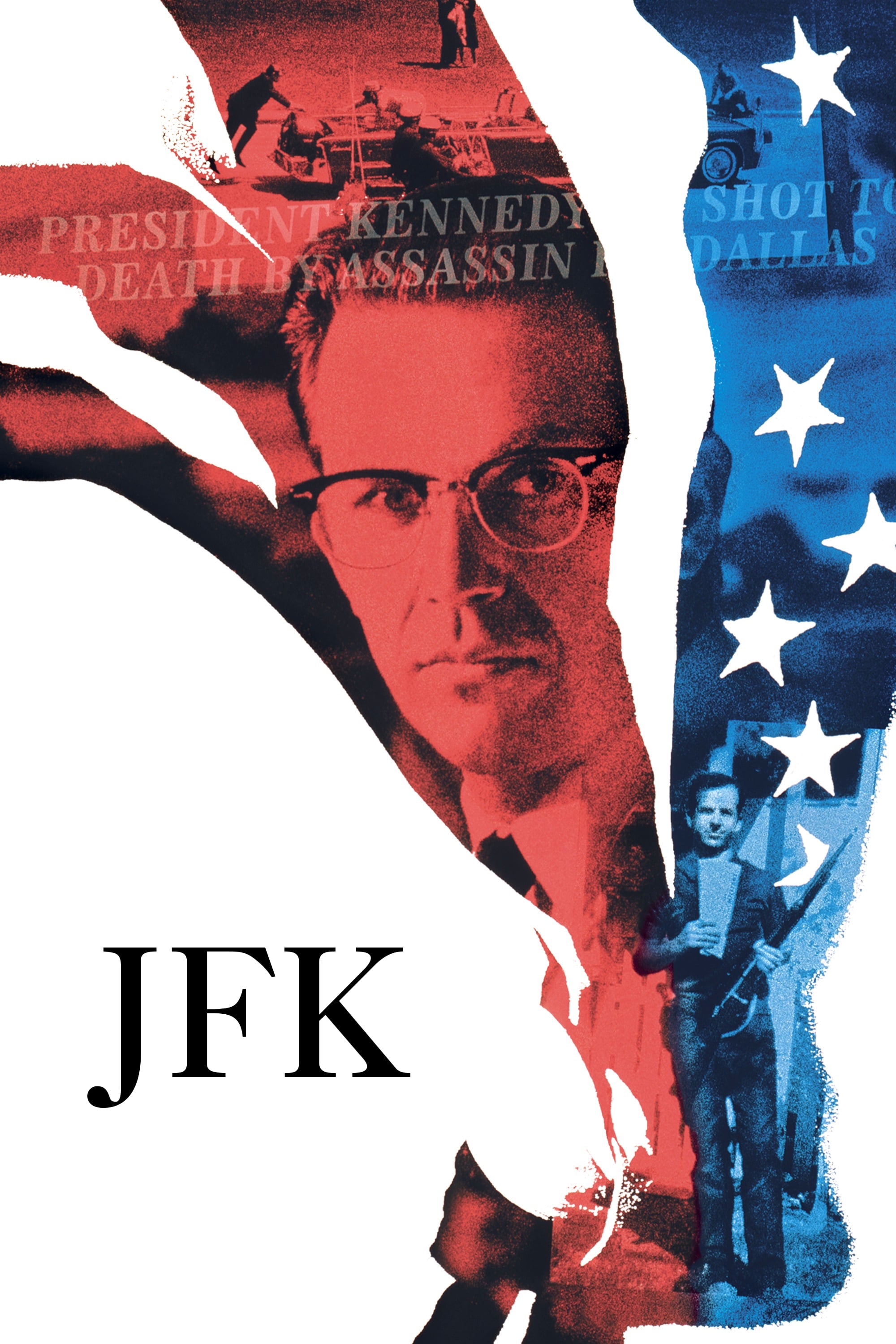
- Stone is said to have sent the script to Costner, Mel Gibson and Harrison Ford. — Bill Simmons
- Gibson is argued as a great, wild-eyed Garrison who would better represent Stone's mind, and who later made Conspiracy Theory; another questions casting an Australian. — Sean Fennessey
- Harrison Ford doesn't make sense but is a big what-if, with a wish he had more movies like this.
- Don Johnson tried hard for Garrison and has post-Miami Vice appeal, but doesn't read smart enough to be the district attorney. — Brian Koppelman
- Jeff Bridges would have been amazing; 'Hank' (as transcribed) might work but may be two years too young and too aw-shucks. — Brian Koppelman
- Will Patton is suggested as David Ferry; Stone wanted James Woods, but Woods wanted to play Garrison. — Bill Simmons
- Frank Whaley was going to be Oswald, and after the part went to Oldman he was made the imposter.
- Willem DeFoe (as transcribed) and John Malkovich turned down the Ferry role; Malkovich in the red wig would have been mind-boggling.
- Stone considered Marlon Brando for Mr. X, joked to need SNL monologue-style cue cards.
- Origin: Stone met Warner Brothers about a Howard Hughes film, but Warren Beatty had the rights, so JFK was the backup pitch; jokes follow about carrying three pitches and a Doug Collins 1972 Olympics pitch.


Recasting Couch
Richard Gere or Paul Newman as Graham; broader Redford, Brando, Hoffman, DiCaprio, and Lakeith Stanfield hypotheticals
In the discussion (7)
- Richard Gere for Graham is proposed and disputed.
- Paul Newman is treated as the most intriguing period alternative.
- Robert Redford is considered.
- Marlon Brando is considered.
- Dustin Hoffman is considered.
- A post-Revenant Leonardo DiCaprio version is imagined.
- Lakeith Stanfield is proposed for a modern version.
Recasting Couch
Al Pacino as Uncle Frank
In the discussion (3)
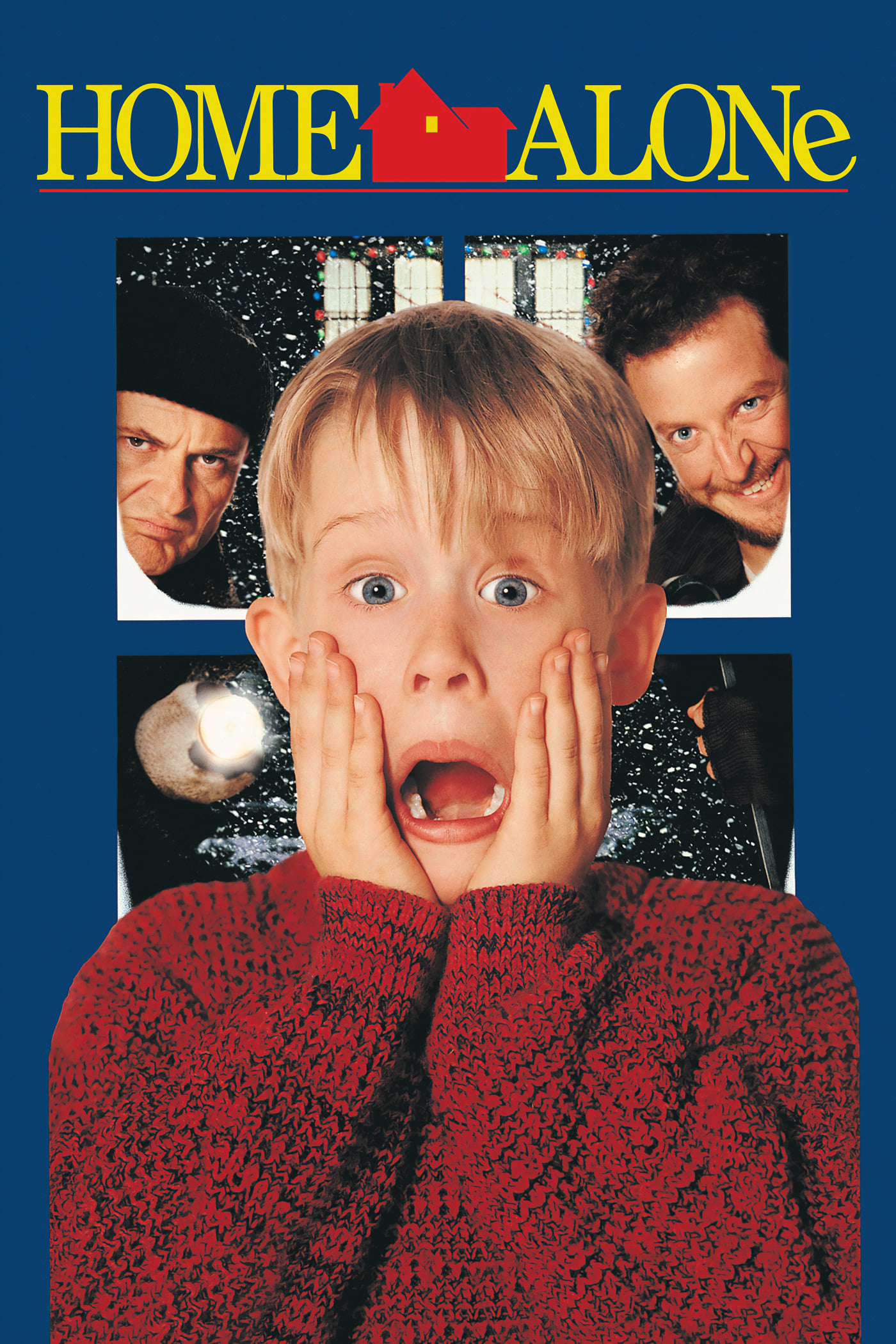
- Casting tough-guy actors as Harry and Marv would be fun, but there is little to recast. — Chris Ryan
- Pacino should have played Uncle Frank rather than the Pesci role. — Chris Ryan
- The joke extends to casting all the McAllister men as mafiosos, with Marlon Brando as Marley. — Chris Ryan
Half-Assed Internet Research
McConaughey's scenes were shot in the second week and his chest-beating was his warm-up; the film was financed with money allegedly stolen from Malaysia's 1MDB fund and Red Granite paid $60 million to settle; 400 to 450 VFX shots, shot digitally; a Guinness record 506 F-words; the actors snorted crushed B vitamins; Christina McDowell's open letter about the victims; Robbie's paper cuts on the bed of cash; Spielberg spent a day on set during the Steve Madden speech; Belfort coached DiCaprio on quaaludes; 27 takes for the Joanna Lumley kiss; the drug scenes are edited oddly on purpose
In the discussion (14)
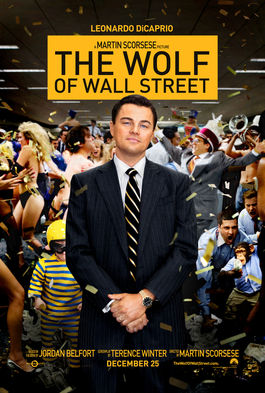
- McConaughey's scenes were shot in the second week of filming; the chest-beating and humming were improvised from his pre-acting warm-up; the brief shot of Leo looking uneasily away from the camera was him looking to Scorsese for approval, and DiCaprio pushed to keep it in and later said it set the tone for the film, a pretty good sliding-doors moment.
- The Malaysian Anti-Corruption Commission alleged the film was financed with money stolen from the One Malaysia Development Berhad sovereign wealth fund by producer Riza Aziz, who pled not guilty to charges in July 2019; 2016 Department of Justice civil complaints named it as having provided a trust account through which hundreds of millions were siphoned; Red Granite Pictures paid $60 million to settle with no admission of wrongdoing.
- The story is part of Billion Dollar Whale by Bradley Hope and Tom Right (as transcribed): Joe Low (as transcribed), a well-off Malaysian kid at Pen among generational wealth, became a networker who threw parties without paying, went home to start a fund with Aziz, the prime minister's stepson, pulled in Middle East money and Goldman Sachs, took Paris Hilton on ski trips, bought Lindsay Lohan 23 bottles of champagne, bought part of EMI, sent Marlon Brando's Oscar to DiCaprio, who gave it back, and made a $43 million art purchase.
- DiCaprio and Scorsese saw guys offering total control and endless money after Scorsese had wasted half a year in development; in a poetic twist the financing is a testament to the reality the film depicts, money at your fingertips making you throw away principles; the money is still being chased, Low is thought to be under Chinese protection, DiCaprio and others gave back everything gifted, and whether anyone actually liked the guy is an open question; the movie is a lot different without a kid from Malaysia stealing money.
- The budget was needed partly for 400 to 450 VFX shots, uncommon for Scorsese outside Hugo; the film was shot digitally after he had been one of the last bastions of film, and without it there is probably no Irishman.
- The film set a Guinness World Record with 506 uses of the F word, 2.81 per minute, beating Casino at 422 and the 1997 British film Null by Mouth (as transcribed) at 428; CinemaScore audiences gave it a C, the lowest of anything in theaters that week, which is why America is not to be trusted.
- The actors snorted crushed B vitamins for the cocaine scenes and Jonah Hill ended up hospitalized with bronchitis; the film also commits the consistent Scorsese error of a character throwing the head back after a line as if hooked by the neck, which nobody does in real life.
- Christina McDowell, daughter of Tom Prusalis, who worked with Belfort at Stratton Oakmont, wrote an open letter criticizing the film for not portraying the victims; the response is that Boiler Room did have the family-guy victim, that this is like replying to a tweet with the seven things it left out, and that nobody would have seen a movie about the victims, which they made as 99 Homes with Andrew Garfield; the popularity of a movie like this is itself the point, which is where the final shot out into the audience lands: you thought this was fun, think about it.
- Margot Robbie reported the sex scene on a bed of fake cash was uncomfortable because the sharp paper bills gave her multiple paper cuts on her back.
- Asked for takes on the sex scenes, the addressed host declines to vamp for twenty minutes about them. — Chris Ryan
- The last sex scene is disturbing and awesome, such a fuck you and the ultimate turn; she deserves exactly what he has done to everyone else, and it should be an awful heartbreaking moment for him, the rock-bottom guy finally seeing the woman who had his back and not deserving to get her back; the sequence up to the freak-out and the kidnapping is the Scorsese of Raging Bull and Taxi Driver, dread, fear and violence, the eggs out of her hands.
- On a routine visit Steven Spielberg spent a day on set watching the Steve Madden speech and, per Scorsese, essentially co-directed it, advising actors and suggesting angles; that shows Scorsese's confidence, where anyone a tier below would say scram, like a host in the background wanting quicker questions when Simmons had Damon in studio; two cinematic geniuses might just agree there is a right way to tell a scene.
- Belfort coached DiCaprio's behavior, especially how he reacted to quaaludes and the dope-induced confrontation with Danny Porish (as transcribed), the character Jonah plays; a weird conversation that nonetheless makes sense since we are out of ludes and cannot know, something like trying to stay up on Ambien but much harder.
- DiCaprio was so nervous about the kissing scene with Joanna Lumley that it took a reported 27 takes; Scorsese has confirmed the editing is odd on purpose, with continuity issues after every scene where Jordan takes drugs; DiCaprio's dance was done on the spot but learned over decades, a real bar mitzvah robot he presumably did after a few sarsaparillas, in another smashed-up sequence with three songs in a minute and a half.

In the discussion (6)
- Coppola is selected for turning a trashy novel into landmark American cinema and setting a new course for filmmakers.
- Al Pacino is the strongest acting alternative.
- Gordon Willis is briefly considered before the speaker settles on Coppola rather than get “too cute”. — Bill Simmons
- Robert Evans is nominated for enabling the production. — Bill Simmons
- Marlon Brando is considered and rejected as the winner. — Sean Fennessey
- Robert Duvall is nominated during the extended closing discussion.

In the discussion (5)
- James Caan is judged below his apex. — Bill Simmons
- Coppola, Pacino, and Brando are judged below their apexes.
- Gordon Willis’s apex is assigned to Part II. — Chris Ryan
- Al Martino receives a joking apex assessment. — Chris Ryan
- Robert Evans is judged at his apex. — Bill Simmons

Half-Assed Internet Research
The research section covers Sofia Coppola, Sinatra, Pacino, Caan, Brando, cars, deleted deaths, salaries, and real figures.
In the discussion (10)
- Sofia Coppola played the baby in the christening. — Bill Simmons
- The Sinatra–Puzo confrontation story is recounted. — Bill Simmons
- Pacino really had his jaw wired during part of the shoot.
- A cast mooning tradition and Moon Champion belt are recounted. — Bill Simmons
- James Caan confronted Robert Evans after seeing his cut-down role at the premiere. — Bill Simmons
- Brando’s slap of Al Martino was reportedly improvised. — Bill Simmons
- Apollonia’s car is identified as a 1946 Alfa Romeo.
- Fabrizio’s death was cut from the first film, then filmed and cut again for Part II. — Bill Simmons
- Moe Greene is linked to Bugsy Siegel.
- Pacino, Caan, Keaton, and Duvall’s salaries are compared. — Bill Simmons
In the discussion (14)
- Burt Lancaster and Laurence Olivier were considered for Vito Corleone. — Bill Simmons
- Marlon Brando’s contested casting and screen test are recounted. — Sean Fennessey
- George C. Scott is discussed as a possible Vito. — Sean Fennessey
- Mia Farrow auditioned for Kay. — Bill Simmons
- Warren Beatty was considered for Michael and around directing. — Bill Simmons
- Jack Nicholson was considered for Michael. — Bill Simmons
- Ryan O’Neal was Robert Evans’s preferred Michael. — Bill Simmons
- Robert Redford was considered for Michael. — Bill Simmons
- Dustin Hoffman auditioned. — Bill Simmons
- Martin Sheen auditioned. — Bill Simmons
- James Caan tested for Michael and Tom before moving to Sonny. — Bill Simmons
- Carmine Caridi was originally slated for Sonny. — Bill Simmons
- Robert De Niro left the Paulie role for The Gang That Couldn’t Shoot Straight. — Bill Simmons
- Sylvester Stallone unsuccessfully auditioned for Paulie and Carlo. — Bill Simmons
In the discussion (2)
- The hosts report that Ebert’s original review criticized aspects of Brando’s performance. — Bill Simmons
- They report that Ebert later revised his view and awarded four stars.
Probably Unanswerable Questions
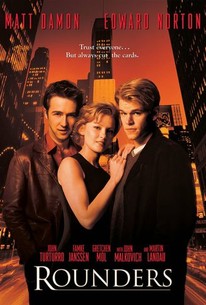
Was Knish the smartest of them and the hero? Where does Johnny Chan's cameo rank among sports cameos? Is this the best gambling movie ever made? Does 'women are the rake' hold up? Where did Worm go after Binghamton? Did Joe give Petrovsky the 10 grand? What was the perfect release year? Could Damon and Norton have switched parts?
In the discussion (9)
- Was Knish the smartest of all these people and the hero? He owned his own business, grinded out the rent money, was smart enough not to lend Mike McD 10 grand he would never see again, stayed away from Worm, and gives the Turkish bath speech that it is about making a living, not the World Series; he seems to live okay with his truck business despite alimony and child support.
- The ending at the World Series of Poker, which nobody watched then because you could not see the cards, became everyone's dream within five years; Positively Fifth Street by James McManus, about the World Series and Binion's, is recommended as one of the great crime and sports books, and Grantland tried to hire him.
- Where does Johnny Chan's cameo rank among sports-related cameos? The bar is Hulk Hogan in Rocky III; also Kareem in Airplane, Xavier McDaniel in Singles, Larry Bird in Blue Chips, though Koozie (as transcribed) with the left-handed free throws is the real Blue Chips flex and is acting rather than a cameo, and Bob Watson and Cesar Cedeno in the Bad News Bears sequel; Chan is up there even though he only mouths words.
- Is this the best gambling movie ever made? It is a host's favorite poker movie but not favorite gambling movie, which is Robert Altman's California Split with George Segal and Elliot Gould, about how befriending a gambler is bad for you; Koppelman and Levine are surely California Split guys, but as poker movies go Rounders is head and shoulders above everything.
- Where do we stand on 'in the poker game of life, women are the rake'? Iconic twenty years ago, it now reads as misogynist in the woke era, but the hosts still like it: it is Worm's line, this is a movie about card-playing, prison-dwelling dirtbags and that is how they talk, not a movie about the president or the Navy.
- Where did Worm go after Binghamton? In a 2013 Grantland mailbag Koppelman and Levine answered that he meant 'highway time' but needed road money, found a Bronx backroom game far from KGB's territory, and was chased across town by the man he had fleeced for cigarettes in the prison hearts game, a scene they shot, edited, screened and cut; they imagine he later scammed his way through the Moneymaker online boom, where Rounders 2 would pick up.
- Are we sure Joe gave Petrovsky the 10 grand? Why would she, and how would he know; and why did Petrovsky lend it in the first place to a bad student with a gambling problem, since nobody would give 10 grand to an untrusted, failing Ringer employee; Joe's look through the window pane suggests they will go another round, but nothing is certain.
- What year would have been perfect for release? It would have to be about two weeks before Moneymaker so the movie was still in theaters during the rush of interest, but Damon and Norton would be too old by then; a year later, after Fight Club and Ripley, is floated, yet both like how it played out and doubt a later release would have led to this podcast.
- An early question saved from this category: could Damon and Norton have switched parts? Norton 100 percent, since at the time he seemed the new Marlon Brando and the most important actor in a decade; Damon no, and Norton as the embodiment of filth and dishonesty is probably the more irreplaceable of the two.