Film credit
Margot Robbie
Also referred to as Robbie
Stats
- Episodes featuring their films
- 3
- Movies in this archive
- 3
Episodes featuring Margot Robbie’s films
The Rewatchables
Once Upon a Time in Hollywood
2019 film
Bill Simmons · Sean Fennessey · Chris Ryan
Aired February 6, 2020
The Wolf of Wall Street
2013 film
Sean Fennessey · Chris Ryan · Ryen Russillo
Aired December 3, 2019
Mentioned in discussions


The Butch’s Girlfriend Award for the Weakest Link in the Film
Will Smith and Eva Mendes’s chemistry; the extended kiss lesson.
In the discussion (6)
- Will Smith and Eva Mendes’s romantic chemistry is criticized as merely adequate. — Van Lathan
- Their chemistry is compared unfavorably with Smith and Margot Robbie and with Mendes and Ryan Gosling. — Van Lathan
- Will Smith and Kevin James are judged to have the movie’s strongest chemistry.
- The extended kissing lesson is criticized as overlong.
- The kissing lesson is defended as iconic and not bothersome.
- Another view says there are no weak links because the core actors are solid.
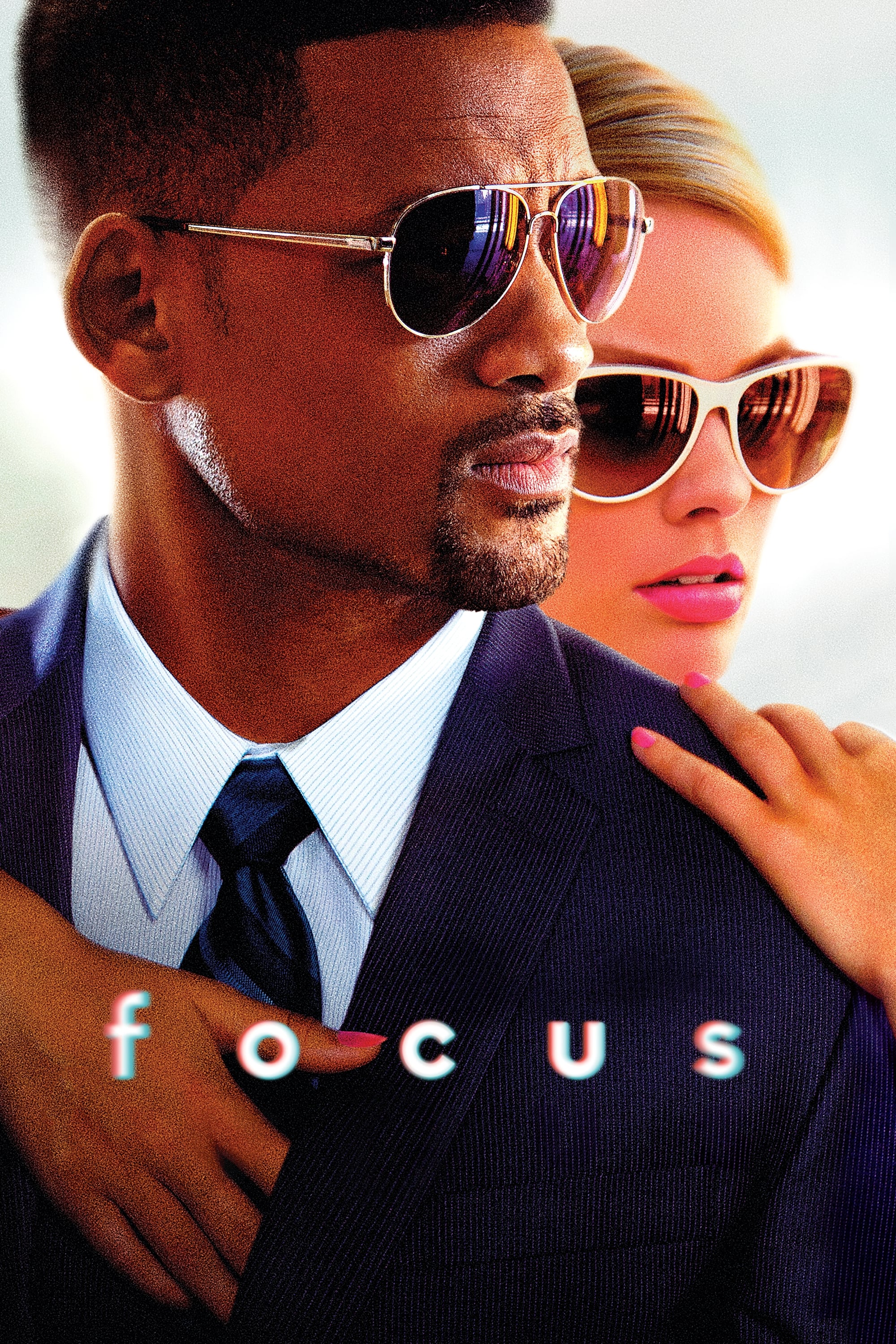

Who Won the Movie?
Car-crash henchman; Margot Robbie
In the discussion (5)
- A 'crazy choice' is announced and described as not an obvious answer; 'Farhad' is interjected. — Bill Simmons
- The pick is the henchman who performs the car-crash stunt in essentially a single take, shot from both sides so blood appears after impact, driving into Smith and Robbie. — Wesley Morris
- The character is looked up on air as Brennan Brown as Horst, with doubt whether that was his name; 'That guy wins the movie for me.' — Wesley Morris
- The other pick is Margot Robbie, who goes toe to toe with a huge star and pulls him out of a five-year movie coma; Smith could win, but she is in a better place afterward. — Bill Simmons
- She could have a Charlize-type career, though she is not yet as good an actress. — Bill Simmons
Podcast choices
- Wesley Morris
- Car-crash henchman
In the discussion (2)
- The only question offered is Focus 2, a sequel: Robbie bigger, Smith older and trying to get out of the game for one last job. — Bill Simmons
- The leads would be divorced with a kid who is in on the heist, a preschool heist. — Bill Simmons

Picking Nits
Margot Robbie too memorable for an under-the-radar thief; 30-person New Orleans crew; incomprehensible race-car con
In the discussion (4)
- Margot Robbie may be too attractive and memorable to be an under-the-radar thief. — Bill Simmons
- The counterpoint is that she's a petty con artist and her beauty creates the distraction for taking the watch; Miami Vice's recognizable undercover cops are compared. — Wesley Morris
- The New Orleans crew is about 30 people at a party with no undercover agent among them, splitting $1.2 million. — Wesley Morris
- The auto-racing con Smith pulls remains confusing even after multiple viewings; an attempted explanation trails off into 'I don't get it'. — Wesley Morris

Apex Mountain
No affirmative selection
In the discussion (6)
- Will Smith: no. Margot Robbie: no, her Apex is felt to be still coming, with "nothing yet". — Wesley Morris
- An aside objects that great acting now means playing real people, as with I, Tonya, the Roger Ailes film and Richard Williams, suggesting a best adapted performance Oscar; Meryl Streep as Thatcher and Saturday Live celebrity impressions are cited. — Wesley Morris
- Brad Pitt's original character in Once Upon a Time in Hollywood is more interesting; Once Upon a Time in Hollywood is floated as Robbie's Apex 'right now', immediately qualified that it doesn't feel like it has happened yet. — Bill Simmons
- New Orleans movies: no. B.D. Wong: no, despite Law & Order and And the Band Played On. — Bill Simmons
- Super Bowl movie scenes: definitely not. Gambling scenes: up there, in the conversation, alongside The Sting and Maverick. — Bill Simmons
- Maverick is called a caper movie; a Maverick anniversary piece was written as a special request, and it tapped a rarely seen Jody Foster. — Wesley Morris
In the discussion (6)
- The film was originally to star Ryan Gosling and Emma Stone, two people mentioned earlier in the episode whom the filmmakers would want to reunite; they dropped out, possibly toward La La Land. — Bill Simmons
- Doing this and La La Land back to back would have made them a Tracy-Hepburn pairing, prompting a tangent on audiences recognizing pre-1970 references. — Wesley Morris
- Ben Affleck and Kristen Stewart then became the leads; it would have been a good Affleck movie, though one participant does not like the combination. — Bill Simmons
- Stewart is praised as a subtle sexual actor, citing an extremely erotic film with Julieta Benoche, versus Robbie's externalized style; Smith and Stewart are predicted best actor and actress winners this year. — Wesley Morris
- An Affleck-Robbie pairing is joked to have continued off set; Affleck instead made Runner Runner with Justin Timberlake, called poorly directed. — Bill Simmons
- Per the internet research, Affleck dropped out over scheduling, Will Smith signed, then Stewart dropped out; whether she left over scheduling is unknown, assumed busy. — Bill Simmons

What’s Aged the Worst?
McEwen, the Australian race-car guy; unexplained breakup after the Super Bowl con
In the discussion (3)
- The Australian race-car guy is just a bad, uninteresting character, as if the actor were hired two minutes before filming. — Bill Simmons
- Why Smith's character broke up with Robbie's after the Super Bowl heist is never understood; the theory is the movie needed it and it could not be a transgression. — Wesley Morris
- After selling the chemistry the film never explains the walkaway; it would have been better if he were married. — Bill Simmons

What’s Aged the Best?
Smith-Robbie chemistry; music choices; title said in the movie; Will Smith's collared shirts; pharmacy car-crash sequence; non-lethal staged shooting; thief lessons
In the discussion (11)
- The Will Smith and Margot Robbie chemistry is listed first. — Bill Simmons
- Most of the music choices are liked, including the opening song, Iggy Pop's Gimme Danger and a White Bird song. — Bill Simmons
- The title is said in the movie ('this is a game ... of focus'), which always wins a heart. — Bill Simmons
- Will Smith's clothes, especially checkered collared shirts, are elite, though the decade they aim for is hard to place. — Wesley Morris
- Smith's S curl hair is a sticking point: sometimes it looks fantastic, sometimes terrible. — Wesley Morris
- The hair may be meant to make McRaney plausibly his biological father; the film says he is 'basically my father' and leaves the biology ambiguous. — Wesley Morris
- A three-years-later dateline graphic is welcomed by one side, while the other asks why a caper needs a dateline, unlike Siriana or a Bourne movie; the location is corrected from Buenos Aires to New Orleans. — Wesley Morris
- The bad guy buying products at the pharmacy for the car accident is a really good sequence. — Wesley Morris
- The deliberate non-lethal shooting, aimed between ribs, is hard to pull off but works here, called the best one ever seen. — Bill Simmons
- Thief lessons are liked: give stolen cards back within an hour, married guys make the best marks, sell everything, take no chances. — Bill Simmons
- A never-pickpocketed participant doubts anyone could take his watch and calls her stealing the Piage watch at the end impossible; the cuts on every move and one visible wrist-wiggle suggest liberties. — Wesley Morris

Most Rewatchable Scene
Super Bowl scene; explanation of the con
In the discussion (23)
- The segment opens by saying there is an obvious winner but the candidates will be walked through. — Bill Simmons
- The opening hotel-bar scene recalls Out of Sight; the whole movie has an Out of Sight vibe with Soderbergh color schemes and a retro jazz-ish soundtrack. — Bill Simmons
- The hotel-room shakedown where Will Smith isn't buying it is liked, quoted through the Saudi bachelor party and cancer lines.
- Her thief audition on Bourbon Street is short but good; she carries it, and the sequence won one participant over on her, with a Pretty Woman-like sense of an actress blossoming in the part. — Bill Simmons
- The pre-Super Bowl bedroom scene, where he explains the Mello nickname and his dad's hammers-and-nails advice, is the needed quiet scene showing why to care about the couple. — Bill Simmons
- The Super Bowl scene is called one of the most rewatchable scenes of the last 10 years. — Bill Simmons
- The fake teams and uniforms, resembling Seahawks or XFL gear, are indefensible because the Super Bowl rights were not obtained; the sequence runs over 10 minutes. — Bill Simmons
- On rewatch you see Smith setting up B.D. Wong's gambler Lee Wan, and Sympathy for the Devil, often misused, works well. — Bill Simmons
- First time through it looks like he will blow the money; Jess spots Farhad through binoculars and gets it; B.D. Wong is great and it is a good 10-minute scene despite fake teams. — Bill Simmons
- B.D. Wong is having the time of his life off a Law & Order set and is probably overdoing it, flagged for the later overacting award. — Wesley Morris
- For a non-gambler the scene seems to head into a dark Leaving Las Vegas turn and reveals you can bet on anything. — Wesley Morris
- As a gambling scene it works, like a home-run hat pool at a ballgame; the one flaw, saved for nitpicks, is the terrible odds of the final double-or-nothing bet. — Bill Simmons
- Bored rich men betting in a suite is realistic, the reveal of the planted fives is cool, and the clever switch is worrying about Smith instead of the actual gambling addict. — Bill Simmons
- Liyuan just loves the action and the story, so losing does not bother him; the high matters more than the stakes. — Bill Simmons
- The limo dump with the $80K payoff, held as one shot while she breaks down, is very Soderbergh; why he does it is deferred. — Wesley Morris
- In Buenos Aires three years later she flips the con on him over drinks; the music is unnecessary goosing. — Wesley Morris
- On rewatch Smith visibly seems turned on in the drinks scene, rated a seven on a scale topped by William Hurt in Body Heat, with The Big Easy also cited. — Wesley Morris
- Owens (Gerald McRaney) sniffs around the hotel room while Robbie escapes by the balcony; balcony escapes are always welcome.
- The Owens rant is called overwritten screenwriting leaning on McRaney's southern military masculinity. — Wesley Morris
- The final candidate is Nikki explaining the con to the bad guys, the shooting and the whole ending. — Bill Simmons
- The Super Bowl scene is named most rewatchable 'for me'. — Bill Simmons
- Asked 'What do you have?', the reply picks the explanation of the con: the keylogger necklace and two montages letting Robbie then Smith tell their sides. — Wesley Morris
- The ending also features Rodrigo Santoro and the beefy security guy; the guy's roughly 90-second pharmacy sequence is praised as a Soderbergh- or Michael Mann-style bit and deferred to aged-best. — Wesley Morris
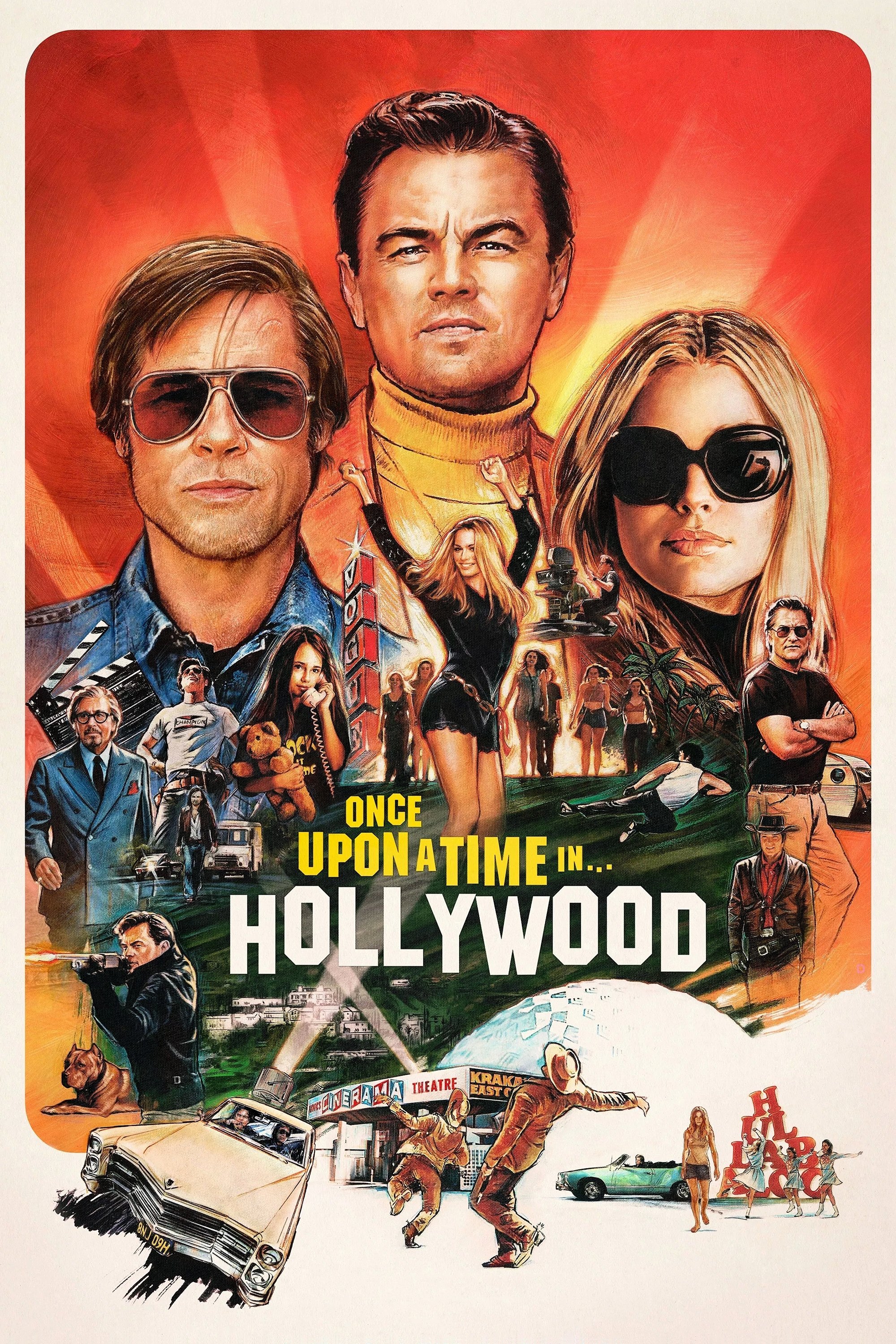
Apex Mountain
1960s dog food
In the discussion (4)
- This is post-prime Brad Pitt rather than prime; his Apex is settled as Ocean's 11 (or Fight Club) during the Jennifer Aniston years, after Moneyball is withdrawn. — Bill Simmons
- 1960s dog food is named Apex Mountain, followed by riffs on 1969 as a crazy year. — Bill Simmons
- Best Los Angeles movie is floated as in the conversation with Heat, Boys in the Hood and Nightcrawler; Bob and Carol and Ted Nallis is cited as an influence.
- The hosts hope this is not Margot Robbie's, Julia Butters' or Margaret Qualley's Apex, and doubt it will be seen as Pitt's. — Bill Simmons
Most Rewatchable Scene
Rick's trailer meltdown; Cliff on the roof and the Bruce Lee flashback
In the discussion (21)
- Pacino at Muso and Franks telling Rick his career is basically over is offered first; Pacino is called a sequel to his Heat performance. — Bill Simmons
- Marvin's night of brandy and watching movies alone is described as a host's idea of heaven.
- Pacino's character is said to be based on Dino De Laurentis, who brought actors like Bert Reynolds to Italy; his pitch speech is called pure Tarantino, like Tarantino's Top Gun speech in Sleep With Me.
- Rick crying in the parking lot after the meeting ("It's official, old buddy") is a favorite; with Cliff driving and Mrs. Robinson on the radio it sets up the whole crisis within five minutes. — Bill Simmons
- Cliff's return to his trailer at the Van Nuys drive-in with his dog, TV Guide and dog food is praised as a scene that should not work but does on Pitt's charisma, including him talking back to the TV. — Bill Simmons
- Asked whether he would be okay with that dog on a plane, the answer is no. — Bill Simmons
- The Bruce Lee scene: Cliff climbs onto the roof, takes his shirt off to fix the antenna, drawing a reaction in the theater, and flashes back to the fight.
- The fight is read as an exaggerated false memory: the onlookers vanish from the frame, so Cliff is an unreliable narrator, and the outrage over disrespect to Bruce Lee misses that point. — Sean Fennessey
- Showing Bruce Lee as overconfident is not considered an insult, since that confidence was part of his greatness. — Bill Simmons
- Sharon watching herself in a movie theater, after picking up a hitchhiker, is a favorite; every driving scene is rewatchable, one of two favorite driving-around movies. — Bill Simmons
- Using the real Sharon Tate on screen is praised; the idea is said to come from Tarantino's own experience at a theater after True Romance. — Bill Simmons
- Margot Robbie is called phenomenal here, more than in Bombshell; in a Golden Globes speech Tarantino is quoted as saying she brought the most goodness to any of his movies, a pure essence in an indecent body of work. — Bill Simmons
- A skipped scene: Rick floating in his pool running lines from a tape recorder while making whiskey sours. — Sean Fennessey
- Cliff picking up the hitchhiker is an amazing five minutes, with a Neil Diamond song; the soundtrack may be Tarantino's best.
- Rick's trailer freakout after blowing his lines is said to be going to win the category, and is described as improvised from DiCaprio's idea.
- Cliff's visit to Spahn Ranch is meant to evoke Texas Chainsaw Massacre, with the dogs playing the role of the Apocalypse Now helicopters; it loses some effect on rewatch. — Bill Simmons
- Lena Dunham's casting among the Manson family is distracting, and the stunt casting throws the viewer off. — Bill Simmons
- In the finale Cliff, high on an acid-laced cigarette, does all the work but Rick gets the credit, just like a movie. — Bill Simmons
- Rick's scenes with the child actor Trudi and the Rolling Stones "Out of Time" sequence with the lights coming on are added. — Chris Ryan
- One pick is Leo blowing his lines and freaking out in his trailer, including the Oliphon "line!" sequence. — Chris Ryan
- Another pick is Cliff on the roof and the Bruce Lee scene, the one most looked forward to on a third rewatch. — Bill Simmons
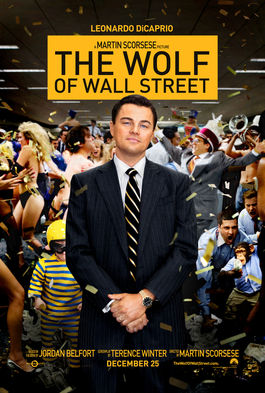
Probably Unanswerable Questions
Were the victims properly portrayed? Should the film be judged by who likes it or by who understands it? What in the movie is real? Why would Naomi stick around? What is the gateway activity that makes a man throw everything away?
In the discussion (4)
- The tricky thematic questions have already been explored: whether the victims and what they lost were properly portrayed, and whether to judge by who likes the movie versus who understands it; Danny Porish (as transcribed), the real Donnie Azoff, rejected the film as a dishonest account and had his name removed, which is why the character is Donnie.
- The real-life machinations prompt questions about what is real versus not, the car turning from red to white, the plane crash, waking up strapped to the airplane seat or finding cops in the house after driving home, the debauched good time from his perspective versus the havoc around him; whether Naomi would stick around is answered by Margot Robbie's own comment that she was not equipped to deal with an addict and was protecting her family, a dynamic familiar from real people; and for older men who were not rich young, what is the gateway activity, texting, last call, that leads to risking family and everything.
- Asked, in jest, whether he killed a guy, the addressed host answers no and notes that, not being married, he is not confessing anything; his point is that five years after the first thing that seemed like no big deal, guys end up with two families in two states. — Ryen Russillo
- This is a very lucrative version of a familiar American tale: people get away with as much as they can afford, and he could afford a divorce, cover-ups and refurbishing the 27th floor of the Mirage, so there are no consequences; no woman starts out fine with prostitutes, but the arguments creep in, and coming home to find the butler having an orgy is a different playground.