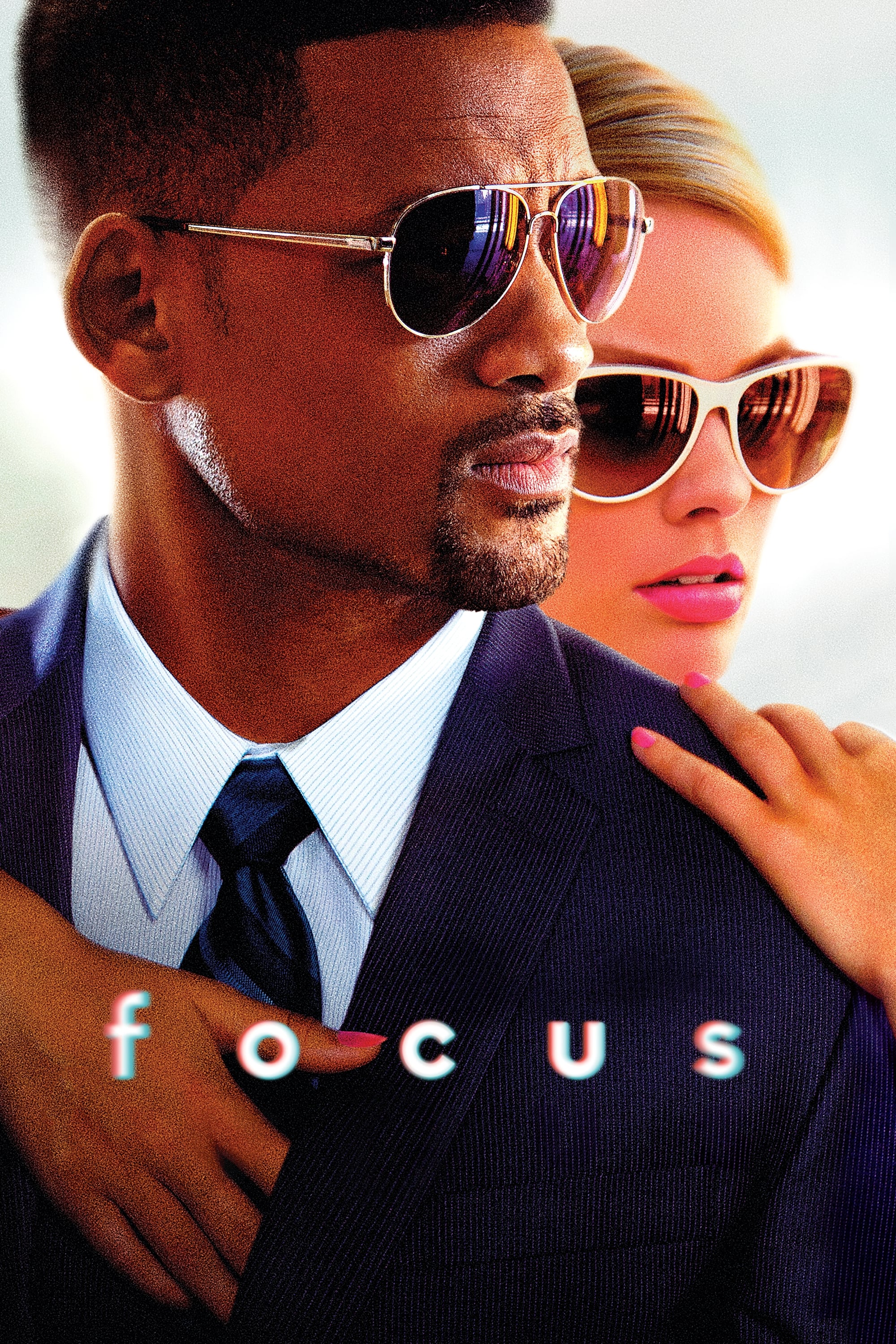
An aside objects that great acting now means playing real people, as with I, Tonya, the Roger Ailes film and Richard Williams, suggesting a best adapted performance Oscar; Meryl Streep as Thatcher and Saturday Live celebrity impressions are cited. — Wesley Morris
Brad Pitt's original character in Once Upon a Time in Hollywood is more interesting; Once Upon a Time in Hollywood is floated as Robbie's Apex 'right now', immediately qualified that it doesn't feel like it has happened yet. — Bill Simmons
New Orleans movies: no. B.D. Wong: no, despite Law & Order and And the Band Played On. — Bill Simmons
Super Bowl movie scenes: definitely not. Gambling scenes: up there, in the conversation, alongside The Sting and Maverick. — Bill Simmons
Maverick is called a caper movie; a Maverick anniversary piece was written as a special request, and it tapped a rarely seen Jody Foster. — Wesley Morris
The segment opens by saying there is an obvious winner but the candidates will be walked through. — Bill Simmons
The opening hotel-bar scene recalls Out of Sight; the whole movie has an Out of Sight vibe with Soderbergh color schemes and a retro jazz-ish soundtrack. — Bill Simmons
The hotel-room shakedown where Will Smith isn't buying it is liked, quoted through the Saudi bachelor party and cancer lines.
Her thief audition on Bourbon Street is short but good; she carries it, and the sequence won one participant over on her, with a Pretty Woman-like sense of an actress blossoming in the part. — Bill Simmons
The pre-Super Bowl bedroom scene, where he explains the Mello nickname and his dad's hammers-and-nails advice, is the needed quiet scene showing why to care about the couple. — Bill Simmons
The Super Bowl scene is called one of the most rewatchable scenes of the last 10 years. — Bill Simmons
The fake teams and uniforms, resembling Seahawks or XFL gear, are indefensible because the Super Bowl rights were not obtained; the sequence runs over 10 minutes. — Bill Simmons
On rewatch you see Smith setting up B.D. Wong's gambler Lee Wan, and Sympathy for the Devil, often misused, works well. — Bill Simmons
First time through it looks like he will blow the money; Jess spots Farhad through binoculars and gets it; B.D. Wong is great and it is a good 10-minute scene despite fake teams. — Bill Simmons
B.D. Wong is having the time of his life off a Law & Order set and is probably overdoing it, flagged for the later overacting award. — Wesley Morris
For a non-gambler the scene seems to head into a dark Leaving Las Vegas turn and reveals you can bet on anything. — Wesley Morris
As a gambling scene it works, like a home-run hat pool at a ballgame; the one flaw, saved for nitpicks, is the terrible odds of the final double-or-nothing bet. — Bill Simmons
Bored rich men betting in a suite is realistic, the reveal of the planted fives is cool, and the clever switch is worrying about Smith instead of the actual gambling addict. — Bill Simmons
Liyuan just loves the action and the story, so losing does not bother him; the high matters more than the stakes. — Bill Simmons
The limo dump with the $80K payoff, held as one shot while she breaks down, is very Soderbergh; why he does it is deferred. — Wesley Morris
In Buenos Aires three years later she flips the con on him over drinks; the music is unnecessary goosing. — Wesley Morris
On rewatch Smith visibly seems turned on in the drinks scene, rated a seven on a scale topped by William Hurt in Body Heat, with The Big Easy also cited. — Wesley Morris
Owens (Gerald McRaney) sniffs around the hotel room while Robbie escapes by the balcony; balcony escapes are always welcome.
The Owens rant is called overwritten screenwriting leaning on McRaney's southern military masculinity. — Wesley Morris
The final candidate is Nikki explaining the con to the bad guys, the shooting and the whole ending. — Bill Simmons
The Super Bowl scene is named most rewatchable 'for me'. — Bill Simmons
Asked 'What do you have?', the reply picks the explanation of the con: the keylogger necklace and two montages letting Robbie then Smith tell their sides. — Wesley Morris
The ending also features Rodrigo Santoro and the beefy security guy; the guy's roughly 90-second pharmacy sequence is praised as a Soderbergh- or Michael Mann-style bit and deferred to aged-best. — Wesley Morris