
Stats
- Episodes featuring their films
- 6
- Movies in this archive
- 6
Rewatchables episodes featuring James Caan’s films

The Godfather Part II
1974 film
Bill Simmons · Sean Fennessey · Chris Ryan · Brian Koppelman
Aired December 17, 2019

Mentioned in discussions

In the discussion (1)
- The final vote awards the movie to James Caan. — Bill Simmons
Podcast choices


Apex Mountain
Caan near his apex; invented fictional sports, burning pine trees, and making roller skating look cool: yes
In the discussion (8)
- James Caan is placed near his career apex because of his recent run, star status, and the film's commercial performance. — Bill Simmons
- Rollerball wins the apex for invented fictional sports over Dodgeball. — Bill Simmons
- Dick Enberg's film apex is rejected in favor of Heaven Can Wait. — Bill Simmons
- Maud Adams is tentatively placed at her apex here because she was also a major model. — Bill Simmons
- Norman Jewison's apex is debated among In the Heat of the Night, Moonstruck, and his late-1960s run. — Bill Simmons
- Houston's sports-city apex is debated against the Hakeem Olajuwon Rockets and the Dan Pastorini-Earl Campbell era. — Bill Simmons
- John Beck's apex is assigned to his sixty episodes of Dallas, and John Houseman's to The Paper Chase. — Bill Simmons
- The film wins apexes for burning pine trees and for making roller skating look cool. — Bill Simmons

The most 1975 thing
The 1975 future lacks phones and internet, features a centralized computer, and lets Caan hit a heavy bag bare-handed.
In the discussion (3)
- The women's distinctly mid-1970s styling is proposed as the clearest period marker. — Bill Simmons
- The future's lack of cell phones and internet, despite its centralized computer, is proposed as a 1975 conception of technology. — Bill Simmons
- Allowing James Caan to hit a heavy bag bare-handed is selected as an unsafe 1970s production detail. — Brian Koppelman
In the discussion (4)
- Vincent Canby's review is described as dismissing the film as frivolous rather than satire. — Bill Simmons
- Gene Siskel is reported to have awarded two stars and called the film vapid, pretentious, and arrogant. — Bill Simmons
- Roger Ebert is reported to have awarded three and a half stars, although the panel could not find his review online. — Bill Simmons
- James Caan is reported to have rated Rollerball eight out of ten while saying the character gave him little to do. — Bill Simmons

The Stephen A. Smith Hottest Take Award
James Caan gives a fascinating sports performance that alternates between athletic charisma and sleepy line readings.
In the discussion (3)
- One host calls James Caan's work his favorite performance in a sports movie that can be great in one minute and terrible in the next. — Bill Simmons
- Caan is praised for looking like a credible athlete and carrying an elite athlete's mystique and charisma. — Brian Koppelman
- The sleepy delivery is interpreted as a man lulled by a world that supplies his house, partner, and money while he comes alive during the sport. — Brian Koppelman


Casting What-Ifs
Steve McQueen, James Caan, Pacino, Hoffman, Hackman, Nicholson, Streep, Irving, and others
In the discussion (7)
- Steve McQueen is reported to have declined because he could not cry on cue despite admiring the script. — Sean Fennessey
- James Caan, Dustin Hoffman, Al Pacino, and Gene Hackman are reported to have declined the lead, while Jack Nicholson had conflicts. — Bill Simmons
- Richard Dreyfuss is reported to have lobbied Spielberg persistently before salary demands briefly stalled the deal. — Bill Simmons
- Hackman's troubled marriage and reluctance to leave Los Angeles, along with Caan's price, are given as reasons the alternatives failed.
- Teri Garr wanted Jillian but was cast as Ronnie; Meryl Streep and Amy Irving also auditioned for Ronnie. — Bill Simmons
- Hal Ashby is reported to have recommended Melinda Dillon, who was cast only days before filming. — Bill Simmons
- Carrie Guffey reportedly lost the chance to play Danny Torrance because he was committed to other films. — Bill Simmons

Casting What-Ifs
Caan/Reynolds/O’Neal/Redford; Norton; Keitel; Snodgress; Strasberg
In the discussion (8)
- United Artists reportedly wanted Redford, Ryan O’Neal, Burt Reynolds or James Caan; this is defended as plausible studio thinking rather than ideal casting. — Bill Simmons
- O’Neal is rejected as too handsome and WASPy. — Bill Simmons
- Caan as Rocky with Keitel or Cazale as Paulie is imagined. — Chris Ryan
- Caan and Reynolds are challenged as too established; the unknown Stallone makes the audience root for the real performer too. — Bill Simmons
- Ken Norton reportedly withdrew from Apollo before Carl Weathers took the role. — Bill Simmons
- Stallone reportedly wanted Harvey Keitel for Paulie. — Bill Simmons
- Carrie Snodgress reportedly left Adrian over money; Cher and Susan Sarandon auditioned, with Sarandon judged too pretty. — Bill Simmons
- Lee Strasberg reportedly wanted too much money to play Mickey.
The Stephen A. Smith Hottest Take Award
Pacino’s second-best performance after The Godfather Part II, strongly disputed
In the discussion (17)
- This is proposed as Pacino’s second-best performance after The Godfather Part II, with Heat placed third; another response rejects even a top-five ranking.
- Dog Day Afternoon is preferred for greater nuance, and Donnie Brasco, Heat, Any Given Sunday, The Godfather, Scarecrow, Serpico and Sea of Love are offered as competing peaks. — Sean Fennessey
- Carlito’s Way is offered as a soulful alternative, and The Insider is added to the competing Pacino performances. — Wesley Morris
- Dick Tracy and The Godfather Part III are added to the performance debate; this film is proposed as the moment Pacino overtook De Niro. — Sean Fennessey
- The top-two or top-three defense treats Arthur as the culmination of Pacino’s early mastery: quiet and explosive passages form a coherent journey as the system breaks him. — Wesley Morris
- Both Godfather performances and Dog Day Afternoon are placed definitively above Arthur in the opposing ranking; Dog Day receives admiration but is called personally exasperating. — Wesley Morris
- The Godfather’s Kay scenes and marital storyline are criticized as obstacles to placing Michael in the top two; the challenge of playing Brando’s son is offered in defense.
- The distinction is clarified as carrying and justifying an entire film rather than delivering a bad performance within an ensemble. — Wesley Morris
- Playing Michael in the first Godfather is provocatively called comparatively easy, while Part II is considered much harder; a particular scene remains admired without being named in this exchange.
- Michael’s transformation is defended as indispensable to the film; the counterargument imagines De Niro or John Cazale in the role. — Sean Fennessey
- The ensemble is said to elevate Michael’s performance, and James Caan is ranked above Pacino by one participant; a suggestion that Cazale is better is retracted.
- Arthur is defended as the full range of Pacino’s abilities, requiring trust in the director and editor, in contrast with Michael’s more observational role. — Wesley Morris
- The Godfather ranking dispute returns: Part II is called the best male screen performance in 50 years, while the first film is framed as a young actor still discovering the role. — Bill Simmons
- Raging Bull and Scarface are called damaging influences on later actors who imitate them, as an argument against accepting inherited performance rankings. — Wesley Morris
- The first Godfather’s stature is argued to confer automatic greatness on Pacino, while the restaurant assassination is singled out as exceptional. — Wesley Morris
- A defense enumerates Michael’s wedding exposition, revenge planning, Italian interlude and hospital protection of his father as stages of a demanding transformation. — Sean Fennessey
- Michael is defended as the role that made Pacino a star and helped make The Godfather great; the opposing argument distinguishes iconic characters from great acting to defend Arthur’s high ranking.
Recasting Couch
James Caan, Kelsey Grammer or George Wendt as Foss; Tupac as Hallmark
In the discussion (4)
- James Caan is proposed as the villain, but another view thinks he would have fit ten years earlier rather than at this career stage. — Bill Simmons
- Kelsey Grammer is proposed as an evil Frasier-style villain. — Bill Simmons
- George Wendt is proposed as an evil Norm-style villain; sitcom performers turning sinister is an appealing idea. — Kyle Brandt
- Tupac is proposed as Hallmark, with doubt about buying him as a federal agent in 1995. — Bill Simmons

Recasting Couch
James Caan as Dallas
In the discussion (3)
- James Caan is the favored hypothetical Dallas replacement, imagined as a larger 1970s star in the role. — Sean Fennessey
- Tom Berenger is proposed for Dallas but may have been too young. — Sean Fennessey
- Burt Reynolds is considered too big a star for the Dallas replacement. — Chris Ryan

Half-Assed Internet Research
Production anecdotes cover Caan, the actors’ rehearsal conflict, adaptations, effects, and King’s addiction metaphor
In the discussion (9)
- James Caan reportedly had unusable footage after arriving hungover and reimbursed the studio — Bill Simmons
- Some dialogue is suspected of having been looped, though the reason is uncertain — Bill Simmons
- Stephen King is reported to have called Annie Wilkes his favorite character — Bill Simmons
- Caan preferred discovery during filming while Bates preferred rehearsal; Reiner found a middle ground — Bill Simmons
- A 2015 Broadway adaptation starred Bruce Willis and Laurie Metcalf and used a Goldman script — Bill Simmons
- Castle Rock season two also adapted Annie Wilkes material — Bill Simmons
- A DVD feature described Annie as a broad catalog of mental illness — Bill Simmons
- The hobbling prosthetics used gelatin legs, wires, and openings in the bed for Caan’s real legs — Bill Simmons
- King later explained Annie and the hobbling as metaphors for his drug dependence and inability to escape it — Bill Simmons
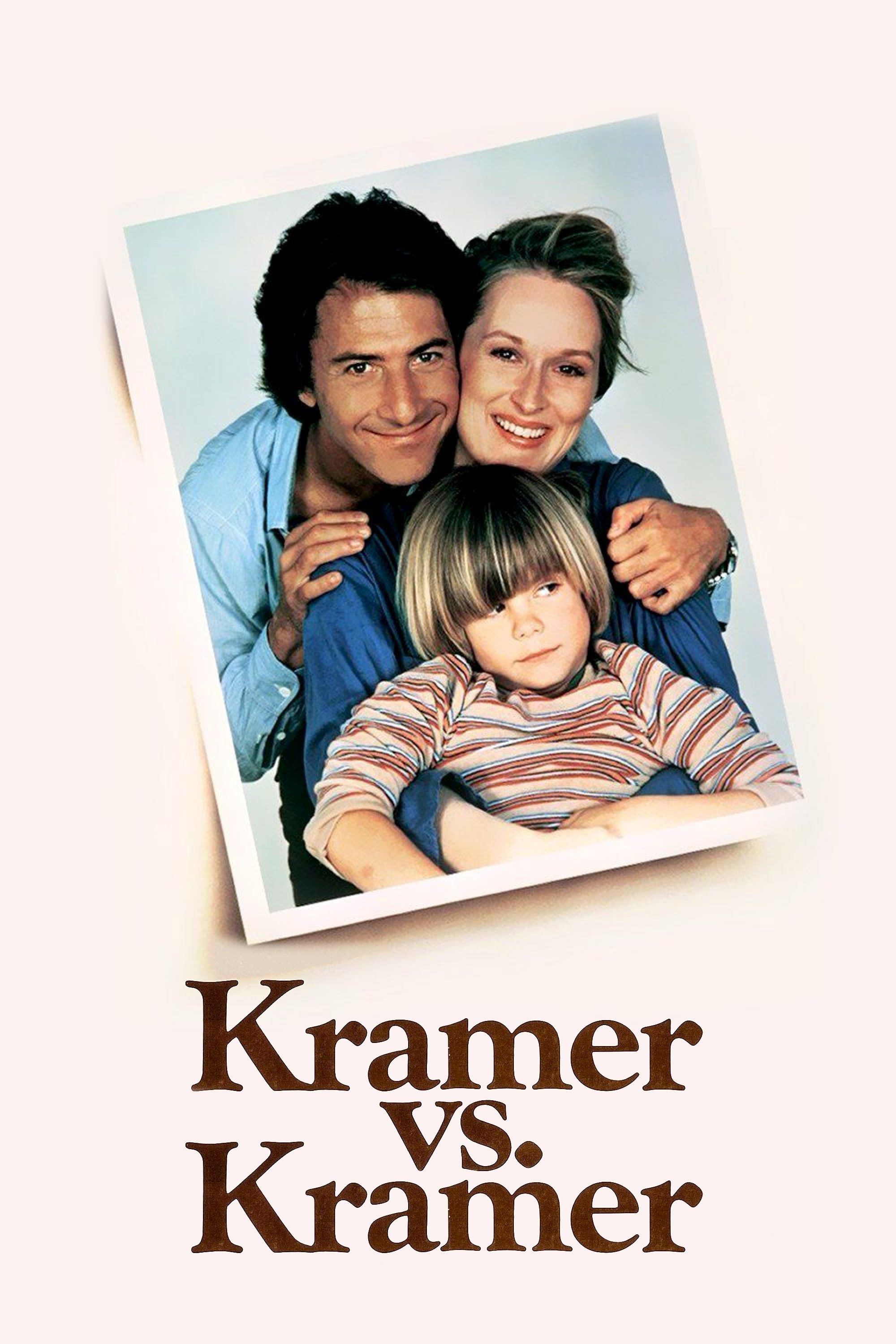
Casting What-Ifs
James Caan, Al Pacino and Jon Voight for Ted; Kate Jackson, Faye Dunaway and Jane Fonda for Joanna; Gail Strickland as Margaret
In the discussion (9)
- Hoffman initially did not want the role, and James Caan reportedly declined over fears the film would flop. — Bill Simmons
- Al Pacino reportedly turned it down as not right for him; seeing him in the role would have been welcome. — Mallory Rubin
- Jon Voight reportedly declined because he was already in The Champ, another divorced-parent story whose ending is called one of the saddest.
- Hoffman changed his mind after meeting Jaffe and Benton in a London hotel. — Bill Simmons
- By her own claim, Kate Jackson was offered Joanna but could not take it because of Charlie's Angels; the story is treated as only mostly true. — Bill Simmons
- Faye Dunaway was reportedly offered the role and did The Champ instead; Jane Fonda, earlier said to have been talked about for the role, is mentioned again; Ali MacGraw is named only with the judgment that she would have butchered it, without saying she was considered. — Bill Simmons
- Streep was originally meant for the JoBeth Williams role before being cast as Joanna. — Bill Simmons
- Gail Strickland was cast as Margaret but reportedly fired after Hoffman taunted her on set, and Jane Alexander replaced her. — Bill Simmons
- Earlier, a Kate Jackson version of Joanna is dismissed as unable to reach Streep's level, with casting what-ifs promised for later. — Bill Simmons


